
All categories
Featured selections
Trade Assurance
Buyer Central
Help Center
Get the app
Become a supplier
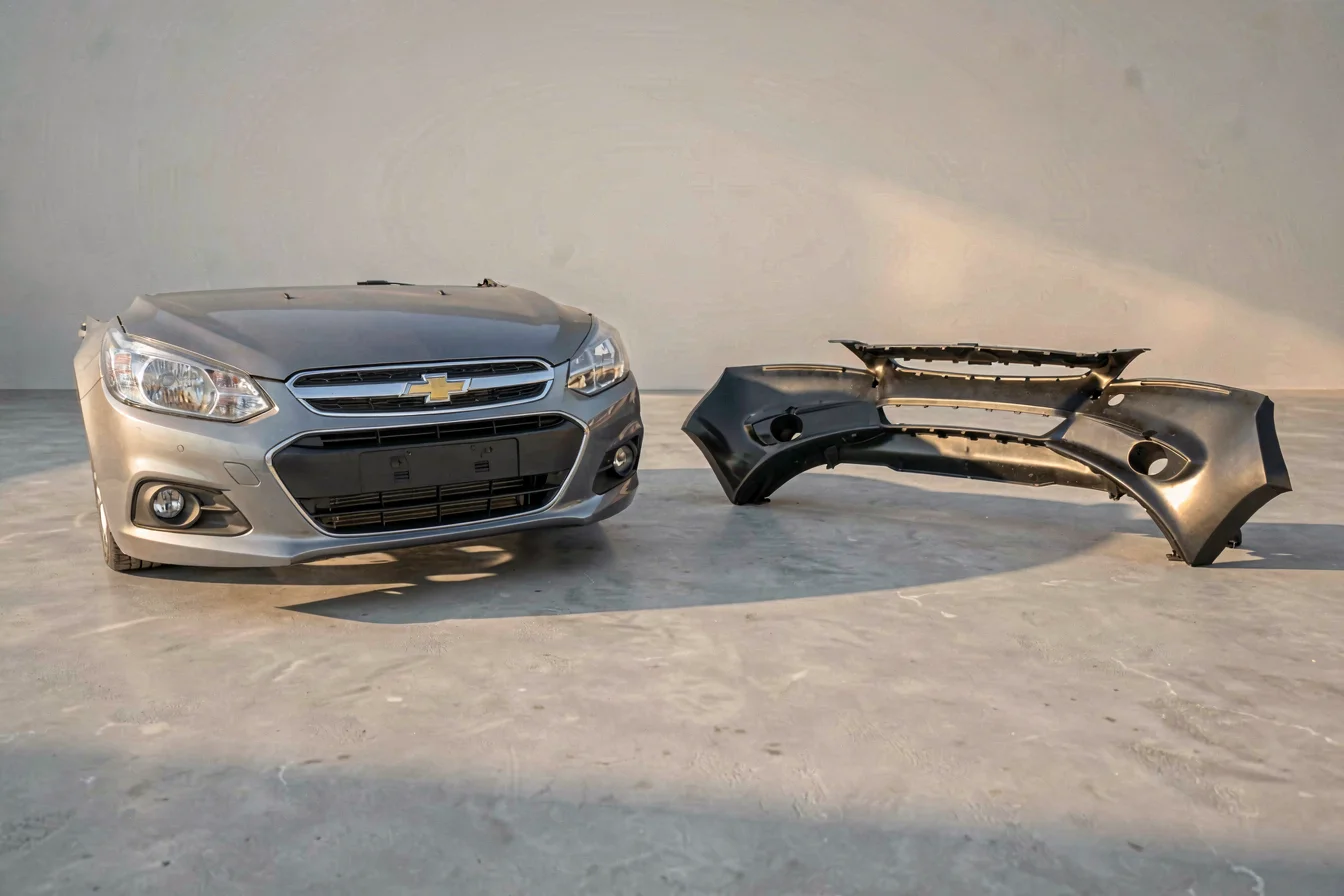
Front bumpers for the Chevrolet Sail are consistently more in demand, driven by higher accident rates and urban driving conditions, while rear bumpers are less frequently searched but essential for cargo protection and safety. Genuine and aftermarket options are widely available for both types, but front bumpers command higher prices and greater aftermarket support. Buyers should evaluate their driving environment and accident risk to determine which bumper replacement offers the best long-term value and durability[1][2][3].
Both chevrolet sail front bumper and chevrolet sail rear bumper serve critical roles in vehicle safety and aesthetics, but their procurement logic and buyer pain points differ significantly. Front bumpers are designed to absorb impact during collisions, protect the engine, and maintain the vehicle's appearance. Rear bumpers primarily guard the cargo area, protect the tail lights, and contribute to rear-end safety. The procurement dilemma centers on accident frequency, repair complexity, and cost.
Front bumpers are more complex, often integrating sensors, airbag systems, and advanced materials, making them more expensive and harder to replace. Rear bumpers are simpler, easier to install, and less costly, but may lack integrated safety features. In urban environments, front bumpers face higher risk due to frequent low-speed collisions and parking mishaps, while rear bumpers are more susceptible to damage in commercial fleets or multi-vehicle accidents[1][3].
Technological innovation has led to improved energy absorption and lighter materials for front bumpers, while rear bumpers have seen fewer advancements—mainly aesthetic upgrades and easier installation kits. Buyers must weigh the urgency of replacement, repair complexity, and long-term cost.
| Feature | Chevrolet Sail Front Bumper | Chevrolet Sail Rear Bumper |
|---|---|---|
| Search Demand | High (avg. 39) | Moderate (avg. 24) |
| Replacement Complexity | High (sensors, airbag integration) | Low (DIY-friendly) |
| Aftermarket Support | Extensive | Limited |
| Average Replacement Cost | $100–$350 | $80–$200 |
| Safety Integration | Advanced (airbag, sensors) | Basic (light protection) |
| Aesthetic Impact | High (vehicle appearance) | Low (cargo area) |
Front bumpers deliver greater procurement value for accident-prone urban drivers, while rear bumpers are essential for fleet owners and frequent rear-end collision scenarios.
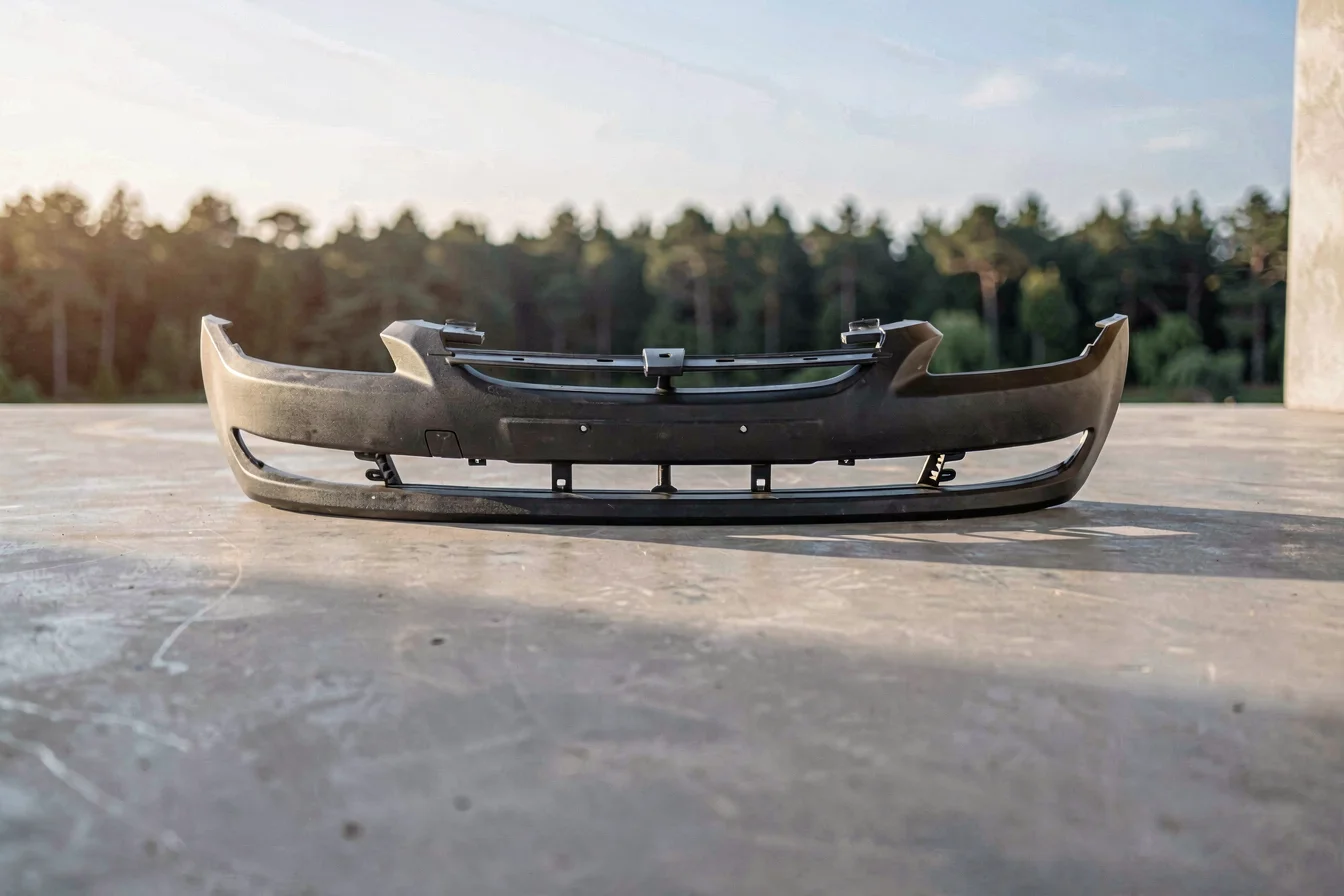
Durability is a critical factor when comparing chevrolet sail front bumper and chevrolet sail rear bumper . Front bumpers are subjected to higher impact forces, making their longevity dependent on material quality, installation, and accident frequency. Rear bumpers, while less exposed to direct collisions, are vulnerable to wear from cargo, weather, and minor impacts. Both types require regular inspection and maintenance to ensure optimal performance.
Front bumpers typically last 3–5 years under normal driving conditions but may need earlier replacement after accidents. Rear bumpers can last 5–7 years, especially in low-impact environments. Genuine parts from Chevrolet dealers offer superior durability and warranty coverage, while aftermarket bumpers may vary in quality and lifespan.
Application scenarios differ: front bumpers are crucial for urban driving and accident-prone environments, while rear bumpers are vital for fleet operations, cargo protection, and multi-vehicle environments. Buyers should consider their primary use case—urban commuting versus commercial fleet—when evaluating replacement intervals and long-term costs.
Cost outlook: Initial purchase, labor, and replacement frequency drive total ownership costs. Front bumpers are pricier due to complexity, while rear bumpers are cheaper and easier to replace. Maintenance and hidden costs (e.g., sensor recalibration, airbag replacement) should also be factored in.
| Cost Factor | Chevrolet Sail Front Bumper | Chevrolet Sail Rear Bumper |
|---|---|---|
| Initial Purchase Price | $100–$350 | $80–$200 |
| Average Lifespan | 3–5 years | 5–7 years |
| Maintenance Cost (5 years) | $50–$200 | $30–$100 |
| Replacement Frequency | 1–2 times | 1 time |
| Hidden Costs | Sensor recalibration, airbag replacement | Tail light repair |
Front bumpers require more frequent replacement and higher maintenance costs, while rear bumpers offer longer lifespan and lower replacement frequency in most environments.
The core value of chevrolet sail front bumper and chevrolet sail rear bumper lies in their ability to protect the vehicle and its occupants, while also enhancing appearance and resale value. In today’s competitive market, urbanization and increased vehicle density have heightened the demand for robust front bumpers, while commercial fleets and logistics operations prioritize rear bumpers for cargo and tail-end safety.
Market trend analysis shows urbanization and e-commerce growth have increased demand for front bumpers, while rear bumpers remain relevant in logistics and fleet operations. Both types are supported by genuine and aftermarket suppliers, but front bumpers dominate search interest and procurement activity[1][2][3].
Google Trends data reveals sustained search interest for chevrolet sail front bumper (avg. 39) compared to chevrolet sail rear bumper (avg. 24) from March 2025 to March 2026. Peaks occurred in August and February, corresponding to accident season and insurance claim cycles[1].
Search Interest over Time
Front bumper search interest consistently outpaces rear bumper demand, indicating higher urgency and procurement activity for urban drivers and accident-prone environments.
Social media and Reddit discussions reveal distinct pain points and user expectations for both chevrolet sail front bumper and chevrolet sail rear bumper . Front bumpers are frequently discussed in accident repair threads, with users lamenting sagging or damage after collisions. Rear bumpers are less commonly discussed but receive complaints about aesthetics, clearance, and utility.
Case Study 1: Urban Driver (Front Bumper) A Reddit user reported needing a new front bumper after a minor collision, expressing concern about finding a genuine replacement and the complexity of installation:
“Hey there folks. I have a 2014 SS, and today I had an incident that’s leaving me needing a new front bumper cover. Wondering if any of you may know where to find one or have a connection who would. This was my biggest fear, and now I’m worried I’ll have to go aftermarket.” [7]
Case Study 2: Fleet Owner (Rear Bumper) A discussion on Reddit’s Chevy Tahoe forum criticized the new rear bumper design for its low profile and lack of sporty appearance:
“It doesn’t look good imo. It’s too low and takes away from the sporty look I’m use to with the older Tahoes. This one kinda looks like a mini van in the back. Also it makes it harder to clear certain off rd points.” [8]
| Dimension | Chevrolet Sail Front Bumper | Chevrolet Sail Rear Bumper |
|---|---|---|
| Overall Satisfaction | Moderate (complexity, urgency) | Low (aesthetic complaints) |
| Most Praised Feature | Protection after accidents | Easy installation |
| Most Common Complaint | Sagging, complexity, cost | Aesthetic, clearance |
| Community Recommendation Rate | High (genuine parts preferred) | Low (aftermarket preferred) |
Viral content themes include DIY bumper repairs, aesthetic upgrades, and accident frequency. Cultural reception is positive for front bumpers in accident-prone cities, while rear bumpers are debated for utility and appearance in fleet operations.
Front bumpers are praised for accident protection but criticized for complexity and cost, while rear bumpers face complaints about aesthetics and utility in commercial settings.
Buyers must evaluate their core needs before purchasing a chevrolet sail front bumper or chevrolet sail rear bumper . Key questions include:
Tiered recommendations:
| Tier | Recommended Product | Key Reason |
|---|---|---|
| Budget-Friendly | Chevrolet Sail Rear Bumper | Low cost, easy DIY replacement |
| Mid-Range | Chevrolet Sail Front Bumper | Accident-prone urban driving, moderate cost |
| Premium | Chevrolet Sail Front Bumper | Advanced safety features, OEM quality |
Optimization tips: Buy during insurance claim cycles for best prices; bundle with related parts for savings; prioritize OEM for front bumpers in accident-prone environments; avoid common mistakes like ignoring sensor integration or using incompatible aftermarket parts.
Buyers should match bumper type to their primary use case, budget, and accident risk for optimal procurement value.
The procurement landscape for chevrolet sail front bumper and chevrolet sail rear bumper will remain shaped by urbanization, accident frequency, and evolving safety standards. Front bumpers will continue to dominate search interest and aftermarket innovation, driven by insurance cycles and urban accident rates. Rear bumpers will see steady demand in commercial fleets and logistics, but may lag in search volume and innovation.
For the next 6–12 months, buyers should prioritize front bumper replacements for urban environments and accident-prone scenarios, while rear bumpers remain essential for fleet owners. Share your experiences with bumper repairs on social media to inform the community, and commercial buyers should leverage Alibaba.com for wholesale sourcing and OEM support.
Confident buyers should act now—match bumper type to use case, optimize procurement timing, and engage with the community for real-world insights.