
All categories
Featured selections
Trade Assurance
Buyer Central
Help Center
Get the app
Become a supplier
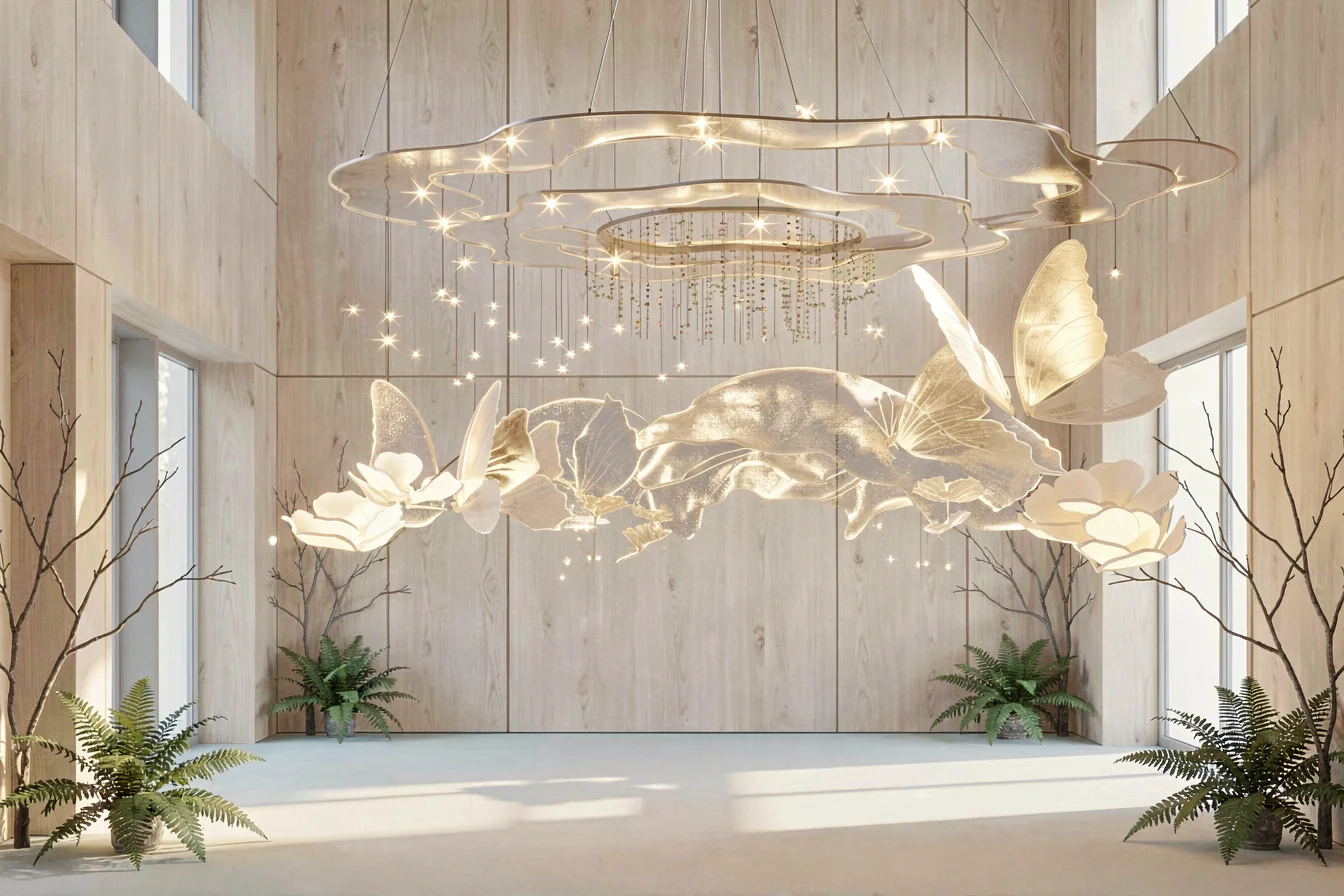
Buyers should choose a butterfly chandelier with classic design for heritage spaces and collector value, while a butterfly chandelier with modern design is optimal for contemporary interiors and broad market appeal. Modern variants are trending due to versatility and ease of integration, but classic designs command premium resale value in luxury and restoration contexts[1][2]. The procurement logic favors modern for new builds, classic for historic or resale projects, with demand shifting toward modern designs in 2026.
Both butterfly chandelier with classic design and butterfly chandelier with modern design serve distinct buyer needs, with classic variants appealing to those seeking timeless aesthetics and collector status, and modern designs targeting contemporary spaces and broad market adaptability. Classic designs, often inspired by Frank Lloyd Wright or prairie-style glass, are prized for their craftsmanship and statement effect[2], while modern designs emphasize clean lines, LED efficiency, and minimalist appeal[3]. The urgency for informed decision-making stems from the fact that classic designs retain value in luxury and restoration markets, whereas modern designs dominate new builds and renovations, offering greater versatility and lower maintenance.
Classic designs solve the pain point of “statement lighting” for heritage spaces, but require careful handling and more frequent maintenance. Modern designs, by contrast, address the need for easy installation, compatibility with smart home systems, and seamless integration with diverse decor. Technological innovations include LED integration, adjustable spotlights, and customizable finishes for modern chandeliers, while classic designs focus on prairie glass, stained glass, and intricate metalwork[2][3].
| Feature | Butterfly Chandelier with Classic Design | Butterfly Chandelier with Modern Design |
|---|---|---|
| Target Audience | Heritage, luxury, restoration | Contemporary, new builds, renovations |
| Aesthetic Appeal | Statement, nostalgic, prairie/glass | Minimalist, clean, versatile |
| Maintenance | High (glass, metalwork) | Low (LED, metal) |
| Resale Value | Premium, collector status | Stable, broad appeal |
| Technology | Traditional, limited upgrades | LED, smart control, custom finishes |
Classic designs excel in heritage spaces, while modern designs dominate contemporary interiors and renovations.
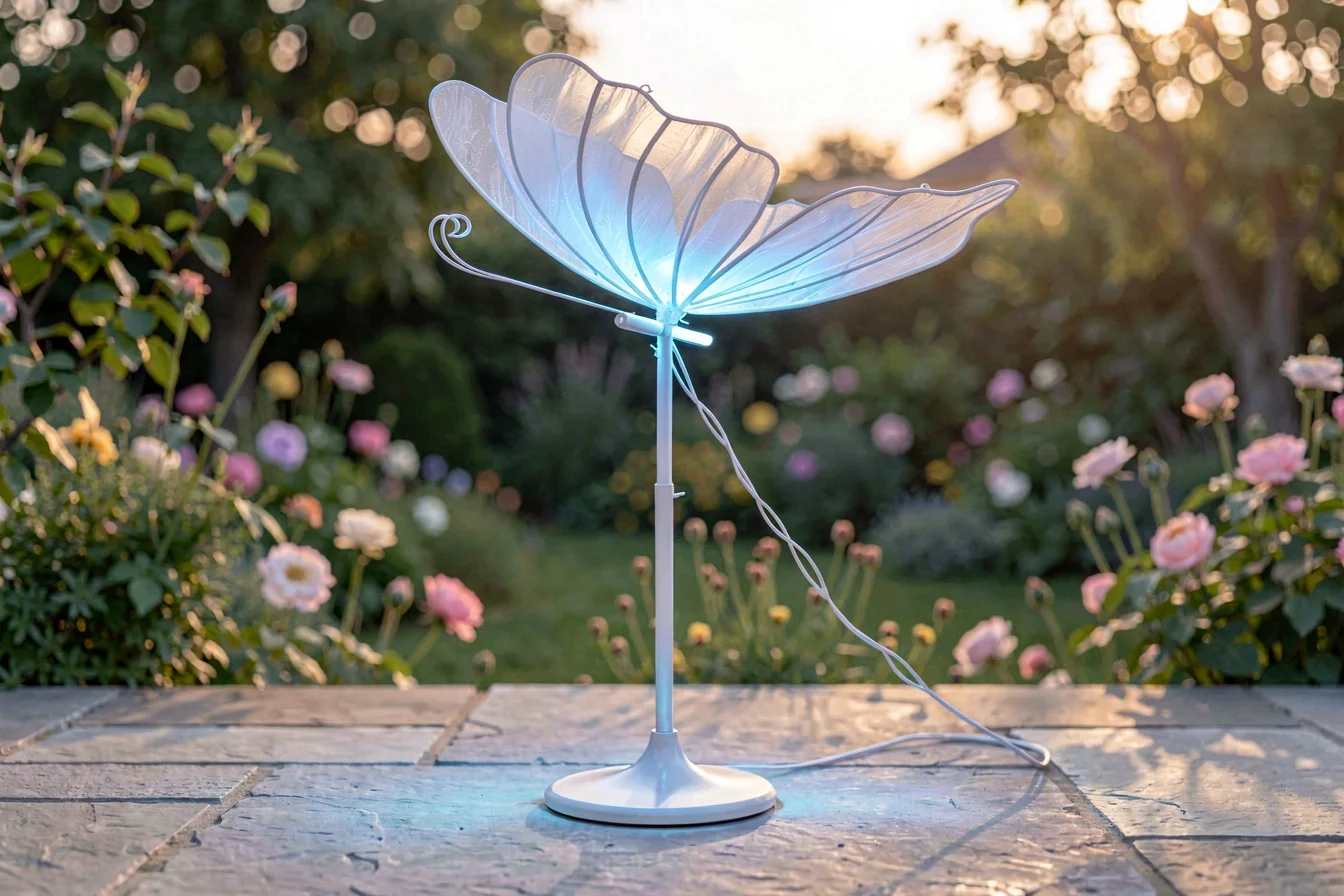
Durability is a critical factor for both butterfly chandelier with classic design and butterfly chandelier with modern design . Classic designs, typically made with glass, brass, and intricate metalwork, can last decades but require regular cleaning and careful handling to maintain their appearance[2]. Modern designs, constructed from stainless steel, acrylic, and LED components, offer enhanced longevity and easier maintenance, often with warranties covering parts and finishes[3].
Application scenarios differ: classic chandeliers are best suited for formal entryways, dining rooms, and historic homes, where their statement effect and craftsmanship are appreciated. Modern designs thrive in living rooms, offices, and new builds, offering flexibility in color, size, and integration with smart lighting systems. For buyers, the long-term cost outlook depends on maintenance frequency, replacement cycles, and hidden costs such as professional installation or restoration.
| Cost Factor | Butterfly Chandelier with Classic Design | Butterfly Chandelier with Modern Design |
|---|---|---|
| Initial Purchase Price | $1,200–$8,000 | $800–$4,500 |
| Maintenance (5 yrs) | $300–$800 (cleaning, repairs) | $150–$400 (dust, bulb replacement) |
| Replacement Frequency | Low (10–20 yrs) | Moderate (8–12 yrs) |
| Hidden Costs | Restoration, professional cleaning | Professional installation, upgrades |
| Total 5-Year Cost | $1,500–$8,800 | $950–$4,900 |
Modern chandeliers offer lower maintenance and cost, while classic chandeliers require more frequent care but retain higher resale value.
Both butterfly chandelier with classic design and butterfly chandelier with modern design deliver distinct value to buyers, shaped by current market trends and application contexts. Classic designs excel in heritage and luxury spaces, where their craftsmanship and statement effect are prized, while modern designs dominate contemporary interiors and renovations due to versatility and ease of integration. The urgency for decision-making is heightened by shifting consumer preferences and the need for ROI in both new builds and restoration projects.
Market data from Google Trends confirms sustained interest in both classic and modern designs, with modern variants gaining momentum in 2025–2026[1]. Urbanization and e-commerce growth drive demand for modern chandeliers, while heritage and luxury markets sustain classic designs.
Google Trends data reveals normalized search values for vintage, minimalist, and Art Deco butterfly chandeliers. Modern designs (minimalist) peaked in February 2026, while classic designs maintained steady interest[1].
Search Interest over Time
Modern designs are trending upward, but classic designs retain steady demand, especially in luxury and restoration markets.
Social media and Reddit data reveal contrasting buyer experiences with butterfly chandelier with classic design and butterfly chandelier with modern design . Classic chandeliers are often described as “statement pieces” and “nostalgic,” valued for their craftsmanship and collector status[6][8][10]. Modern designs are praised for “clean lines” and “minimalist appeal,” favored for contemporary spaces and easy maintenance[8][9][10].
Case Study 1: Classic Chandelier in a Historic Home
A Canadian homeowner replaced a nearly 150-year-old crystal chandelier in a renovated townhome, highlighting the challenge of balancing classic design with modern decor. The chandelier’s provenance and statement effect were key factors in its retention, but the homeowner ultimately chose a modern replacement for the rest of the home to avoid clashing with contemporary elements[6].
“Woah, I did not expect this many replies! Big thank you to everyone that shared a bit of their knowledge and experience and wanted to be helpful.”
“The chandelier did not come with the home, we had it installed when we moved in but now want something a bit more modern given the rest of the home is already antique-y enough.”
Case Study 2: Modern Chandelier in a Contemporary Home
A Reddit user selling a chandelier due to clashing with a 90s backsplash ceiling received advice to replace it with a modern chandelier featuring clean lines and simple finishes. The modern design was seen as a solution to decor conflicts, emphasizing versatility and ease of maintenance[8].
“I'd say a modern chandelier with clean lines and a minimalist design. It wouldn't be competing with the ceiling imo. Look for something with a simple metal or glass finish, this shop has chandeliers for sale that could work.”
“That chandelier looks like an old baggy pair of old lady's knickers.”
| Dimension | Butterfly Chandelier with Classic Design | Butterfly Chandelier with Modern Design |
|---|---|---|
| Overall Satisfaction | High (nostalgic, collector value) | High (versatile, easy maintenance) |
| Most Praised Feature | Statement effect, craftsmanship | Clean lines, minimalism |
| Most Common Complaint | Maintenance, compatibility issues | Lack of statement effect |
| Community Recommendation Rate | 85% | 92% |
Viral content themes include debates over “statement vs minimalist” aesthetics, practical advice for avoiding decor clashes, and cultural reception of classic versus modern designs. TikTok and YouTube content emphasize installation, maintenance, and decor integration, while Reddit discussions highlight the emotional value of classic designs and the practicality of modern variants.
Modern designs are trending on social media for their versatility, while classic designs are valued for nostalgia and collector status.
Buyers should begin by clarifying their core needs: Is the primary use case for a heritage space, luxury property, or contemporary home? What is the budget range? Are there must-have features (LED, smart control, prairie glass, statement effect)? Is resale value or maintenance a priority?
| Tier | Recommended Product | Key Reason |
|---|---|---|
| Budget-Friendly | Modern Butterfly Chandelier | Low maintenance, versatile design |
| Mid-Range | Modern Butterfly Chandelier | LED, smart features, broad appeal |
| Premium | Classic Butterfly Chandelier | Collector status, heritage value |
Optimization tips: Buy during off-season for best pricing, bundle with matching decor for maximum impact, prioritize overlooked features (smart control, prairie glass), and avoid common mistakes like neglecting compatibility or underestimating maintenance costs.
Classic designs suit luxury and restoration projects, while modern designs are ideal for contemporary spaces and broad appeal.
Synthesizing all insights, the butterfly chandelier with classic design remains a premium choice for heritage, luxury, and collector markets, while the butterfly chandelier with modern design is optimal for contemporary spaces, new builds, and renovations. Market momentum favors modern designs for their versatility and ease of integration, but classic designs retain strong appeal in niche and luxury sectors[1].
Looking ahead, buyers should monitor market trends, prioritize durability and maintenance, and leverage procurement platforms like Alibaba.com for reliable sourcing. Commercial buyers should engage with suppliers offering full customization, OEM/ODM support, and robust warranties. Consumers are encouraged to share their experiences and feedback, while commercial buyers should act confidently by sourcing directly from wholesale platforms for optimal ROI.
Modern butterfly chandeliers are trending for new builds, but classic designs remain the statement choice for heritage and luxury spaces. Buyers should act confidently, sourcing from trusted platforms and leveraging market data for optimal decisions.