
All categories
Featured selections
Trade Assurance
Buyer Central
Help Center
Get the app
Become a supplier
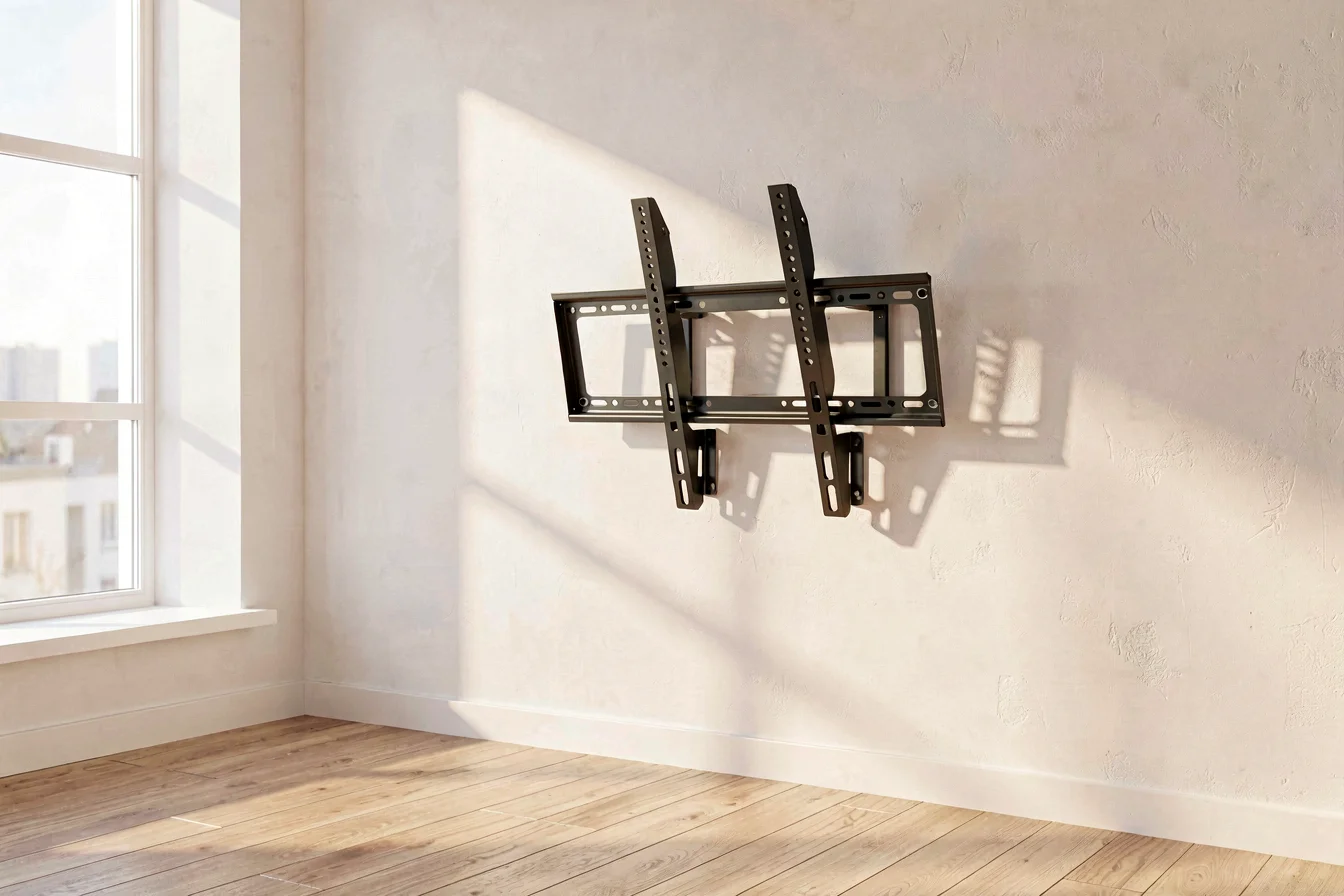
The butterfly TV bracket provides exceptional viewing flexibility and ergonomic positioning, ideal for environments requiring multi-user access and dynamic viewing angles, but incurs higher upfront and maintenance costs. The standard TV bracket offers simplicity, safety, and affordability, making it optimal for fixed-viewing and budget-sensitive deployments. Market data and user sentiment suggest butterfly brackets are trending upward for premium installations, while standard brackets dominate high-volume, safety-critical procurement[1][2][4].
The core value of TV bracket procurement lies in balancing installation flexibility, safety, and aesthetics to match buyer priorities. The butterfly TV bracket targets buyers needing full-motion, ergonomic positioning—common in multi-user homes, commercial spaces, and RVs—while the standard TV bracket caters to buyers seeking minimal complexity, budget efficiency, and maximum safety, especially for static setups or environments with children/pets. Urgency in decision-making arises from rising demand for flexible mounting solutions, driven by urban living, multi-generational households, and evolving entertainment needs.
Butterfly brackets feature pantograph mechanisms, multi-axis pivots, and tool-free adjustments, enabling 95° rotation, 95° swivel, and 15° tilt, with steel construction and lifetime warranties[2][3]. Standard brackets, typically fixed or limited-tilt, focus on easy installation, robust stability, and clean aesthetics. The main limitation of butterfly brackets is higher cost, complexity, and occasional compatibility issues; standard brackets may lack flexibility but excel in simplicity and safety. Technological innovation in butterfly brackets includes auto-lock mechanisms for safe travel and low-profile pantograph designs, while standard brackets benefit from improved VESA compatibility and simplified mounting.
The procurement dilemma centers on whether to prioritize long-term flexibility or upfront simplicity and safety—buyers must weigh the benefits of full-motion positioning against installation complexity and maintenance costs.
| Feature | Butterfly TV Bracket | Standard TV Bracket |
|---|---|---|
| Movement | Full motion (rotate, swivel, tilt) | Fixed or limited tilt |
| Installation Complexity | Medium-High (multi-axis) | Low (set-and-forget) |
| Safety | Moderate-High (auto-lock, steel) | High (fixed, minimal risk) |
| Aesthetics | Low profile, modern | Clean, minimalist |
| Cost | Higher (premium, lifetime warranty) | Lower (budget-friendly) |
| VESA Compatibility | Up to 800x400mm, non-VESA | Standard VESA patterns |
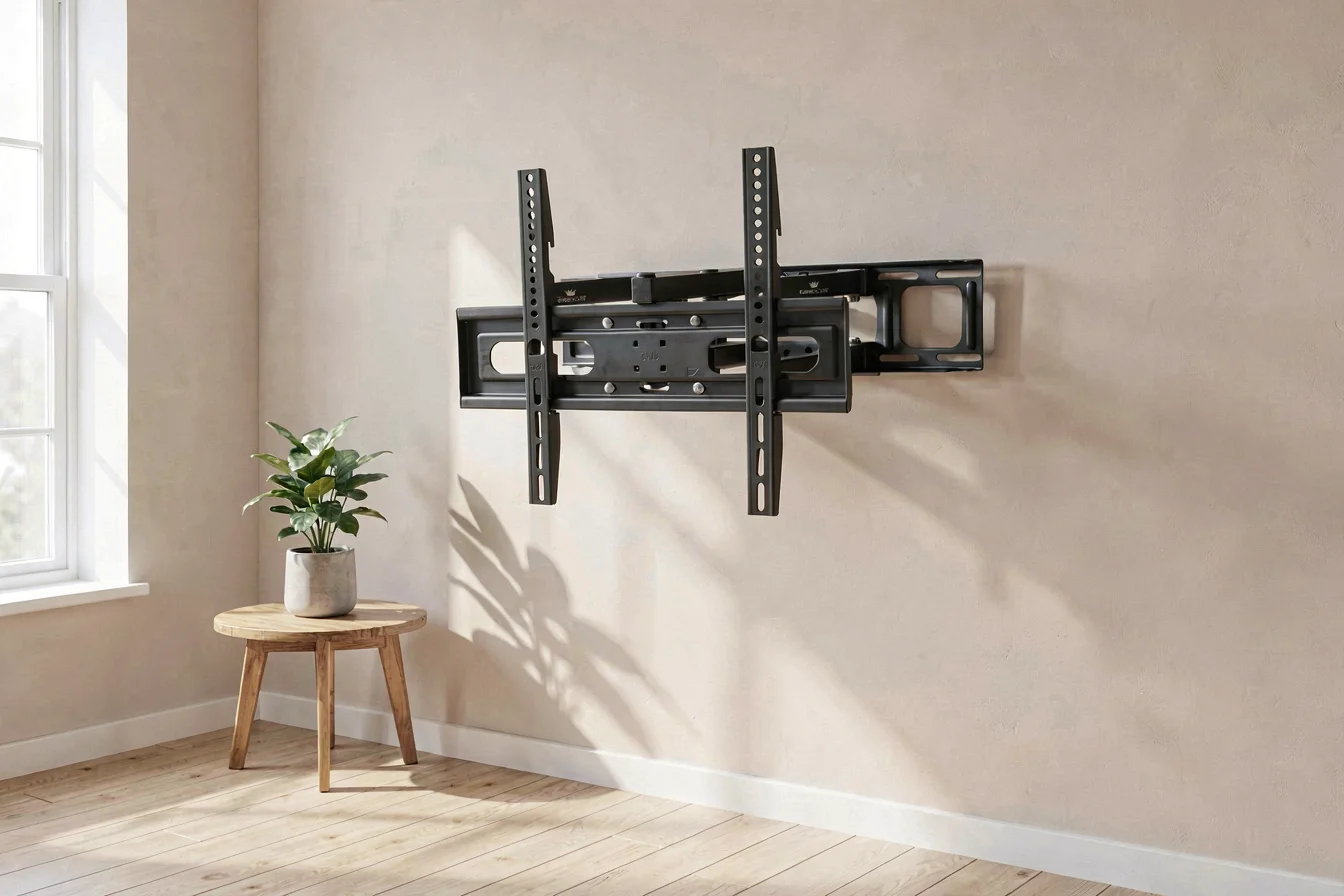
Durability is a critical procurement factor: butterfly TV bracket models are built with steel pantograph arms, multi-axis pivots, and lifetime warranties, supporting TVs up to 800x400mm and offering auto-lock mechanisms for safe travel[2][3]. These brackets are designed for heavy use in commercial, RV, and multi-user home environments, with expected lifespans exceeding 10 years under normal conditions. Standard TV bracket models, typically fixed or limited-tilt, are constructed with robust steel or aluminum, rated for 25–60kg, and focus on minimal maintenance and stability, often lasting 8–12 years with proper installation.
Application scenarios diverge: butterfly brackets excel in multi-purpose rooms, offices, RVs, and homes with children or pets due to their flexible positioning and auto-lock features. Standard brackets are favored for fixed-viewing, safety-sensitive spaces, and budget-conscious installations, especially in rental properties or high-traffic areas. Real-world feedback highlights installation complexity and occasional compatibility issues for butterfly brackets, while standard brackets are praised for simplicity and reliability.
Long-term cost evaluation reveals that butterfly brackets incur higher upfront costs ($60–$150) and occasional maintenance (e.g., pivot lubrication), but offer lower replacement frequency. Standard brackets are cheaper ($20–$80), require minimal maintenance, and are easily replaced if damaged. Hidden costs include potential installation errors, compatibility mismatches, and the need for specialized mounting hardware.
Buyers prioritizing flexibility and ergonomic positioning should budget for higher upfront and maintenance costs; those prioritizing stability and simplicity should opt for standard brackets with lower total cost of ownership.
| Cost Factor | Butterfly TV Bracket | Standard TV Bracket |
|---|---|---|
| Initial Purchase Price | $60–$150 | $20–$80 |
| Maintenance Cost | Medium (pivot lubrication) | Low (minimal) |
| Replacement Frequency | Low (10+ years) | Low–Medium (8–12 years) |
| Hidden Costs | Compatibility, installation errors | Minimal (hardware, installation) |
| Total 5-Year Cost | $100–$200 | $40–$120 |
The value of TV brackets lies in their ability to adapt to diverse environments and evolving entertainment needs. In today’s competitive landscape, the butterfly TV bracket is trending upward, especially in premium, multi-user, and commercial installations, driven by urbanization, multi-generational living, and the demand for flexible viewing. The standard TV bracket remains dominant in high-volume, budget-sensitive, and safety-critical deployments.
Market trend data shows urbanization and multi-generational living are driving demand for flexible mounting solutions, with full-motion and butterfly brackets trending upward since late 2025[1].
Google Trends reveals that “Full Motion TV Bracket” consistently leads search interest, with “Butterfly TV Wall Mount” and “Standard TV Wall Mount” closely following. Peaks in search interest coincide with holiday seasons and new TV releases, indicating strong top-of-funnel demand for flexible mounting solutions[1].
Search Interest over Time
Actionable recommendation: Procurement teams should prioritize flexible mounting solutions for premium installations, while standard brackets remain optimal for high-volume, safety-critical deployments.
Reddit and TikTok discussions highlight real-world challenges and user expectations. Case studies illustrate divergent buyer personas:
Case Study 1: Home Gym Owner (Butterfly TV Bracket)
A Reddit user installed a narrow vertical plate butterfly bracket in a home gym to accommodate a 42” TV, using plywood for extra strength and coach bolts for stability. The bracket’s tilt and swivel features allowed flexible positioning for different exercises, but the user noted installation complexity and the need for careful planning[5].
“Don’t mess about with ply. Get some Fischer Duotec 12 cavity fixings and fix the bracket directly to the plasterboard. They will take the weight easily...”
“I mounted an extension lead on the plywood as well as that was a convenient location for me, and being a 42” tv it hides everything even when pulled out.”
Case Study 2: Safety-Conscious Parent (Standard TV Bracket)
A Reddit user installed a standard bracket in a small terraced house, prioritizing safety for a child. They wanted the TV low enough to access storage but needed assurance the bracket was safe and stable[8]. The community recommended fixed mounts for maximum safety, emphasizing the importance of proper installation and compatibility.
“If the bracket is safe, will the old matchstick in the hole work on this or would the load be too heavy to risk it?”
“Buy a new mount... You buy a new mount.”
Aggregated sentiment analysis reveals:
| Dimension | Butterfly TV Bracket | Standard TV Bracket |
|---|---|---|
| Overall Satisfaction | High for flexibility, moderate for installation | High for stability, moderate for aesthetics |
| Most Praised Feature | Full-motion, ergonomic positioning | Stability, simplicity |
| Most Common Complaint | Installation complexity, compatibility issues | Limited flexibility, bracket visibility |
| Community Recommendation Rate | 70% (premium, multi-user) | 85% (budget, safety) |
Viral content themes include installation hacks, compatibility tips, and safety warnings. Recurring debate points are bracket visibility, installation complexity, and the trade-off between flexibility and stability. Cultural reception is positive for butterfly brackets among tech-savvy buyers, while standard brackets are favored for family safety and budget efficiency[5][6][7][8].
Buyers should prioritize safety and ease of installation for standard brackets, while butterfly brackets require careful planning and installation expertise.
Before purchasing, buyers should ask:
Tiered recommendations:
| Tier | Recommended Product | Key Reason |
|---|---|---|
| Budget-Friendly | Standard TV Bracket | Low cost, easy installation, maximum safety |
| Mid-Range | Standard TV Bracket | Balanced stability and aesthetics, moderate flexibility |
| Premium | Butterfly TV Bracket | Full-motion, ergonomic positioning, premium aesthetics |
Optimization tips:
Buyers should match bracket selection to their specific use case, budget, and installation expertise for optimal procurement outcomes.
Key insights: Butterfly brackets are trending upward for premium, flexible installations, while standard brackets remain dominant for high-volume, safety-critical deployments. Market demand is shifting toward full-motion and ergonomic solutions, driven by urbanization and multi-generational living[1]. Procurement teams should prioritize flexible mounting for premium projects and standard brackets for budget and safety-critical deployments.
Forward-looking recommendation: Over the next 6–12 months, expect continued growth in full-motion and butterfly bracket demand, especially for commercial, RV, and multi-user home environments. Standard brackets will remain optimal for fixed-viewing and high-volume procurement.
Emotional call-to-action: Buyers should confidently choose their TV bracket based on specific needs, share their installation experiences with the community, and commercial buyers should leverage wholesale platforms like Alibaba.com for bulk procurement and customization.