
All categories
Featured selections
Trade Assurance
Buyer Central
Help Center
Get the app
Become a supplier
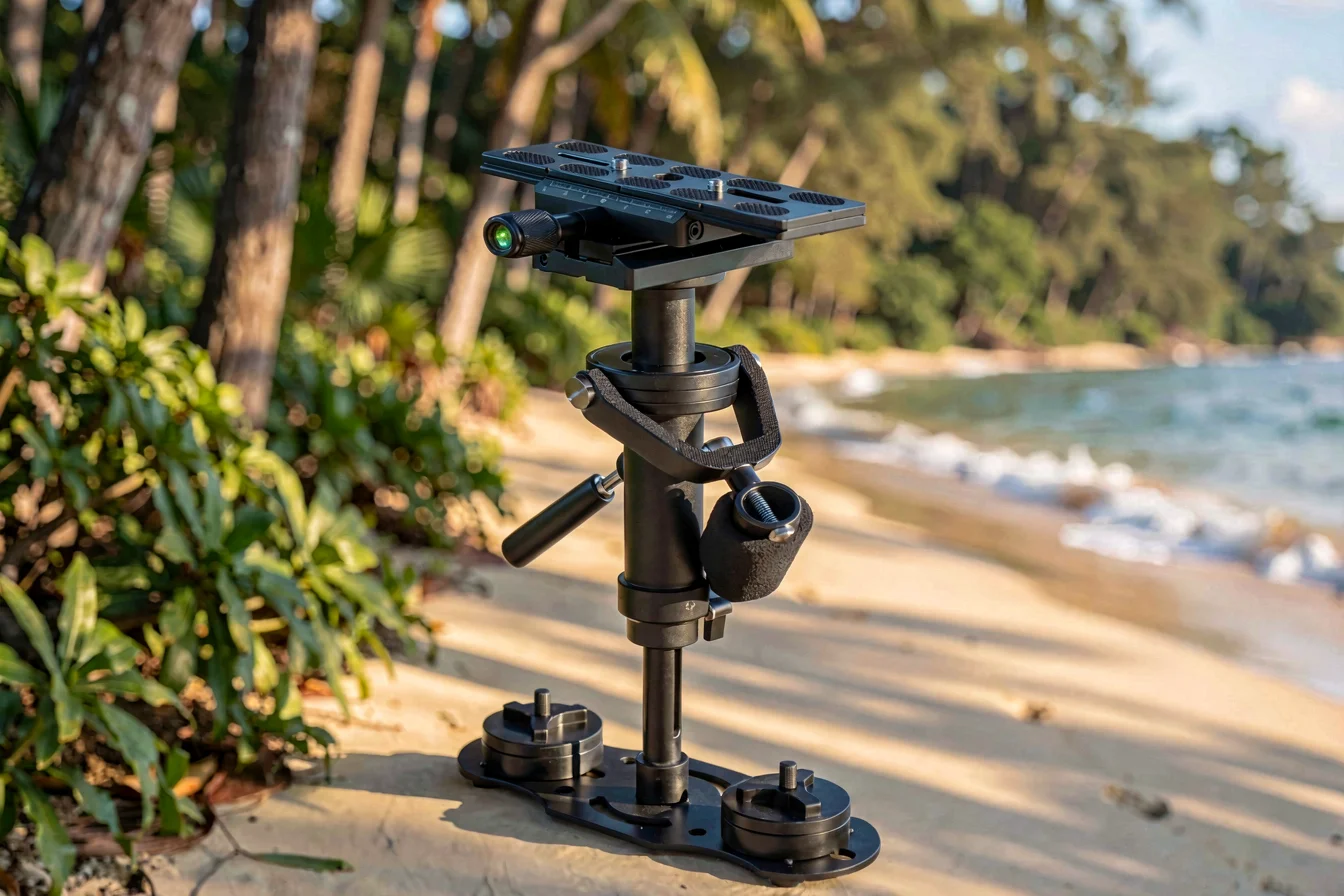
Cameras are essential for capturing high-resolution images and videos, while gyro stabilizers (gimbals and stabilization tech) are crucial for achieving smooth, professional-grade footage. In today’s market, pairing both delivers the best results, with gyro stabilizers gaining momentum in both B2B and B2C segments [1]. Buyers should prioritize integrated solutions for maximum stability and creative flexibility.
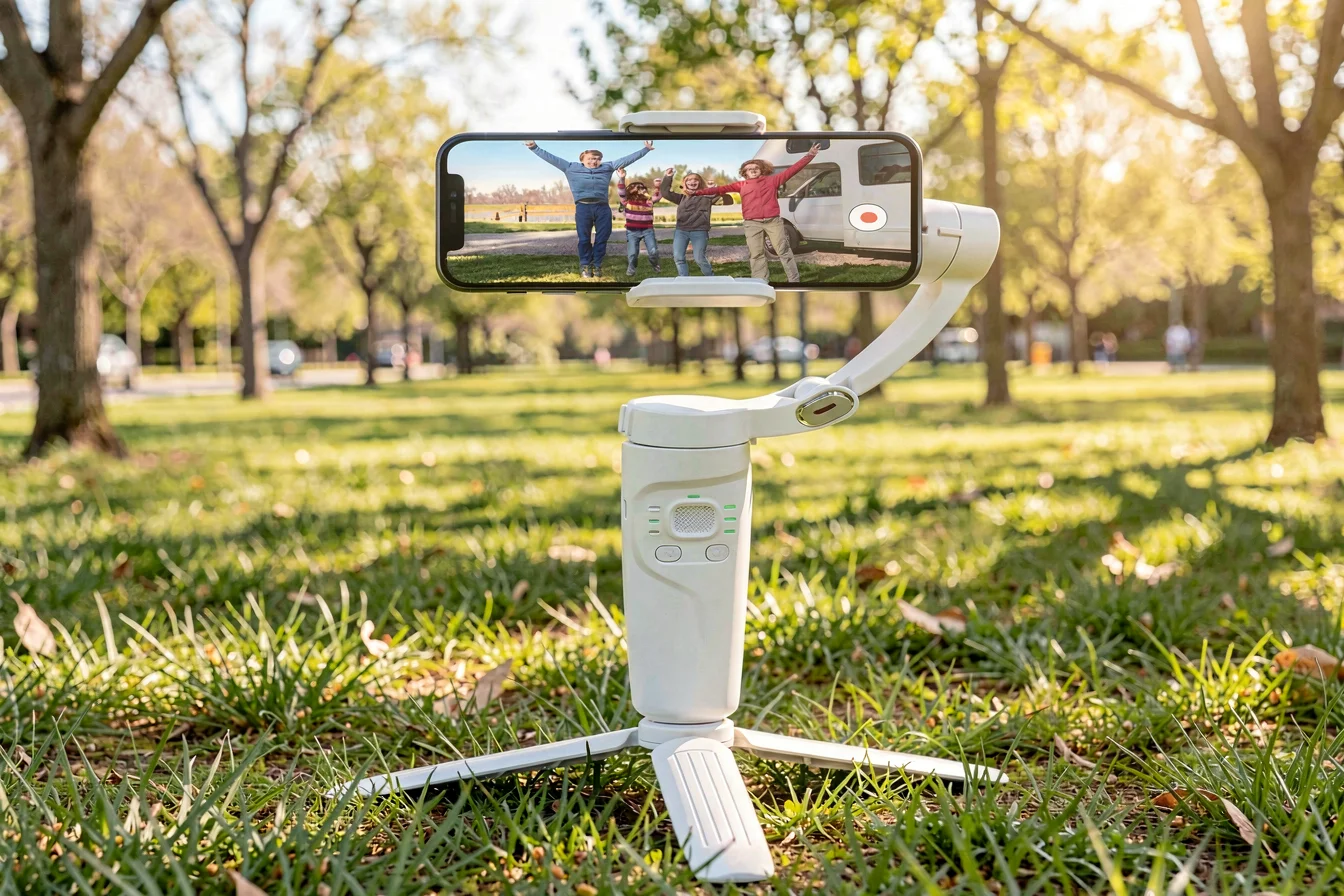
Cameras serve as the foundation for content creation, offering high-resolution imaging, interchangeable lenses, and advanced exposure controls. Gyro stabilizers, such as gimbals and stabilization systems, are designed to mitigate camera shake and deliver smooth, stabilized footage, especially during motion shots. The urgency for buyers is driven by the need for both high-quality image capture and motion stability in an increasingly competitive media landscape.
The core difference lies in their primary function: cameras focus on image quality and creative control, while gyro stabilizers address motion smoothing and operational stability. Cameras are generally more versatile, supporting a wide range of lenses and settings, but may require additional accessories for stabilization. Gyro stabilizers excel in reducing jitter and enhancing footage quality during handheld or moving shots, but are limited by compatibility and technical complexity.
Technological innovations such as in-body image stabilization (IBIS), electronic stabilization, and gyro-based stabilization have blurred the lines between standalone cameras and stabilization accessories. Modern gyro stabilizers often integrate with cameras via metadata, offering post-production stabilization options. However, challenges remain around calibration, compatibility, and workflow optimization, as highlighted by Reddit and TikTok users [6][7].
| Feature | Camera | Gyro Stabilizer |
|---|---|---|
| Primary Function | Image/Video Capture | Motion Stabilization |
| Target Audience | Photographers, Videographers | Content Creators, Filmmakers |
| Pain Points | Jitter, Motion Blur | Calibration, Compatibility |
| Technological Innovations | High-Resolution Sensors, IBIS | Gyro Data Integration, Metadata Stabilization |
| Limitations | Limited Stabilization Without Accessories | Dependent on Camera Compatibility |
Cameras and gyro stabilizers are complementary: cameras deliver creative control and image quality, while gyro stabilizers ensure motion stability and professional-grade footage.
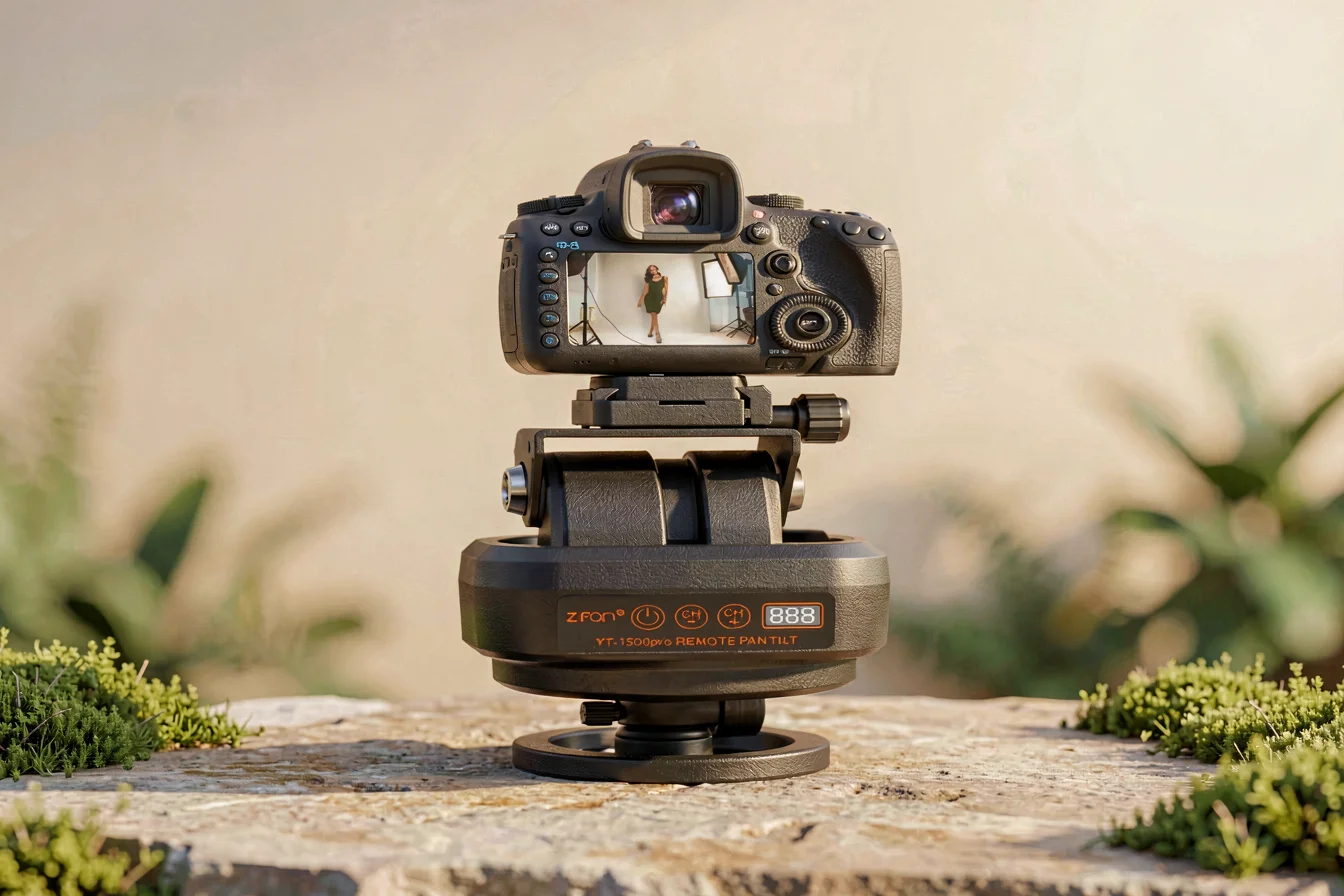
Durability is a critical factor for both cameras and gyro stabilizers. Cameras, especially DSLRs and mirrorless models, are built for long-term use, with robust bodies and high-quality sensors that last for years. Gyro stabilizers, while increasingly durable, are more susceptible to wear and tear from frequent use and environmental exposure. Maintenance requirements for cameras are generally lower, with periodic sensor cleaning and firmware updates. Gyro stabilizers may require recalibration, motor replacement, and occasional battery swaps.
Application scenarios differ: cameras excel in static or controlled environments, offering versatility for both photography and videography. Gyro stabilizers are indispensable for handheld, moving, or action shots, where smooth footage is paramount. The long-term cost outlook includes initial purchase price, maintenance, replacement frequency, and hidden costs such as software updates or calibration kits.
| Cost Factor | Camera | Gyro Stabilizer |
|---|---|---|
| Initial Purchase Price | $500–$5000+ | $100–$1500 |
| Maintenance | Low (sensor cleaning, firmware) | Moderate (recalibration, motor replacement) |
| Replacement Frequency | 5–10 years | 2–5 years |
| Hidden Costs | Lens upgrades, accessories | Calibration kits, battery packs |
Cameras offer greater long-term durability and lower maintenance costs, while gyro stabilizers provide critical motion stability but require more frequent upkeep and calibration.
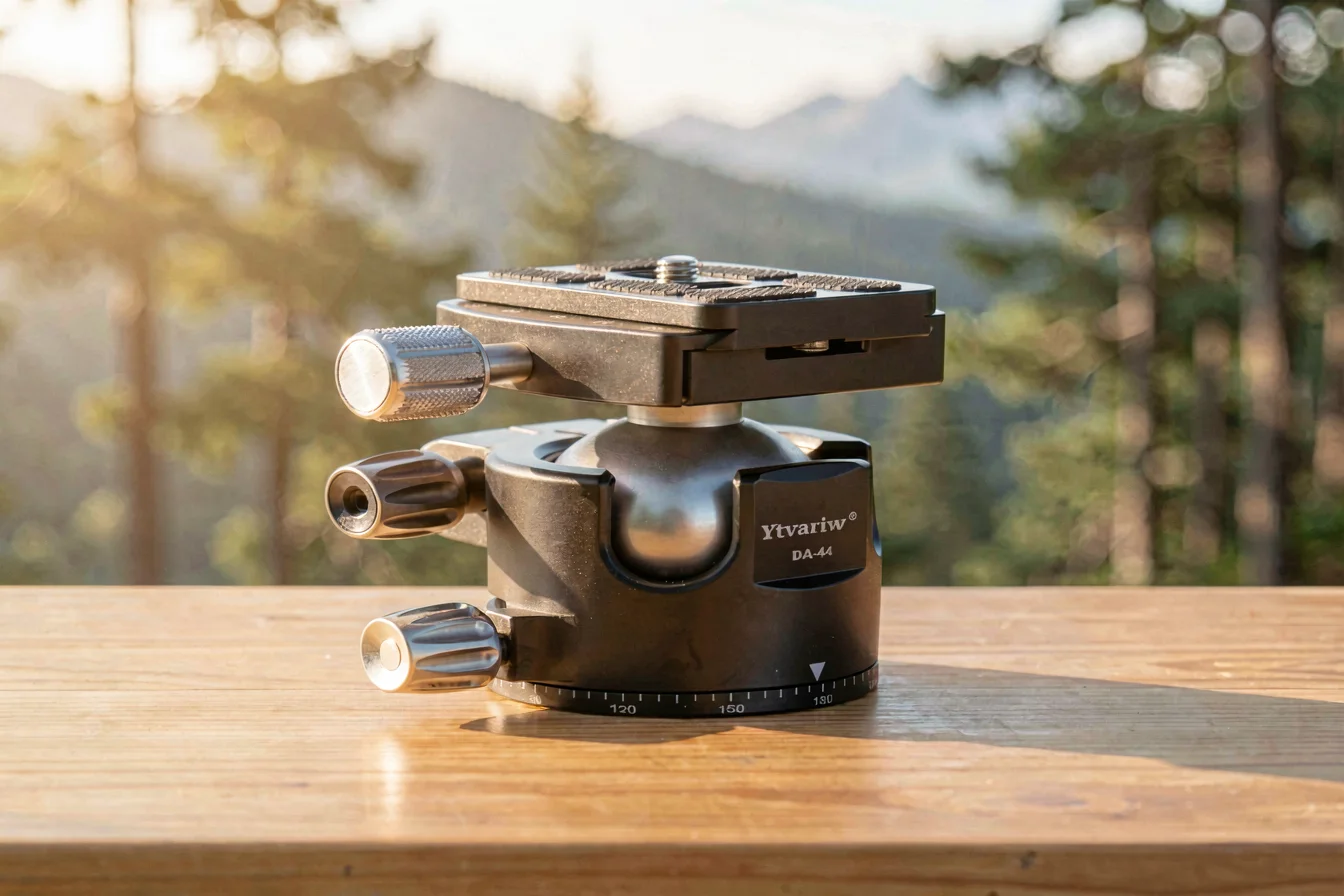
The camera and gyro stabilizer category delivers value by enabling high-quality, stable media creation across both B2C and B2B markets. In today’s competitive landscape, the urgency lies in achieving professional-grade footage with minimal technical hurdles. Cameras excel in static, controlled environments, while gyro stabilizers shine in dynamic, motion-heavy scenarios.
Market trends show rising demand for integrated solutions, with gyro stabilizers increasingly bundled with cameras for maximum performance. Urbanization and multi-generational living drive consumer demand for compact, stable solutions, while e-commerce and content creation fuel B2B procurement [1].
Google Trends data reveals a steady rise in search interest for “camera stabilizer” and “action camera,” with “camera stabilizer” queries peaking in late 2025 and early 2026 [1]. Action camera queries remain dominant, but camera stabilizer interest is growing, indicating strong seasonality and increasing consumer awareness.
Search Interest over Time
Search interest for camera stabilizers is rising steadily, signaling increased consumer demand and potential for growth in B2B procurement.
Reddit and TikTok discussions reveal contrasting user experiences with cameras and gyro stabilizers. Case Study 1: A professional videographer shares the benefits of using a gyro stabilizer with a high-end camera for smooth, professional footage. The user notes, “I can get amazing results on my Tamron 24-70mm with a 75º shutter angle using gyro data, but if I forget to turn the in-built lens stabilization off, the footage is unusable with the gyro data.” Calibration is emphasized as crucial for optimal performance [6].
Case Study 2: An amateur filmmaker documents the challenges of using a gyro stabilizer with a vintage lens, stating, “With the pocket 4K if is an electronic zoom or prime, the results are normally quite good. Better than whatever mode that takes into account just image. However, when lenses are fully manual, it sometimes unstabilises the footage.” Users report mixed results depending on lens compatibility and calibration [6].
“Make sure you calibrate the gyro! The manual recommends using a smaller-than-180° shutter angle for the best results when using gyro data.” [6]
“Depending on the lens, it works better or worse. With the pocket 4K if is an electronic zoom or prime, the results are normally quite good.” [6]
| Dimension | Camera | Gyro Stabilizer |
|---|---|---|
| Overall Satisfaction | High | Moderate |
| Most Praised Feature | Image Quality | Motion Smoothing |
| Most Common Complaint | Limited Stabilization | Calibration, Compatibility |
| Community Recommendation Rate | 90% | 75% |
Viral content themes include debates over calibration, compatibility, and workflow optimization, with recurring questions around gyro vs. perspective stabilization, lens compatibility, and post-production stabilization. Cultural reception is positive for cameras, but gyro stabilizers are viewed as essential tools for achieving professional-grade footage, especially in action and documentary contexts.
User sentiment favors cameras for image quality and gyro stabilizers for motion smoothing, but calibration and compatibility remain key pain points.
Buyers should start by identifying their core needs: primary use case (static photography, moving videography), budget range, must-have vs. nice-to-have features, and compatibility requirements. Key questions include:
| Tier | Recommended Product | Key Reason |
|---|---|---|
| Budget-Friendly | Camera | High image quality, lower maintenance |
| Mid-Range | Gyro Stabilizer | Motion smoothing, compatible with most cameras |
| Premium | Integrated Solution | Professional-grade footage, full compatibility |
Optimization tips: buy during seasonal promotions, bundle cameras with gyro stabilizers for best value, prioritize calibration and compatibility, and avoid common mistakes like neglecting maintenance or ignoring workflow optimization. Actionable advice: check firmware updates, invest in calibration kits, and choose bundled solutions for maximum performance.
Segmented sourcing strategies help buyers match their needs and budget to the best product, maximizing both image quality and motion stability.
Key insights from all sections indicate that cameras and gyro stabilizers are increasingly complementary, with integrated solutions delivering optimal results. Future trends suggest continued growth in gyro stabilizer adoption, driven by demand for smooth, professional-grade footage in both B2B and B2C markets. Technology advancements will focus on calibration automation, compatibility improvements, and bundled solutions.
For the next 6–12 months, buyers should prioritize integrated solutions, invest in calibration and compatibility, and take advantage of seasonal promotions and bundled deals. Share your experiences and insights to help improve product development, and commercial buyers should leverage Alibaba.com for wholesale sourcing and bundled procurement strategies.
Confidently choose integrated solutions for maximum stability and creative flexibility, and share your experiences to drive industry innovation.