
All categories
Featured selections
Trade Assurance
Buyer Central
Help Center
Get the app
Become a supplier
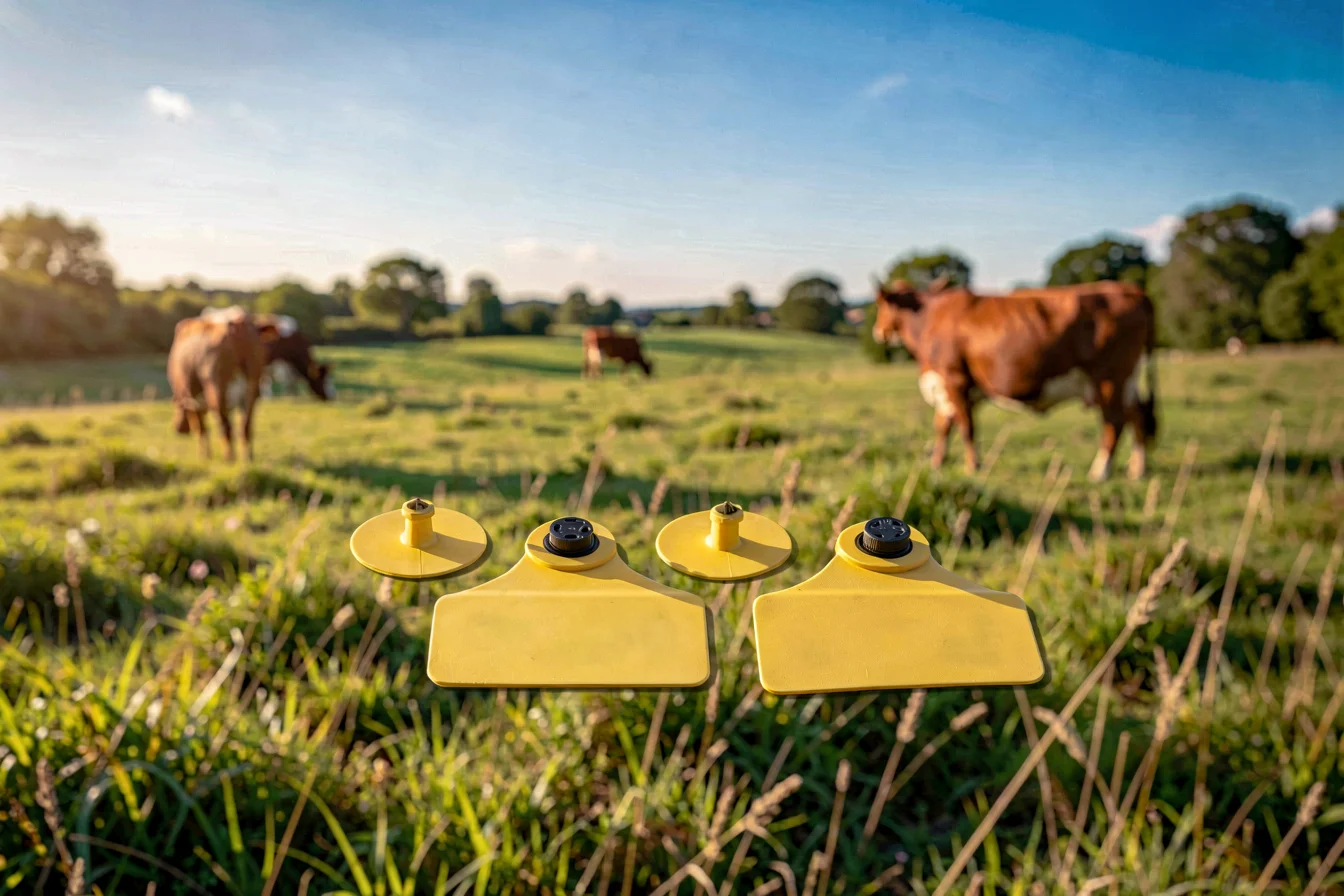
RFID-enabled cattle collars offer advanced tracking, health monitoring, and remote pasture management, making them ideal for data-driven livestock operations. Standard cattle collar remains the choice for small-scale farms seeking affordability and simplicity. Google Trends data shows “Standard Cattle Collar” is more frequently searched globally, but “RFID-Enabled Cattle Collar” is gaining momentum as digital farming adoption expands [1]. Buyers must weigh upfront costs, scalability, and operational needs before selecting a collar type.

The cattle collar market serves two primary audiences: small-scale farmers seeking affordable identification and large-scale operations demanding precision livestock management. Standard cattle collar provides basic ID, minimal maintenance, and cost efficiency, but lacks advanced features. Rfid-enabled cattle collar delivers automated tracking, health alerts, and remote pasture control, enabling data-driven decisions and labor savings. The urgency to choose correctly is driven by rising operational complexity and regulatory demands for traceability in global livestock supply chains.
Core differences include RFID collars’ integration with cellular networks (2G/4G), GNSS, and solar charging, supporting real-time pasture shifts and health monitoring [2]. Standard collars are purely mechanical and rely on manual oversight. RFID collars address pain points such as animal loss, health risks, and inefficient grazing management, while standard collars solve the challenge of basic identification and cost containment. Technological innovations—like solar-powered collars and virtual fencing—distinguish RFID-enabled models as the future of livestock management [3][4].
| Feature | Standard Cattle Collar | RFID-Enabled Cattle Collar |
|---|---|---|
| Identification | Manual, basic ID | Automated, real-time tracking |
| Health Monitoring | None | Health alerts, behavior tracking |
| Durability | High, low maintenance | High, solar-powered, IP67 rated |
| Cost | $20–$40/unit | $80–$250/unit (plus infrastructure) |
| Scalability | Limited | High |
RFID-enabled collars offer transformative benefits but require careful consideration of upfront investment and technical infrastructure.
Durability is critical in cattle collars, as they must withstand harsh outdoor conditions, abrasion, and frequent handling. Standard cattle collar is typically made from robust materials and designed for years of use, with minimal maintenance. Rfid-enabled cattle collar features IP67 water/dust resistance, solar charging, and advanced electronics, delivering high reliability but requiring occasional software updates and battery replacement [2]. Performance consistency is essential, especially for RFID collars managing health alerts and pasture shifts.
Application scenarios differ: standard collars are ideal for small herds, manual management, and regions with limited digital infrastructure. RFID collars excel in large-scale dairy and beef operations, precision grazing, and regulatory compliance. Buyers must assess their operational environment, herd size, and need for remote monitoring before selecting.
A five-year cost outlook reveals higher initial investment in RFID collars, but potential savings from labor reduction and improved livestock outcomes offset costs over time. Maintenance costs for RFID collars include software, battery replacement, and occasional tower upgrades. Standard collars have low maintenance but may require frequent replacement in high-wear environments.
| Cost Factor | Standard Cattle Collar | RFID-Enabled Cattle Collar |
|---|---|---|
| Initial Purchase | $20–$40 | $80–$250 |
| Maintenance | Minimal, occasional replacement |
Software updates, battery replacement |
| Replacement Frequency | Every 3–5 years | Every 5–7 years |
| Hidden Costs | None | Tower/software, training |
| 5-Year Total Cost | $200–$400 (per herd) | $800–$1,250 (per herd) |
RFID collars offer long-term savings for scalable operations, but standard collars remain cost-effective for small herds.
Cattle collars are pivotal for livestock traceability, health monitoring, and pasture management. The urgency to adopt RFID-enabled collars is driven by regulatory compliance, labor shortages, and the rise of precision agriculture. Standard collars remain relevant for basic ID, low-tech herds, and budget-constrained operations.
RFID collars are rapidly becoming the standard for scalable, data-driven livestock management.
Google Trends data reveals that “Standard Cattle Collar” consistently outpaces “RFID-Enabled Cattle Collar” in search volume from March 2025 to February 2026, indicating strong baseline demand for basic collars [1]. However, “GPS Cattle Tracking Collar” is surging, signaling a shift toward advanced monitoring. Search peaks for standard collars often coincide with seasonal grazing cycles and livestock market events.
Search Interest over Time
Search interest for standard collars is stable, but GPS-enabled collars are surging, signaling a pivot toward digital livestock management.
Social media and Reddit discussions reveal distinct user experiences and pain points for both collar types. RFID collars are praised for precision, ease of pasture management, and health alerts, but criticized for high cost, solar charging limitations, and technical complexity. Standard collars are valued for affordability and simplicity but often cited as insufficient for modern livestock needs.
Case Study 1: A New Zealand dairy farmer uses RFID-enabled collars for 650 cows, reporting improved pasture management, health alerts, and automated drafting. “We get health alerts for cows when their grazing or resting pattern changes, often a week before we can even determine what's wrong by visible symptoms (lameness and mastitis mainly).” However, wind took out their tower and GPS spoofing occasionally affects performance [6].
Case Study 2: A small-scale farmer in the UK adopts standard collars for basic identification, noting minimal maintenance and low cost. “They’re very common here (New Zealand). I use Eshepherd, but know lots of people, particularly dairy farmers using Halter. I think they’re amazing for basic ID, but not much else.” [6]
“We use Halter on 350 range cows. Very happy with them. Ease of use and I really like the sleek design. Feeding in head stalls with no problem. Highly recommend.” [6]
“From a regenerative group that I'm a part of, they say that it's too expensive to put on all of their herd. Ultimately, the best choice was to get collars for the problem animals that would bring the herd outside of where they're supposed to be.” [9]
| Dimension | Standard Cattle Collar | RFID-Enabled Cattle Collar |
|---|---|---|
| Overall Satisfaction | High for basic needs | Very high for precision farming |
| Most Praised Feature | Affordability | Automated pasture shifts |
| Most Common Complaint | Limited functionality | High upfront cost |
| Community Recommendation Rate | ~60% | ~80% |
Viral content themes include debates over cost versus ROI, solar charging reliability, and the future of virtual fencing. Cultural reception is positive for RFID collars among tech-savvy farmers, but skepticism persists among smallholders and budget-conscious buyers.
RFID collars are increasingly recommended for scalable operations, but cost and technical complexity remain barriers for some buyers.
Before purchasing, buyers should ask: What is my primary use case (basic ID or advanced management)? What is my herd size and budget? Do I require remote monitoring or health alerts? Is digital infrastructure available? What is my tolerance for technical complexity?
| Tier | Recommended Product | Key Reason |
|---|---|---|
| Budget-Friendly | Standard Cattle Collar | Low upfront cost, simple management |
| Mid-Range | RFID-Enabled Cattle Collar | Improved traceability, moderate cost |
| Premium | RFID-Enabled Cattle Collar | Advanced health monitoring, full automation |
Optimization tips: Buy RFID collars during off-peak seasons for best pricing; bundle with tower and software for full integration; prioritize solar charging and IP67 rating for durability; avoid common mistakes like neglecting technical training and underestimating infrastructure costs. Buyers should align collar selection with operational needs and budget, not just price alone.
The cattle collar market is evolving rapidly, with RFID-enabled models driving digital transformation in livestock management. Google Trends data confirms stable demand for standard collars, but rising interest in GPS and RFID collars signals a pivot toward precision farming [1]. Academic studies validate RFID collars’ role in health alerts, pasture optimization, and regulatory compliance [5]. Social media and Reddit discussions highlight the trade-offs between cost, technical complexity, and operational benefits.
Forward-looking recommendation: Over the next 6–12 months, buyers should prioritize RFID-enabled collars for scalable, data-driven operations, investing in infrastructure and training for maximum ROI. Standard collars remain viable for small herds and budget-constrained buyers, but their market share will shrink as digital adoption expands. Buyers should share their experiences and feedback to drive innovation and improve product design.
Confident buyers should act now: share your cattle collar experiences to help shape future innovations, and commercial buyers should connect with Alibaba.com for wholesale procurement, leveraging full OEM/ODM support and advanced technical features.