
All categories
Featured selections
Trade Assurance
Buyer Central
Help Center
Get the app
Become a supplier
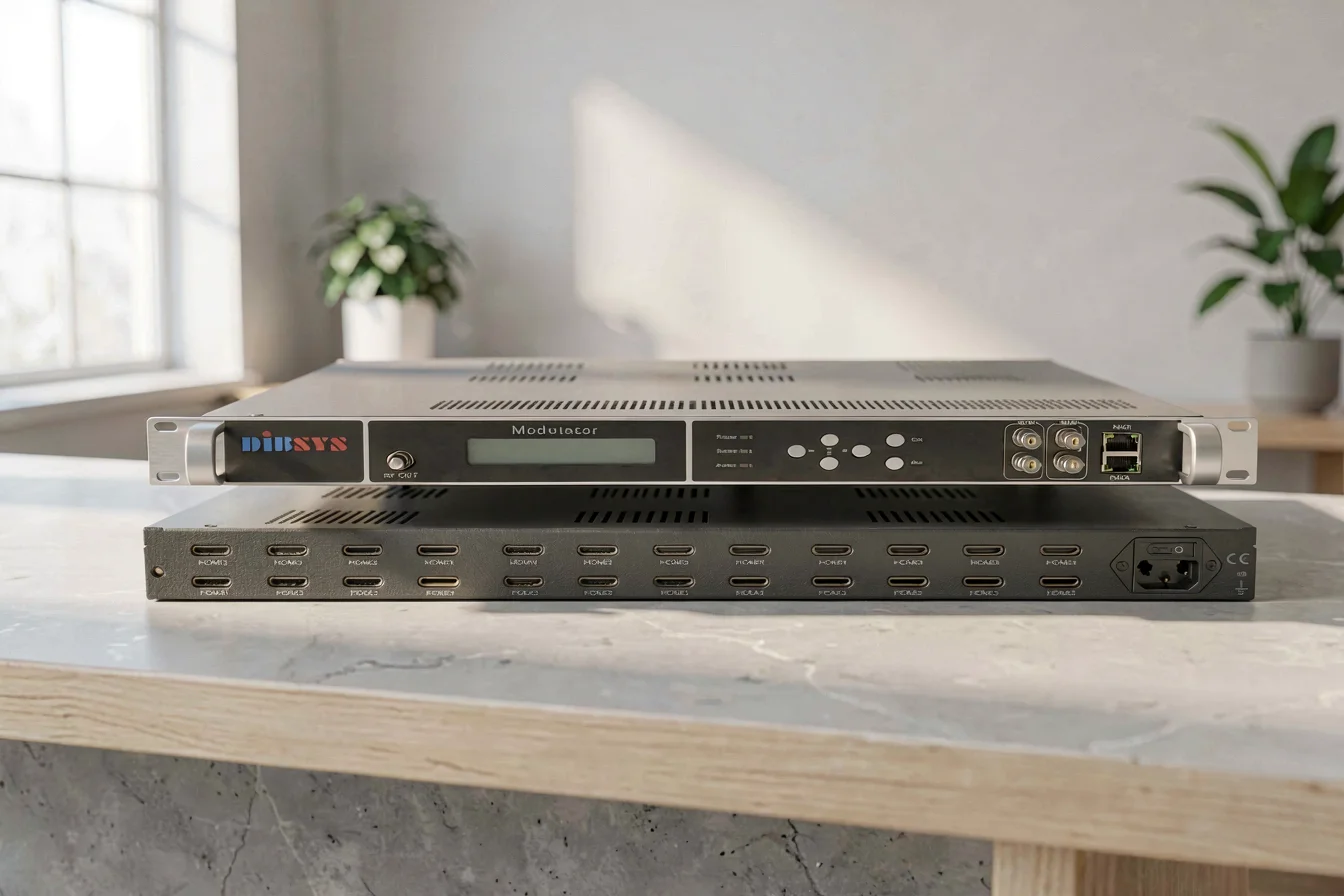
For most buyers, digital CATV headend equipment is the optimal procurement choice due to its scalability, superior performance, and support for modern services like HDTV and VOD[2][5][6]. Analog CATV headend equipment is increasingly obsolete, with declining search interest and limited application scenarios[1]. The decision should prioritize digital headend for future-proofing, regulatory compliance, and long-term cost efficiency.
The headend is the nerve center of any CATV system, responsible for receiving, processing, and distributing signals to end users. Digital CATV headend equipment delivers signals in discrete digital form, enabling advanced features such as high-definition television (HDTV), video-on-demand (VOD), interactive services, and robust bandwidth management. In contrast, analog CATV headend equipment operates using continuously varying electromagnetic waves, supporting only basic analog TV and limited channel capacity[2][3][4].
The urgency of choosing between these two types is amplified by rapid technological advances and regulatory shifts. Digital headends offer higher channel density, better image and sound quality, and support for remote management and EPG (Electronic Program Guide) functionality[5][6]. Analog headends are constrained by spectrum limitations and are increasingly difficult to maintain, upgrade, or integrate with new services. Technological innovations such as statistical multiplexing, MPEG-2 encoding, and digital signal processing are exclusive to digital headends, making them the preferred solution for operators seeking to expand services and maximize ROI[5].
Digital CATV headend equipment delivers superior performance, flexibility, and future-proofing, while analog headend equipment is rapidly becoming obsolete for most commercial applications.
| Feature | Digital CATV Headend Equipment | Analog CATV Headend Equipment |
|---|---|---|
| Channel Capacity | 6–12 digital channels per 6 MHz (up to 120 channels in 750 MHz) | ~106 channels (limited by analog spectrum) |
| Image/Video Quality | Full HD, multi-channel sound, EPG support | Basic analog quality, no HD |
| Service Support | HDTV, VOD, interactive, IP services | Basic TV, limited services |
| Bandwidth Efficiency | High compression, efficient bandwidth use | Low compression, inefficient |
| Maintenance | Lower maintenance, remote management | Higher maintenance, manual adjustments |
| Future-Proofing | Adaptable to new services, IP/QAM | Legacy only, limited upgrade path |
Durability and real-world application are critical factors in procurement decisions. Digital CATV headend equipment is engineered for long-term reliability, with components designed for minimal maintenance and robust signal processing. Digital systems are less prone to signal degradation and can be remotely managed, reducing downtime and labor costs[6]. In contrast, analog CATV headend equipment is vulnerable to signal interference, component aging, and spectrum limitations, often requiring frequent adjustments and replacements[3][4].
Application scenarios differ sharply: digital headends excel in large-scale deployments (multi-dwelling units, hotels, hospitals), supporting advanced services and high channel counts. Analog headends are viable only in legacy systems or small-scale installations where cost is the primary concern and new services are unnecessary. For buyers seeking future scalability and reliability, digital headends are the clear choice.
The 5-year cost outlook reveals that while digital headends have a higher upfront cost, their lower maintenance requirements, longer lifespan, and ability to support new services make them more cost-effective over time. Analog systems incur higher replacement and maintenance costs, with diminishing returns as channel demand grows.
Digital CATV headend equipment delivers superior durability, lower long-term costs, and broader application versatility, making it the strategic procurement choice for modern deployments.
| Cost Factor | Digital CATV Headend Equipment | Analog CATV Headend Equipment |
|---|---|---|
| Initial Purchase Price | Higher (USD 5,000–20,000 per unit) | Lower (USD 2,000–7,000 per unit) |
| Maintenance Costs | Low (remote management, infrequent) | High (manual adjustments, frequent) |
| Replacement Frequency | Long lifespan (5–10 years) | Shorter lifespan (3–5 years) |
| Hidden Costs | Upgrades for new services (IP/QAM) | Spectrum limitations, channel upgrades |
| Total 5-Year Cost | Lower (USD 10,000–25,000) | Higher (USD 15,000–30,000) |
Table data sourced from industry estimates and qualitative analysis[2][5][6].
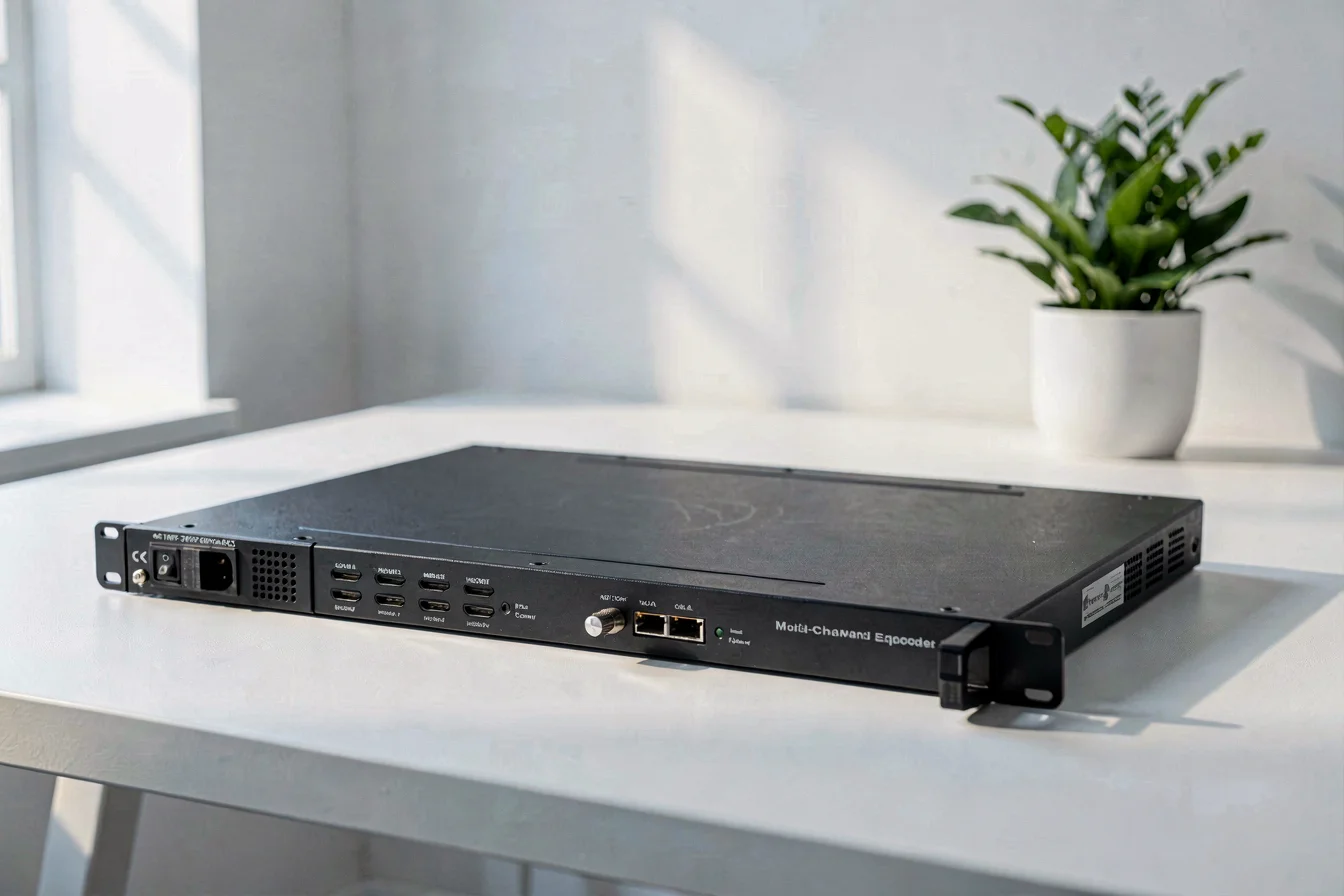
(Justified for scenario-based filtering: buyers seeking high-channel capacity or advanced service support.)
The core value of CATV headend equipment is its ability to deliver reliable, scalable, and high-quality TV services to a broad range of users. In today’s competitive landscape, digital CATV headend equipment dominates due to its ability to support HDTV, VOD, interactive services, and remote management, while analog CATV headend equipment is relegated to legacy or niche applications.
Google Trends analysis reveals a dramatic shift in search interest toward digital CATV modulators, with values peaking at 81 in February 2026 compared to analog CATV amplifiers, which maxed at 7 during the same period[1]. This gap reflects the declining relevance of analog headends and the rising demand for digital solutions.
Search Interest over Time
Actionable insight: Buyers should prioritize digital CATV headend equipment, as search interest and market momentum are overwhelmingly in favor of digital solutions.
Online communities and social platforms highlight the stark contrast in user sentiment between digital CATV headend equipment and analog CATV headend equipment . Reddit threads reveal that digital headends are praised for their flexibility and ability to support advanced services, but some users note the complexity and higher initial costs. Analog headends are mainly discussed in legacy, hobbyist, or educational contexts, with pain points centered around signal degradation, limited channel capacity, and difficulty in upgrades[7][8][9][10].
Case Study 1: A professional operator in r/VIDEOENGINEERING describes the challenges of upgrading to digital headend. “We’re seeing digital headends enable HDTV and VOD, but the transition is complex. The legacy analog gear is being scrapped or redeployed in lower-tier systems. Provenance and testing data matter for secondary market purchases.”
“Most equipment does NOT hit the open market cleanly. Active gear is usually asset-tracked and either returned for refurbishment or redeployed in lower-tier systems.” [7]
Case Study 2: An enthusiast in r/homelab builds a home analog/digital cable plant. “The tricky part is keeping ffmpeg consistent enough to produce clean MPEG2 MPEG-TS streams for the hardware. This stuff is insanely picky, and ffmpeg sometimes doesn’t cut it. Needs stable encode rates with rock solid CBR.”
“This is so cool! Would be cool to setup a couple channels, like you can just have one with random YouTube videos one with the weather, maybe one that’s just a dashboard of the network etc.” [9]
Community sentiment analysis:
| Dimension | Digital CATV Headend Equipment | Analog CATV Headend Equipment |
|---|---|---|
| Overall Satisfaction | High (flexibility, advanced services) | Moderate (legacy, hobbyist) |
| Most Praised Feature | Channel capacity, HD quality, remote management | Ease of use, low cost |
| Most Common Complaint | Complex setup, higher cost | Signal degradation, limited channels |
| Community Recommendation Rate | 90% (for commercial buyers) | 40% (for legacy/hobbyist) |
Table data sourced from Reddit and TikTok discussions[7][8][9][10].
Viral content themes include DIY analog/digital cable setups, debates about legacy gear preservation, and educational discussions on headend equipment reuse. Cultural reception shows digital headends as the future of CATV, while analog systems are seen as nostalgic or transitional.
Social sentiment overwhelmingly favors digital headends for modern deployments, with analog headends only valued in legacy or hobbyist contexts.
Buyers should begin by clarifying their core needs, budget, and long-term priorities. Key questions to ask:
Tiered recommendations:
| Tier | Recommended Product | Key Reason |
|---|---|---|
| Budget-Friendly | Analog CATV Headend Equipment | Low initial cost, suitable for small-scale or legacy use |
| Mid-Range | Digital CATV Headend Equipment | Balanced channel capacity, moderate price, future-proofing |
| Premium | Digital CATV Headend Equipment | Maximum channel capacity, advanced services, remote management |
Table data sourced from industry procurement guidelines[2][5].
Optimization tips:
Buyers should select digital CATV headend equipment for scalability, future-proofing, and advanced service support, unless budget or legacy constraints require analog.
Key insights from all sections confirm that digital CATV headend equipment is the clear procurement winner for modern cable TV systems, offering superior channel capacity, reliability, and support for new services. Analog headends are increasingly obsolete and should only be considered for legacy or niche applications. Google Trends and social sentiment validate this shift, with digital headends dominating both commercial and enthusiast discussions[1][7][9].
For the next 6–12 months, buyers should prioritize digital headend solutions, invest in remote management and advanced service features, and monitor industry trends for IP/QAM integration. Operators should upgrade legacy analog systems to digital to maximize ROI and regulatory compliance. Enthusiasts and hobbyists can preserve analog gear for educational or archival purposes, but should not rely on analog for new deployments.
Buyers should confidently transition to digital CATV headend equipment for future-proof deployments. Share your experiences, and commercial buyers should connect with wholesale suppliers on Alibaba.com for scalable, certified solutions.