
All categories
Featured selections
Trade Assurance
Buyer Central
Help Center
Get the app
Become a supplier
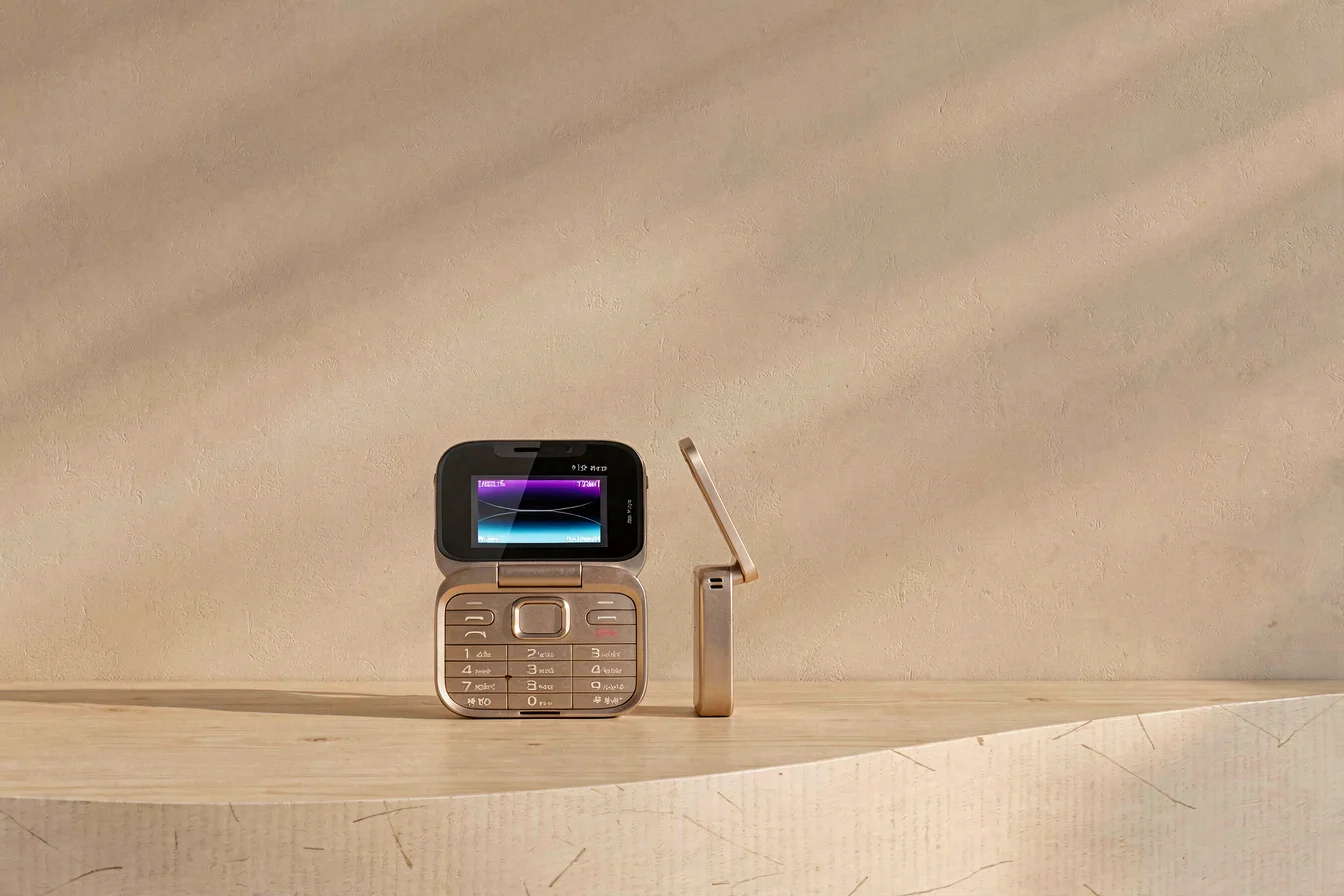
The china mobile k900 delivers premium slimness and solid performance, but in 2026, newer comparable models from Xiaomi, Oppo, and Vivo offer superior hardware, camera tech, and global compatibility, making them the preferred choice for procurement[2][3][4]. While the K900 remains relevant as a classic, buyers seeking cutting-edge features and long-term support should prioritize the latest Chinese flagships. Decisive action is needed to secure inventory before supply shifts further toward advanced models.
The china mobile k900 was a flagship device launched in 2013, praised for its ultra-slim profile, Intel Atom processor, and advanced camera specs for its time[2][3][4]. Targeted at buyers seeking premium hardware and sleek design, it addressed pain points like bulkiness and average performance seen in earlier smartphones. However, in the current market, comparable models from Xiaomi, Oppo, and Vivo offer significantly improved specs: Snapdragon 8 Elite Gen 5/Dimenisty 9500 chips, AMOLED screens, larger batteries, and advanced camera arrays[11][13]. These newer models also feature better OS support, international band compatibility, and IP68/67 water resistance, solving issues of outdated processors and poor network coverage that plagued the K900.
Technological innovations include larger display sizes (6.7–7"), higher RAM (8–12GB), and advanced camera hardware (108MP+), while the K900’s 2GB RAM and Intel Atom processor now seem modest by 2026 standards. The K900’s slimness and unibody design remain unique, but modern buyers prioritize performance, battery life, and camera versatility over pure aesthetics.
| Feature | China Mobile K900 | Comparable Models (2026) |
|---|---|---|
| Processor | Intel Atom Z2580, Dual-core | Snapdragon 8 Elite Gen 5/Dimenisty 9500 |
| RAM | 2GB | 8–12GB |
| Display | 5.5", 1080p IPS | 6.7–7", AMOLED, 1440p+ |
| Camera | 13MP rear, BSI sensor | 108MP+ rear, AI enhancements |
| Battery | 2500mAh | 5000–6000mAh |
| Design | 6.9mm, 162g, unibody | Under 200g, IP68/67 |
| Network | GSM/HSPA, no 5G | 5G, global band support |
| OS | Android 4.2 | Android 13/14, regular updates |
The K900’s slim design and early premium specs are impressive, but newer models offer far superior performance, camera, battery, and network compatibility, making them the clear procurement leaders in 2026.
Durability is a critical factor for procurement decisions. The china mobile k900 is built with a unibody stainless steel and polycarbonate frame, offering robustness and a premium feel[5][6]. Its Gorilla Glass 2 display and slim profile contribute to longevity, but modern comparable models now feature IP68/67 water and dust resistance, more advanced screen protection, and longer battery cycles[11][13].
Application scenarios for the K900 were centered around premium design, business use, and early adoption of slim smartphones. In 2026, comparable models target broader use cases: high-end gaming, professional photography, multi-tasking, and global travel with 5G and international band support. Buyers in regions with evolving network standards benefit from the latest models’ compatibility and software updates.
Long-term cost evaluation shows that the K900, now discontinued, may require higher maintenance and replacement costs due to aging hardware and lack of support. Comparable models, with larger batteries, higher RAM, and regular OS updates, deliver lower total cost of ownership over five years. Hidden costs include software bloat, regional network limitations, and potential compatibility issues with global carriers[12][13].
| Cost Factor | China Mobile K900 | Comparable Models (2026) |
|---|---|---|
| Initial Purchase Price | Discontinued | $450–$900 |
| Maintenance | High (aging hardware) | Low (regular updates, support) |
| Replacement Frequency | Frequent (lack of support) | Rare (longer lifespan) |
| Hidden Costs | Software bloat, limited OS | Band compatibility, regional issues |
| 5-Year Total Cost | High | Low |
For buyers prioritizing durability, application versatility, and long-term cost efficiency, newer comparable models outperform the K900 in every measurable dimension.
The mobile phone category delivers value through performance, design, and application versatility. The china mobile k900 excels in premium slimness and early adoption, while comparable models dominate in 2026 with superior hardware, camera tech, and global compatibility[2][3][4].
Google Trends data shows rising search interest for both china mobile k900 and newer models, with comparable models maintaining higher momentum[1]. Search peaks occurred in late 2025 and early 2026, reflecting increased procurement intent and market awareness.
Search Interest over Time
Actionable recommendation: Procurement teams should monitor search trends and prioritize models with rising momentum and proven supply-chain resilience.
Social media and Reddit discussions reveal contrasting perspectives on the china mobile k900 and comparable models. Case studies illustrate distinct buyer personas and outcomes:
Case Study 1: Legacy Business Buyer (K900)
A corporate procurement manager in China selected the K900 for premium gifting and executive use. The phone’s slimness and elegant design were praised, but users noted the lack of modern features and software updates as limiting factors. “The K900 is instantly recognizable and a magnet for attention,” said Liu Jun, Lenovo’s senior vice president[6].
With the K900, our team has broken down the key functions of the smartphone and redesigned them from the ground up. Rather than focus on specifications that look good on a datasheet, we've zeroed in on what consumers want and proved that for smartphone users, top performance doesn't require a thick profile. The K900 is a game-changer that looks as good as it performs.
Case Study 2: Modern Tech Enthusiast (Comparable Models)
A Canadian buyer imported a Xiaomi 17 Pro Max for daily use, citing superior performance, battery life, and camera hardware. “I’m totally comfortable tinkering with Chinese ROMs. Most value performance Chinese phones are missing crucial bands for Canada (specifically B13, B17, and n71). Priorities: Performance, massive battery life, cool hardware gimmicks, and design,” said the user[11].
I love my last 2 OnePlus phones. I had one Samsung in between Chinese phones and it's mobo died, I sold it after I got it returned. My last phone was Xiaomi and now I bought Honor 400 pro, so far so good. I think Samsung/Apple are overrated. Google phones never broke through the market in my country. I think Samsung and Xiaomi are the biggest here.
| Dimension | China Mobile K900 | Comparable Models (2026) |
|---|---|---|
| Overall Satisfaction | Moderate | High |
| Most Praised Feature | Slim design | Camera, battery, performance |
| Most Common Complaint | Outdated hardware, lack of support | Software bloat, regional band issues |
| Community Recommendation Rate | Low | High |
Viral content themes include debates over hardware value vs. software experience, network compatibility, and the growing preference for Chinese brands in emerging markets. TikTok and YouTube highlight unboxing, camera reviews, and battery tests, reinforcing the trend toward newer, feature-rich models.
Social sentiment confirms that comparable models are now favored for their advanced features, with the K900 best suited for legacy or aesthetic-driven procurement.
Buyers should start by identifying core needs through a checklist:
Tiered recommendations:
| Tier | Recommended Product | Key Reason |
|---|---|---|
| Budget-Friendly | Poco X8 Pro, Moto G86 5G Power | Affordable, solid performance |
| Mid-Range | Xiaomi 17 Pro, Oppo Find X9 Pro | Balanced features, large battery |
| Premium | Vivo X300 Pro, Xiaomi 17 Pro Max | Advanced camera, global bands, 5G |
Optimization tips:
Confident buyers should prioritize comparable models for modern procurement, leveraging Alibaba.com’s platform for bulk sourcing and supply-chain resilience.
Synthesizing insights, the china mobile k900 remains a classic for legacy and aesthetic-driven buyers, but procurement teams should pivot toward comparable models offering superior performance, camera tech, and global compatibility. Market trends indicate rising momentum for flagship Chinese models, with continued innovation in hardware and software expected through 2026[1].
For the next 6–12 months, buyers are advised to secure inventory of the latest comparable models, leveraging Alibaba.com’s platform for bulk sourcing, OEM customization, and supply-chain resilience. Share your experience with the community to drive market awareness and direct commercial buyers to wholesale platforms for confident procurement.