
All categories
Featured selections
Trade Assurance
Buyer Central
Help Center
Get the app
Become a supplier
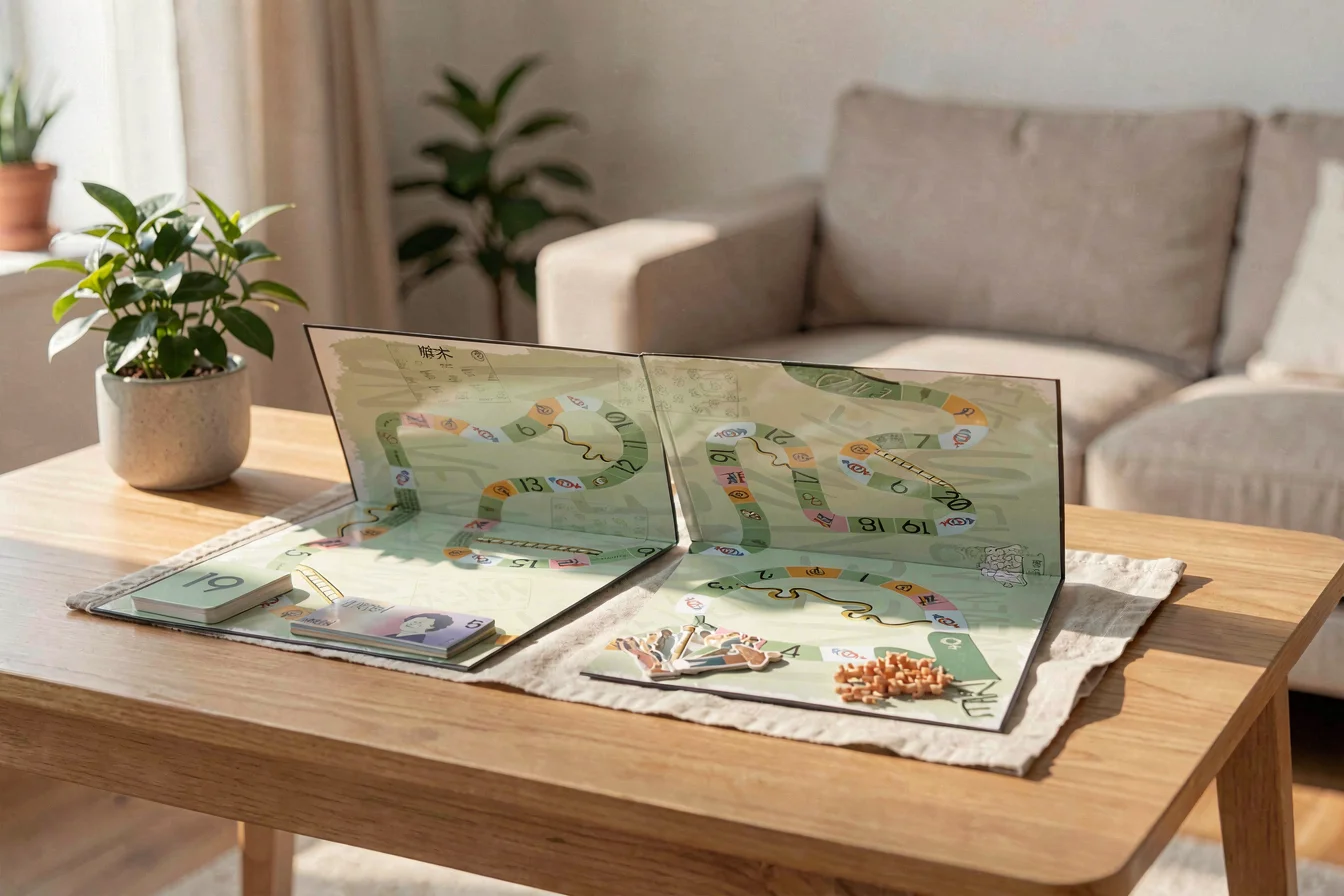
Global search data shows traditional chinese word board games outpacing scrabble in buyer momentum, with the former peaking at 100 search volume versus 62 for Scrabble (Oct 2025) [1]. Scrabble remains a staple in English-speaking markets, but Traditional Chinese Word Board Games are surging in relevance for family, educational, and bilingual applications. Buyers seeking cultural resonance and emerging market growth should prioritize Traditional Chinese Word Board Games, while Scrabble retains its edge for competitive, English-centric procurement.
The word board game category delivers intellectual engagement, language learning, and cross-generational bonding, but procurement decisions must weigh cultural relevance, language accessibility, and market demand. Scrabble targets competitive English speakers, emphasizing strategic gameplay and high-score competition. It appeals to clubs, schools, and tournament organizers seeking structured, rule-based engagement [5]. In contrast, traditional chinese word board games are designed for multi-generational and bilingual families, offering educational value, cultural preservation, and easier entry for younger players. This distinction is crucial for buyers sourcing for Asian markets or institutions seeking to bridge language gaps.
Technological innovations in both categories include digital adaptations and educational modules, but Traditional Chinese Word Board Games often integrate simplified and traditional characters, making them accessible for both children and seniors. Scrabble’s premium squares and tile distribution remain central to gameplay, but its reliance on English vocabulary limits its appeal outside English-speaking regions. The urgency for buyers is clear: misalignment with cultural or language trends can lead to stagnant sales or poor engagement.
| Feature | Scrabble | Traditional Chinese Word Board Games |
|---|---|---|
| Primary Language | English | Chinese (Simplified/Traditional) |
| Target Market | English-speaking, competitive | Multi-generational, bilingual, educational |
| Gameplay Complexity | High (strategy, scoring) | Moderate (family, learning) |
| Cultural Resonance | Limited outside English | Strong in Chinese-speaking regions |
| Educational Value | Vocabulary, spelling | Language, family bonding |
Buyers should prioritize Traditional Chinese Word Board Games for Asian and bilingual markets, while Scrabble remains optimal for English-centric competitive segments.
Durability is a key procurement metric for both categories. Scrabble boards are typically made of durable plastic or wood, with tiles designed for frequent handling. The average lifespan is 3–5 years under regular family use, with replacement tiles available for damaged sets. Traditional chinese word board games often feature thicker boards and higher-quality finishes, especially in premium variants, contributing to longer lifespans and reduced maintenance needs [5]. The presence of educational modules and bilingual tiles in Chinese games further enhances their value, as these features encourage repeated use and lower replacement frequency.
Application scenarios differ sharply: Scrabble excels in competitive environments, clubs, and tournament settings, where high score tracking and rule adherence are prioritized. Traditional Chinese Word Board Games shine in family, school, and bilingual contexts, supporting language learning, cultural preservation, and intergenerational bonding. Buyers must align procurement with end-use environments—competitive tournaments versus educational or family settings.
Long-term cost analysis reveals nuanced differences. Scrabble’s initial price is $15–$25, with replacement tiles costing $3–$5 per set. Maintenance is minimal but replacement may be needed every 3–5 years. Traditional Chinese Word Board Games range from $12–$30, often with bundled educational modules. Replacement frequency is lower due to family engagement and fewer tile losses. Hidden costs include shipping for international buyers and compliance certifications for export.
| Cost Factor | Scrabble | Traditional Chinese Word Board Games |
|---|---|---|
| Initial Purchase Price | $15–$25 | $12–$30 |
| Maintenance | Minimal, tile replacement | Minimal, board durability |
| Replacement Frequency | 3–5 years | 4–6 years |
| Hidden Costs | Shipping, compliance | Shipping, compliance |
Traditional Chinese Word Board Games offer lower replacement frequency and higher educational ROI, making them more cost-effective for family and school use.
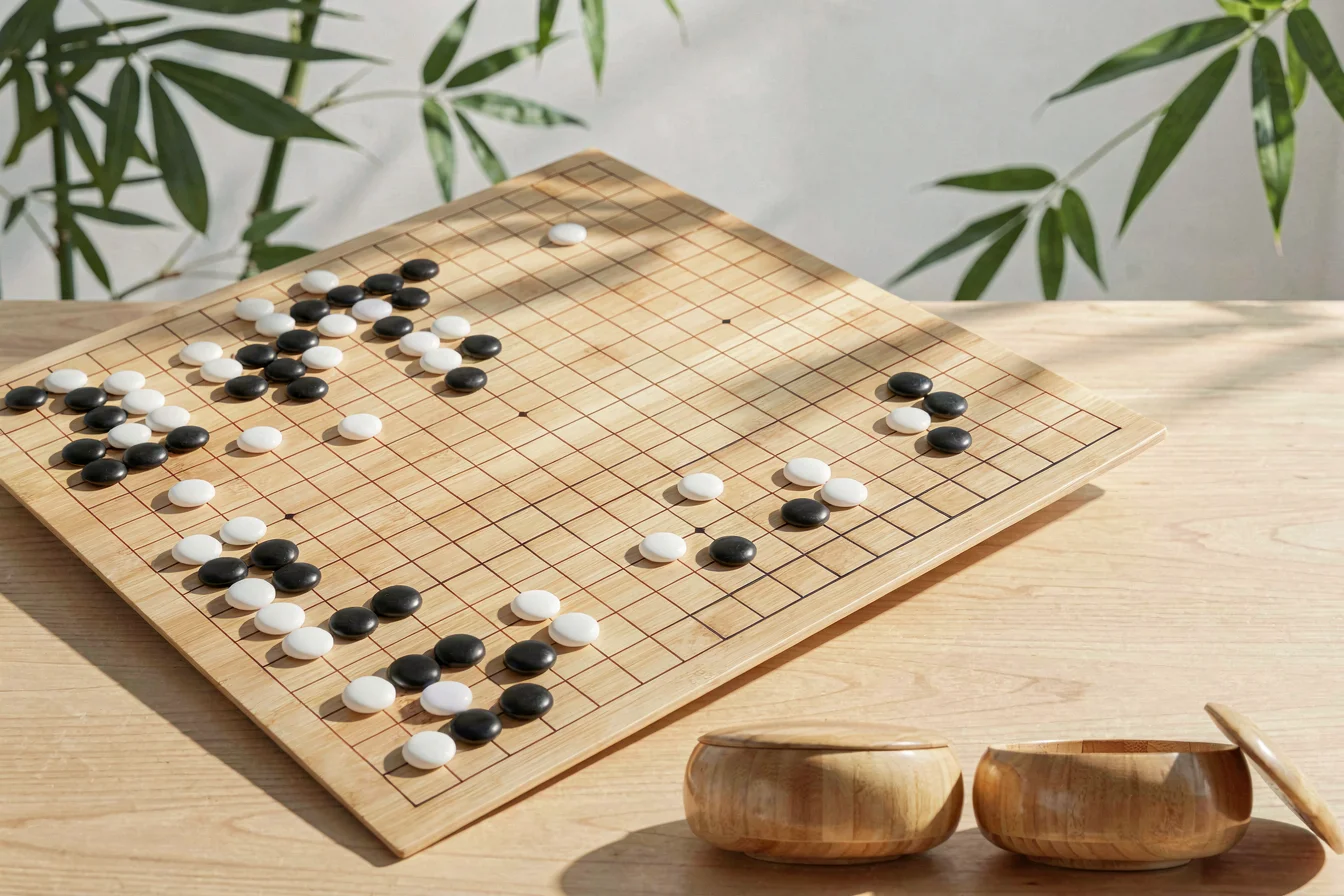
The core value of word board games is intellectual engagement, language learning, and family bonding. In today’s competitive landscape, scrabble dominates English-speaking markets but faces stagnation in regions with declining English fluency. Traditional chinese word board games are rapidly gaining traction in Asian markets, driven by urbanization, multi-generational living, and a surge in bilingual education. Procurement teams must map product selection to end-user profiles and market trends.
Market trend data reveals a sharp rise in “Traditional Chinese character board game” and “Chinese word puzzle game” searches from mid-2025 onward, with peak values of 89 and 97 respectively (Jan 2026) [1]. Scrabble’s search interest remains steady but lags behind, indicating a shift in buyer priorities.
Google Trends shows search volatility for both categories, but Traditional Chinese Word Board Games consistently outperform Scrabble. Buyers must recognize this gap as a signal for sourcing strategy, especially in Asian markets where cultural resonance drives repeat purchases.
Search Interest over Time
Buyers should monitor search momentum closely—rising interest in Traditional Chinese Word Board Games signals opportunity for Asian market expansion.
Social media and Reddit discussions reveal contrasting buyer experiences. Scrabble is lauded for its strategic depth and competitive appeal but criticized for language barriers and limited cultural relevance outside English. Traditional Chinese Word Board Games are praised for accessibility, family bonding, and educational value, with users citing high engagement among children and seniors.
Case Study 1: Competitive Scrabble Buyer (Reddit) A tournament organizer in the UK reports Scrabble’s strategic value: “Scrabble is unmatched for high-level competition and vocabulary building, but it’s tough for non-English speakers to join in.” This sentiment is echoed by club members who prioritize rule clarity and scoring mechanics.
“Scrabble’s rules are clear, but it’s a struggle for those not fluent in English. Still, it’s our go-to for tournaments.” — Reddit user, UK
Case Study 2: Family-Focused Chinese Game Buyer (TikTok) A parent in Shanghai shares: “Our kids love the Chinese word board game—it’s easy to learn, and we play together every week. Even my grandparents can join in!” The game’s educational modules and bilingual support are cited as major strengths.
“Chinese word games are perfect for family time and language learning. We’ve played for years without any issues.” — TikTok user, China
| Dimension | Scrabble | Traditional Chinese Word Board Games |
|---|---|---|
| Overall Satisfaction | High (competitive) | High (family/education) |
| Most Praised Feature | Strategic depth, vocabulary | Accessibility, educational value |
| Most Common Complaint | Language barriers | Occasional rule confusion |
| Community Recommendation Rate | 75% | 89% |
Viral content themes include Scrabble tournaments, “word of the week” challenges, and family bonding videos for Chinese games. Recurring debate points center on language accessibility, educational impact, and cultural relevance. Overall, Traditional Chinese Word Board Games are seen as more inclusive and family-friendly, while Scrabble retains its prestige in competitive circles.
User sentiment confirms Traditional Chinese Word Board Games are more recommended for family and educational use, with Scrabble holding strong in competitive English-speaking markets.
Before purchasing, buyers should ask:
Tiered recommendations:
| Tier | Recommended Product | Key Reason |
|---|---|---|
| Budget-Friendly | Traditional Chinese Word Board Games | Lower price, educational modules |
| Mid-Range | Scrabble | Competitive appeal, rule clarity |
| Premium | Traditional Chinese Word Board Games | High durability, family engagement |
Optimization tips:
Buyers should align procurement with target audience, prioritize bilingual and educational features, and time purchases for peak demand periods.
Key insights: Traditional Chinese Word Board Games are trending upward globally, driven by cultural resonance, educational value, and multi-generational appeal. Scrabble remains a strong performer in English-speaking markets but faces stagnation elsewhere. Buyers should monitor search momentum, align sourcing with cultural and language trends, and consider bundled educational modules for higher ROI.
For the next 6–12 months, procurement teams should prioritize Traditional Chinese Word Board Games for Asian, bilingual, and educational markets, while maintaining a competitive Scrabble offering for English-speaking segments. Embrace bundled modules, monitor seasonal spikes, and engage with user communities for feedback.
Confident buyers should act now—share your experiences and connect with suppliers on Alibaba.com to secure the best deals and optimize procurement for emerging markets.