
All categories
Featured selections
Trade Assurance
Buyer Central
Help Center
Get the app
Become a supplier
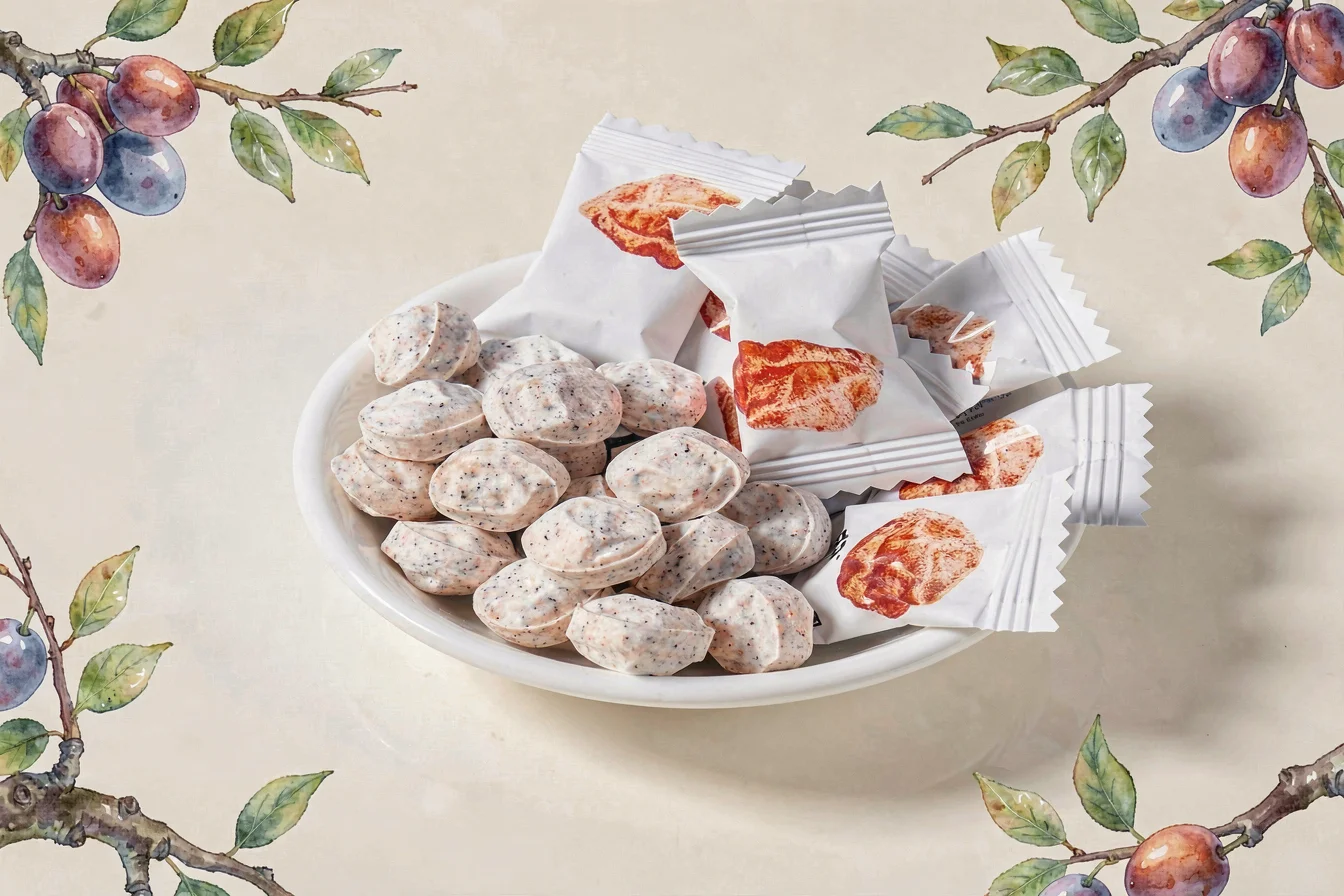
Chinese plum candy distinguishes itself with a signature sweet-salty-sour flavor and deep-rooted cultural resonance, offering a unique nostalgic experience for buyers seeking authenticity and trend-driven snacks. While other traditional Asian fruit candies provide regional diversity and broad flavor options, Chinese plum candy is currently surging in global search interest, especially in early 2026, signaling strong demand and procurement viability [1]. For buyers, choosing chinese plum candy over other traditional asian fruit candies is ideal for capturing trend-driven, culturally resonant, and high-sentiment snack markets.
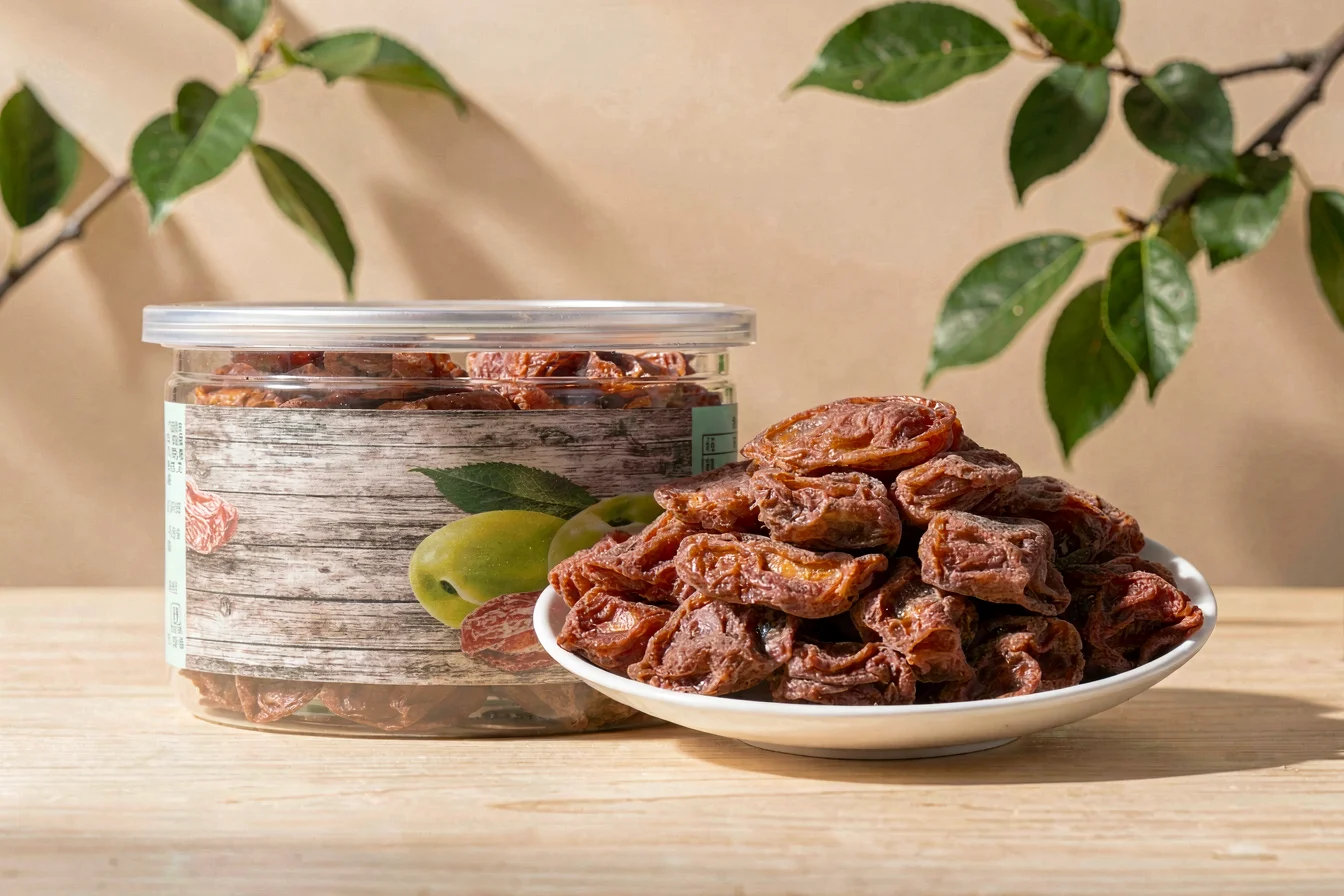
Both chinese plum candy and other traditional asian fruit candies deliver the value of authentic, regionally inspired flavor profiles, nostalgia, and convenience for B2C and B2B buyers. However, chinese plum candy stands out for its distinctive sweet-salty-sour taste, preserved texture, and strong cultural association, especially in Chinese and Hong Kong snack traditions [2][5]. Other Asian fruit candies, such as dried lychee, dried mango, or candied hawthorn, offer broader flavor diversity but often lack the intense flavor punch and cultural legacy that chinese plum candy provides.
The procurement dilemma centers on balancing flavor uniqueness, packaging convenience, and authenticity against broader flavor variety and market accessibility. Chinese plum candy excels in creating a “pucker-inducing” flavor experience, often described as addictive and nostalgic, appealing to both children and adults. In contrast, other traditional Asian fruit candies are valued for their versatility, ranging from sweet to tart, and are often used in both snacks and desserts.
Technological innovations in chinese plum candy include advanced preservation methods, resealable packaging, and vegan/sugar-free variants, while other traditional Asian fruit candies increasingly offer organic, gluten-free, and specialty flavor options. The urgency in procurement is driven by rising global search interest and the need for products that deliver both authenticity and trend appeal.
| Feature | Chinese Plum Candy | Other Traditional Asian Fruit Candies |
|---|---|---|
| Flavor Profile | Sweet-salty-sour, intense, “pucker-inducing” | Sweet, tart, varied, regional |
| Cultural Resonance | Strong Chinese/Hong Kong heritage | Broad Asian diversity, less specific |
| Packaging | Resealable, individually wrapped | Bulk, individually wrapped, sometimes loose |
| Innovation | Vegan/sugar-free, advanced preservation | Organic, gluten-free, specialty flavors |
| Procurement Appeal | Nostalgic, trend-driven, high demand | Versatile, accessible, broad market |
Chinese plum candy’s flavor uniqueness and cultural legacy make it a strategic procurement choice for buyers targeting both nostalgia and trend-driven snack markets.
Durability for chinese plum candy is defined by its preserved texture and resealable packaging, ensuring freshness for extended shelf life—often 6–12 months, depending on storage conditions [2]. Its flavor remains consistent, and the preserved nature means it resists spoilage better than fresh fruit snacks. In contrast, other traditional asian fruit candies —such as dried lychee or candied hawthorn—have varying durability, with some retaining freshness for 3–6 months, depending on moisture content and packaging.
Application scenarios for chinese plum candy include on-the-go snacking, party sharing, and as a nostalgic treat for multi-generational buyers, while other traditional asian fruit candies are often used in desserts, tea pairings, and as flavor enhancers for savory dishes [6][7]. Buyers should consider environmental conditions (humidity, temperature) and packaging integrity when evaluating durability.
Long-term cost outlook shows that chinese plum candy has a slightly higher upfront price but lower replacement frequency due to its longer shelf life and preserved nature. Other Asian fruit candies may require more frequent restocking and are more sensitive to spoilage, leading to higher replacement costs over time.
| Cost Factor | Chinese Plum Candy | Other Traditional Asian Fruit Candies |
|---|---|---|
| Initial Price | $5–$14 retail; $2–$6 wholesale | $2–$10 retail; $1–$5 wholesale |
| Shelf Life | 6–12 months | 3–6 months |
| Replacement Frequency | Low (due to preserved nature) | Moderate–high (depending on freshness) |
| Maintenance | Minimal (resealable packaging) | Moderate (bulk, loose packaging) |
| Hidden Costs | Low (long shelf life, minimal waste) | Moderate (spoilage, frequent restocking) |
Chinese plum candy offers superior durability and lower replacement costs, making it a cost-effective choice for buyers seeking long-term value and minimal maintenance.
Both chinese plum candy and other traditional asian fruit candies deliver value in snack and dessert markets, but their application scenarios differ. Chinese plum candy excels in nostalgia-driven, trend-focused contexts, while other Asian fruit candies are favored for their versatility and regional flavor diversity.
Market trend data shows urbanization and multi-generational living are driving demand for nostalgic snacks, while e-commerce expansion supports broader flavor variety and regional diversity. Buyers should consider dual-market relevance—both B2C lifestyle contexts and B2B commercial applications.
Google Trends data reveals a significant surge in global search interest for chinese plum candy in early 2026, peaking at a normalized value of 82, compared to 57 for “dried Asian fruit candies” and 36 for “preserved fruit snacks” [1]. This indicates strong buyer intent and growing demand for chinese plum candy over other traditional Asian fruit candies.
Search Interest over Time
The surge in search interest for Chinese plum candy suggests buyers are actively seeking unique, trend-driven products, making it a strategic procurement opportunity for wholesalers and retailers.
Reddit and TikTok discussions highlight nostalgia, flavor complexity, and occasional confusion with other candies. Buyers often describe chinese plum candy as “addictive,” “pucker-inducing,” and “nostalgic,” with strong sentiment for its sweet-salty-sour flavor [9][10]. Other traditional Asian fruit candies are valued for their versatility and regional flavor diversity, but sometimes lack the intense flavor punch and cultural legacy.
Case Study 1: A Reddit user recalls their grandmother offering chinese plum candy as a treat, describing it as “almost like gum, sucking and chewing on them for a long time.” The user notes, “I loved them so much that I'd almost forget about the chocolate I'd been craving.” This illustrates the nostalgic appeal and flavor intensity that drives buyer sentiment [5].
Case Study 2: A TikTok user reviews a variety pack of other traditional asian fruit candies , emphasizing the “wide range of flavors” and “convenience for on-the-go snacking.” However, they note, “I never knew what they were called, but I love how sweet and bubblegum-y they smell!” This reflects the broad appeal and confusion among buyers, especially in cross-cultural markets [9][12].
“I grew up eating these but never knew what they were called. I love how sweet and bubblegum-y they smell!” [9]
“Chinese candy? Rather uncommon. Only Chinese candy I've personally had is White Rabbit candy, which I quite like, but can only find in specialty, artsy stores.” [10]
| Dimension | Chinese Plum Candy | Other Traditional Asian Fruit Candies |
|---|---|---|
| Overall Satisfaction | High (nostalgic, addictive) | Moderate–high (versatile, accessible) |
| Most Praised Feature | Sweet-salty-sour flavor, nostalgia | Flavor variety, convenience |
| Most Common Complaint | Occasional confusion with other candies | Regional flavor confusion, packaging |
| Community Recommendation Rate | High | Moderate |
Viral content themes include nostalgia, flavor experimentation, and confusion between candy types. Cultural reception is positive for chinese plum candy , especially among multi-generational buyers, while other traditional asian fruit candies are seen as convenient but less culturally resonant.
Online communities reinforce the nostalgia and flavor intensity of Chinese plum candy, making it a standout choice for buyers seeking authentic, trend-driven snacks.
Buyers should start by asking themselves:
Tiered recommendations:
| Tier | Recommended Product | Key Reason |
|---|---|---|
| Budget-Friendly | Other Traditional Asian Fruit Candies | Lower price, broad flavor variety |
| Mid-Range | Chinese Plum Candy | Nostalgic flavor, moderate price |
| Premium | Chinese Plum Candy (Vegan/Sugar-Free) | Unique flavor, premium certifications |
Optimization tips:
Buyers should prioritize flavor uniqueness and nostalgia for Chinese plum candy, while opting for broad flavor variety and convenience for other traditional Asian fruit candies, depending on their specific needs and priorities.
Key insights from this analysis confirm that chinese plum candy is experiencing strong global search interest and buyer demand, especially in early 2026, making it a strategic procurement opportunity for wholesalers and retailers [1]. Its unique flavor profile, cultural resonance, and long shelf life position it as a trend-driven, nostalgia-rich snack with high consumer and market appeal. Meanwhile, other traditional asian fruit candies continue to offer broad flavor variety and accessibility, but lack the intense flavor punch and cultural legacy of Chinese plum candy.
For the next 6–12 months, buyers should focus on sourcing chinese plum candy with premium certifications and resealable packaging to maximize shelf life and consumer satisfaction. Dual-market strategies—targeting both B2C nostalgia-driven buyers and B2B retail and gifting channels—are recommended for optimal market penetration.
Confident buyers should act now to secure trend-driven, culturally resonant products, share their experiences with other buyers, and leverage wholesale platforms like Alibaba.com for optimal sourcing and supply-chain resilience.