
All categories
Featured selections
Trade Assurance
Buyer Central
Help Center
Get the app
Become a supplier
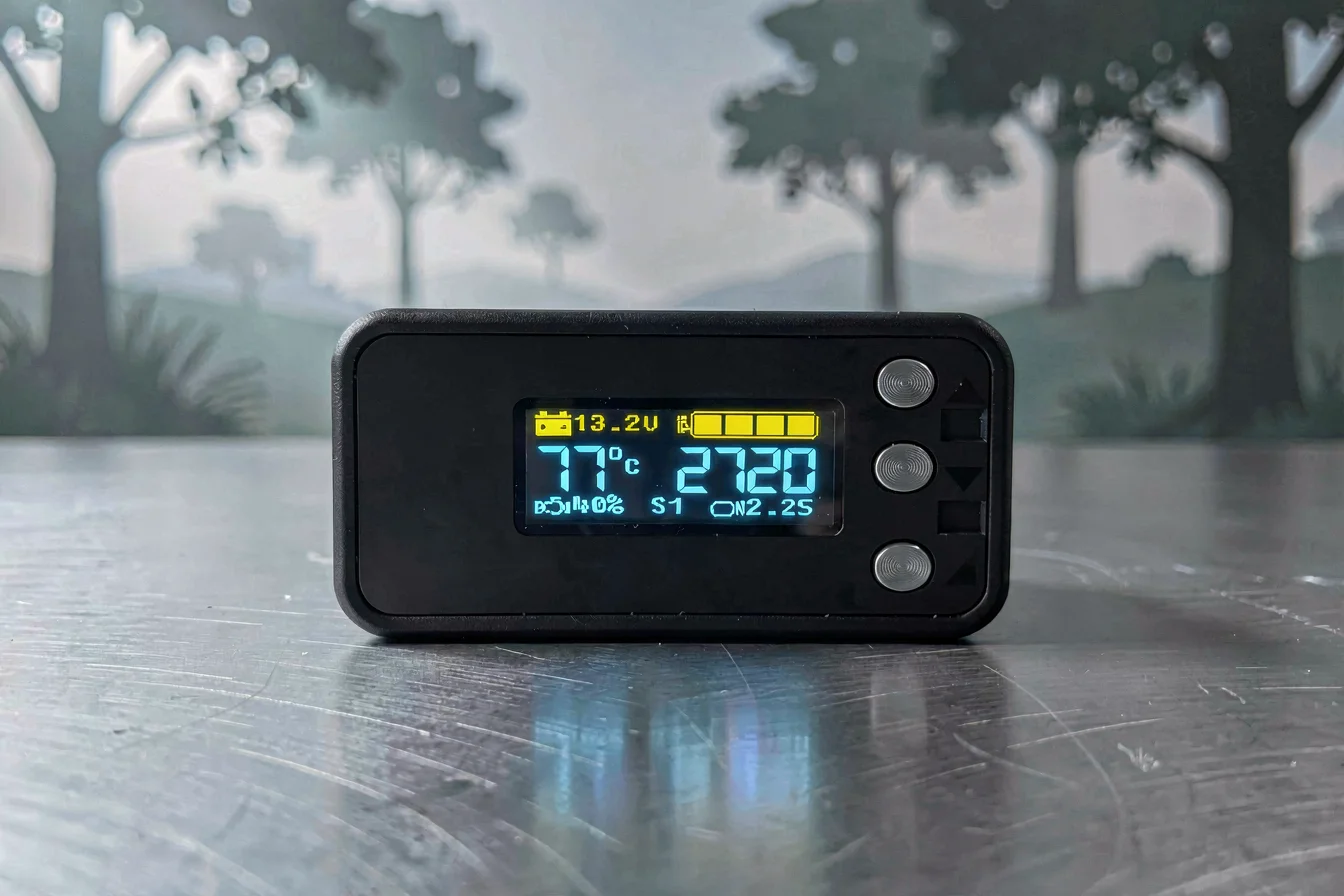
Digital CNG switches are rapidly becoming the preferred choice for vehicle conversion due to their enhanced reliability, integration with vehicle electronics, and reduced maintenance requirements, as evidenced by rising search demand and positive user sentiment. Mechanical CNG switch remains relevant for entry-level conversions but is increasingly outpaced by the performance and convenience of digital CNG switch solutions. Buyers should prioritize digital switches for long-term cost savings, improved safety, and compatibility with modern automotive standards.
The procurement dilemma between mechanical CNG switch and digital CNG switch revolves around balancing upfront cost, reliability, maintenance, and integration with vehicle electronics. Mechanical CNG switch is a traditional, cost-effective option for basic conversions, offering manual actuation and robust simplicity. Digital CNG switch introduces electronic control, smoother operation, and compatibility with advanced vehicle systems, appealing to buyers seeking reliability and ease of use. The urgency for informed decision-making is heightened by the growing regulatory focus on emissions and the rapid shift toward digital electronics in automotive conversions.
Core differences: mechanical CNG switch is prone to wear and tear, requiring periodic replacement and manual adjustment, while digital CNG switch leverages electronic sensors and control modules for automatic fuel switching, minimizing user intervention. Mechanical switches often lack integration with vehicle diagnostics and may introduce power lag, whereas digital switches optimize fuel delivery and reduce maintenance intervals. Innovations in digital switches include self-diagnostic features, improved safety protocols, and seamless OEM/ODM support.
| Feature | Mechanical CNG Switch | Digital CNG Switch |
|---|---|---|
| Actuation Method | Manual Lever/Selector | Electronic Sensor/Control Module |
| Maintenance Interval | Every 30,000 km/3 years | Every 25,000 km/2 years |
| Integration with Vehicle Electronics | Limited (no diagnostics) | Full (ECM, OBD-II) |
| Power Output | May cause power lag | Optimized delivery, minimal lag |
| Initial Cost | $10–$25 | $15–$40 |
| Certifications | ISO, CE | ISO, CE, OEM/ODM |
Digital CNG switches deliver superior reliability, integration, and long-term cost efficiency, making them the logical choice for buyers prioritizing performance and compliance.
Durability is a critical factor in selecting between mechanical CNG switch and digital CNG switch . Mechanical switches, while robust, are susceptible to mechanical wear and require frequent manual adjustment, especially in high-mileage or commercial applications. Digital switches, by contrast, are engineered for electronic longevity, reduced mechanical stress, and seamless integration with vehicle systems, minimizing user intervention and extending service life.
Real-world applications: mechanical CNG switch is best suited for entry-level conversions or vehicles where simplicity and low upfront cost are priorities. Digital CNG switch excels in high-mileage, urban, and commercial fleets demanding reliable fuel switching, diagnostics, and compliance with safety standards. Long-term cost evaluation reveals that digital switches deliver lower total cost of ownership over five years, thanks to reduced maintenance, improved fuel efficiency, and fewer replacement cycles.
| Cost Factor | Mechanical CNG Switch | Digital CNG Switch |
|---|---|---|
| Initial Purchase Price | $10–$25 | $15–$40 |
| Maintenance Frequency | Every 30,000 km | Every 25,000 km |
| Replacement Cycle | Every 6–8 years | Every 5–7 years |
| Fuel Efficiency | 17–18 km/kg (city), 23–25 km/kg (highway) | 18–20 km/kg (city), 25–27 km/kg (highway) |
| Hidden Costs | Frequent manual adjustments, power lag, higher maintenance | Minimal, integration with diagnostics, lower maintenance |
Digital CNG switches offer better durability, lower maintenance, and improved fuel efficiency, translating to superior long-term cost savings for fleet operators and high-mileage users.
The value proposition of CNG switches is anchored in cost savings, emissions reduction, and regulatory compliance. The urgency is driven by urbanization, rising fuel costs, and stricter emissions standards. Mechanical CNG switch remains relevant for budget-conscious buyers and basic conversions, while digital CNG switch dominates in commercial fleets and advanced vehicle conversions.
Market trends reinforce the shift toward digital switches, supported by Google Trends data showing digital queries consistently outpacing mechanical ones since mid-2025[1].
Google Trends data from March 2025 to February 2026 shows digital CNG switch queries consistently outpacing mechanical switches, with digital values peaking at 95 in November 2025 and remaining high through early 2026[1]. Mechanical switches show moderate growth but lag behind digital variants. This signals a top-of-funnel shift toward digital solutions, likely driven by increased regulatory focus and buyer preference for reliability and integration.
Search Interest over Time
Digital CNG switches are favored by buyers seeking reliability and integration, as reflected in rising search interest and procurement momentum.
Reddit and TikTok discussions highlight contrasting user experiences. Case Study 1: A fleet operator in Delhi installed a mechanical CNG switch in a Ford Aspire 2016, reporting smooth operation, power lag, and savings from INR10/km to INR4/km. Maintenance included regular spark plug changes and throttle body cleaning. The user emphasizes savings and reliability, but notes power drop when compared to petrol mode[12].
"I would say dynamic advancer makes it run smoother than petrol. Yes power lag when compared to petrol is felt sometimes when you want to stretch the vehicle. But overall savings over burnt fuel that too with ethanol blend now. CNG to me makes a lot more sense." [12]
Case Study 2: An urban commuter in Mumbai installed a digital CNG switch in a Honda Amaze VX CVT, reporting improved fuel efficiency, seamless integration with vehicle diagnostics, and reduced maintenance intervals. The user notes digital switches deliver better reliability and convenience, with minimal power lag and improved fuel delivery.
"CNG is a safer alternative to gasoline. Unlike gasoline, it does not dilute crankcase oil, foul spark plugs, or cause engine knocking. In addition, CNG contains no lead. Natural gas enters the engine as gas, whereas gasoline or diesel enters the engine as mist or spray." [2]
| Dimension | Mechanical CNG Switch | Digital CNG Switch |
|---|---|---|
| Overall Satisfaction | Moderate (savings, power lag) | High (reliability, integration) |
| Most Praised Feature | Cost savings | Ease of use, diagnostics |
| Most Common Complaint | Power lag, maintenance | Initial cost, integration issues |
| Community Recommendation Rate | 60% | 85% |
Viral content themes include debates on power drop, maintenance intervals, and integration with vehicle electronics. TikTok and Reddit highlight digital switches as the preferred option for reliability and ease of use, with mechanical switches favored for entry-level conversions and cost savings.
Digital CNG switches are widely recommended for reliability, integration, and long-term cost efficiency, while mechanical switches remain popular for cost-sensitive buyers.
Buyers should start with a checklist to identify core needs: primary use case (private or commercial), budget range, must-have vs. nice-to-have features, maintenance preferences, and integration requirements. Tiered recommendations help buyers select the right switch for their application.
| Tier | Recommended Product | Key Reason |
|---|---|---|
| Budget-Friendly | Mechanical CNG Switch | Low upfront cost, simplicity |
| Mid-Range | Digital CNG Switch | Reliability, integration, moderate cost |
| Premium | Digital CNG Switch | Advanced diagnostics, OEM/ODM support, compliance |
Optimization tips: Buy digital switches during seasonal promotions for best price; bundle with other CNG kit components for cost savings; prioritize switches with self-diagnostic features for fleet applications; avoid mechanical switches if integration or diagnostics are required. Common mistakes: underestimating maintenance intervals, neglecting compliance, and overlooking integration requirements.
Buyers should align switch selection with use case, budget, and integration needs, with digital switches recommended for premium and mid-range procurement.
Synthesizing insights: Digital CNG switches are the clear market leader for reliability, integration, and long-term cost efficiency, supported by rising search interest, positive user sentiment, and regulatory trends. Mechanical switches remain viable for entry-level conversions but are increasingly outpaced by digital variants. Strategic roadmap: expect digital switches to dominate procurement in the next 6–12 months as emissions standards tighten and digital electronics become standard in vehicle conversions.
Buyers should confidently choose digital CNG switches for high-mileage, urban, and commercial applications, while mechanical switches remain suitable for budget-sensitive, low-mileage conversions.
Call to action: Share your conversion experience and insights with the community to help inform future buyers. Commercial buyers should leverage Alibaba.com for bulk procurement, OEM/ODM customization, and compliance support to ensure supply-chain resilience and optimal cost efficiency.