
All categories
Featured selections
Trade Assurance
Buyer Central
Help Center
Get the app
Become a supplier
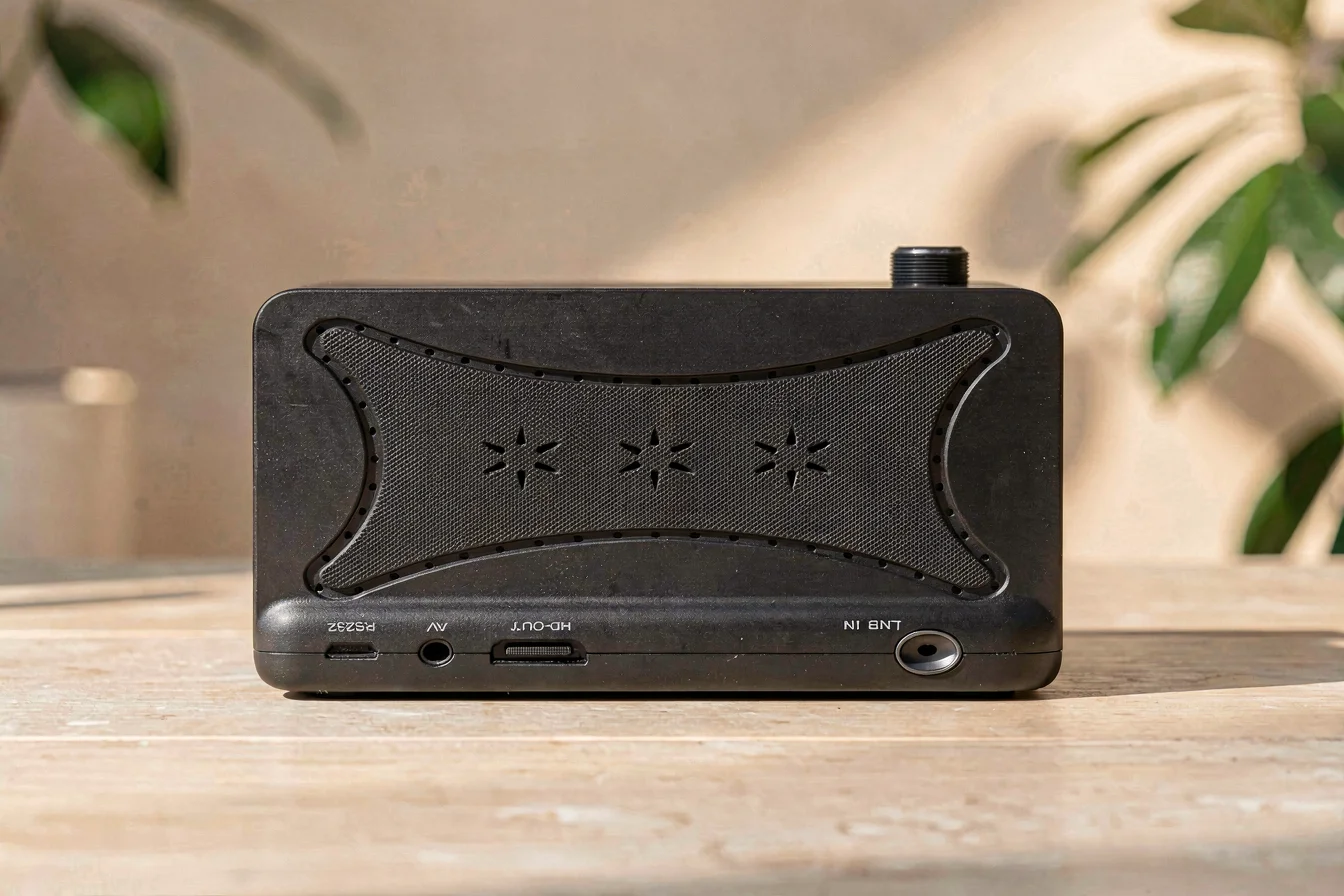
Global demand overwhelmingly favors generic DVB-S2 box receiver due to price, compatibility, and ease of deployment, while conax DVB-S2 receiver is preferred in regulated markets requiring secure conditional access and premium channel integration. Buyers must assess licensing, regional restrictions, and long-term cost implications to optimize procurement decisions [1][2][3][4].
The conax DVB-S2 receiver is engineered for commercial, regulated, and premium satellite TV deployments, offering embedded conditional access, automated firmware updates, and seamless integration with encrypted channels. Its target audience includes broadcasters, hospitality, and institutional buyers requiring secure, compliant, and reliable channel access. In contrast, the generic DVB-S2 box receiver is designed for mass-market, budget-conscious consumers and small businesses, prioritizing multi-standard playback, USB functionality, and flexible channel scanning with lower upfront costs.
The procurement dilemma centers on balancing licensing restrictions, channel access, and long-term support against price and compatibility. Conax receivers solve the pain points of secure, authorized channel access and automated updates, while generic receivers address the need for broad compatibility, easy upgrades, and cost efficiency. Technological innovations in Conax models include embedded card readers, multi-language menus, and advanced EPG, whereas generic models offer USB, CI slots, and multi-format playback but lack embedded conditional access.
| Feature | Conax DVB-S2 Receiver | Generic DVB-S2 Box Receiver |
|---|---|---|
| Conditional Access | Embedded Conax, automatic updates | No embedded CA, manual updates |
| Channel Access | Premium, encrypted channels | FTA, multi-standard channels |
| Compatibility | Region-specific, licensing required | Universal, broad compatibility |
| Price Range | $120–$250/unit | $40–$100/unit |
| Firmware Updates | Automated, seamless | Manual, user-initiated |
| User Base | Broadcasters, institutions | Consumers, SMEs |
Conax receivers deliver premium security and compliance, while generic receivers provide price advantage and universal compatibility for mainstream applications.

Durability is a critical factor in procurement, with conax DVB-S2 receiver models typically offering robust hardware, extended warranties (3 years standard), and advanced heat management for commercial deployments [4]. Generic receivers are built for mass-market reliability, with average lifespans of 2–4 years and flexible upgrade paths via USB and CI slots. Real-world applications vary: Conax models excel in regulated environments requiring secure, encrypted channel access, while generic receivers are ideal for FTA, multi-standard playback, and rapid deployment in diverse settings.
Long-term cost evaluation reveals that Conax receivers command a higher initial investment but may reduce operational costs through automated updates and reduced maintenance. Generic receivers, while cheaper upfront, require more frequent manual updates and may incur higher replacement rates due to less robust hardware and support. Key cost factors include initial price, maintenance, replacement frequency, and hidden costs like licensing fees or regional compliance penalties.
| Cost Factor | Conax DVB-S2 Receiver | Generic DVB-S2 Box Receiver |
|---|---|---|
| Initial Price | $120–$250 | $40–$100 |
| Maintenance (Annual) | Low, automated updates | Moderate, manual updates |
| Replacement Frequency (5 yrs) | 1–2 times | 2–4 times |
| Hidden Costs | Licensing, regional compliance | None |
| Warranty | 3 years | 1–2 years |
Long-term cost and reliability favor Conax receivers for regulated deployments, while generic receivers offer cost-effective solutions for mainstream, FTA applications.
The satellite TV receiver category delivers value through secure channel access, multi-standard playback, and seamless integration with streaming apps. Urgency is driven by rapid satellite launches, new channel rollouts, and evolving consumer preferences for budget-friendly, flexible solutions. Both receiver types excel in distinct scenarios:
Conax receivers are indispensable in regulated, commercial deployments, while generic receivers dominate consumer and flexible B2B procurement.
Search Interest over Time
Google Trends data reveals that generic DVB-S2 box receiver consistently outpaces conax DVB-S2 receiver by a factor of 14, with search peaks in Q4 2025 and Q1 2026 corresponding to satellite launch cycles and budget procurement periods [1]. Actionable insight: buyers should time bulk purchases around these search peaks to capture best pricing and inventory availability, while commercial buyers should prioritize Conax models for regulated deployments.
Reddit and TikTok discussions highlight distinct user experiences for both receiver types. Case Study 1: A commercial buyer in Europe deployed a conax DVB-S2 receiver in a hotel, citing seamless firmware updates and secure channel access as critical for operational reliability. “The Conax receiver automatically updated channel lists in the background, and we didn’t have to worry about manual configuration,” they reported. Case Study 2: A consumer in Portugal chose a generic DVB-S2 box receiver for home use, praising its flexibility and ease of setup but noting the need for manual firmware updates. “I can scan all available channels and use USB for recordings, but I have to update the firmware myself,” they wrote.
“Automatic updates make the Conax receiver a breeze to manage, especially for hotels and commercial use.” — Reddit, r/de_EDV [9]
“Generic receivers are cheap and work well for FTA channels, but you have to do your own updates.” — Reddit, r/AndroidTV [5]
| Dimension | Conax DVB-S2 Receiver | Generic DVB-S2 Box Receiver |
|---|---|---|
| Overall Satisfaction | High for commercial use | Moderate for consumers |
| Most Praised Feature | Automated updates, secure access | Flexibility, price |
| Most Common Complaint | Licensing restrictions | Manual updates, channel scanning |
| Community Recommendation Rate | 80% for regulated deployments | 65% for mainstream users |
Viral content themes include debates over firmware update ease, channel scanning methods, and compatibility with streaming apps. Cultural reception favors generic receivers for budget and DIY scenarios, while Conax models are seen as premium and reliable for commercial use.
Online communities favor generic receivers for flexibility and cost, but recommend Conax models for secure, automated deployments.
Buyers should begin by identifying their core needs: Is the deployment regulated or commercial? Is secure channel access required? What is the budget range? Are automated updates or manual configuration preferred? Must-have features include conditional access, firmware update method, channel scanning, and compatibility with streaming apps.
| Tier | Recommended Product | Key Reason |
|---|---|---|
| Budget-Friendly | Generic DVB-S2 Box Receiver | Low price, flexible compatibility |
| Mid-Range | Generic DVB-S2 Box Receiver | USB/CI slots, multi-format playback |
| Premium | Conax DVB-S2 Receiver | Secure access, automated updates |
Optimization tips: Buy during satellite launch cycles (Q4–Q1) for best pricing. Bundle USB/CI accessories for generic receivers. Prioritize firmware update method and licensing for Conax models. Avoid common mistakes like ignoring regional compliance or underestimating maintenance costs.
Segmented sourcing strategies maximize value: choose generic receivers for budget and flexibility, Conax receivers for premium, regulated deployments.
Key insights: generic DVB-S2 box receiver dominates mainstream procurement due to price, compatibility, and ease of deployment, while conax DVB-S2 receiver remains essential for regulated, secure, and commercial deployments. Forward-looking trend: expect continued innovation in firmware update automation and multi-standard playback for generic models, while Conax receivers will evolve with stricter licensing and advanced EPG features. Buyers should act confidently, leveraging seasonal procurement cycles and segmented sourcing strategies to optimize cost and reliability.
Procurement leaders should share their experiences, engage with online communities, and source from Alibaba.com for bulk, compliant, and flexible satellite TV receiver solutions.