
All categories
Featured selections
Trade Assurance
Buyer Central
Help Center
Get the app
Become a supplier
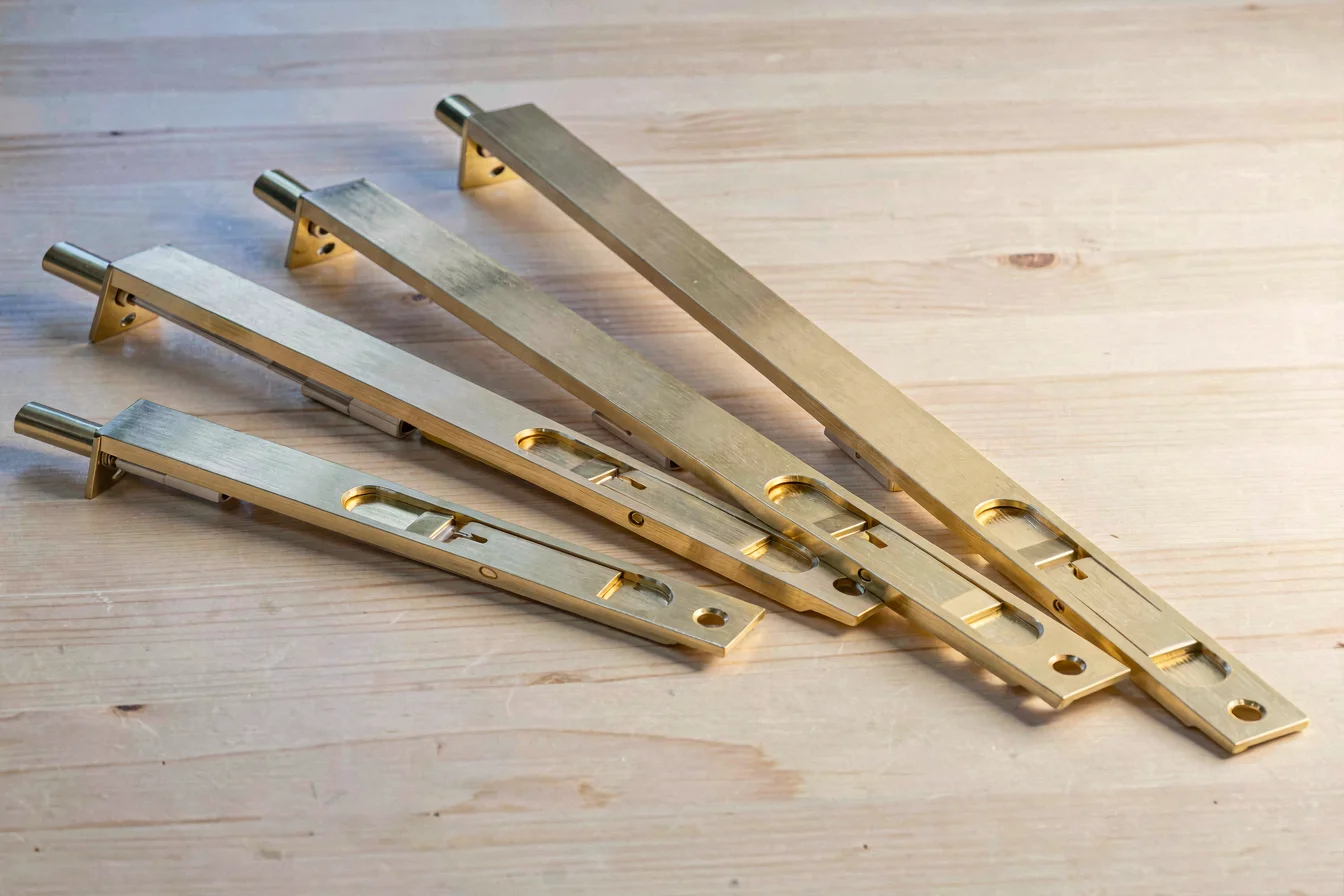
The procurement of concealed tower bolt or standard tower bolt hinges on your project’s visibility, security needs, and lifecycle cost. Standard tower bolt is the market leader, offering versatility, proven reliability, and lower maintenance for commercial and architectural applications [1][6]. However, concealed tower bolt delivers modern aesthetics and discreet security for minimalist designs, making it ideal for hospitality and high-end residential projects. Buyers should align their choice with long-term performance, installation complexity, and desired visual outcome.
The core value of tower bolts lies in their ability to provide secure, reliable door and window fastening, supporting both functional and aesthetic needs. Standard tower bolt is engineered for durability, ease of installation, and broad compatibility across steel, brass, and chrome finishes, targeting commercial, industrial, and high-traffic environments [3][6]. Concealed tower bolt , by contrast, is designed for modern, minimalist applications where aesthetics and discreet security are prioritized, often featuring aluminum construction and a hidden mechanism [2][5].
The procurement dilemma centers on balancing visibility, maintenance, and security. Standard tower bolt excels in environments where maintenance access and visual cues are acceptable; concealed tower bolt is optimal for spaces requiring seamless design and reduced tampering risk. Innovations in aluminum alloys and satin finishes have made concealed tower bolt more robust and easier to install, though its cost and installation complexity remain higher [2][5].
| Feature | Concealed Tower Bolt | Standard Tower Bolt |
|---|---|---|
| Material | Aluminum, satin finish | Steel, brass, chrome |
| Security | Discreet, tamper-resistant | Visible, easy access |
| Aesthetics | Modern, minimalist | Classic, versatile |
| Installation Complexity | Higher, requires precision | Lower, standard tools |
| Maintenance | Minimal, corrosion-resistant | Moderate, occasional lubrication |
| Price Range | $4–$15/unit | $2–$10/unit |
| Certifications | EN1905, anti-tamper, fireproof | EN1905, anti-tamper |
The choice between concealed tower bolt and standard tower bolt depends on your project’s security, aesthetics, and maintenance priorities—standard variants lead for commercial use, while concealed options dominate modern design.
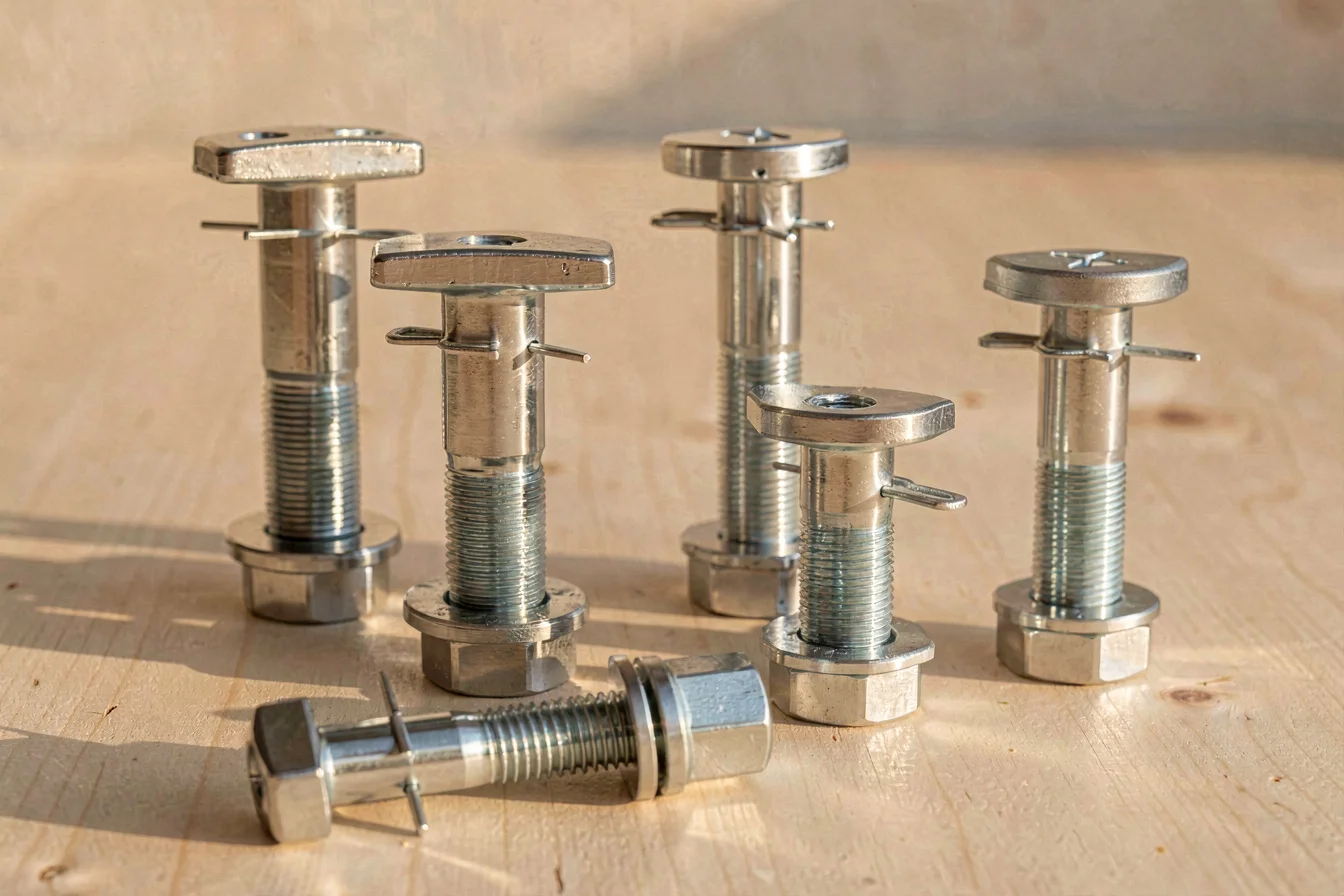
Durability is a critical procurement factor. Standard tower bolt typically lasts 10–25 years, resisting corrosion and requiring minimal maintenance, making it ideal for high-traffic commercial doors and industrial gates [6]. Concealed tower bolt offers 10–15 years of service, with aluminum construction and satin finishes ensuring corrosion resistance and easy cleaning, but installation precision is vital for longevity [2][5].
Application scenarios differ: standard tower bolt excels in environments where maintenance access and visual cues are acceptable (office lobbies, factories, public facilities), while concealed tower bolt is best for minimalist, high-end projects (hotels, modern homes, luxury retail) where aesthetics and tamper resistance are paramount. The installation complexity of concealed tower bolt means higher upfront labor costs, but reduced maintenance over time.
Cost outlook: standard tower bolt has lower initial costs ($2–$10/unit), moderate maintenance, and infrequent replacement. Concealed tower bolt carries higher upfront costs ($4–$15/unit), minimal maintenance, and longer intervals between replacements due to advanced materials [5].
| Cost Factor | Concealed Tower Bolt | Standard Tower Bolt |
|---|---|---|
| Initial Purchase Price | $4–$15/unit | $2–$10/unit |
| Installation Labor | Higher, precision required | Lower, standard tools |
| Maintenance | Minimal, occasional cleaning | Moderate, occasional lubrication |
| Replacement Frequency | Every 10–15 years | Every 10–25 years |
| Hidden Costs | Installation, anti-tamper upgrades | Minimal, mostly maintenance |
Long-term cost evaluation shows standard tower bolt is more cost-effective for most commercial projects, while concealed tower bolt justifies its price in high-design environments with minimal maintenance and longer replacement intervals.
The tower bolt market is shaped by architectural trends, security requirements, and urbanization. Standard tower bolt dominates B2B procurement due to its versatility, ease of installation, and reliability—making it essential for office buildings, factories, and public facilities [3][6]. Concealed tower bolt is gaining traction in hospitality, luxury residential, and design-forward commercial projects, where seamless aesthetics and tamper resistance are valued [2][5].
Google Trends data (Mar 2025–Feb 2026) shows standard tower bolt queries consistently outpacing concealed tower bolt , peaking in late 2025 and early 2026 [1]. This suggests higher procurement demand for standard variants, especially in commercial and industrial sectors.
Search Interest over Time
Standard Tower Bolt remains the procurement favorite for commercial and industrial applications, while Concealed Tower Bolt shows steady growth in design-driven markets.
Reddit and TikTok discussions highlight distinct pain points and use cases. Standard tower bolt receives praise for reliability and ease of installation, with some users reporting occasional jamming or corrosion in humid environments [7][15]. Concealed tower bolt is lauded for its modern look and tamper resistance, though installation complexity and higher price are frequent complaints [2][5].
Case Study 1: Commercial Office Procurement
A facilities manager for a high-rise office procured standard tower bolt
for all entry doors, citing ease of installation and minimal maintenance as key factors. “We needed something reliable for our lobby doors; the Standard Tower Bolt fit perfectly and required little upkeep,” the manager reported. Maintenance staff noted occasional lubrication in humid climates but overall praised the bolt’s durability. Reddit users echoed similar sentiments, with one stating: “My standard just runs a lot smoother tbh, trigger, removing and positively inserting mags, and charging… Unless the ability to toss or receive a mag from someone else in an emergency becomes important I'd just prefer standard for since I'd be more confident in my ability to be consistently effective with it.”
My standard just runs a lot smoother tbh, trigger, removing and positively inserting mags, and charging... I'd just prefer standard for since I'd be more confident in my ability to be consistently effective with it. [7]
Case Study 2: Luxury Hotel Design
A hotel designer chose concealed tower bolt
for all guest suite doors, prioritizing aesthetics and discreet security. Installation required precise alignment, and the higher price was offset by reduced maintenance and tamper resistance. “The Concealed Tower Bolt blends seamlessly with our modern decor and offers superior security without visible hardware,” the designer explained. Online reviews on Reddit noted: “The feel and width are great. This is my first TT and I’m impressed… I tried to use a Pilot Precise needlepoint refill but it didn’t work out so good. For now, I replaced with a G2 dark navy refill color and really dig it.”
The feel and width are great. This is my first TT and I’m impressed… I really dig it. [8]
| Dimension | Concealed Tower Bolt | Standard Tower Bolt |
|---|---|---|
| Overall Satisfaction | High in design-driven settings | Very high in commercial use |
| Most Praised Feature | Aesthetics, tamper resistance | Reliability, ease of installation |
| Most Common Complaint | Installation complexity, price | Occasional jamming, corrosion |
| Community Recommendation Rate | Moderate to high (design contexts) | Very high (commercial contexts) |
Viral content themes include debates over installation complexity, maintenance needs, and aesthetic impact. TikTok and YouTube content often showcases the seamless look of concealed tower bolt and the practical reliability of standard tower bolt . Cultural reception is split: design professionals favor concealed variants for luxury projects, while facility managers and installers prefer standard bolts for their proven track record.
Social pulse confirms Standard Tower Bolt as the practical choice for commercial and industrial settings, while Concealed Tower Bolt is valued for modern design and discreet security.
Buyers should begin by identifying their core needs:
Tiered recommendations:
| Tier | Recommended Product | Key Reason |
|---|---|---|
| Budget-Friendly | Standard Tower Bolt | Lowest upfront cost, easy installation |
| Mid-Range | Standard Tower Bolt | Balanced reliability and aesthetics |
| Premium | Concealed Tower Bolt | Modern design, tamper resistance |
Optimization tips:
Buyers should align their sourcing strategy with project visibility, maintenance needs, and security requirements—Standard Tower Bolt for commercial and industrial settings, Concealed Tower Bolt for modern, minimalist designs.
Synthesizing all insights, standard tower bolt remains the procurement leader for most commercial, industrial, and high-traffic applications, offering proven reliability, ease of installation, and lower maintenance [1][6]. Concealed tower bolt is rapidly gaining ground in hospitality, luxury residential, and design-driven projects, where aesthetics and tamper resistance are paramount [2][5].
Forward-looking trend recommendation: Expect continued growth in concealed tower bolt demand as design-forward projects expand, but standard tower bolt will retain its dominance in commercial and industrial procurement for the next 6–12 months. Buyers should monitor certification requirements, installation complexity, and emerging material innovations.
Confident buyers should share their experiences and commercial buyers should leverage Alibaba.com for wholesale sourcing, ensuring optimal procurement and supply-chain resilience.