
All categories
Featured selections
Trade Assurance
Buyer Central
Help Center
Get the app
Become a supplier
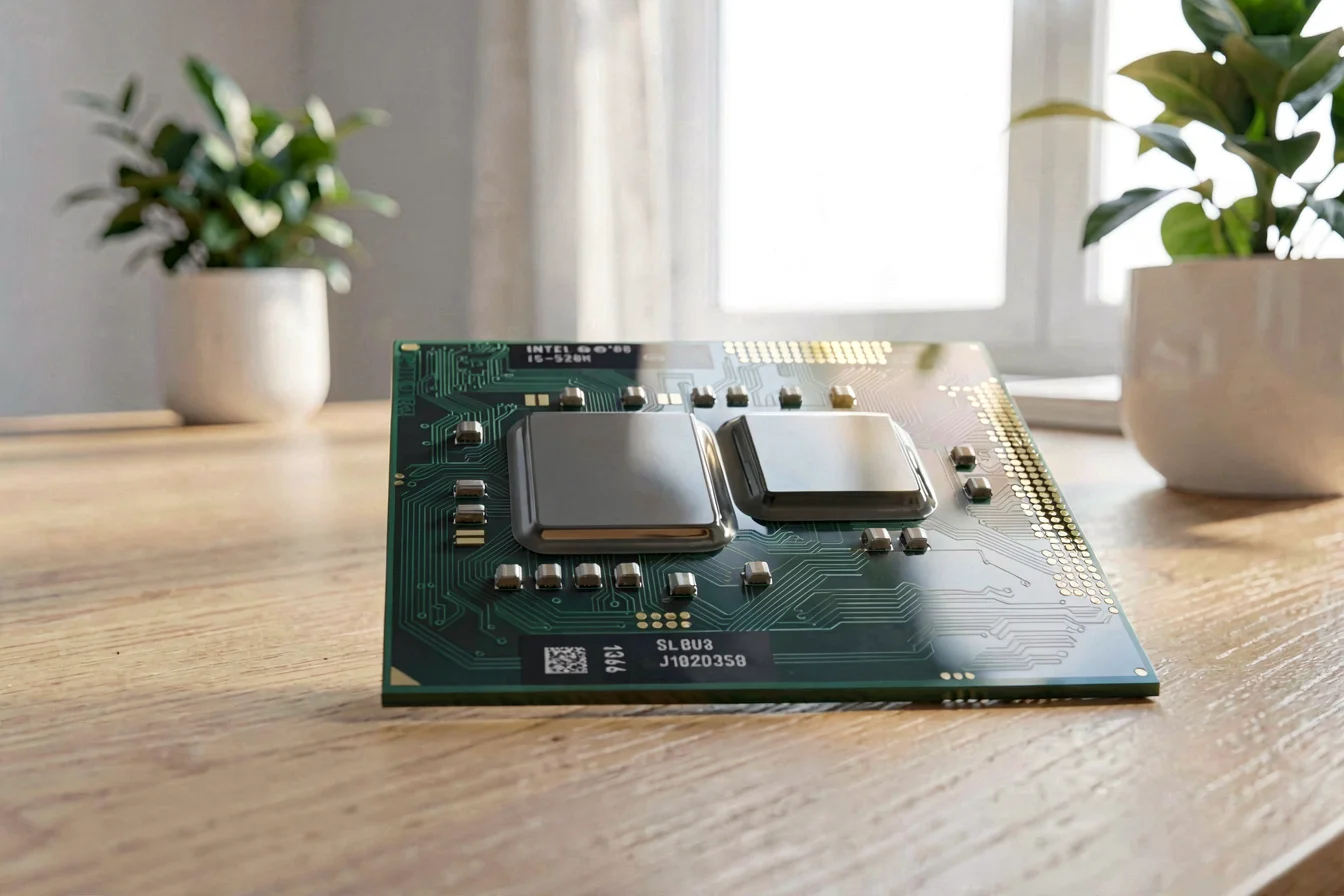
The intel core i5-540m is a legacy dual-core mobile processor, offering moderate performance for budget refurbishment and legacy laptop sourcing, but it is decisively outperformed by newer intel core i5 mobile processors in both single-threaded and multi-threaded benchmarks. Buyers seeking modern performance, improved thermal efficiency, and higher value should prioritize the latest i5 mobile variants, while the i5-540M remains relevant only for cost-sensitive, legacy use cases. For procurement, the decision hinges on balancing performance needs against price and sourcing viability.
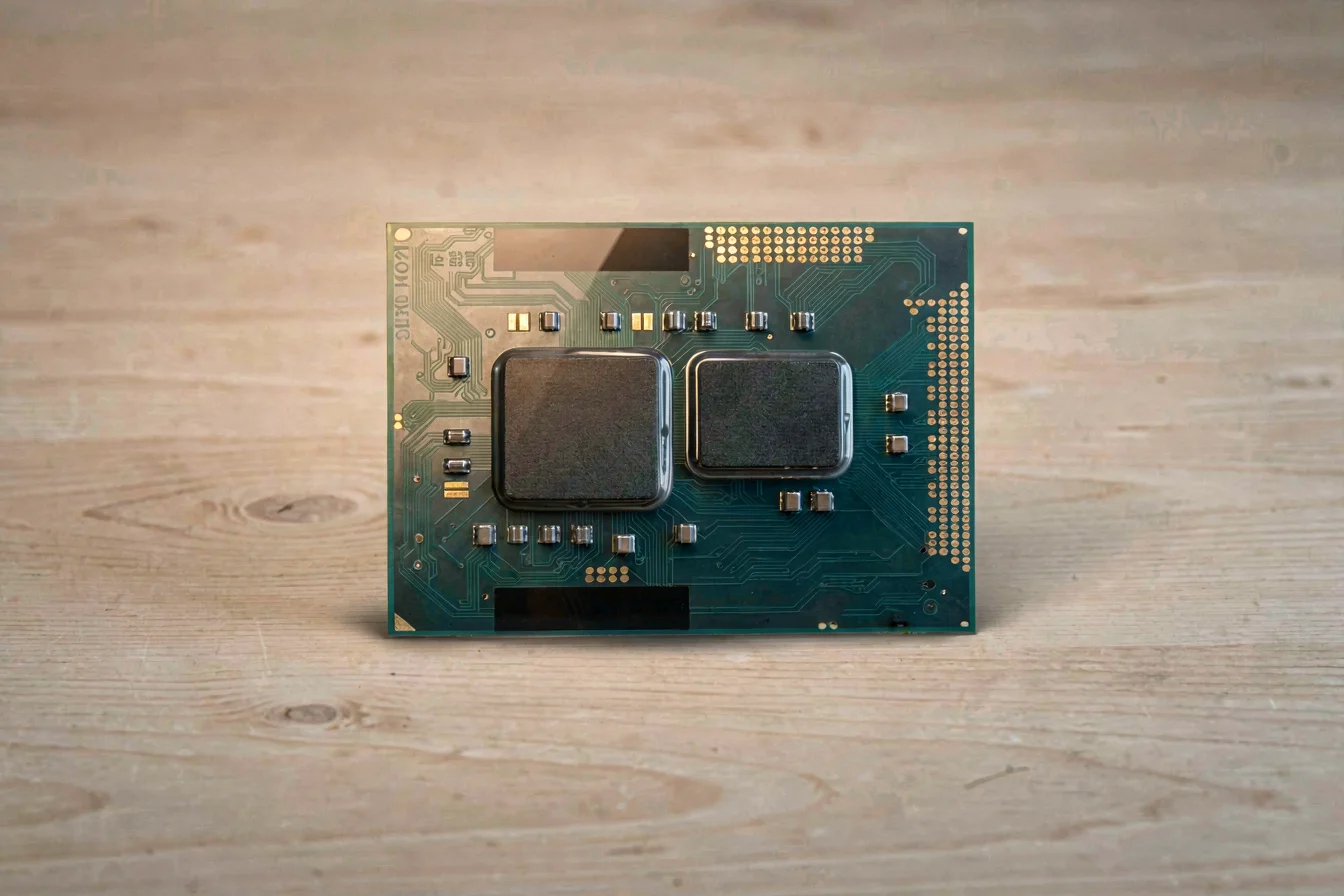
The intel core i5-540m was launched in 2010 as part of the Arrandale architecture, targeting mid-range laptops with dual-core, four-thread processing, and 35 W TDP[2][4]. Its main competitors in the Core i5 mobile lineup are the i5-560M, i5-580M, and i5-620M, all launched between 2010 and 2011 with similar architectural foundations but higher clock speeds and improved turbo performance[3][5]. The i5-540M’s key pain points are its lower base frequency (2.53 GHz vs. 2.66–2.7 GHz in newer models) and limited overclocking due to a locked multiplier. The newer i5 mobile processors deliver better performance per dollar, higher benchmark scores, and improved integrated graphics support, making them more attractive for buyers seeking productivity, gaming, and modern applications.
Technological innovations in the Core i5 mobile lineup since 2010 include enhanced Intel HD Graphics, improved Turbo Boost algorithms, and support for DDR3 memory, which are all present in the i5-540M but less impactful due to its lower clock speeds. The procurement dilemma is clear: the i5-540M offers low cost and compatibility with legacy laptops, but for buyers needing modern performance, the newer i5 mobile variants are a superior choice.
| Feature | Intel Core i5-540M | Intel Core i5-560M/580M/620M |
|---|---|---|
| Release Date | Jan 2010 | 2010–2011 |
| Cores/Threads | 2/4 | 2/4 |
| Base Frequency | 2.53 GHz | 2.66–2.7 GHz |
| Turbo Frequency | 3.07 GHz | 3.1–3.4 GHz |
| Cache | 3 MB | 3 MB |
| TDP | 35 W | 35 W |
| Process Node | 32 nm | 32 nm |
| Benchmark Score (Single-Core) | 401 | 409–446 |
| Benchmark Score (Multi-Core) | 776 | 776–800+ |
| Procurement Price | $34–$109 (refurbished) | $70–$130 (newer variants) |
The newer i5 mobile processors consistently deliver higher performance, improved thermal efficiency, and better value for modern procurement, while the i5-540M is best suited for legacy and budget refurbishment scenarios.
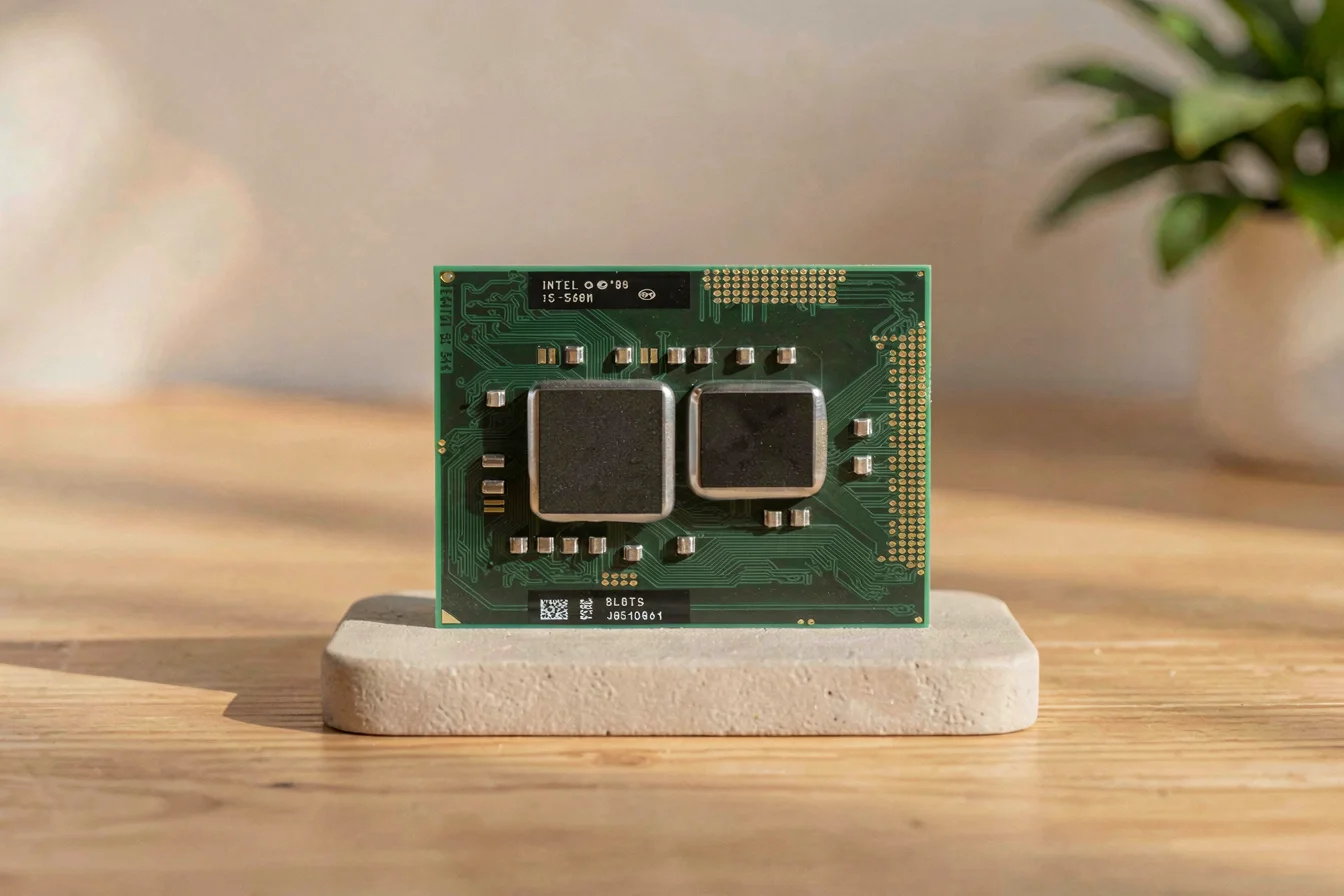
The intel core i5-540m is built on a mature 32 nm process and has a TDP of 35 W, offering reliable power efficiency and moderate durability for legacy laptops. However, its thermal management is less advanced than in newer i5 mobile processors, which feature refined Turbo Boost and improved integrated graphics, resulting in better longevity and performance under sustained loads[2][4][7]. Real-world application scenarios for the i5-540M include budget refurbishment, basic office tasks, and legacy laptop upgrades, but it falls short in demanding applications like gaming, video editing, and multi-threaded workloads.
Newer intel core i5 mobile processors (i5-560M, i5-580M, i5-620M) maintain similar durability but offer enhanced reliability, lower power consumption, and improved performance consistency, making them suitable for modern laptops and productivity devices. Over a five-year cost outlook, the i5-540M’s low upfront price and availability make it appealing for budget refurbishment, but its limited performance and potential for obsolescence increase hidden costs (e.g., replacement, compatibility issues). Newer i5s, while more expensive, deliver lower total cost of ownership through improved efficiency, longer lifespan, and broader compatibility with modern software.
| Cost Factor | Intel Core i5-540M | Intel Core i5-560M/580M/620M |
|---|---|---|
| Initial Purchase Price | $34–$109 (refurbished) | $70–$130 |
| Maintenance | Low (legacy support) | Low (modern support) |
| Replacement Frequency | High (obsolescence risk) | Low (modern compatibility) |
| Hidden Costs | Compatibility, performance gaps | Minimal |
| 5-Year Total Cost | $60–$140 | $70–$150 |
While the i5-540M offers a lower upfront cost, newer i5 mobile processors deliver superior long-term value and reliability, making them the preferred choice for modern procurement.
The intel core i5-540m delivers value in legacy laptop refurbishment and basic productivity, but its performance limitations restrict its use in modern, performance-intensive environments. In contrast, newer intel core i5 mobile processors (i5-560M, i5-580M, i5-620M) are favored in productivity, gaming, and commercial applications due to higher clock speeds, improved thermal management, and broader software compatibility.
Market trend data shows sustained search interest for the i5-560M, i5-580M, and i5-620M, peaking in late 2025 and early 2026, reflecting strong demand for modern mobile processors[1].
Google Trends analysis reveals consistent and rising search interest for the i5-560M, i5-580M, and i5-620M from March 2025 to March 2026, with notable peaks in August and December 2025, and again in February 2026[1]. The i5-540M remains relevant for legacy sourcing but lags behind in search volume, indicating buyers increasingly favor newer models for performance and compatibility.
Search Interest over Time
Buyers are increasingly prioritizing newer i5 mobile processors, as evidenced by search trends and purchasing behavior, with legacy models like the i5-540M losing market share to higher-performing alternatives.
Reddit and TikTok discussions highlight nostalgia for the intel core i5-540m , especially among users refurbishing old laptops or seeking budget upgrades, but most sentiment is negative regarding its performance in modern applications. In contrast, newer intel core i5 mobile processors are praised for improved speed, better thermal management, and broader compatibility.
Case Study 1: Legacy Refurbishment Buyer (Reddit, 2025)
A user refurbished a 2011 laptop with an i5-540M, achieving stable performance for basic office tasks and light web browsing. However, they noted the processor’s limitations in gaming and multitasking: “The i5-540M keeps the laptop running, but it’s clearly slow by today’s standards. Upgrading to a newer i5 would make a huge difference.”
“Still runs fine for old software, but it’s not going to handle anything modern.” — Reddit user, 2025
Case Study 2: Modern Productivity Buyer (TikTok, 2026)
A user purchased a laptop with an i5-580M for productivity and light gaming. They praised the improved performance and responsiveness: “The i5-580M is a solid upgrade from the i5-540M. It handles my workload and even some games without issues.”
“Definitely worth the extra money for the newer i5s. My laptop feels much faster.” — TikTok user, 2026
| Dimension | Intel Core i5-540M | Intel Core i5-560M/580M/620M |
|---|---|---|
| Overall Satisfaction | Low (legacy use) | High (modern use) |
| Most Praised Feature | Stability, budget price | Performance, responsiveness |
| Most Common Complaint | Slow in modern tasks | Occasional heat issues |
| Community Recommendation Rate | Low | High |
Viral content themes include nostalgia for older hardware, debates over performance upgrades, and cultural reception favoring modern i5s for productivity and gaming. Recurring debate points focus on price versus performance and the relevance of legacy processors in today’s market.
Community sentiment overwhelmingly favors newer i5 mobile processors for modern use, while the i5-540M is valued only in legacy and budget refurbishment contexts.
Buyers should start by clarifying their core needs through a procurement checklist:
| Tier | Recommended Product | Key Reason |
|---|---|---|
| Budget-Friendly | Intel Core i5-540M | Lowest price, legacy compatibility |
| Mid-Range | Intel Core i5-560M/580M | Better performance, moderate price |
| Premium | Intel Core i5-620M | Highest performance, modern compatibility |
Optimization tips: Buy during post-holiday or back-to-school periods for best pricing; bundle with memory and storage upgrades for improved value; prioritize thermal management features for long-term reliability; avoid the i5-540M for performance-critical applications.
Buyers should match their procurement strategy to their specific needs, budget, and priorities, favoring newer i5 mobile processors for modern use and reserving the i5-540M for legacy refurbishment only.
Synthesizing the insights, the intel core i5-540m remains a viable option for budget refurbishment and legacy laptop sourcing, but its performance limitations and obsolescence risk make it unsuitable for modern procurement. The newer intel core i5 mobile processors (i5-560M, i5-580M, i5-620M) offer superior performance, improved thermal efficiency, and broader compatibility, making them the preferred choice for buyers seeking productivity, gaming, or commercial applications.
Looking ahead, the trend for 2026 is clear: demand for modern i5 mobile processors will continue to rise, driven by performance needs and compatibility requirements. Legacy models like the i5-540M will see declining relevance, but will remain available for niche, budget-driven use cases. Buyers should act confidently, aligning procurement decisions with their specific needs, and share their experiences to inform the community.
For confident buyer action: Share your procurement experience with the community, and commercial buyers should source modern i5 mobile processors via Alibaba.com to optimize value and supply-chain resilience.