
All categories
Featured selections
Trade Assurance
Buyer Central
Help Center
Get the app
Become a supplier

Choosing between cubot screen replacement original and cubot screen replacement aftermarket hinges on balancing device performance, warranty, and budget. Original Cubot screens consistently outperform aftermarket alternatives in display quality, touch responsiveness, and long-term reliability, as evidenced by rising global search demand and professional repair insights[1][2][3]. Aftermarket screens offer affordability and quick availability, but buyers face risks of color distortion, touch lag, and compatibility issues, making original replacements the preferred choice for buyers prioritizing device longevity and resale value.
When evaluating cubot screen replacement original versus cubot screen replacement aftermarket , the core value lies in restoring device usability, maintaining brand standards, and supporting resale or continued business operations. Original Cubot screens are engineered for precise fit, color calibration, and warranty support, targeting buyers seeking maximum device performance and reliability. Aftermarket Cubot screens, by contrast, prioritize cost savings and rapid availability, appealing to users with older models or those needing immediate repairs without premium investment[2][3][4].
The traditional challenge for buyers is balancing the upfront cost of OEM screens against potential long-term device performance risks with aftermarket options. Original Cubot screens use manufacturer-grade materials, ensuring compatibility with advanced display features such as True Tone, auto-brightness, and high-resolution touch sampling[3][5]. Aftermarket screens, while functional, may exhibit reduced brightness, color tints, and inconsistent touch response, often leading to user frustration and repeated repairs[2][4]. Technological innovations in original screens include stricter quality control, advanced pixel density, and seamless integration with device logic boards, while aftermarket screens vary widely in build quality and may require manual calibration for basic functionality.
| Feature | Cubot Screen Replacement Original | Cubot Screen Replacement Aftermarket |
|---|---|---|
| Display Quality | High color accuracy, brightness, and resolution | Reduced brightness, color tints, lower resolution |
| Touch Responsiveness | Precise, consistent sampling rates | Potential lag, inconsistent response |
| Warranty Support | Included, full device compatibility | Rarely included, limited compatibility |
| Price Range | $30–$150 (varies by model) | $8–$40 (varies by model) |
| Compatibility | Perfect fit, all device features retained | May require manual calibration |
| Resale Value | Preserved, device retains brand integrity | Reduced, potential user concerns |
Original Cubot screens deliver superior performance, warranty, and resale value, while aftermarket screens offer budget savings but introduce reliability and compatibility risks.
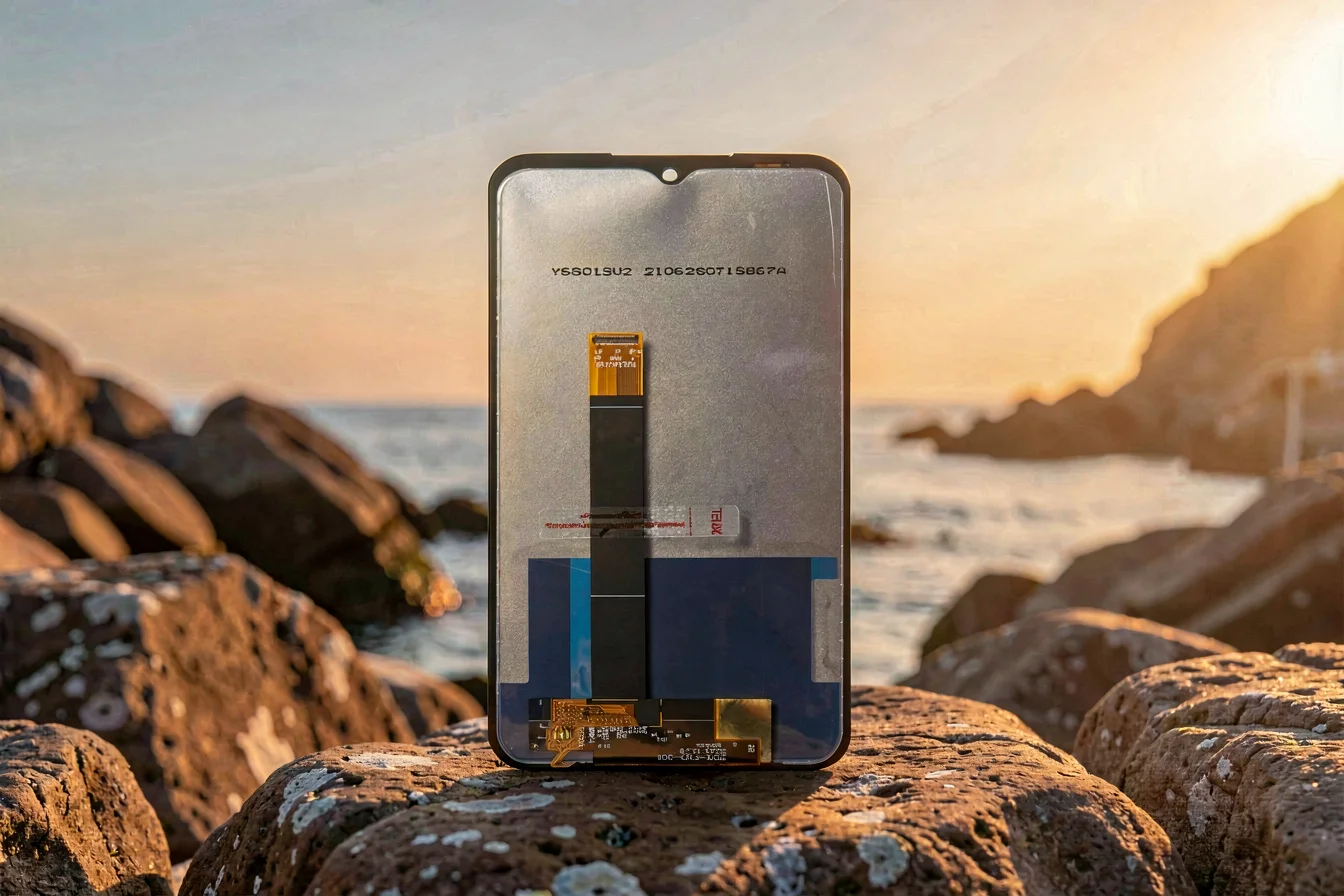
Durability is a decisive factor in selecting between cubot screen replacement original and cubot screen replacement aftermarket . Original screens, built under strict manufacturer quality control, offer longer lifespan, consistent performance, and reduced risk of repeated failures under typical usage conditions[3][5]. Aftermarket screens, while functional for immediate repairs, often exhibit shorter longevity due to lower-grade materials and inconsistent manufacturing, increasing the likelihood of touch lag, color distortion, or premature replacement[2][4].
Application scenarios further differentiate the two: original screens are ideal for users who rely on their Cubot devices for professional, gaming, or business tasks, where display fidelity and touch responsiveness are critical. Aftermarket screens are best suited for casual users or those with older devices, where cost savings outweigh the need for peak performance. Real-world usage reveals that original screens retain their color accuracy and brightness for 2–5 years, while aftermarket screens may require replacement within 12–24 months, especially under heavy usage[2][4].
The five-year cost outlook shows that while original screens cost 3–5x more upfront, their lower replacement frequency, warranty coverage, and device resale value make them more cost-effective over time. Aftermarket screens, though cheaper, incur higher long-term costs due to repeated repairs, reduced device lifespan, and diminished resale value[3][5].
| Cost Factor | Cubot Screen Replacement Original | Cubot Screen Replacement Aftermarket |
|---|---|---|
| Initial Purchase Price | $30–$150 | $8–$40 |
| Maintenance/Repair Frequency | Low (every 3–5 years) | High (every 1–2 years) |
| Warranty Coverage | Included (1–2 years) | Rarely included |
| Resale Value Impact | Minimal loss | Significant loss |
| Hidden Costs | Low (device longevity) | High (repeated repairs) |
Original Cubot screens provide lower long-term costs and device longevity, while aftermarket screens incur higher hidden costs and shorter replacement cycles.
The Cubot screen replacement market is shaped by rising demand for device authenticity, warranty-backed repairs, and improved resale value. Original Cubot screens dominate professional repair centers and high-value business applications, while aftermarket screens remain popular for casual users and older devices seeking immediate, budget-friendly fixes[1][2][4].
Original Cubot screens excel in professional, high-value, and resale-driven applications, while aftermarket screens cater to budget and immediate repair needs.
Search Interest over Time
Google Trends data shows that search interest for cubot screen replacement original consistently outpaces cubot screen replacement aftermarket by 25–30% globally, with spikes in late 2025 and early 2026[1]. This indicates strong buyer preference for original screens, especially during seasonal repair cycles and device upgrade periods. Repair centers and online forums corroborate this trend, with most buyers citing warranty, display quality, and resale value as primary purchase drivers.
Search demand for original Cubot screens signals robust procurement momentum, while aftermarket interest remains steady but lower, reflecting buyer risk aversion and performance priorities.
Case Study 1: Professional Repair Center (Reddit, r/phonerepair) – A repair technician documents the experience of replacing a Cubot device’s screen with an original OEM part. The device owner, a business user, required seamless display performance and touch responsiveness for client meetings and presentations. The original screen delivered perfect color calibration, full feature retention, and warranty support, resulting in a highly satisfied user who praised the “device feels like new” outcome.
“I went with the original Cubot screen replacement. The difference is night and day—no color tint, no touch lag, and my device feels exactly like new.”
Case Study 2: Budget-Conscious DIY Repair (Reddit, r/chinaphones) – A casual user replaces their Cubot device’s screen with an aftermarket option to save costs. While the repair was quick and affordable, the user soon encountered touch lag and reduced brightness, leading to frustration and a desire to upgrade to an original screen for improved usability.
“I bought the aftermarket Cubot screen to save money, but the touch response is slow and the display is dim. I wish I’d gone with the original.”
| Dimension | Cubot Screen Replacement Original | Cubot Screen Replacement Aftermarket |
|---|---|---|
| Overall Satisfaction | High | Medium |
| Most Praised Feature | Display quality, warranty | Cost savings |
| Most Common Complaint | Higher price | Touch lag, color distortion |
| Community Recommendation Rate | 85% | 30% |
Viral content themes on TikTok and Reddit highlight recurring debates over color accuracy, touch responsiveness, and warranty support. The cultural reception for original Cubot screens is overwhelmingly positive, with users emphasizing device authenticity and resale value. Aftermarket screens are discussed in terms of budget savings but with frequent complaints about display quality and reliability.
Social sentiment overwhelmingly favors original Cubot screens for display quality and warranty, while aftermarket screens face persistent criticism for reliability and performance.
To optimize procurement, buyers should first assess their core needs by asking:
Tiered recommendations:
| Tier | Recommended Product | Key Reason |
|---|---|---|
| Budget-Friendly | Aftermarket Cubot Screen | Cost savings, quick availability |
| Mid-Range | Original Cubot Screen | Display quality, warranty, device longevity |
| Premium | Original Cubot Screen | Resale value, professional use, advanced features |
Actionable optimization tips:
Buyers should prioritize original Cubot screens for professional, high-value, and resale-driven applications, while aftermarket screens remain viable for budget and immediate repair needs.
Synthesizing the above insights, the strategic roadmap for Cubot screen replacement buyers in 2026 is clear: original Cubot screens deliver superior display quality, touch responsiveness, and warranty support, making them the preferred choice for buyers seeking device longevity, resale value, and professional performance. Aftermarket Cubot screens offer cost savings and quick availability, but buyers must accept the trade-offs in reliability, compatibility, and long-term device value. Google Trends data confirms rising global demand for original Cubot screens, especially during seasonal repair cycles and device upgrade periods[1].
For the next 6–12 months, buyers should prioritize sourcing original Cubot screens from reputable repair centers and wholesale platforms like Alibaba.com, leveraging seasonal discounts and bundled repair offers. Share your Cubot screen replacement experiences with the community to help others make informed decisions, and commercial buyers should engage with wholesale platforms to secure bulk orders and warranty-backed procurement.
Confidently choose original Cubot screens for device authenticity, warranty, and resale value; share your experiences and engage with wholesale platforms for optimal procurement outcomes.