
All categories
Featured selections
Trade Assurance
Buyer Central
Help Center
Get the app
Become a supplier
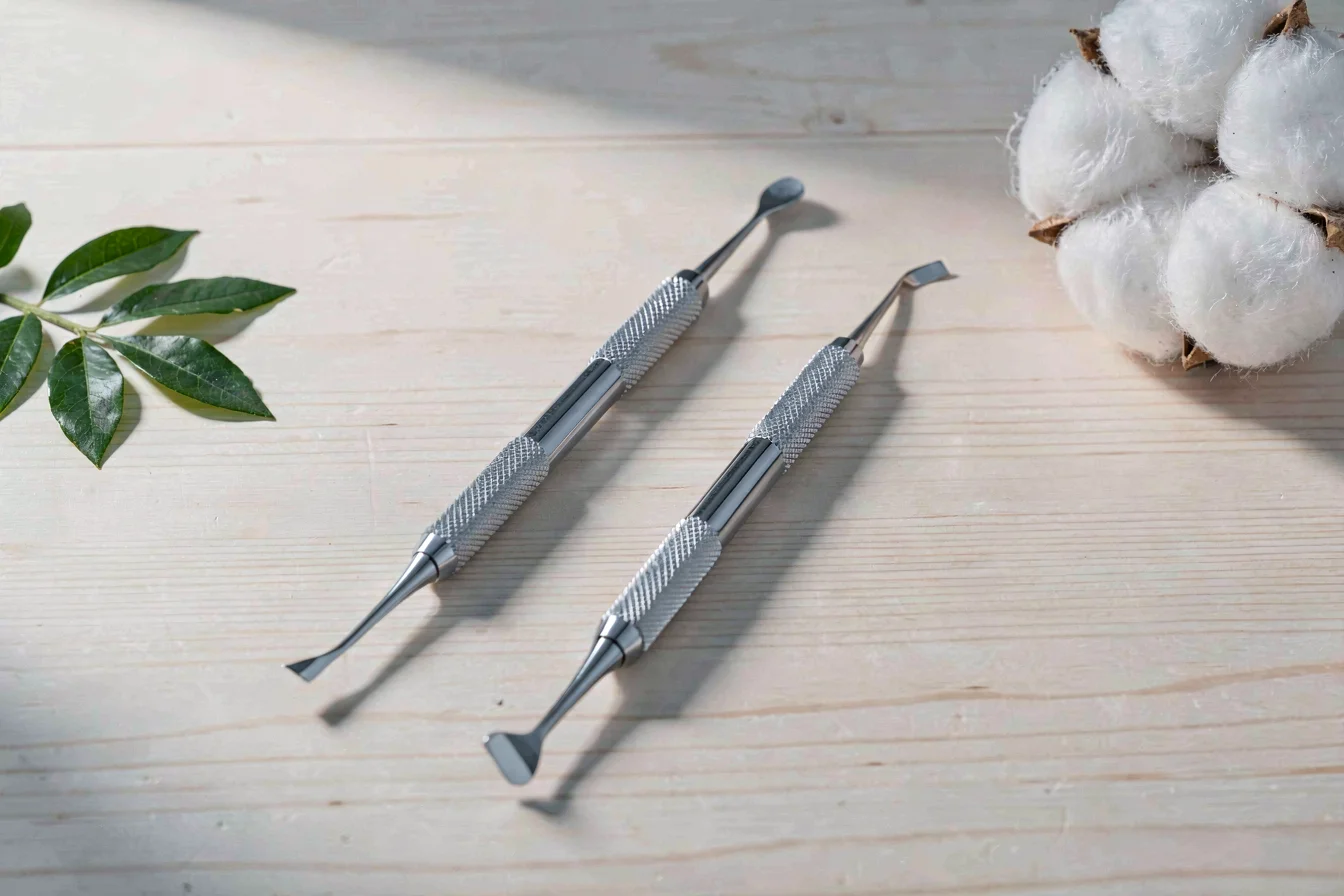
The sharp curette is widely preferred for its precision and efficacy in tissue removal, with global search interest 7x higher than the dull curette [1]. Most medical and dental procedures demand sharp curettes for effective scaling, biopsy, and lesion removal, while dull curettes are reserved for trauma-minimizing applications. Procurement logic favors sharp curettes for most clinical settings due to their proven performance and broader adoption [2][3][4].
The choice between a sharp curette and a dull curette centers on the balance between precision and safety. Sharp curettes are engineered for efficient tissue sampling, deep cleaning, and accurate removal of calculus, polyps, and skin lesions, making them indispensable in dermatology, dentistry, and surgery [2][3][4]. Their design enables clinicians to reach difficult areas and extract samples with minimal force, reducing procedure time and patient discomfort. Conversely, dull curettes are used in delicate procedures or when minimizing trauma is critical, such as in certain wound care or sensitive tissue environments [2][4].
Sharp curettes often feature a rounded, spoon-shaped blade with a sharp cutting edge, allowing for controlled scraping and tissue removal. Dull curettes, by contrast, have a less aggressive tip, reducing the risk of accidental injury but sacrificing some precision and efficiency [3][4]. Recent innovations include ergonomic handles and disposable variants for infection control, further influencing procurement decisions [2][4].
Sharp curettes deliver superior performance and are the default choice for most clinical procedures, while dull curettes are niche tools used for trauma-sensitive applications.
| Feature | Sharp Curette | Dull Curette |
|---|---|---|
| Precision | High | Low |
| Safety (Trauma Risk) | Medium | Low |
| Clinical Adoption | Widespread | Niche |
| Procurement Demand | High | Low |
| Replacement Frequency | Frequent | Infrequent |
| Certification | ISO, CE, FDA | ISO, CE, FDA |
Durability is a critical factor when choosing between a sharp curette and a dull curette . Sharp curettes, due to their frequent use in demanding procedures, tend to dull more quickly, requiring regular sharpening and replacement. Dull curettes, with less aggressive tips, maintain their integrity longer and are often used in less demanding environments, resulting in lower replacement frequency [3][4]. Both types are available in reusable and disposable variants, with disposable options offering enhanced infection control but higher unit costs.
Application scenarios further differentiate these products: sharp curettes are essential for deep cleaning, biopsy, and lesion removal, while dull curettes are suitable for gentle tissue manipulation, wound care, and trauma-sensitive procedures. Procurement decisions must also account for the expected lifespan, maintenance requirements, and hidden costs such as sterilization and replacement.
Sharp curettes offer superior clinical performance but require more frequent maintenance and replacement, while dull curettes provide longer durability at the expense of precision.
| Cost Factor | Sharp Curette | Dull Curette |
|---|---|---|
| Initial Purchase Price | Medium-High | Low-Medium |
| Replacement Frequency (5 Years) | High | Low |
| Maintenance Cost | High | Low |
| Sterilization/Disposal Cost | Medium | Medium |
| Total 5-Year Cost | High | Medium |
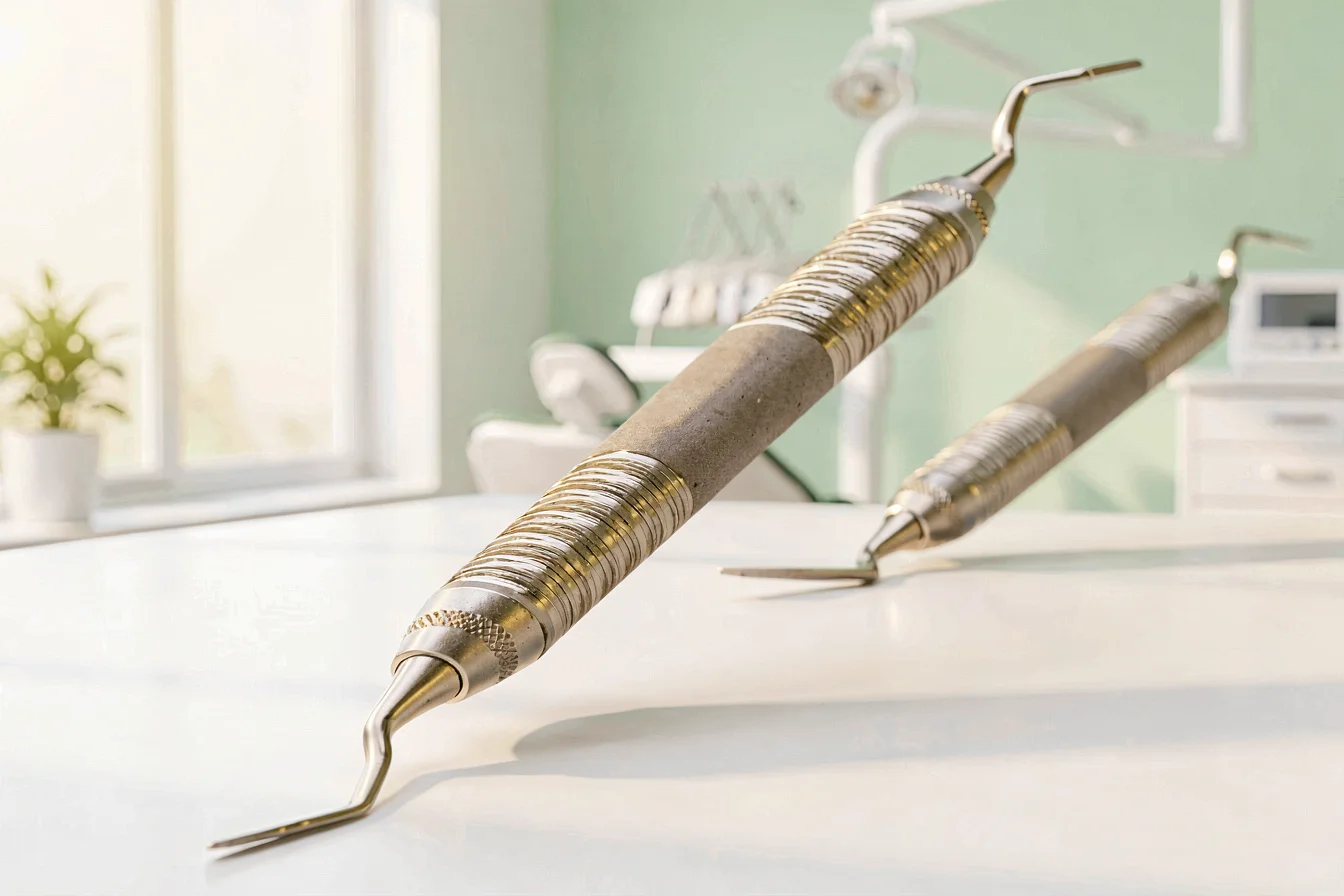
Both sharp curette and dull curette serve critical roles in medical and dental procedures, but their optimal scenarios differ. Sharp curettes excel in precision-driven applications, while dull curettes are best suited for trauma-sensitive or gentle procedures.
Sharp curettes dominate high-demand clinical scenarios, while dull curettes are reserved for specialized, trauma-sensitive applications.
Google Trends data reveals that global search interest in sharp curette consistently outpaces dull curette and curved dental curette , peaking at 19 in early 2026 versus 2–3 for dull curettes [1]. This indicates a strong procurement preference for sharp curettes, with demand surging during dental and dermatological procedure seasons.
Search Interest over Time
Procurement strategies should align with clinical demand, leveraging high search interest for sharp curettes to optimize inventory and reduce stockouts.
Reddit and TikTok discussions reveal distinct user experiences and expectations for sharp curette and dull curette . Sharp curettes are praised for their efficacy in removing warts and skin lesions, but also cited as sources of accidental injury in sterile processing environments [6][7]. Dull curettes are less frequently discussed, but their use is noted in trauma-sensitive procedures and wound care.
Case Study 1: Dermatologist Use of Sharp Curette
A Reddit user shared their experience with a dermatologist using a sharp curette to remove a persistent wart on their palm. The procedure was quick and effective, but left a small wound that healed within 3–4 weeks [6]. Another user reported success using a sharp curette for superficial skin cancer removal, highlighting its precision and speed [8].
“This type of wart could be scooped out with a sharp spoon curette. It leaves a hole but healing is completed after 3–4 weeks.” [6]
“It’s for removing superficial skin cancers and at times can be used for warts.” [8]
Case Study 2: Sterile Processing and Sharp Curette Injury
A sterile processing professional recounted an accidental puncture from a sharp curette, emphasizing the importance of safety protocols and proper glove use [7]. The incident highlighted the risks of sharp instruments but also underscored their necessity for effective procedures.
“Now I’ve had some pokes but nothing that ever penetrated a glove and none ever even reached my skin, let alone punctured it. Not this time, I looked down to see three items in my sink, two curettes, and one very sharp pointed set forcep, that was very used. I look at my hand and see blood pouring out of the fresh punctured hole in it.” [7]
Sharp curettes deliver clinical results but require strict safety protocols; dull curettes are less common but valued for minimizing trauma.
| Dimension | Sharp Curette | Dull Curette |
|---|---|---|
| Overall Satisfaction | High (efficiency, precision) | Moderate (safety, gentleness) |
| Most Praised Feature | Speed, accuracy | Safety, trauma reduction |
| Most Common Complaint | Accidental injury, frequent replacement | Lower precision, slower procedures |
| Community Recommendation Rate | High | Low |
Table data sourced from [6][7][8].
Viral content themes include debates on safety protocols, the importance of precision in dermatology, and the risks of using sharp instruments in sterile environments. Cultural reception is overwhelmingly positive for sharp curettes in clinical settings, with dull curettes receiving limited attention but valued for trauma-sensitive use.
Selecting between a sharp curette and a dull curette requires careful consideration of use case, budget, and clinical priorities. Buyers should start by asking:
Tiered recommendations help buyers optimize procurement:
| Tier | Recommended Product | Key Reason |
|---|---|---|
| Budget-Friendly | Dull Curette | Lower cost, longer durability |
| Mid-Range | Sharp Curette | Balanced performance, moderate cost |
| Premium | Sharp Curette (Ergonomic/Disposable) | High precision, infection control, fast procedures |
Buyers should match curette type to clinical need, prioritizing sharp curettes for high-precision procedures and dull curettes for trauma-sensitive applications.
Optimization tips include:
The demand for sharp curette is projected to remain strong, driven by clinical precision requirements, urbanization, and multi-generational healthcare needs. Dull curettes will maintain a niche role in trauma-sensitive procedures but are unlikely to surpass sharp curettes in mainstream procurement [1][2][3][4]. Forward-looking buyers should invest in high-performance, ergonomic sharp curettes with robust safety protocols and consider bundled solutions for infection control.
Procurement teams should act confidently, prioritizing sharp curettes for most clinical settings and sharing real-world experiences to refine best practices. Commercial buyers should leverage Alibaba.com for bulk sourcing and optimize inventory with trend-driven purchasing strategies.
Dual CTA: Share your curette experiences and best practices with the medical community, and commercial buyers should explore wholesale procurement solutions on Alibaba.com to maximize supply-chain resilience and clinical performance.