
All categories
Featured selections
Trade Assurance
Buyer Central
Help Center
Get the app
Become a supplier
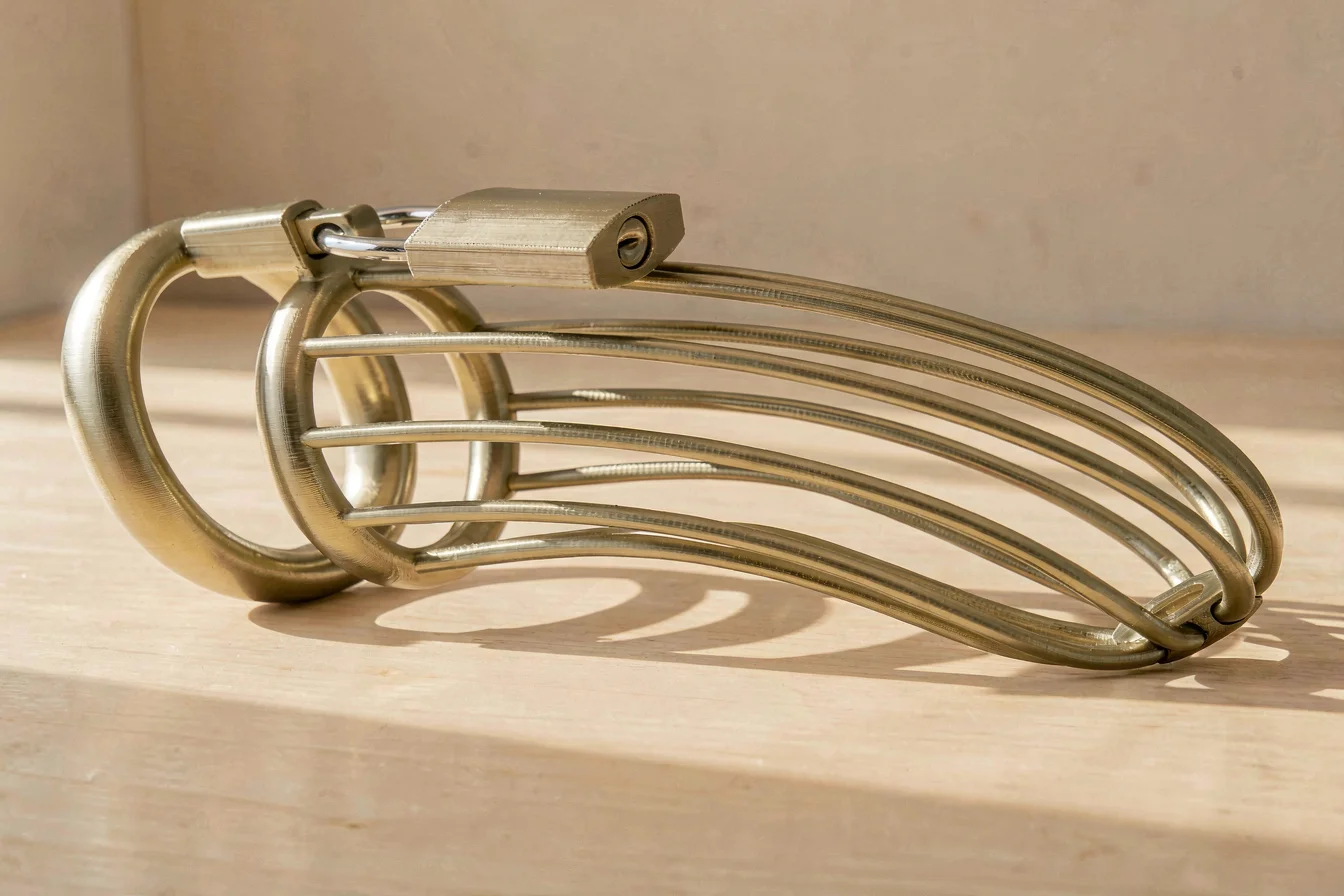
Custom 3d printed chastity devices are rapidly outpacing traditional metal chastity devices in buyer demand, especially for those seeking personalized fit, lightweight comfort, and unique aesthetics. Metal devices remain preferred for durability and established security, but face criticism for limited sizing and hygiene challenges. Buyers must weigh customization, comfort, and long-term reliability when selecting their next purchase [1][2][4][6].
The core value of chastity devices lies in comfort, security, and personalization, but buyer pain points diverge sharply between 3D printed and metal variants. Custom 3d printed chastity devices deliver unmatched customization, with buyers able to specify precise sizing, shape, and design tailored to their anatomy. This is especially important for buyers seeking comfort during extended wear, as 3D printed cages are lighter, hypoallergenic, and engineered for ergonomic fit [2][6]. In contrast, traditional metal chastity devices are favored for their robust construction, security, and longevity, but are often criticized for discomfort, difficulty cleaning, and limited size options [4][7].
Technological innovation in 3D printing has enabled advanced finishing techniques like vapor smoothing, which minimizes print layers and improves hygiene, addressing previous complaints about texture and bacterial buildup [5]. Metal devices, while durable, can suffer from sharp edges and thermal sensitivity (cold or hot to the touch), prompting safety concerns for long-term wear [4].
| Feature | Custom 3D Printed Chastity Devices | Traditional Metal Chastity Devices |
|---|---|---|
| Customization | Full size and shape customization, tailored fit | Standard sizing, limited options |
| Weight | Lightweight, ergonomic | Heavy, less comfortable for long wear |
| Durability | High with advanced finishing, may crack under extreme force | Very durable, robust construction |
| Hygiene | Requires careful cleaning, porous material | Easy to clean, non-porous |
| Security | Advanced locks, but may lack traditional metal robustness | Established security, lock options |
| Price Range | $20–$100 (custom) | $15–$80 |
Custom 3D printed devices are ideal for buyers prioritizing comfort and personalization, while metal devices suit those seeking maximum durability and established security.
Durability and application scenarios are central to procurement logic for chastity devices . Custom 3d printed chastity devices are engineered for long-term wear, with PA12 nylon offering resilience and hypoallergenic properties, but may crack under extreme force or impact [4][6]. Modern finishing techniques like vapor smoothing enhance surface quality and hygiene, mitigating concerns about print lines and bacterial buildup [5]. In contrast, traditional metal chastity devices are renowned for their longevity and robustness, surviving harsh conditions but often requiring careful cleaning to avoid rust or skin irritation [4][7].
Application scenarios diverge: 3D printed devices excel for buyers seeking discreet, lightweight solutions for everyday or sleep use, while metal devices are preferred for high-security applications or those needing robustness for intense play [2][4]. Maintenance costs are higher for 3D printed devices due to more frequent cleaning and potential replacement, while metal devices require less frequent maintenance but may incur costs for replacement if damaged.
| Cost Factor | Custom 3D Printed Chastity Devices | Traditional Metal Chastity Devices |
|---|---|---|
| Initial Purchase Price | $20–$100 | $15–$80 |
| Maintenance (5 years) | Frequent cleaning, potential replacement ($30–$50) | Occasional cleaning, minimal replacement ($10–$20) |
| Replacement Frequency | 1–2 times per year (if cracked) | Rare, unless damaged (every 5+ years) |
| Hidden Costs | Cleaning supplies, possible customization fees | Cleaning supplies, rust prevention |
| Total Cost (5 years) | $50–$150 | $30–$100 |
Buyers should assess their expected usage patterns and maintenance tolerance when choosing between 3D printed and metal devices.
The chastity device category delivers value through personalization, comfort, and secure restriction. Market urgency is driven by rising demand for discreet, customizable solutions, especially as urbanization and e-commerce expand buyer access [1].
Custom 3D printed devices dominate in comfort and customization, while metal devices remain strong in durability and security.
Google Trends data shows custom 3d printed chastity devices surging in search interest from late 2025, peaking at 71 in February 2026, versus 52 for traditional metal chastity devices . This reflects a growing preference for personalized, lightweight solutions, especially among buyers seeking comfort and unique aesthetics [1].
Search Interest over Time
Search trends indicate buyers are increasingly favoring 3D printed devices, signaling a shift toward customization and comfort.
Reddit and TikTok discussions reveal buyer preferences and pain points for chastity devices . Case studies highlight distinct buyer personas:
Case Study 1: Custom 3D Printed Buyer (Reddit)
Buyer: A privacy-conscious user seeking discreet packaging and tailored fit for extended use.
"Hey man, if privacy's your main worry, chastitycages.co does discreet packaging and billing – plain box, no logos or hints, and the charge shows neutral on your card. Super common for first-timers to go that route without family drama." [9]
Outcome: The buyer successfully ordered a custom 3D printed device, praising the comfort and discreet delivery. The device fit perfectly and was easy to clean, but required careful maintenance to avoid bacterial buildup.
Case Study 2: Traditional Metal Buyer (Reddit)
Buyer: An experienced collector prioritizing durability and security for intense play.
"I’m fairly new to playing around with metal anal toys. Specifically to massage the prostate in hopes of achieving a HFWO. I have a knockoff njoy wand and a smaller handheld device with a series of ridges (I wouldn’t call them beads by any means)." [13]
Outcome: The buyer preferred metal devices for their robustness and lock security, but noted discomfort and difficulty cleaning. They advised careful selection and trusted brands for best results.
| Dimension | Custom 3D Printed Chastity Devices | Traditional Metal Chastity Devices |
|---|---|---|
| Overall Satisfaction | High for comfort and fit | High for durability and security |
| Most Praised Feature | Customization, lightweight design | Robust construction, lock security |
| Most Common Complaint | Hygiene, potential cracking | Discomfort, cleaning difficulty |
| Community Recommendation Rate | Rising, especially for new buyers | Stable, preferred by experienced users |
Viral content themes include debates over customization, privacy, and hygiene, with TikTok and Reddit trending toward 3D printed devices for comfort and discreet delivery. Recurring debate points focus on material safety, cleaning, and long-term reliability.
Online communities increasingly recommend custom 3D printed devices for comfort and privacy, while metal devices retain strong support among experienced users.
Buyers must clarify their core needs before selecting a chastity device . Key questions:
Tiered recommendations:
| Tier | Recommended Product | Key Reason |
|---|---|---|
| Budget-Friendly | Traditional Metal Chastity Devices | Lower price, robust security |
| Mid-Range | Custom 3D Printed Chastity Devices | Comfort, customization, discreet delivery |
| Premium | Custom 3D Printed Chastity Devices | Advanced finishing, unique aesthetics |
Optimization tips:
Buyers should match device choice to their specific needs, budget, and maintenance tolerance for optimal satisfaction.
Synthesizing insights, custom 3d printed chastity devices are positioned for continued growth in buyer demand, driven by rising customization needs, comfort, and discreet packaging. Traditional metal chastity devices will remain relevant for buyers prioritizing durability and security, but may see declining market share as innovation in 3D printing accelerates. Over the next 6–12 months, expect further improvements in material safety, advanced finishing, and personalized design options, especially on platforms like Alibaba.com.
Buyers are encouraged to share their experiences to inform future product development and supply chain improvements. Commercial buyers should leverage wholesale platforms to access the latest innovations and negotiate bulk pricing for custom solutions.
Confident buyers should act now, prioritizing customization, comfort, and hygiene, while sharing feedback to drive industry progress.