
All categories
Featured selections
Trade Assurance
Buyer Central
Help Center
Get the app
Become a supplier
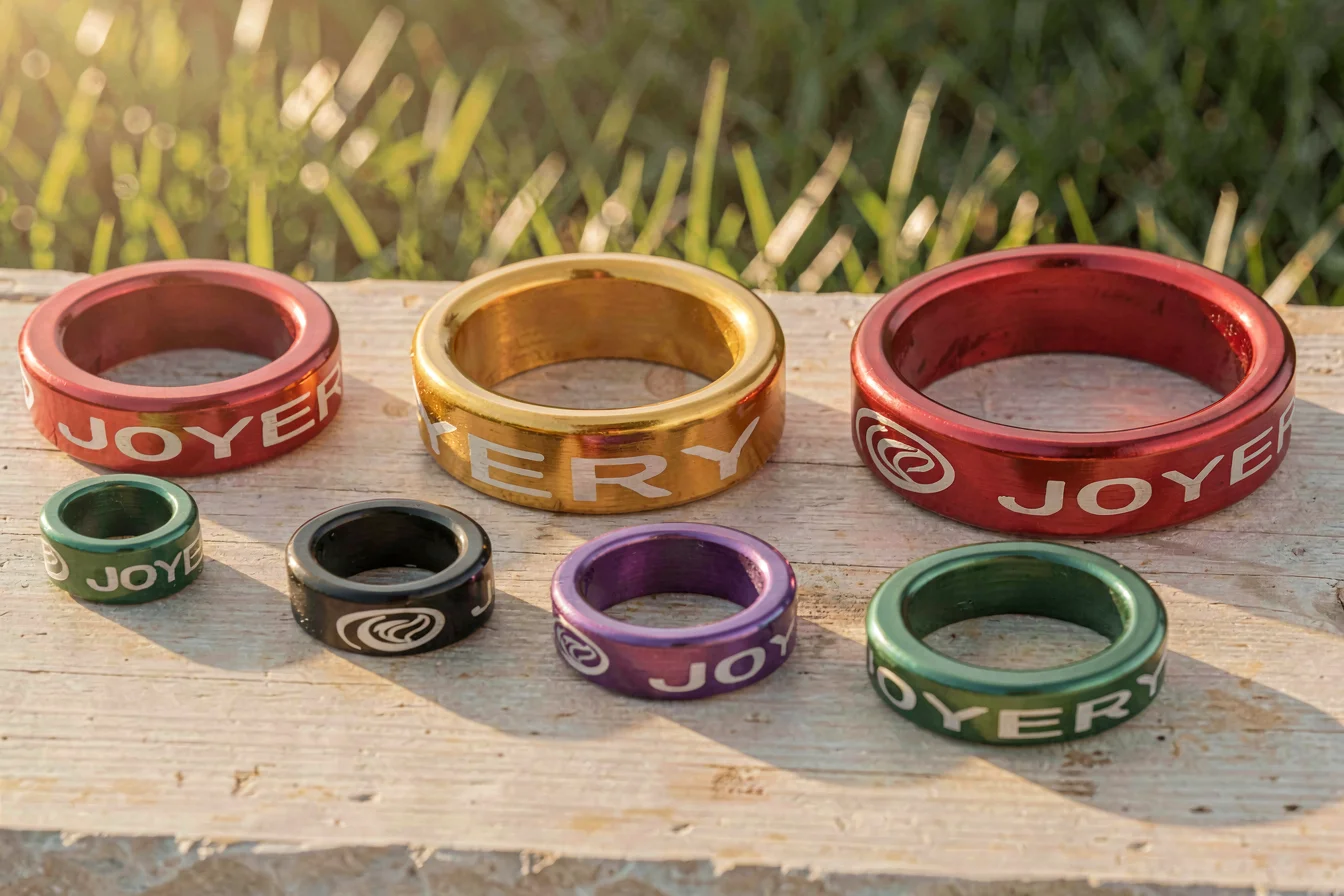
For commercial poultry operations and breeders, metal chicken leg bands deliver superior durability and reliable identification, outperforming plastic chicken leg bands in long-term use. Plastic bands are cost-effective and easier to apply, but they often fade, break, or are lost within months. Global search trends show rising demand for metal bands, especially as breeding and traceability needs intensify[1][2][3].
The core value of leg bands is to enable precise identification, tracking, and traceability for poultry—critical for commercial breeders, veterinary care, and compliance. Plastic chicken leg bands are favored by small-scale hobbyists and beginners for their ease of application, low cost, and minimal risk of injury, but they suffer from fading, breakage, and frequent loss, especially in outdoor or high-traffic environments[3]. In contrast, metal chicken leg bands (typically aluminum or stainless steel) are prized for their durability, resistance to fading, and ability to withstand harsh conditions, making them the preferred choice for professional breeding and high-value flocks. However, metal bands can pose risks of frostbite in cold climates, rust if exposed to water, and require careful sizing to avoid injury or discomfort[3].
Technological innovations in metal bands include rust-resistant coatings, split rings for easy application, and custom engraving for traceability, while plastic bands now offer improved UV resistance and snap-on designs. The urgency to choose the right band is heightened by regulatory and compliance needs, as well as the desire to minimize lost or misidentified birds.
| Feature | Plastic Chicken Leg Bands | Metal Chicken Leg Bands |
|---|---|---|
| Durability | Prone to fading, breakage, loss; lifespan 6–12 months | Highly durable; lasts 2+ years; resistant to fading |
| Application Ease | Easy to apply; no special tools needed | Requires pliers or special tools; careful sizing needed |
| Identification Reliability | Low; numbers fade; bands lost easily | High; numbers remain legible; permanent |
| Cost | $0.03–$0.10/unit | $0.05–$0.35/unit |
| Risk Profile | Low risk of injury; high risk of loss | Risk of frostbite, rust; must monitor fit |
Metal bands provide the most reliable long-term identification, while plastic bands suit short-term or low-risk setups.
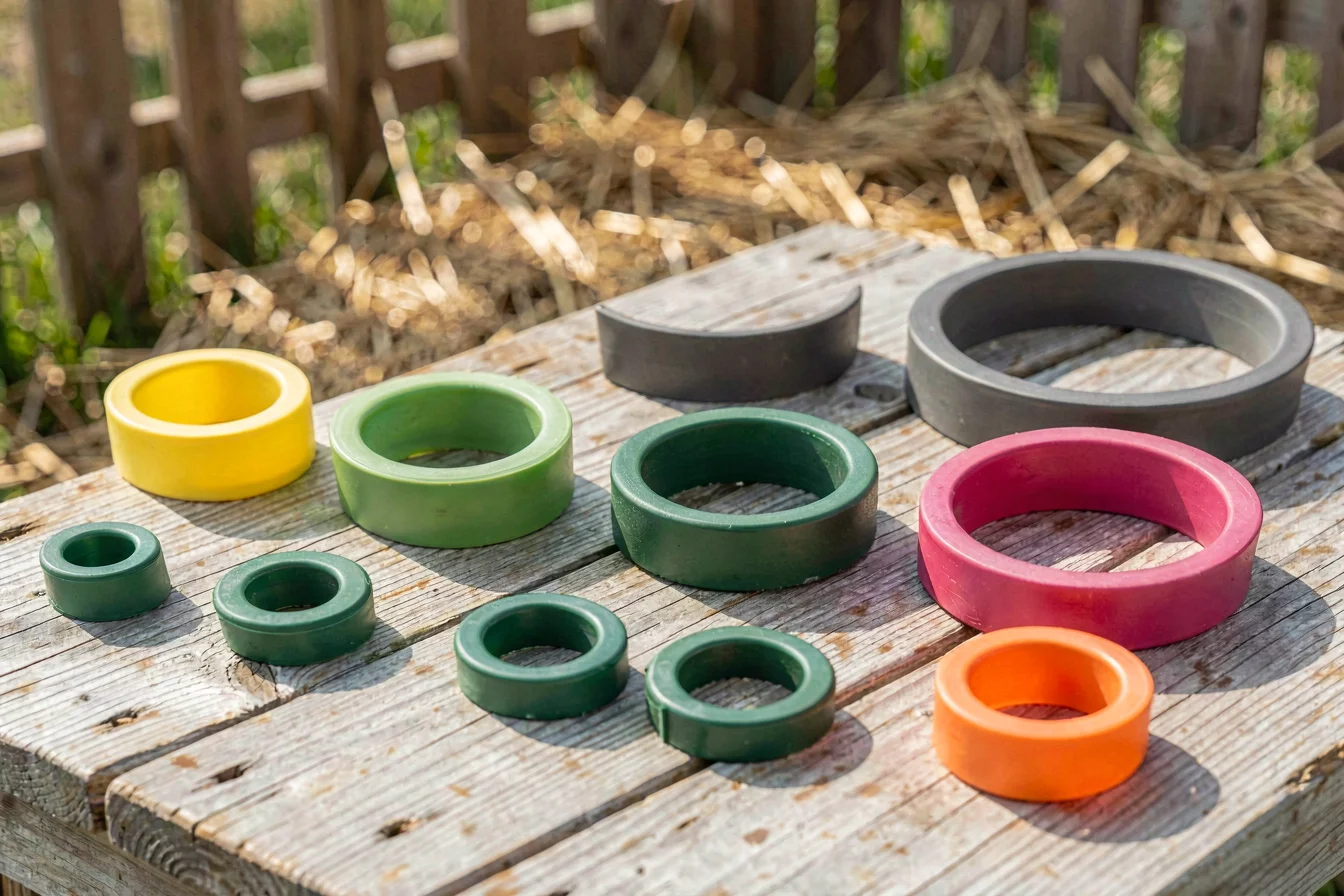
Durability is the single most important factor for buyers seeking long-term poultry identification. Plastic chicken leg bands typically last 6–12 months before fading or breaking, especially in direct sunlight or high-movement environments, while metal chicken leg bands can last 2+ years and withstand harsh weather, rough handling, and frequent movement[2][3]. Metal bands, however, may rust if exposed to moisture or freeze to legs in cold climates, necessitating careful selection of rust-resistant materials and proper sizing[3].
Application scenarios reveal that plastic bands are ideal for temporary identification, small flocks, or short-term projects, but they fall short for commercial breeding, traceability, or compliance. Metal bands are preferred for large-scale operations, pedigree tracking, and situations where permanent identification is crucial. Plastic bands also appeal to hobbyists and those seeking colorful, custom designs for visual differentiation, while metal bands support engraving and custom numbering for regulatory compliance.
Long-term cost evaluation includes not only initial purchase price but also replacement frequency, labor for reapplication, and hidden costs such as lost or misidentified birds. A 5-year cost outlook shows metal bands offering lower total cost of ownership for high-turnover or high-value flocks, while plastic bands may be more cost-effective for low-risk, short-term use.
| Cost Factor | Plastic Chicken Leg Bands | Metal Chicken Leg Bands |
|---|---|---|
| Initial Purchase Price | $0.03–$0.10/unit | $0.05–$0.35/unit |
| Replacement Frequency | Every 6–12 months | Every 2+ years |
| Labor for Reapplication | Low | Moderate (requires pliers) |
| Hidden Costs | Lost/misidentified birds, fading | Frostbite risk, rust, injury risk |
| 5-Year Total Cost | Higher (replacements, lost birds) | Lower (fewer replacements, reliable ID) |
Metal bands minimize replacement and identification costs, making them ideal for commercial and breeding operations.
The leg band market delivers critical value in poultry identification, traceability, and regulatory compliance, with urgency rising due to urbanization, multi-generational living, and increased demand for pedigree tracking. Plastic chicken leg bands excel in scenarios requiring temporary identification, visual differentiation, and ease of application, while metal chicken leg bands dominate high-value breeding, regulatory compliance, and permanent tracking.
Market trend data shows urbanization and increased backyard poultry keeping driving demand for both types, but commercial breeders and regulatory bodies are shifting toward metal bands for traceability and compliance[1].
Search Interest over Time
Interest in metal bands is rising, especially as breeding cycles and regulatory demands increase.
Case studies from Reddit and TikTok reveal the lived experiences of poultry keepers and breeders. One hobbyist reports frustration with brittle, fading plastic bands: “I ordered 1 pack from Amazon. They came but they’re snapping hard plastic. Chicken Bands It shouldn’t have surprised me since you can see in the pictures the clicking latch so they’d have to be hard plastic.” Community feedback confirms the risk of brittle plastic bands and the need for alternatives[5].
A commercial breeder on BackYard Chickens states: “Metal. Metal. Metal. Metal. Metal. Metal ones. I used the plastic kind, and a year or so later they're brittle and most of the birds have lost them. If you really need to know who's who, metal is the best bet without a doubt.” This sentiment is echoed across multiple platforms, with users noting that plastic bands are easier to read initially but often fail over time[2].
Another breeder highlights the practicality of metal bands: “I have both. I use the size 9 plastic numbered bandettes for my silkies, size 7 for call ducks, and I use the adjustable metal bands size 9–13 for my brahmas, and silkies.” Customization, ease of application, and visual differentiation are cited as advantages of plastic bands, but reliability and longevity are cited as metal’s greatest strengths[2].
“Metal. Metal. Metal. Metal. Metal. Metal ones... If you really need to know who's who, metal is the best bet without a doubt.” — BackYard Chickens user [2]
“I ordered 1 pack from Amazon. They came but they’re snapping hard plastic... Does everyone else use these or is there a soft plastic alternative?” — Reddit user [5]
| Dimension | Plastic Chicken Leg Bands | Metal Chicken Leg Bands |
|---|---|---|
| Overall Satisfaction | Moderate (easy to apply, fades/losses) | High (long-lasting, reliable ID) |
| Most Praised Feature | Ease of application, visual differentiation | Durability, permanent identification |
| Most Common Complaint | Brittle, fades, lost easily | Frostbite, rust, injury risk |
| Community Recommendation Rate | Low for commercial use | High for breeding and compliance |
Viral content themes include debates over band materials, customization, and injury risks. TikTok and Reddit users frequently share creative solutions for customizing bands, troubleshooting application, and sharing horror stories about brittle bands. Cultural reception favors metal bands for reliability, while plastic bands remain popular among hobbyists for ease and color options.
Community consensus is clear: metal bands offer superior reliability, while plastic bands are valued for simplicity and visual appeal.
Buyers should begin by identifying their core needs. Key questions include:
Tiered recommendations:
| Tier | Recommended Product | Key Reason |
|---|---|---|
| Budget-Friendly | Plastic Chicken Leg Bands | Lowest cost, easy to apply, short-term use |
| Mid-Range | Metal Chicken Leg Bands | Better durability, moderate cost, reliable ID |
| Premium | Custom Metal Chicken Leg Bands | Custom engraving, traceability, compliance |
Optimization tips:
Buyers should align band choice with flock size, compliance needs, and budget, prioritizing durability for high-value or regulatory contexts.
Synthesizing insights from all modules, the strategic roadmap for leg band procurement is clear: metal bands offer superior durability, reliability, and compliance, making them the optimal choice for commercial breeding, pedigree tracking, and regulatory contexts. Plastic bands remain valuable for temporary, low-risk, or visual differentiation needs, but their limitations in longevity and identification reliability must be acknowledged. Forward-looking trends show rising global demand for metal bands, especially as breeding cycles intensify and traceability requirements increase. Buyers should act confidently, selecting metal bands for high-value or regulatory flocks and plastic bands for short-term or hobbyist use.
Confident buyer action is crucial: share your leg band experiences with the poultry community and commercial buyers should leverage wholesale platforms like Alibaba.com for bulk procurement, custom engraving, and supply chain resilience.