
All categories
Featured selections
Trade Assurance
Buyer Central
Help Center
Get the app
Become a supplier
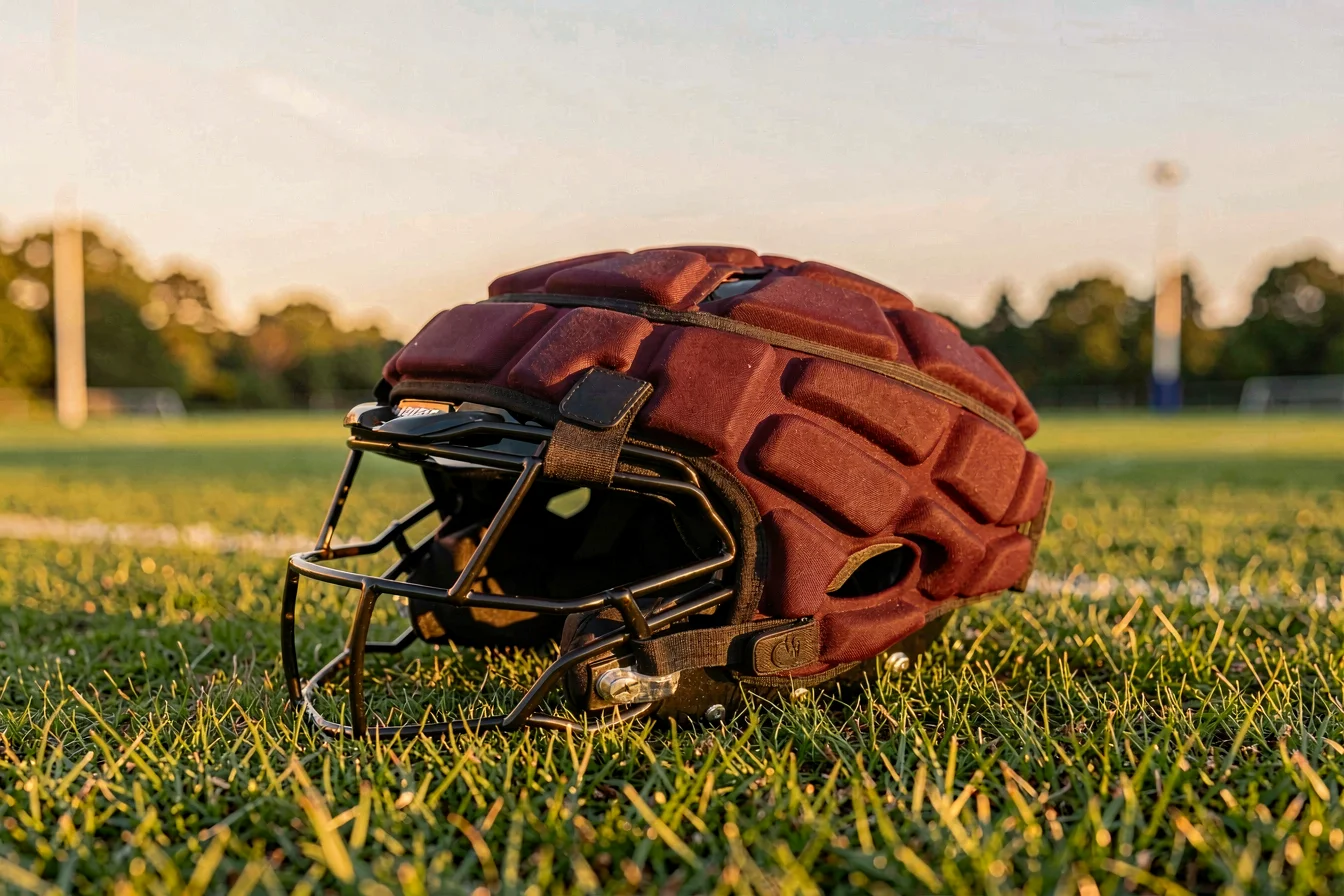
Buyers in 2026 face a clear decision: custom rugby headgear delivers tailored branding, fit, and compliance for specialized teams and high-profile buyers, while standard rugby headgear offers reliable affordability and broad regulatory compliance for mass-market use. Custom demand is surging, but standard headgear remains dominant in volume and safety certifications. The procurement choice hinges on balancing customization needs, cost structure, and regulatory requirements for optimal supply-chain resilience.
The rugby headgear market is split between custom rugby headgear , which offers personalized branding, fit, and compliance for elite teams and clubs, and standard rugby headgear , which prioritizes affordability, regulatory compliance, and mass-market appeal. Custom solutions target buyers seeking unique branding, tailored fit, and compliance with local or club standards, but face higher costs and variable impact performance. Standard models, by contrast, are engineered to meet World Rugby’s strict safety requirements, including maximum padding thickness (12 mm) and minimum transmitted acceleration (200 g), making them the default for mass production and compliance-driven procurement[2][3].
Custom headgear is especially valued in youth and professional segments, where branding and fit are critical, but buyers must navigate the challenge of balancing customization with regulatory compliance and impact performance. Standard headgear, while less flexible, is trusted for its consistent safety, lower price point, and widespread adoption across schools and clubs.
Custom rugby headgear delivers superior branding and fit but may sacrifice impact performance and regulatory consistency, while standard headgear offers cost efficiency, compliance, and proven safety across mass markets.
| Feature | Custom Rugby Headgear | Standard Rugby Headgear |
|---|---|---|
| Branding & Fit | Tailored, club/team branding, individual fit | Generic, one-size-fits-all or limited sizing |
| Impact Performance | Variable, depends on material & design | Consistent, meets World Rugby standards |
| Regulatory Compliance | May require additional certification | Pre-certified for global compliance |
| Price Range | 20–30% higher than standard | Lowest cost, mass-market pricing |
| Replacement Frequency | Higher due to customization & wear | Lower, standardized wear & tear |
Durability is a core concern for both custom rugby headgear and standard rugby headgear . Custom models often use premium materials and tailored fit, which can result in higher wear and replacement rates, especially under heavy use. Standard headgear, engineered for mass-market durability, typically lasts longer with lower maintenance needs, though fit and comfort may vary. In terms of real-world application, custom headgear excels in youth and professional leagues where branding and fit are prioritized, while standard headgear is favored in schools, clubs, and mass-market retail for its proven reliability and compliance.
Long-term cost evaluation shows that custom headgear incurs higher initial and replacement costs, but may reduce injury risk through better fit and comfort. Standard headgear, with its lower price and longer lifespan, is the preferred choice for buyers seeking cost efficiency and regulatory compliance over customization.
Durability, fit, and long-term cost are pivotal: custom headgear offers superior fit but higher replacement rates, while standard headgear delivers consistent safety and lower lifetime costs.
| Cost Factor | Custom Rugby Headgear | Standard Rugby Headgear |
|---|---|---|
| Initial Purchase Price | $30–$55 per unit | $20–$35 per unit |
| Replacement Frequency | Every 1–2 seasons | Every 2–3 seasons |
| Maintenance Cost | Higher due to customization | Lower, standardized cleaning |
| Hidden Costs | Certification, branding, logistics | Minimal, mass-market logistics |
| 5-Year Total Cost | $150–$280 | $100–$175 |
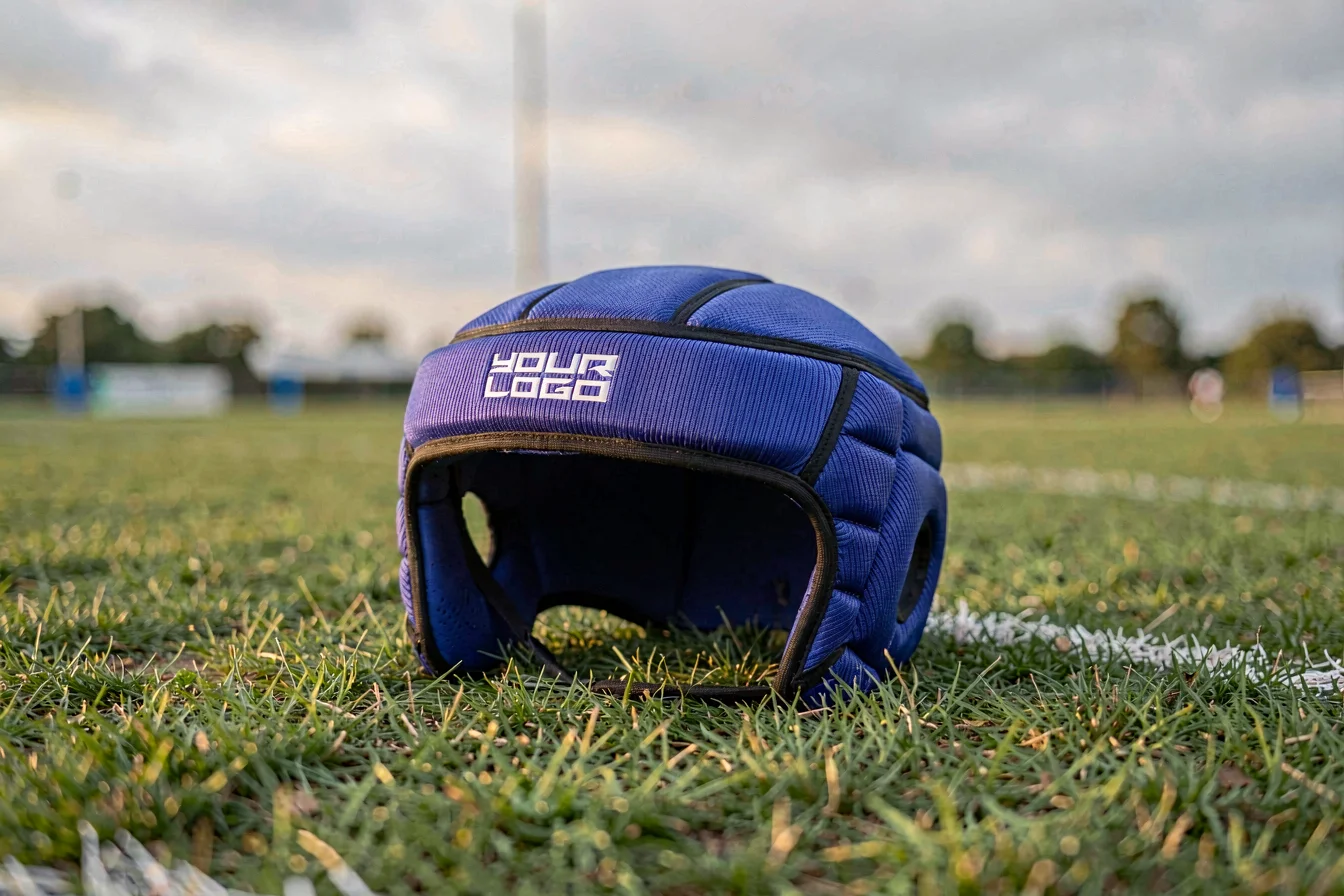
Choosing between custom rugby headgear and standard rugby headgear is increasingly driven by market trends and application scenarios. Custom headgear is seeing rapid growth in youth, professional, and club segments, where branding, fit, and compliance are crucial. Standard headgear, however, remains the backbone for schools, mass-market retail, and international clubs due to its affordability and regulatory consistency.
Custom headgear excels in:
Standard headgear excels in:
Market trend data from Google Trends shows both types peaking in late 2025 and early 2026, indicating strong seasonality and rising demand for customization[1].
Custom headgear leads in branding and fit, standard headgear dominates in mass-market compliance and affordability.
Google Trends reveals a sharp rise in searches for both custom rugby headgear (men) and standard rugby headgear (kids), with both peaking in December 2025 and early 2026, indicating strong seasonality and demand for both categories[1].
Search Interest over Time
Both headgear types show synchronized growth, with custom models gaining ground in men’s segments and standard models remaining strong in youth and school markets.
Social media and Reddit discussions offer nuanced insights into the real-world experiences of custom rugby headgear and standard rugby headgear . Custom headgear is praised for fit and branding, but users report discomfort, higher cost, and variable impact performance. Standard headgear is favored for affordability, compliance, and proven safety, though fit complaints persist. Reddit threads highlight pain points such as overheating, poor fit, and limited impact protection, with some users noting that custom models can cause injury if not properly fitted.
Case Study 1: A youth club coach in New Zealand shares: “We switched to custom headgear for our youth team—fit is much better, and the kids love the branding. But replacement rates are higher, and we had to pay extra for certification.”
“Got my son an npro scrum cap a while ago. Was looking into the world rugby trial. I didn't know that they have standards deliberately limiting how much impact the scrum cap can absorb. The trial allows for as much to be absorbed as possible. Currently I believe only npro are approved.”
Case Study 2: A professional player on Reddit comments: “Up until age 27, I never wore a scrum cap. I had 4 concussions and many cuts. I started wearing one and never got cut, but still had 3 concussions. Fit and comfort are key, but impact protection is limited.”
“From my own experience: up until age 27-ish I never wore a scrum cap. I had had about 4 serious concussions, but I had been cut/bled/needed stitches many times over (10+). So I started wearing one. I never got cut thereafter, but in the next 5 years I got 3 bad concussions still, so not sure it was a massive difference.”
Sentiment overview table:
| Dimension | Custom Rugby Headgear | Standard Rugby Headgear |
|---|---|---|
| Overall Satisfaction | Mixed (fit, branding, higher cost) | High (affordability, compliance) |
| Most Praised Feature | Custom fit and branding | Consistent safety and price |
| Most Common Complaint | Higher cost, variable impact performance | Poor fit, limited branding |
| Community Recommendation Rate | Moderate (youth, branding-driven) | High (mass-market, compliance-driven) |
Table data sourced from [5][7][14].
Viral content themes include debates on impact protection, fit, and branding, with custom headgear trending in youth and professional segments, while standard headgear remains the default in schools and clubs. Cultural reception favors custom models for branding and fit, but standard models for safety and affordability.
Social sentiment reveals custom headgear’s fit and branding appeal but highlights higher cost and variable safety, while standard headgear is trusted for compliance and affordability.
Buyers must identify their core needs before selecting between custom rugby headgear and standard rugby headgear . Key questions include: What is the primary use case (youth, professional, club)? Is branding or fit a priority? What is the budget range? Are regulatory certifications required? What is the expected replacement frequency?
Tiered recommendations:
| Tier | Recommended Product | Key Reason |
|---|---|---|
| Budget-Friendly | Standard Rugby Headgear | Lowest cost, compliance, mass-market appeal |
| Mid-Range | Standard Rugby Headgear | Proven safety, moderate price, broad fit |
| Premium | Custom Rugby Headgear | Branding, fit, regulatory compliance |
Optimization tips: Buy during off-season for best pricing; bundle with club merchandising for custom models; prioritize fit and impact performance for youth and professional buyers; avoid common mistakes like ignoring regulatory compliance or underestimating replacement rates.
Buyers should match product choice to use case, budget, and compliance priorities, optimizing for fit, branding, and safety.
Synthesizing key insights: custom rugby headgear is surging in demand, especially among youth and professional segments, but buyers must balance customization, regulatory compliance, and impact performance. Standard rugby headgear remains the dominant choice for mass-market procurement, offering affordability and proven safety. Over the next 6–12 months, expect continued growth in custom headgear demand, driven by branding, fit, and regulatory changes. Buyers should proactively source from platforms like Alibaba.com, leveraging OEM/ODM support for custom solutions and bulk procurement for standard models.
Confident procurement depends on matching headgear type to buyer needs, with custom models excelling in branding and fit, and standard models dominating compliance and cost efficiency.
Call-to-action: Share your headgear experiences and feedback with clubs and communities, and commercial buyers should source bulk and custom solutions on Alibaba.com for optimal supply-chain resilience and competitive advantage.