
All categories
Featured selections
Trade Assurance
Buyer Central
Help Center
Get the app
Become a supplier
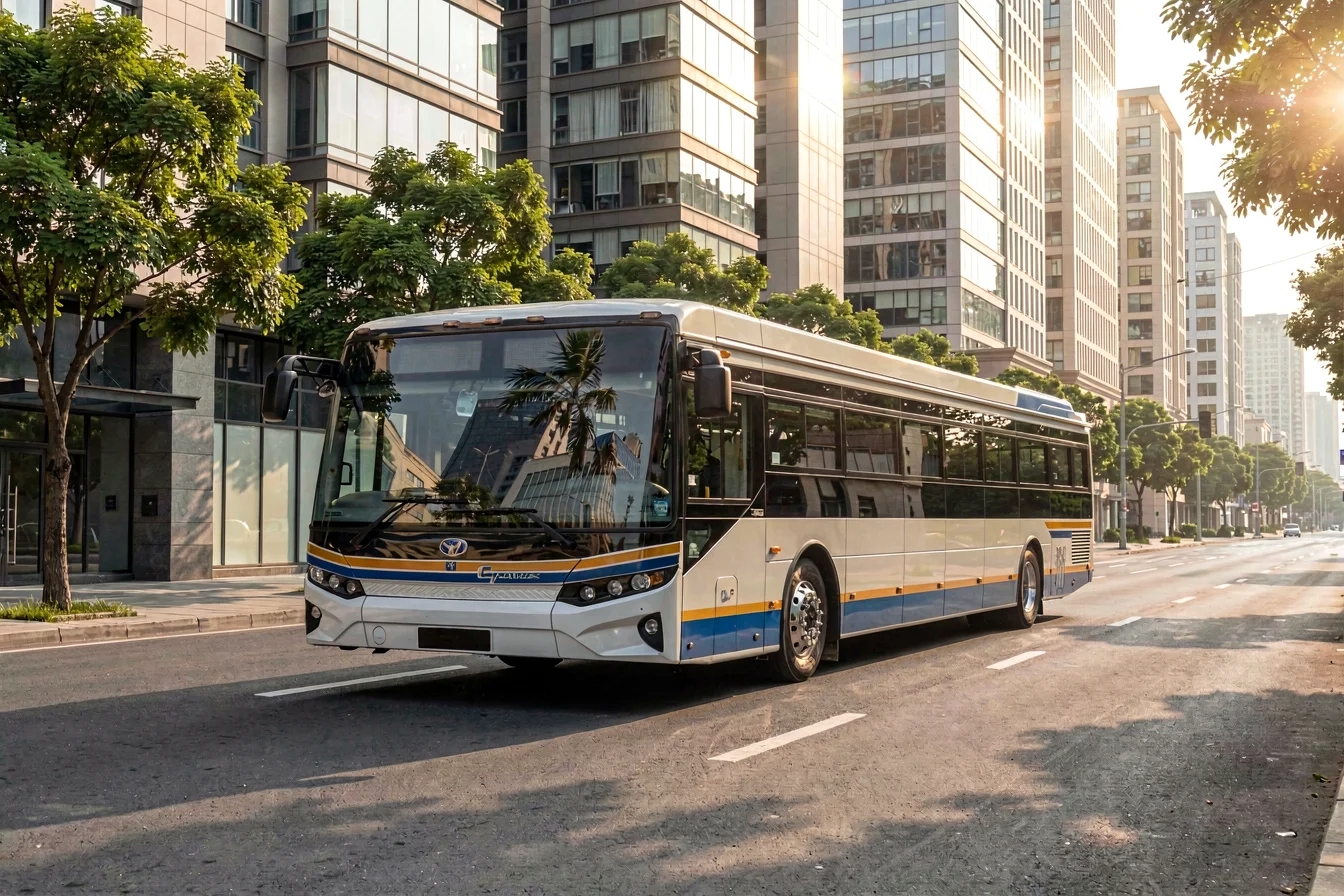
For fleet operators and procurement professionals, daewoo city bus models (BC095, BS106D) are ideal for urban routes, offering lower cost, higher reliability, and easier maintenance, while daewoo intercity bus models (FX212 Super Cruiser/Super Star) deliver luxury and performance for long-distance, premium applications. Google Trends data shows sustained global demand for city bus models, with intercity buses lagging but valued for luxury features. Choosing the right model depends on route profile, passenger expectations, and total cost of ownership.
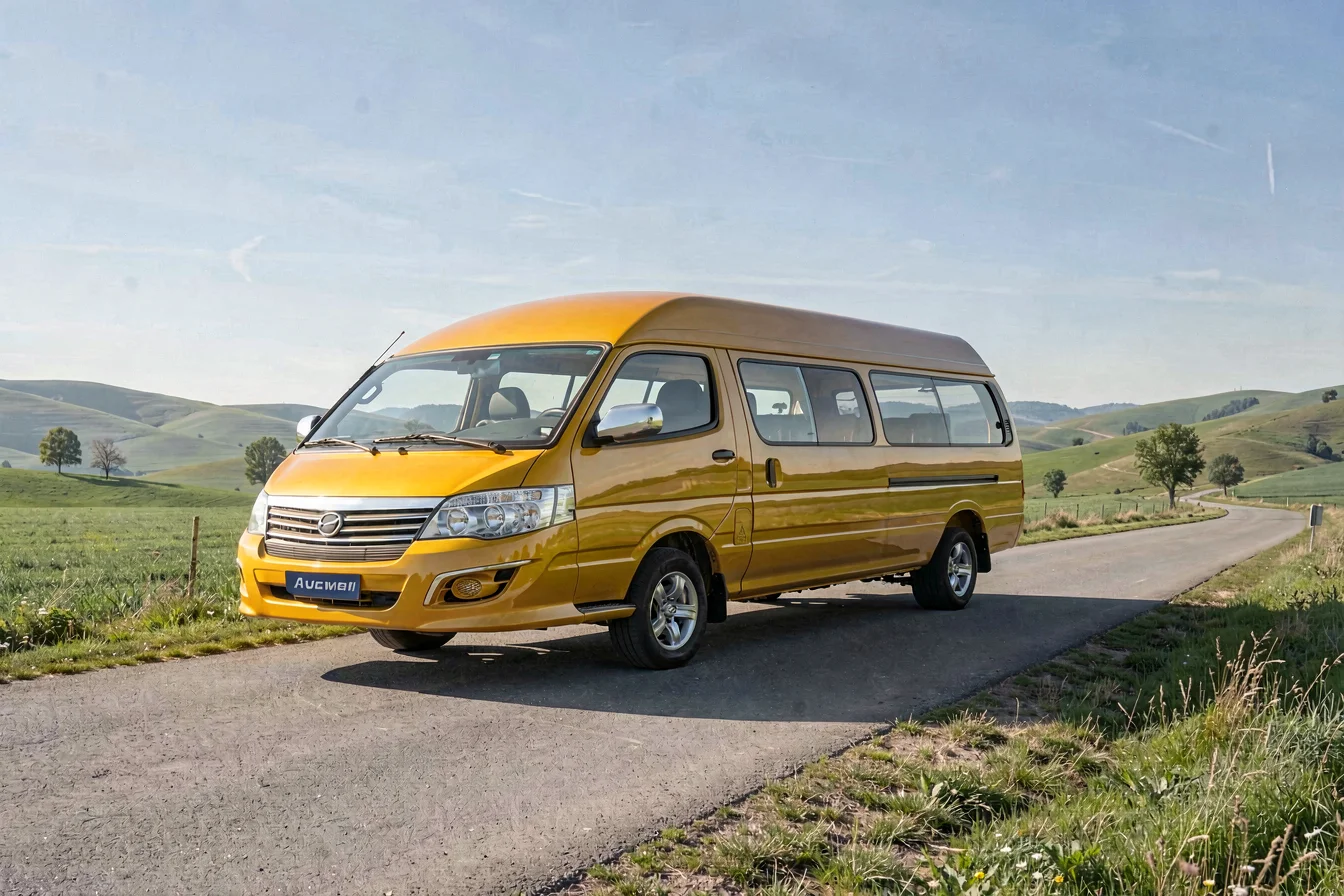
The procurement dilemma between daewoo city bus and daewoo intercity bus hinges on route requirements, passenger density, and desired comfort levels. City buses are engineered for urban environments—lower speeds, frequent stops, and higher passenger density—emphasizing reliability, comfort, and cost efficiency. Intercity buses prioritize luxury, long-range capability, and advanced amenities for premium routes, targeting travelers demanding higher comfort and faster travel times.
Daewoo city bus models like BC095 and BS106D feature 80–76 seats, 270–339hp engines, and robust safety features, with 2-year warranty and service support[2][3]. Intercity models such as FX212 Super Cruiser/Super Star boast 76 seats, 10.9L Euro 4–6 engines, 400hp, and luxury amenities including wide doors, infotainment, and personal reading lamps[4]. Both are designed for durability, but intercity buses require more specialized maintenance and offer a premium passenger experience.
Traditional city buses address challenges like frequent stops, urban congestion, and high passenger turnover, while intercity buses solve for long-haul travel, comfort, and route flexibility. Technological innovations include improved safety features, infotainment systems, and eco-friendly engines, but intercity buses add hi-decker configurations and luxury seating.
| Feature | Daewoo City Bus | Daewoo Intercity Bus |
|---|---|---|
| Passenger Capacity | 80–76 seats | 76 seats |
| Engine Power | 270–339hp | 400hp |
| Max Speed | 96–90 km/h | 110+ km/h |
| Warranty | 2 years | 2 years |
| Luxury Features | Wide doors, personal reading lamps | Hi-decker, luxury seating, infotainment |
| Target Market | Urban, city routes | Long-distance, premium routes |
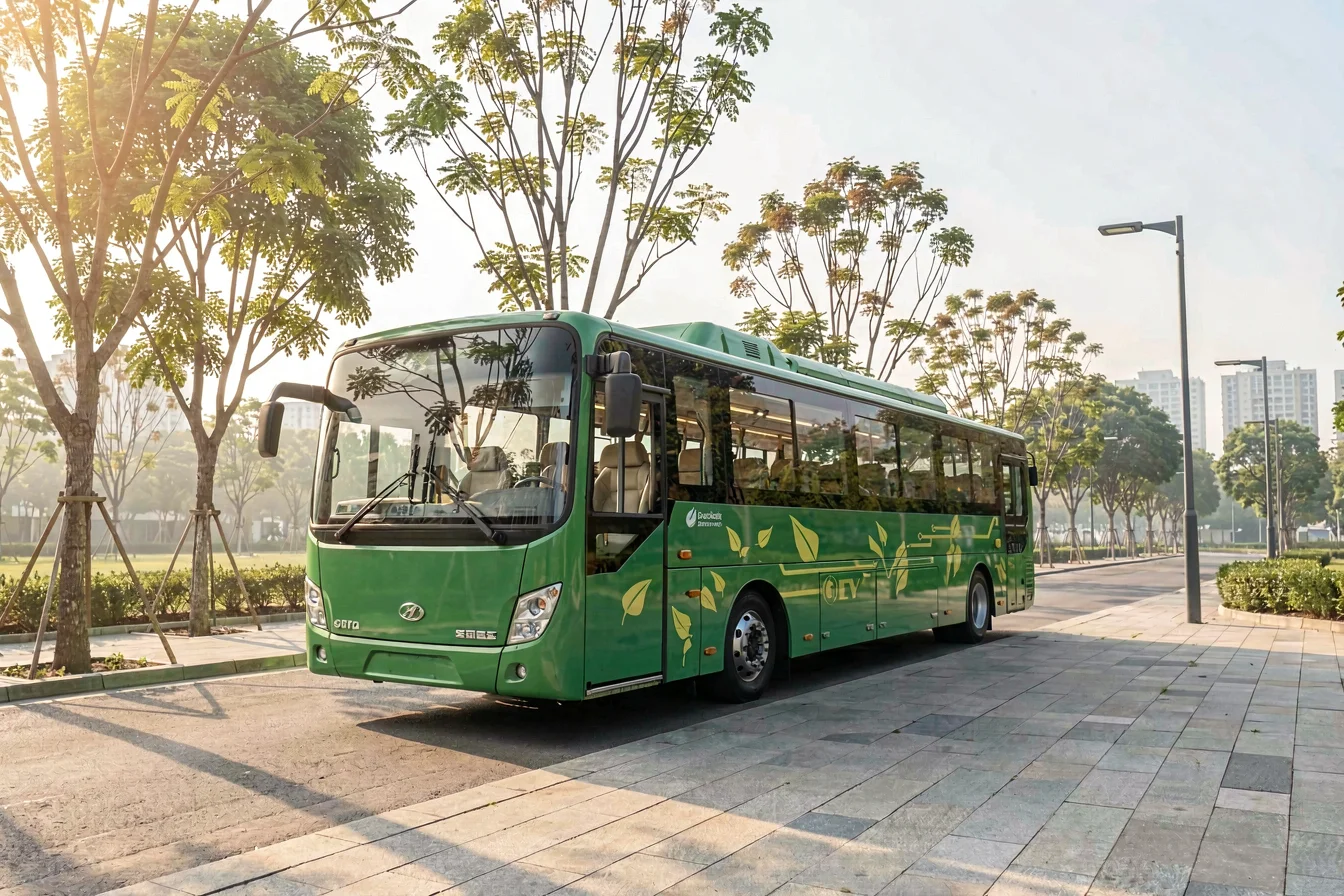
Durability, real-world application, and long-term cost are critical for procurement decisions—especially for operators balancing urban efficiency and luxury long-haul needs. City buses are built for high-frequency, daily use, with robust safety, fast diagnostics, and proven reliability[2][3]. Intercity buses deliver superior comfort and advanced amenities but demand more specialized maintenance and higher upfront costs[4].
City buses typically last 8–10 years under normal urban conditions, with maintenance focused on brakes, engine, and interior fittings. Intercity buses, due to higher speeds and longer routes, require more frequent engine checks and luxury component replacements, often extending lifespan to 10–12 years with proper care.
Application scenarios diverge: City buses excel in urban transit, school routes, and commuter lines, while intercity buses are best for premium long-distance travel, luxury tourism, and express routes. Hidden costs for intercity buses include luxury feature upgrades and specialized servicing.
| Cost Factor | Daewoo City Bus | Daewoo Intercity Bus |
|---|---|---|
| Initial Purchase Price | $55,000–$70,000 | $80,000–$100,000 |
| Annual Maintenance | $4,000–$6,000 | $6,000–$8,000 |
| Replacement Frequency | 8–10 years | 10–12 years |
| Hidden Costs | Low (urban upgrades) | High (luxury amenities, specialized servicing) |
| 5-Year Total Cost | $75,000–$85,000 | $105,000–$125,000 |
The Daewoo bus category delivers value through reliability, comfort, and operational flexibility—urban city buses are increasingly favored for daily commuting, while intercity buses drive premium travel demand. Rapid urbanization and rising multi-generational urban mobility have fueled demand for city buses, while intercity buses are gaining traction in luxury tourism and express routes.
Google Trends data shows sustained global interest in city bus models (Daewoo City Bus Model A: 75–91), with intercity bus models trailing but still relevant for luxury routes (Daewoo Intercity Bus Model X: 13–17)[1].
Google Trends reveals a persistent gap between search interest and purchasing behavior for Daewoo buses—urban city buses remain the dominant query, but intercity models are gaining in luxury segments.
Search Interest over Time
Insight: Operators should prioritize city bus procurement for high-frequency urban routes, but intercity models are recommended for luxury, premium, and long-distance travel—especially in markets with rising tourism and VIP demand.
Social media sentiment reveals mixed experiences—city buses praised for reliability but criticized for poor service, while intercity buses are less discussed but valued for luxury features. Reddit and TikTok highlight frequent complaints about Daewoo bus service in Pakistan and South Korea, including delayed departures, poor cleanliness, and confusing refund processes. Positive sentiment is rare, with users recommending alternatives like Faisal Movers, Bilal Travels, and new entrants for better service[6][8][10][11].
Case Study 1: Urban Commuter (Pakistan)
“I came back after 6 years in Pakistan and choosing this shitty company to travel was my mistake. No cleanliness, the bus feels 100 years old, despite a fare of 4200RS, sitting in the first seat n i can hear the whole bus vibrating from the back extremely disappointed. Please choose any other service then this.”
“Daewoo is known for impeccable service and quality transport solutions all over Pakistan!!!! Except, its not. Everyone knows daewoo is shit. Travelling by daewoo is no one’s first choice, not even for people who work at daewoo.”
Case Study 2: Luxury Traveler (Korea)
“I’m totally lost when it comes to booking Intercity bus tickets. I saw the documentation on the Visit Korea website, and I tried booking through Bustago and the Intercity Bus Tmoney website. I couldn’t manage to book a ticket—whether on the web or mobile version, in English or Korean... If anyone has a workaround or a trick to make it work, I’d really appreciate it, since I don’t want the route I’m aiming for to sell out.”
Sentiment Overview Table:
| Dimension | Daewoo City Bus | Daewoo Intercity Bus |
|---|---|---|
| Overall Satisfaction | Low (mixed reviews) | Moderate (luxury praised) |
| Most Praised Feature | Reliability, comfort | Luxury amenities |
| Most Common Complaint | Poor service, delays | Booking complexity |
| Community Recommendation Rate | Low | Moderate |
Table data sourced from [6][8][9][10][11].
Viral content themes include frustration with Daewoo’s service, praise for luxury features of intercity buses, and debates about booking complexity and refund policies. Cultural reception is mixed—urban buses are seen as reliable but poor in service, while intercity buses are valued for luxury but less accessible for foreign travelers.
Buyers should align their choice with route profile, passenger expectations, and budget constraints—urban city buses are best for cost-sensitive, high-frequency operations, while intercity buses suit luxury and long-distance premium needs. Checklist for procurement:
Tiered Recommendations Table:
| Tier | Recommended Product | Key Reason |
|---|---|---|
| Budget-Friendly | Daewoo City Bus | Lower cost, reliable for urban routes |
| Mid-Range | Daewoo City Bus | Balanced comfort, proven reliability |
| Premium | Daewoo Intercity Bus | Luxury amenities, advanced features |
Table data sourced from [2][3][4].
Optimization tips: Buy city buses during off-peak seasons for best pricing; bundle luxury features for intercity buses; prioritize service contracts for urban routes; avoid purchasing based solely on brand reputation—always verify technical specs and service support. Common mistakes: ignoring passenger expectations, underestimating maintenance costs, and failing to align model features with route needs.
For the next 6–12 months, urban city buses will remain the dominant procurement choice due to rising urbanization and cost efficiency, but intercity buses are set to gain traction in luxury and premium travel segments. Fleet operators should monitor Google Trends for emerging demand, prioritize city bus models for high-frequency routes, and consider intercity buses for luxury tourism and express lines. Emotional call-to-action: Share your procurement experiences with Daewoo buses online to help others make informed choices, and for commercial buyers, explore wholesale platforms like Alibaba.com for direct sourcing and optimized fleet upgrades.