
All categories
Featured selections
Trade Assurance
Buyer Central
Help Center
Get the app
Become a supplier
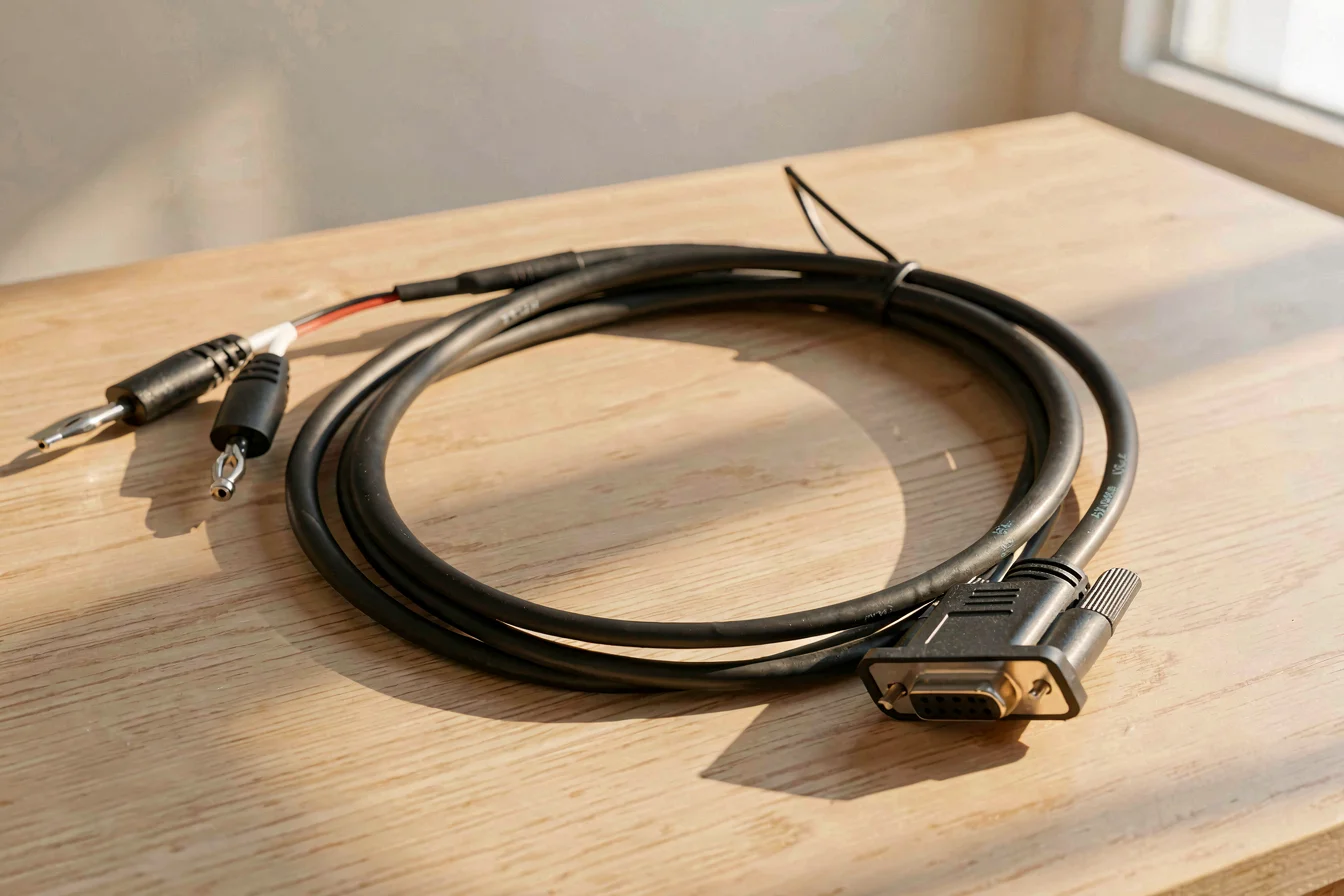
The decision between a DB9 cable and RCA cable is driven by distinct hardware requirements: DB9 cable excels in serial data interface and legacy industrial use, while RCA cable remains the standard for analog audio/video transmission. Each solves a different connectivity pain point—industrial device control versus consumer/professional AV signaling—so your procurement must align with system compatibility and longevity demands. The market shows decreasing demand for both as digital interfaces rise, so strategic sourcing should favor robust quality, vendor longevity, and exact pin/spec requirements.
DB9 cable and RCA cable serve fundamentally different tasks within electronic and electrical networks—confusing the two leads to costly system incompatibilities and operational failures.
A DB9 cable is a 9-pin D-sub connector used for serial communications (often RS-232), historically present in computer legacy systems, industrial automation, and POS/payment terminals. Its strengths are precise device-to-device data exchange, hardware-level flow control, and proven reliability for equipment still using serial protocols. Target users include manufacturers maintaining legacy equipment, automation integrators, and B2B vendors servicing verticals like manufacturing, laboratory automation, or legacy CNC machinery[2][3][4].
In contrast, a RCA cable is engineered for analog (and sometimes digital, as S/PDIF) transmission of audio/video signals in consumer and professional AV setups. It employs single-ended coaxial construction with a strong focus on maintaining signal integrity over moderate distances. The primary user base: AV installers, consumer electronics buyers, audiophiles, and businesses outfitting conference rooms, sound systems, or streaming/production setups[11][12][15].
Selecting the wrong cable can result in total system failure, degraded signal quality, or wasted procurement expenditure. Urgency is amplified by rapid obsolescence of DB9 cable in mainstream computing, and by rising performance standards in high-fidelity AV for RCA cable markets.
Serious buyers must evaluate their port types, device requirements, and upgrade timelines, as DB9 cable and RCA cable cannot substitute for each other in any practical scenario.| Feature | DB9 Cable | RCA Cable |
|---|---|---|
| Purpose | Serial data communication (RS-232/RS-485/control) | Analog/digital audio & video signal transfer |
| Common Applications | Legacy PCs, industrial machines, control systems, POS | Speakers, amplifiers, TVs, projectors, turntables |
| Connector Type | 9-pin D-sub (DE9) | Coaxial RCA plug (male/female/various colors) |
| Signal Integrity (at rated length) | Excellent for slow-speed serial, shielded | Good for short runs; degrades with poor shielding/length |
| Typical Price (2026) | $3–$20 | $5–$60+ |
| Procurement Pain Points | Pinout confusion, legacy stock, standardization/obsolescence | Shielding quality, counterfeit cables, audio hum/noise |
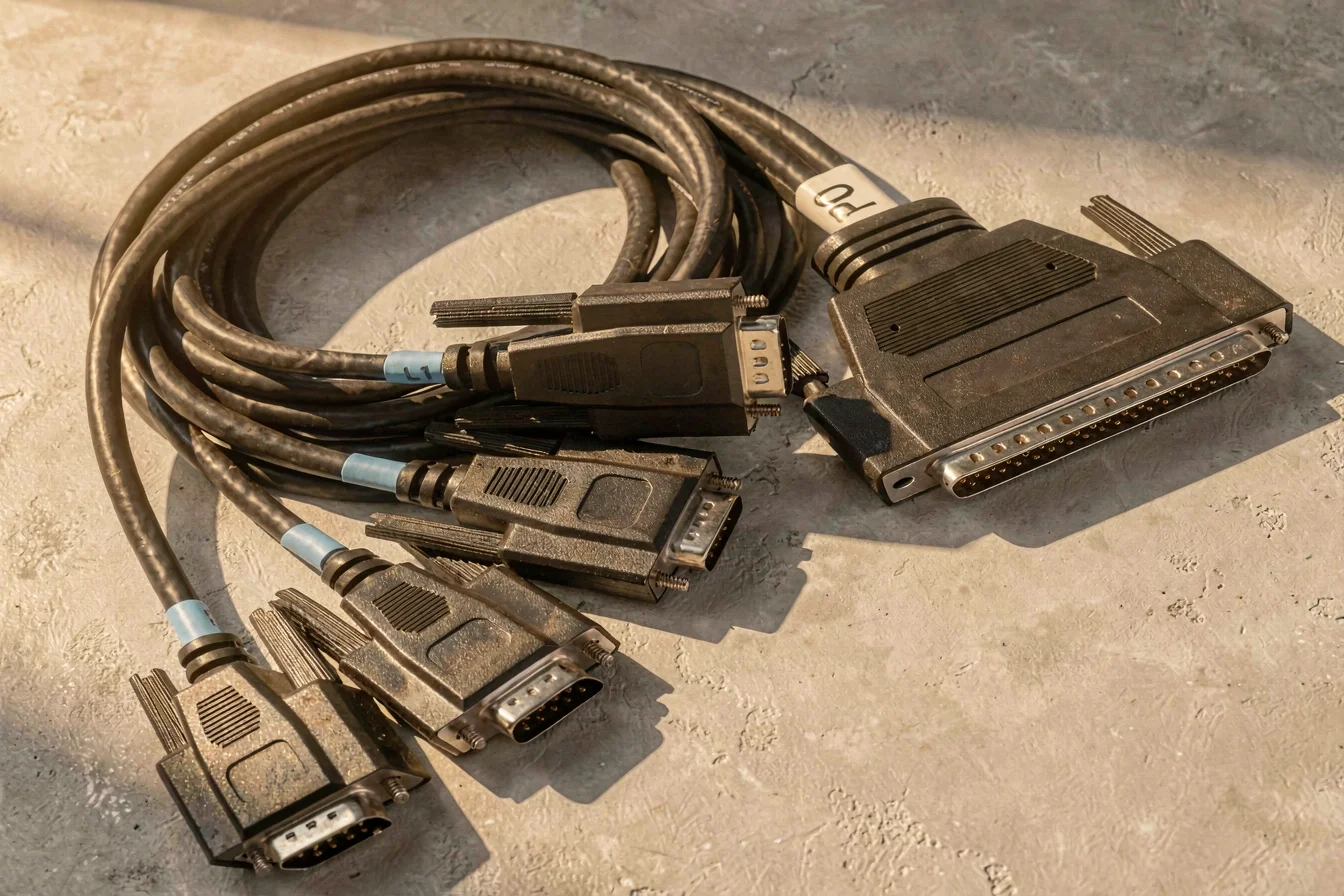
Durability in cables is defined by mechanical resilience, consistent performance over repeated connections, and resistance to environmental exposures such as EMI, vibration, or physical flexing. DB9 cable is structurally robust with locked connectors, but its main durability challenge arises from aging hardware and pin fatigue in industrial environments where downtime can be costly[2]. RCA cable , meanwhile, depends heavily on the grade of shielding, plating, and insulation materials; consumer and professional sentiment underscores that cheaper cables often result in rapid signal degradation, connector looseness, and common ground loops in AV setups[10][11].
In real-world deployment, DB9 cable thrives wherever legacy serial protocols are employed: legacy computers, machine tools, industrial automation, laboratory controls, and cash registers. When these systems fail, downtime is critical, making high-quality procurement a must. RCA cable excels in home theaters, hifi audio systems, projectors, car audio, and mixing boards—but it falls short when long runs (>20 ft unbalanced) are required without exceptional shielding or for digital/differential applications.
Long-term total cost is shaped less by initial price and more by cable-specific failure rates, replacement complexity, and system compatibility. While neither cable incurs high routine maintenance, failures (especially intermittent for RCA cable ) can be hard to diagnose and disruptive. Quality procurement resists repeated failures and minimizes hidden operating costs.
Long-term reliability—and thus procurement value—favors robust, shielded cables from reputable vendors, particularly for mission-critical industrial (DB9 cable ) or noise-sensitive (RCA cable ) scenarios.| Cost Factor | DB9 Cable (5 yrs) | RCA Cable (5 yrs) |
|---|---|---|
| Initial Purchase Cost | $6–$18 (industrial grade) | $8–$50 (quality/pro) |
| Replacement Rate | Very low if undisturbed; moderate if flexed frequently | Low with audiophile/brand cable; moderate-high with cheap cable |
| Maintenance Cost | Minimal, except for port failures | Minimal, but troubleshooting noise can be costly |
| Hidden Costs (downtime, troubleshooting) | High if mission-critical; minimal for casual use | Moderate in noisy audio environments |
| Total 5-Year TCO | $7–$20 (excluding device-side failures) | $10–$60 (with 1 replacement for cheap cables) |
Table reflects qualitative analysis and estimates based on supplier and user community feedback[2][10][11].
The core value of both cables is physical connectivity in an era trending toward wireless and digital, so sourcing is increasingly centered on mission-critical legacy or high-performance AV.
Data from Google Trends in 2025–2026 shows that consumer search interest in RCA cable is low but steady, whereas DB9 cable interest is almost flat, with the exception of legacy adapter scenarios. Meanwhile, the search for VGA-to-DB9 Adapters outpaces both, indicating a shrinking (but not vanishing) direct replacement market[1].
B2B buyers with legacy device fleets should preemptively source DB9 cable before stocks decline further; AV professionals investing in longevity should move to shielded RCA cable models for noise-prone or long-run scenarios.Search Interest over Time
Analysis: While top-of-funnel search activity for both cables is low, RCA maintains higher baseline interest in the consumer market—though these figures lag actual purchase rates in B2B and OEM platforms where procurement is less search-driven. The much higher search levels for “VGA to DB9 Adapter Cable” reinforce that buyers are often seeking legacy compatibility bridges, rather than direct cable replacement, which can skew open-web trend metrics[1].
Divergent communities highlight legacy necessity for DB9 cable and frustration with analog signal issues in RCA cable . Reddit and specialty forums (2025–26) routinely field questions on pinouts, cable compatibility, and failure troubleshooting for DB9 cable , whereas most RCA cable discussion centers on avoiding “snake oil” product claims, handshake issues, hum/noise complaints, and quest for value at mid-priced tiers.
Case Study 1: Industrial Buyer Stuck on Legacy Integration (DB9 cable
)
A CNC integrator on r/electrical attempts to interface old DB9 to DB25 cable sets. Despite available pinouts, inconsistent behavior and machine downtime plague the process. Community feedback stresses: “Been doing RS-232 for about 48 years. I don’t bother with the handshake lines on the PC end unless they are required… Then if it doesn’t talk, swap 2 and 3 at one end to impersonate a null modem.” Recommendations lean into rigorous spec validation and pre-testing cables before critical deployment, noting that “cable one-offs” or makeshift adaptations carry long-run risk[9][14].
Technically it's DE9, DB9 doesn't exist. But yes, that should be the right one.
It’s possible that the 25 pin connector needs some jumpers… Is that cable one that came with the machine?
Case Study 2: AV Enthusiast Paralyzed by Cheap Cable Failures (RCA cable
)
A home theater user on r/hometheater recounts “weeks of gaslighting” from subpar budget RCA cable
causing subwoofer signal loss, loose connectors, and persistent hum—even after repeated replacements. User discovers “instant connection” with $40+ brand cable and prefers to spend on quality to avoid repeat issues: “...with high quality cables... it could be this easy? Now I've opened Pandora's box…” Others chime in with recommendations for cables from Monoprice, Blue Jeans Cables, and brands with proven shielding and ground connectivity[10][11][15].
6ft to 8ft is nothing for an RCA Cable… The signal has been converted to Line Level, and the distance in a practical sense is virtually unlimited.
Check out Blue Jeans Cables if you want a high quality interconnect at a reasonable price… I've had mine for over 20 years and they still fit snuggly.
| Dimension | DB9 Cable | RCA Cable |
|---|---|---|
| Overall Satisfaction | High in B2B, frustration around pinout/compatibility | Mixed; sharply divided by cable quality and price point |
| Most Praised Feature | Reliability for serial/control connections | Affordable for short runs, effortless signal pass-through (when built well) |
| Most Common Complaint | Obsolescence, configuration confusion, cable adaptation struggles | Ground noise, loose connectors, rapid failure in cheap models |
| Community Recommendation Rate | Moderate (when essential); “buy spares and test in advance” | High (only for mid/high quality, reputable brands) |
The viral takeaway: Analog cable buyers must avoid “race to the bottom” pricing, while industrial/retro users must double-check specs and connector labeling to prevent expensive downtime.
Online communities agree: treat cable procurement as an operational risk-management task, not a commodity purchase.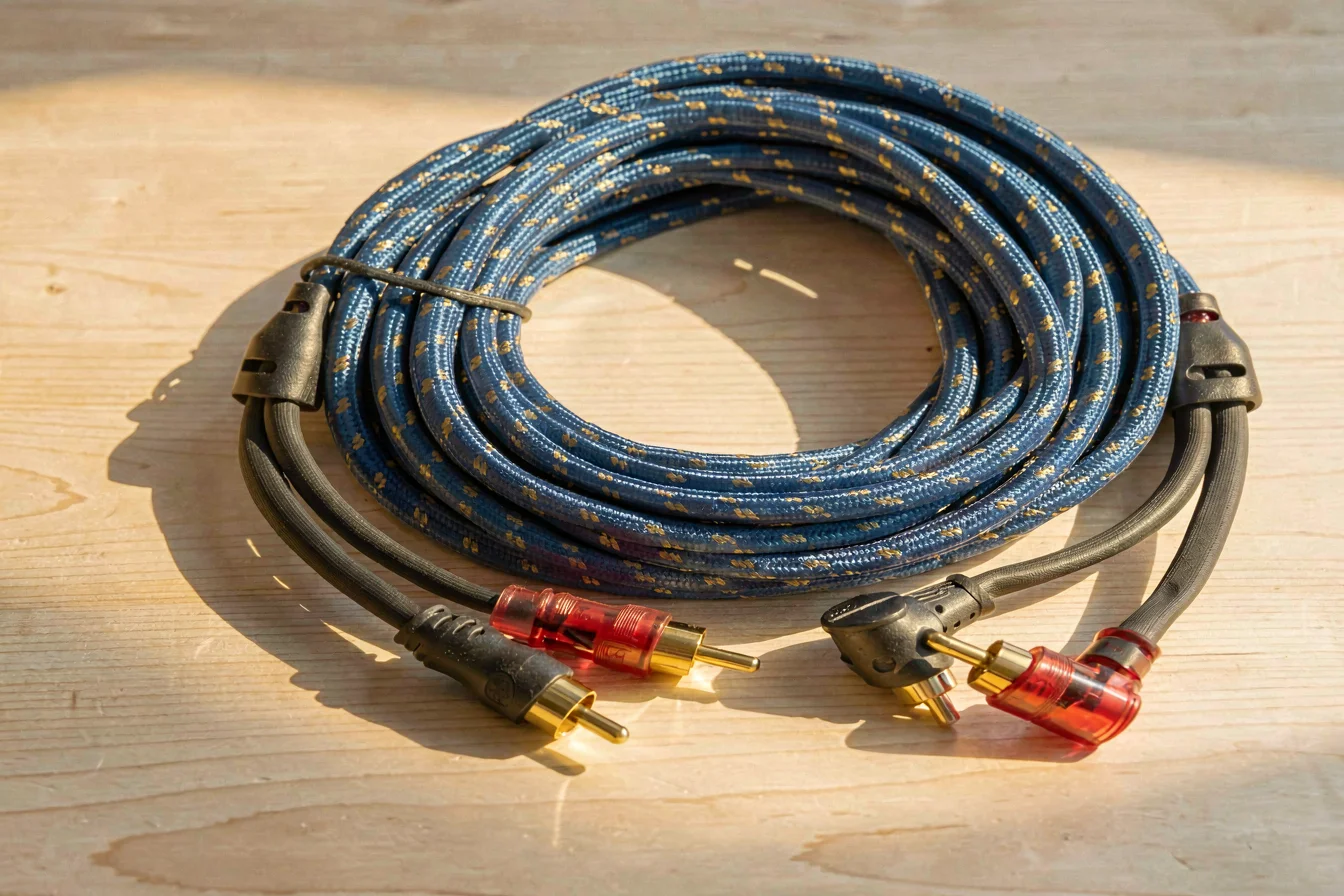
To efficiently source the right cable, buyers must start with an honest audit of their technical needs—a checklist critical for avoiding excess cost or operational headaches:
Tiered Recommendations for 2026 Sourcing:
| Tier | Recommended Product | Key Reason |
|---|---|---|
| Budget-Friendly | RCA Cable (Amazon Basics, entry blue-chip brands) | Short runs, less critical, everyday consumer devices |
| Mid-Range | DB9 Cable (generic OEM or bulk, known pinout verification) | Legacy control, POS, or moderate signal integrity needed |
| Premium/Professional | Shielded RCA Cable or Industrial DB9 Cable (branded, gold-plated, lifetime warranty) | Mission-critical equipment, long runs, noise-sensitive AV or automation |
Actionable Optimization Tips:
Both DB9 cable and RCA cable remain essential—yet increasingly niche—connectors, pressured by digitization and vendor attrition. The dominant trend is consolidation: premium providers (with documented warranty and trusted supply chains) will crowd out commodity vendors, and feature-rich hybrid/adapted cables (USB/serial, RCA/optical) will capture new system upgrade spending. For B2B and legacy buyers, 2026–2027 is likely the last stable window to lock in supplier agreements, as obsolescence accelerates in both categories[2][3][11].
Buyers must futureproof now: