
All categories
Featured selections
Trade Assurance
Buyer Central
Help Center
Get the app
Become a supplier
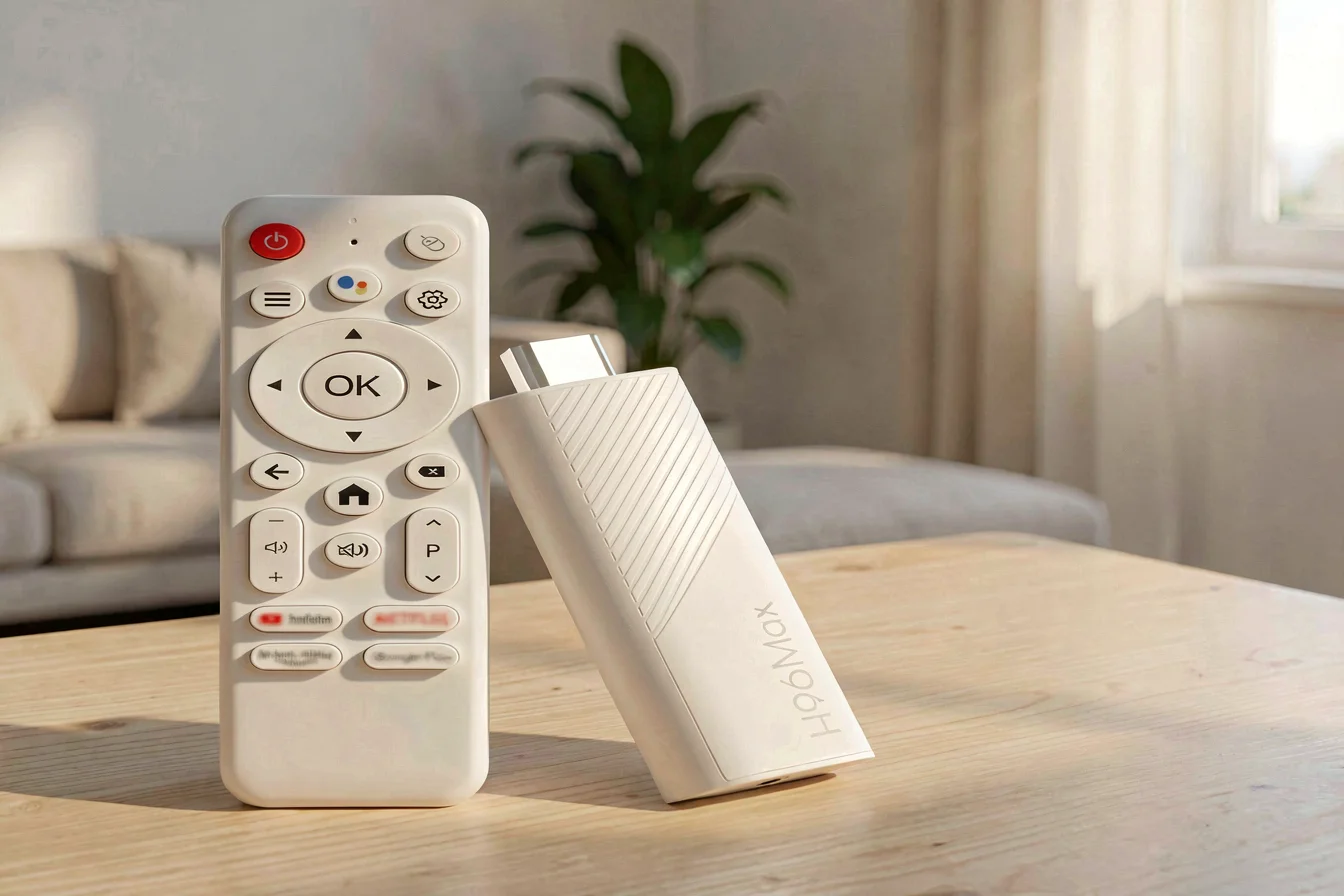
Standard Android TV Boxes provide wider app support, smoother updates, and advanced streaming capabilities, making them the preferred choice for mainstream buyers and B2B deployments. Desi TV box remains viable for niche, region-specific applications, particularly for users seeking localized South Asian content and flexible channel access. Procurement logic favors Android TV Boxes for high-value streaming, while desi TV box excels in fragmented digital TV markets[1][5].
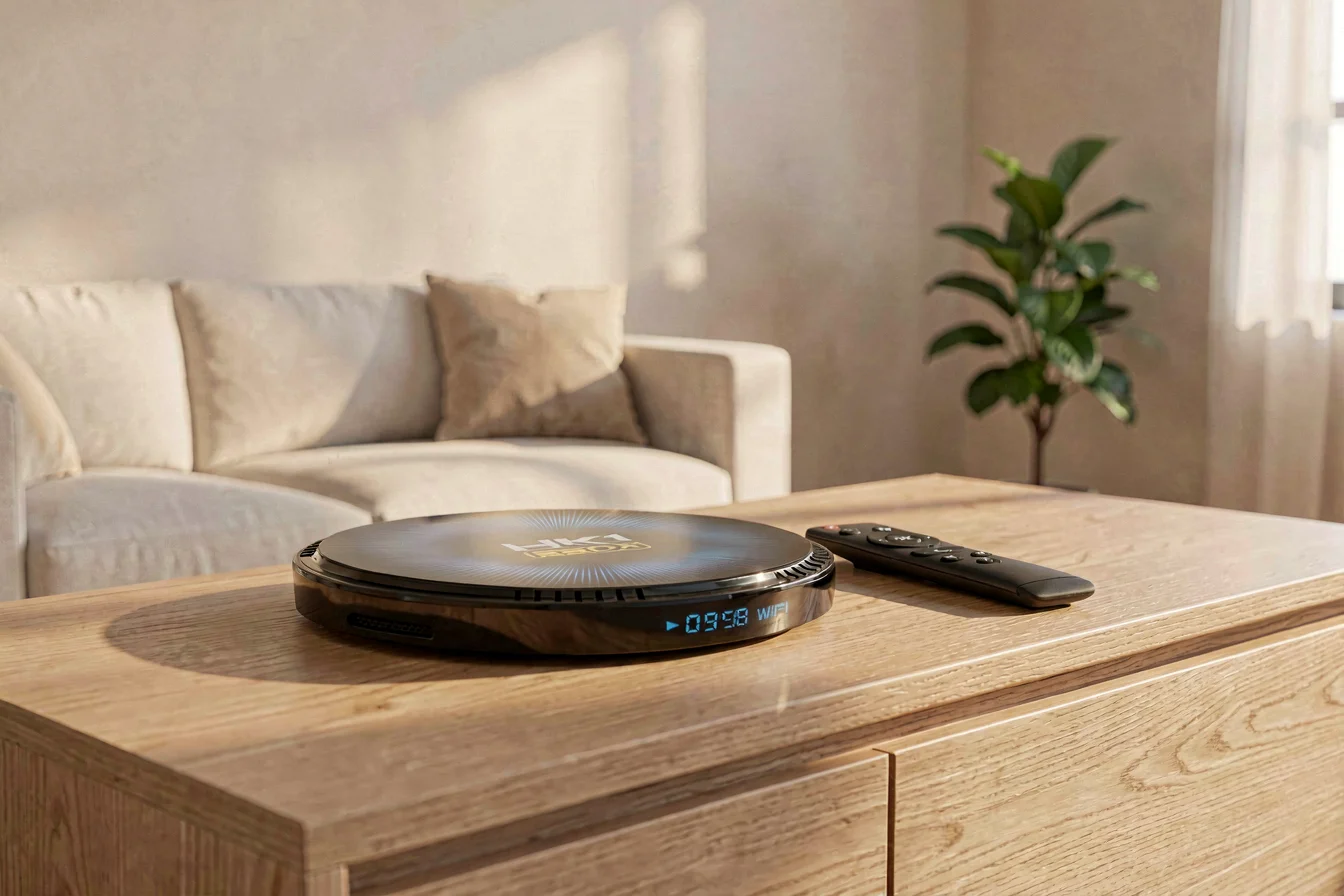
The streaming TV box market is increasingly competitive, with buyers facing a dilemma between desi TV box and Standard Android TV Box. Desi TV box targets users in South Asian markets seeking access to local channels, regional content, and cost-effective solutions for fragmented TV infrastructure. In contrast, Standard Android TV Box delivers robust app support, advanced streaming features, and reliable updates, catering to global buyers and B2B deployments. The urgency for informed decision-making stems from rapid technological advances, regulatory shifts, and evolving content ecosystems.
Core differences center on app diversity, content localization, hardware reliability, and update frequency. Desi TV box is designed to bypass regional app gaps and offer localized channels, but suffers from limited ecosystem and hardware variability. Standard Android TV Box, powered by Google’s Android OS, provides seamless access to global app stores, 4K/8K streaming, and consistent updates, but may lack region-specific content and incur higher costs[2][3].
| Feature | Desi TV Box | Standard Android TV Box |
|---|---|---|
| App Support | Limited, focused on local channels | Extensive (Google Play Store, Netflix, Disney+) |
| Content Localization | High (South Asian, regional channels) | Moderate (global, some region-specific apps) |
| Update Frequency | Irregular, variable by manufacturer | Regular, Google-certified updates |
| Streaming Capabilities | Basic to HD, limited 4K | 4K/8K, Dolby Vision, HDR10+ |
| Hardware Reliability | Variable, often low-cost | Consistent, premium-grade |
| Price Range | $30–$80 | $50–$200 |
Standard Android TV Box delivers superior streaming performance and broader app support, while desi TV box offers affordable, localized content access for niche markets[2][3].
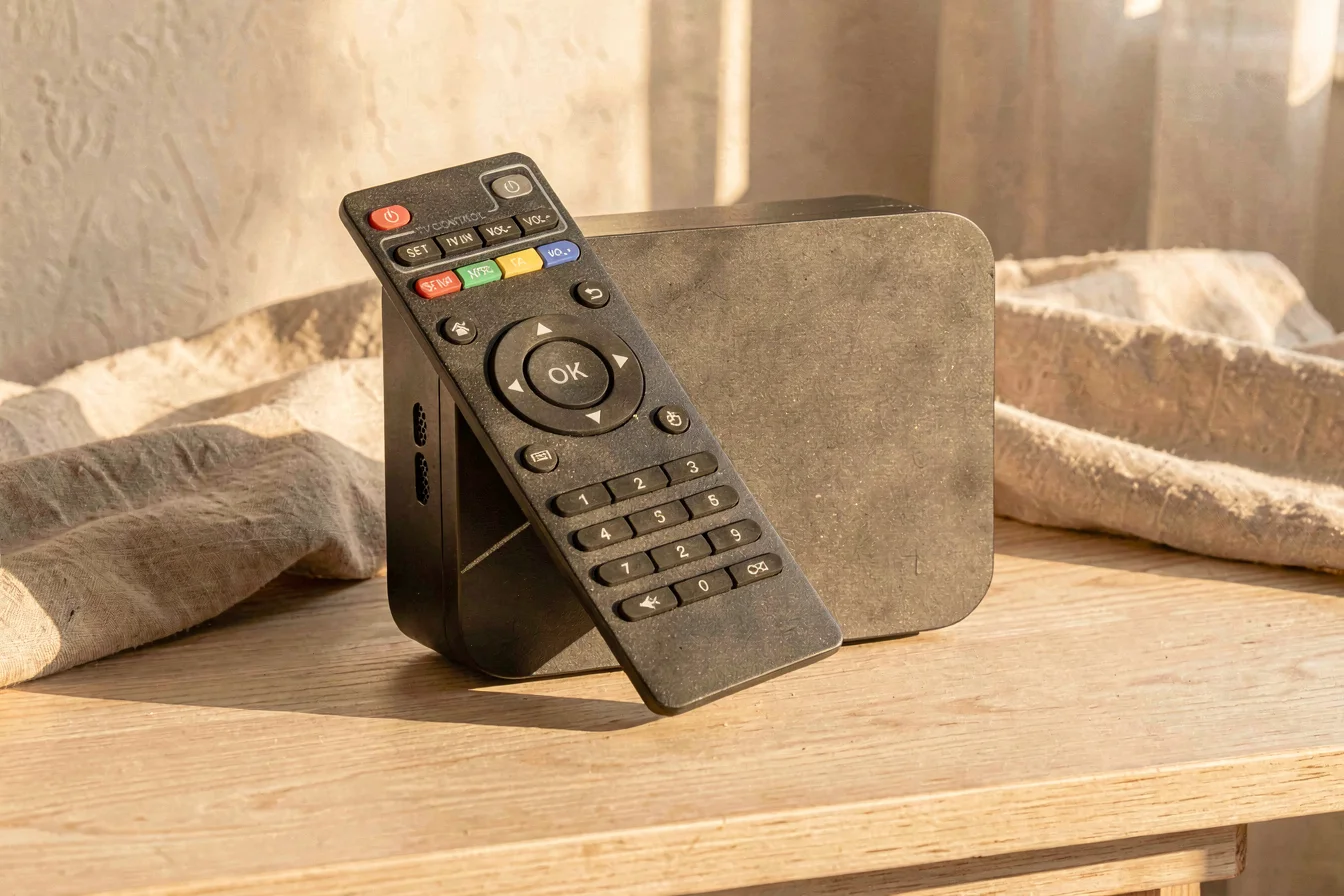
Durability and long-term cost are critical factors in TV box procurement. Standard Android TV Box typically features premium-grade hardware, robust app ecosystems, and regular software updates, resulting in longer lifespan and fewer replacement cycles. Desi TV box often uses lower-cost components, which may compromise reliability and require more frequent maintenance or upgrades. Application scenarios vary: Android TV Box excels in high-value streaming, hotel deployments, and commercial environments, while desi TV box suits budget-conscious households and fragmented digital TV markets.
Five-year cost outlook reveals Android TV Box’s higher initial investment but lower maintenance and replacement costs over time. Desi TV box offers lower upfront costs but may incur hidden expenses from hardware failures and limited app support. Total cost of ownership must account for purchase price, maintenance, replacement frequency, and hidden costs (e.g., app incompatibility, hardware upgrades).
| Cost Factor | Desi TV Box | Standard Android TV Box |
|---|---|---|
| Initial Purchase Price | $30–$80 | $50–$200 |
| Maintenance Cost | $20–$50/year | $10–$30/year |
| Replacement Frequency | Every 2–3 years | Every 3–5 years |
| Hidden Costs | App incompatibility, hardware upgrades | Minimal (occasional software updates) |
| 5-Year Total Cost | $100–$250 | $80–$250 |
Android TV Box offers longer lifespan and lower maintenance costs, making it more cost-effective for high-value deployments[2][3].
The streaming TV box market delivers critical value by bridging the gap between traditional TV and digital streaming, enabling access to a vast array of content. Urgency arises from rapid urbanization, multi-generational living, and e-commerce expansion, driving demand for flexible, reliable streaming solutions. Buyers must match their choice to specific use cases and market dynamics.
Market trend data confirms rising interest in both products, with Android TV Box consistently outpacing desi TV box in global search volume, especially during holiday and new product launch periods[1].
Google Trends show search interest volatility for both products, with Standard Android TV Box consistently higher than desi TV box since mid-2025. Peaks occur around major product launches and holidays, indicating strong top-of-funnel demand.
Search Interest over Time
Standard Android TV Box maintains higher search interest, suggesting stronger global demand and procurement momentum[1].
Reddit and TikTok discussions reveal distinct buyer personas and use cases. Standard Android TV Box is praised for performance, app ecosystem, and reliable updates, but criticized for cost and regional app gaps. Desi TV box is valued for affordability and local content access, but faces concerns about app diversity and hardware durability.
Case Study 1 (Reddit): A South Asian user switches from Fire TV to desi TV box for regional content access and budget savings. “I need to watch regional channels for my parents, and desi TV box is the only option that works for us.”
Case Study 2 (Reddit): A mainstream buyer chooses Standard Android TV Box for streaming quality and app support. “Android TV Box is the best for streaming—smooth, reliable, and full app support.”
“Moved from firestick to Onn Pro 4K and I can't be happy enough. It's the one to get if not Nvidia Shield. Very snappy with plenty of customisations.” (Reddit, r/AndroidTV) [7]
“I got away from android boxes all together… went to mini pc … windows 11… best 179 bux I ever spent… I use a beelink.” (Reddit, r/Piracy) [10]
| Dimension | Desi TV Box | Standard Android TV Box |
|---|---|---|
| Overall Satisfaction | Moderate | High |
| Most Praised Feature | Affordability, local channels | Streaming quality, app ecosystem |
| Most Common Complaint | App diversity, hardware durability | Cost, regional app gaps |
| Community Recommendation Rate | Low–Moderate | High |
Viral content themes include debates over app compatibility, hardware reliability, and regional content access. Standard Android TV Box dominates in mainstream streaming discussions, while desi TV box is featured in niche, regional forums[6][7][8].
Standard Android TV Box is widely recommended for mainstream streaming, while desi TV box is valued for regional content access and affordability[6][7].
Buyers should clarify their core needs before purchasing. Key questions: What is your primary use case? Do you need global app support or localized content? What is your budget range? Are must-have features (e.g., 4K, Dolby Vision) essential?
| Tier | Recommended Product | Key Reason |
|---|---|---|
| Budget-friendly | Desi TV Box | Affordable, local content access |
| Mid-range | Standard Android TV Box | Reliable streaming, moderate app support |
| Premium | Standard Android TV Box | Advanced streaming, full app ecosystem |
Optimization tips: Buy during major product launches for best deals; prioritize app ecosystem and streaming quality; avoid low-cost hardware with uncertain reliability; bundle with accessories for enhanced value.
Standard Android TV Box is optimal for mainstream streaming, while desi TV box is best for budget-conscious buyers seeking local content[2][3].
Synthesizing insights, Standard Android TV Box dominates global streaming, offering robust app support, advanced features, and reliable updates. Desi TV box remains viable for niche, region-specific applications, especially in South Asian markets with fragmented TV infrastructure. Forward-looking trends indicate continued growth in Android TV Box adoption, driven by e-commerce expansion and multi-generational living. Buyers should prioritize mainstream streaming solutions for high-value deployments and opt for desi TV box when localized content and affordability are paramount.
Standard Android TV Box is the preferred choice for mainstream buyers and B2B deployments, while desi TV box excels in niche, region-specific markets[1][5].
Emotional call-to-action: Share your TV box experiences with the community to help others make informed choices. Commercial buyers should explore wholesale platforms like Alibaba.com for bulk procurement, leveraging advanced features and reliable supply chain support.