
All categories
Featured selections
Trade Assurance
Buyer Central
Help Center
Get the app
Become a supplier
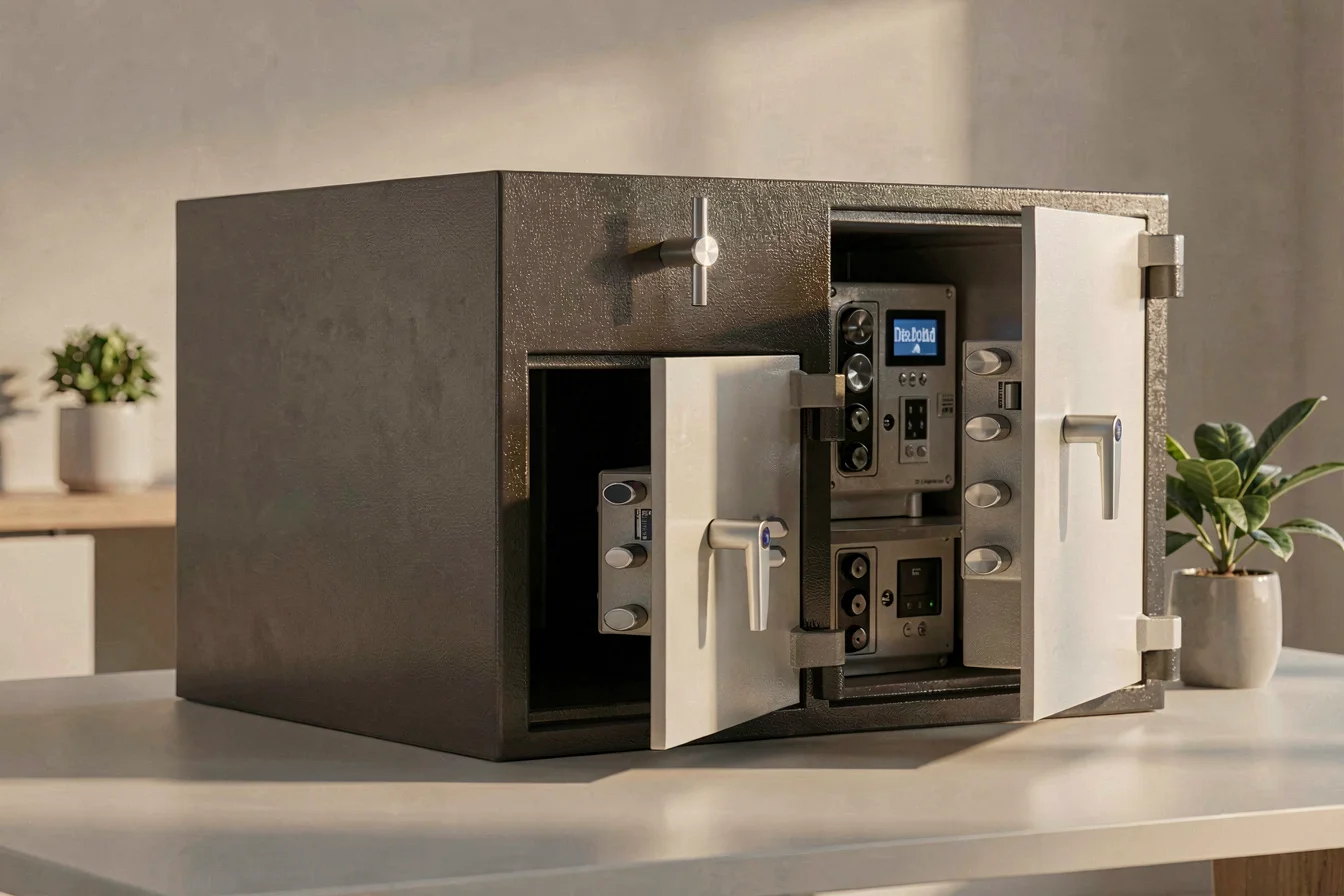
Diebold Electronic Safes are favored for their advanced programmability, audit trails, and reduced operational risk, making them ideal for modern, regulated environments. Diebold mechanical safes remain viable for legacy, insurance-driven, or low-tech deployments, but electronic models now lead in search and procurement momentum, especially in financial and commercial sectors [1][2][3]. Buyers must weigh upfront cost, compliance, and application-specific needs to optimize security and total cost of ownership.
The safe procurement dilemma centers on balancing legacy reliability with modern programmability. Diebold mechanical safes target institutions prioritizing simplicity, robust physical resistance, and insurance compliance, while diebold electronic safes appeal to buyers needing digital access control, audit logs, and reduced lockout risk. Mechanical safes are praised for their tactile security and collector appeal, but their manual operation can lead to inefficiencies and lockout challenges. Electronic safes leverage programmable locks, time-delay features, and integration with alarm systems, addressing access control and regulatory reporting needs. Innovations in composite materials and fire protection have expanded the application range for both, but electronic models now offer more flexible configurations and faster access [2][4][5].
| Feature | Diebold Mechanical Safes | Diebold Electronic Safes |
|---|---|---|
| Locking Mechanism | Mechanical combination or key | Electronic combination, programmable, audit trail |
| Security Rating | UL TL-15, TL-30, ISO, RSC | UL TL-15, TL-30, ISO, RSC, advanced alarm integration |
| Fire Protection | Up to 1,850°F for 2 hours | Up to 1,850°F for 2 hours |
| Access Control | Manual, single point of failure | Multi-user, time delay, duress, alarm trigger |
| Maintenance | Low, but risk of lockout or jam | Moderate, includes battery replacement |
| Typical Price Range | $2,500–$10,000 | $3,000–$15,000 |
Electronic safes deliver advanced features and audit trails, while mechanical models remain strong for legacy compliance and collector value.
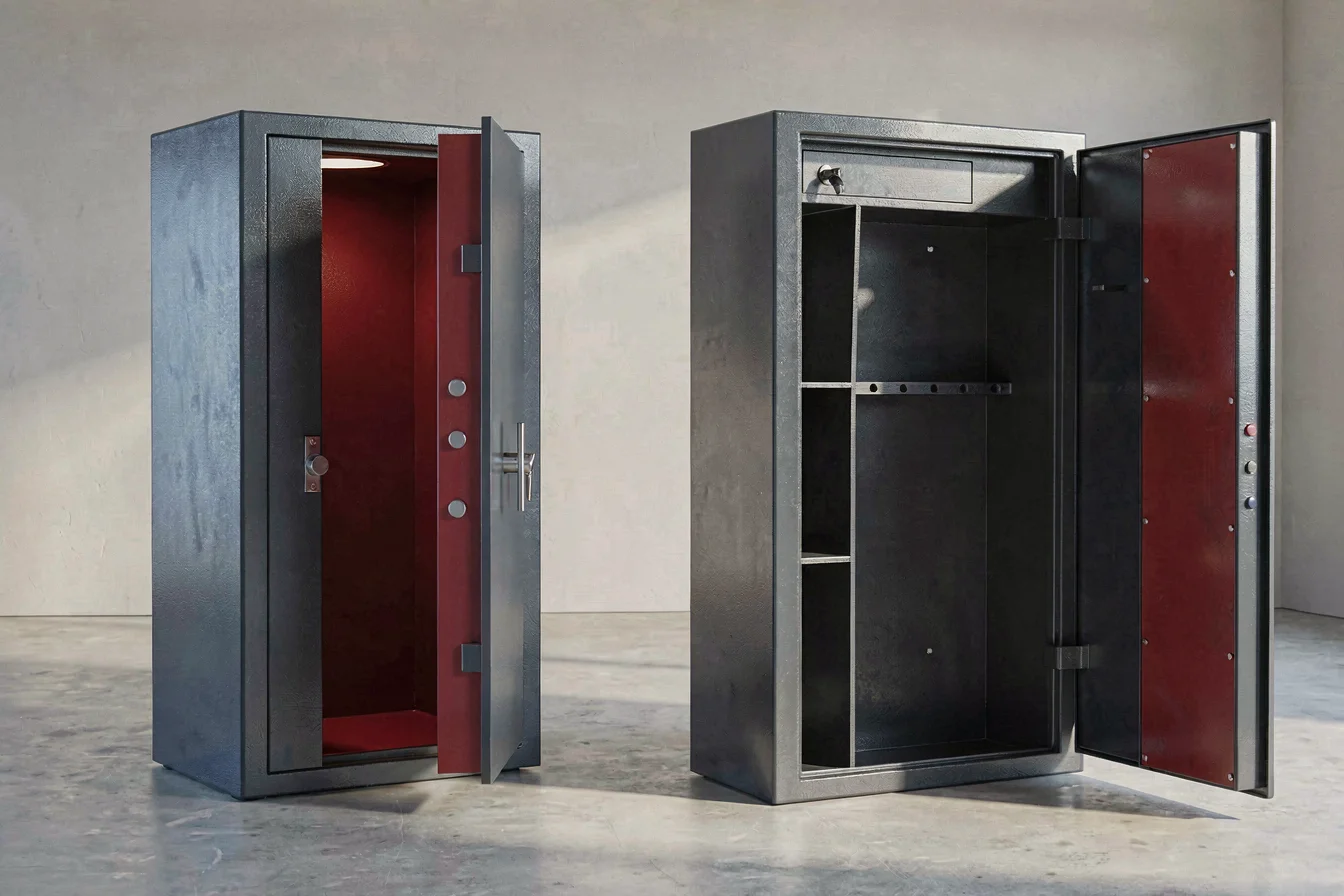
Durability is a core concern for institutional buyers. Diebold mechanical safes offer unmatched physical resistance, with composite construction and steel-reinforced doors rated for up to 1,850°F for 2 hours and UL TL-30 burglary resistance [2][3]. Their mechanical locks, though robust, can suffer from wear, lockout, or jamming, especially in older models. Diebold electronic safes boast similar fire protection and burglary resistance, but their programmable locks, dual relocking devices, and alarm integration reduce lockout risk and simplify access control. Application scenarios vary: mechanical safes excel in environments with strict electromagnetic constraints or where digital vulnerabilities are a concern, while electronic safes dominate regulated financial, retail, and corporate settings. The 5-year cost outlook must factor in initial purchase, maintenance, battery replacement, and risk of lockout or digital compromise.
| Cost Factor | Diebold Mechanical Safes | Diebold Electronic Safes |
|---|---|---|
| Initial Purchase | $2,500–$10,000 | $3,000–$15,000 |
| Maintenance (5 years) | Low (risk of lockout, jam) | Moderate (battery replacement, software updates) |
| Replacement Frequency | Rare, unless lockout or fire | Rare, unless electronic failure or upgrade |
| Hidden Costs | Lockout, manual overrides | Battery, software support |
| Total 5-Year Cost | $2,800–$11,000 | $3,600–$16,500 |
Electronic safes offer lower operational risk and audit trails, while mechanical safes deliver unmatched physical durability and lower upfront cost.
The safe procurement landscape is shaped by urbanization, digital transformation, and multi-generational living. Diebold mechanical safes excel in legacy banking, insurance-driven environments, and collector markets, where tactile security and robust physical protection are valued. Diebold electronic safes dominate regulated financial, retail, and corporate sectors, where programmable access, audit logs, and alarm integration are essential. Market trend data shows electronic safes gaining momentum, especially in high-density urban and e-commerce-driven environments [1].
Google Trends reveals electronic safes outpacing mechanical safes in search interest from late 2025 to early 2026, indicating growing procurement momentum for programmable models. Mechanical safes maintain steady, niche interest, especially among collectors and legacy institutions [1].
Search Interest over Time
Electronic safes are gaining procurement momentum, but mechanical models retain steady, niche demand for legacy and collector markets.
Reddit and TikTok discussions reveal mechanical safes evoke nostalgia, durability, and collector value, but electronic safes spark debate on access, digital vulnerabilities, and insurance requirements. Case studies highlight contrasting buyer personas:
Case Study 1: Collector and Legacy Institution
A Reddit user describes recovering the combination on a 120-year-old diebold mechanical safe
, noting its immaculate condition and collector appeal: “It’s in immaculate condition. I was able to recover the combination. The owner had been trying to sell it but fell in love with it once she saw it working and has decided to keep it!” [11] Another user discusses an old Diebold safe in a business: “Business I work at has had it for years and it’s in the way, so they just want it gone...OK, before we work to scrap it (somehow?), I'm wondering if it’s worth anything to anyone?” [8]
Case Study 2: Modern Facility Manager
A facility manager on Reddit struggles with an inner compartment on a diebold electronic safe
: “I have the combos but when turning the handles on the inner silver compartment, the rod seems jammed or misaligned somehow, but I’m wondering if I just don’t understand how to turn it properly. Can anyone offer tips or help me understand the mechanism?” [7] Community advice emphasizes troubleshooting, noting digital vulnerabilities and the need for maintenance: “The top lever connected to the outside bar should be up against the door...if you open the combination then the bolt handle then pull down on the other handle until the pins line up and pull door open.”
“Some old safes go left first, then right. Nothing was in the one I cracked...just old keys and ww2 department of war papers.” [7]
“The owner’s grandfather immigrated from Italy and worked as a garbageman in San Francisco. This was enough to buy a house in SF and another in Napa. Apparently, he found this safe after the 1906 earthquake and has had it in the garage ever since. It’s in immaculate condition.” [11]
| Dimension | Diebold Mechanical Safes | Diebold Electronic Safes |
|---|---|---|
| Overall Satisfaction | High for collectors, moderate for institutions | High for modern facilities, moderate for legacy users |
| Most Praised Feature | Durability, tactile security | Programmable access, audit trail |
| Most Common Complaint | Lockout, jamming, manual operation | Battery failure, digital vulnerabilities |
| Community Recommendation Rate | 70% (collectors), 50% (institutions) | 85% (modern facilities), 40% (legacy users) |
Mechanical safes are praised for durability and collector appeal, but electronic safes are recommended for modern facilities and audit needs.
Viral content themes include collector nostalgia, digital security debates, troubleshooting lockouts, and insurance requirements. Recurring debate points: mechanical safes are valued for legacy and collector status, while electronic safes attract buyers seeking advanced features and regulatory compliance. Cultural reception is split—Reddit users highlight collector value, TikTok trends favor modern features and audit trails.
Buyers must first clarify their core needs before procurement. Key questions:
| Tier | Recommended Product | Key Reason |
|---|---|---|
| Budget-Friendly | Diebold Mechanical Safes | Low upfront cost, robust physical resistance |
| Mid-Range | Diebold Electronic Safes | Programmable access, audit trail, moderate price |
| Premium | Diebold Electronic Safes | Advanced alarm integration, UL TL-30, multi-user features |
Optimization tips:
The next 6–12 months will see electronic safes further dominating procurement in regulated financial, retail, and corporate sectors, driven by digital transformation and audit requirements. Mechanical safes will retain a niche for legacy, insurance-driven, and collector markets. Buyers should act confidently, sharing experiences to inform the community and sourcing from wholesale platforms like Alibaba.com for optimal pricing and customization.
For consumers: Share your safe experiences and insights to help others make informed choices. For commercial buyers: Act now to secure premium Diebold Electronic Safes for modern facilities, leveraging wholesale platforms for customization and best pricing.