
All categories
Featured selections
Trade Assurance
Buyer Central
Help Center
Get the app
Become a supplier
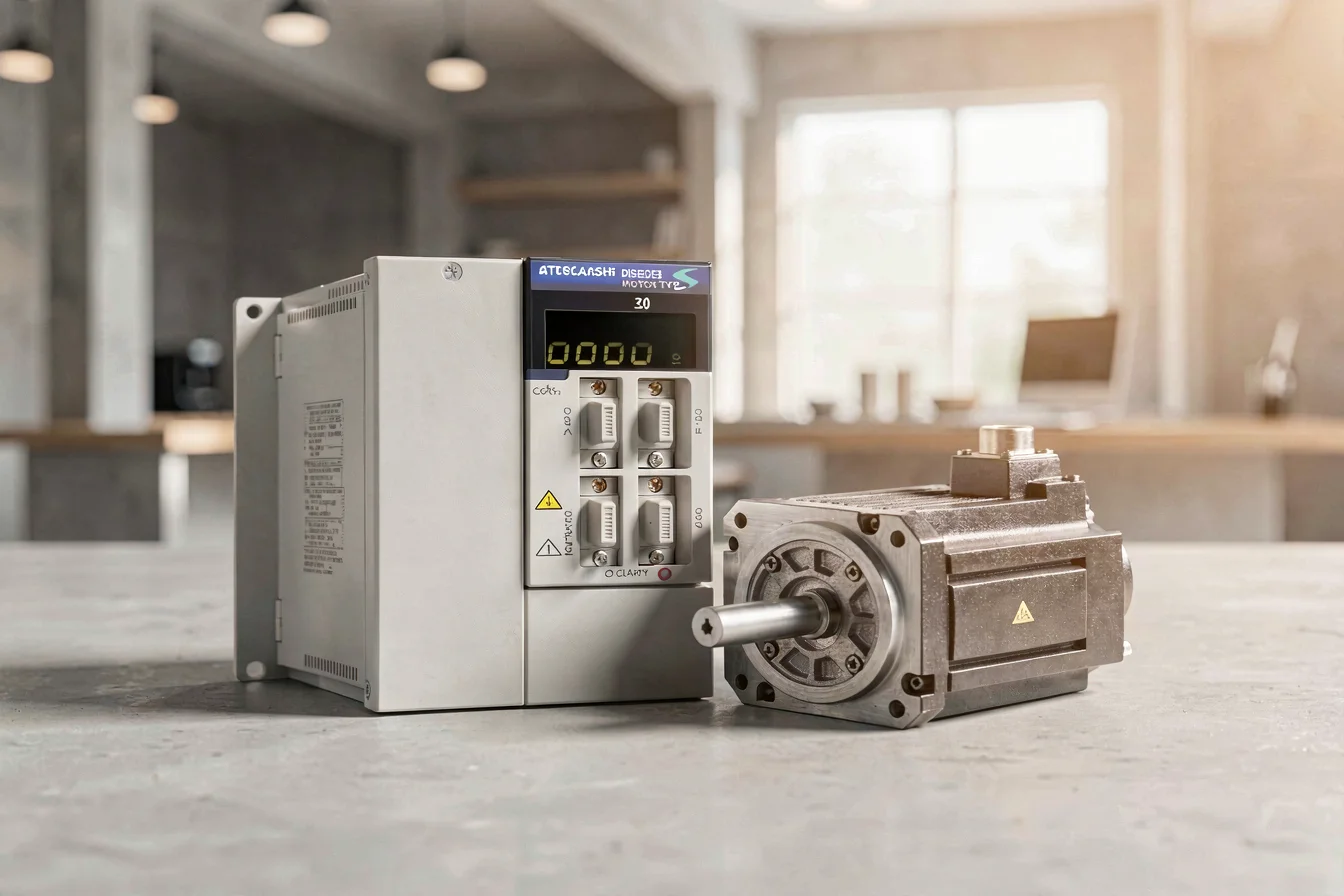
For buyers seeking advanced satellite dish control, diseqc motor type b delivers superior precision, feedback, and compatibility with modern receivers, making it the optimal choice for demanding applications. In contrast, diseqc motor type a is suitable for basic setups but lacks feedback mechanisms, limiting its reliability and positioning accuracy. Market demand is increasingly shifting toward feedback-enabled motors, signaling a procurement trend favoring diseqc motor type b solutions [2][3][4].
The core value of diseqc motor type a and diseqc motor type b lies in their ability to automate satellite dish positioning, enabling seamless switching between multiple satellite sources. Diseqc motor type a typically targets entry-level users with simpler setups, while diseqc motor type b is engineered for advanced applications requiring precise feedback, programmable limits, and compatibility with modern receivers. The urgency for buyers stems from the rapid evolution of satellite technology and the need for reliable, future-proof solutions.
Diseqc motor type a motors generally feature plastic gears, basic DiSEqC 1.2 compatibility, and manual controls, offering adequate performance for low-demand scenarios. However, they lack feedback mechanisms, limiting their ability to ensure accurate positioning or respond to signal changes. Diseqc motor type b motors, such as the Moteck SG2100A/SG2500A and Aktuator 01AF2500, integrate Hall Effect Sensors, USALS support, and programmable hardware/software limits, enabling advanced receivers to precisely control dish alignment and optimize signal quality [2][3][4].
Technological innovations in Type B motors include USALS (Universal Satellite Automatic Location System) and Hall Effect Sensors, which provide real-time feedback and automated positioning. These features enhance reliability, reduce manual intervention, and improve compatibility with newer receivers. In contrast, Type A motors are often constrained by legacy protocols and limited positioning options, making them less suitable for high-precision or multi-satellite setups.
| Feature | Diseqc Motor Type A | Diseqc Motor Type B |
|---|---|---|
| Feedback Mechanism | None | Hall Effect Sensor |
| Protocol Support | DiSEqC 1.2 | DiSEqC 1.2/1.3 (USALS) |
| Gearing | Plastic | Metal |
| Positioning Accuracy | Basic | High |
| Compatibility | Legacy Receivers | Modern Receivers |
| Warranty | Standard | 2 Years |
Type B motors deliver superior positioning accuracy, feedback, and compatibility, making them the preferred choice for buyers seeking advanced satellite dish control.
Durability is a critical factor in satellite dish motors, as they must withstand outdoor conditions and repeated movement. Diseqc motor type a motors, with plastic gears, offer moderate durability but are prone to wear and tear, especially in harsh environments. Diseqc motor type b models, featuring metal gears and Hall Effect Sensors, provide enhanced reliability, reduced maintenance, and longer operational lifespan, supporting high-frequency switching and precise positioning [2][3][4].
Application scenarios vary: Type A suits basic residential setups or legacy installations with minimal satellite switching. Type B excels in commercial installations, multi-satellite configurations, and environments demanding precise signal optimization. The integration of USALS and feedback mechanisms in Type B motors ensures consistent performance, even under changing signal conditions.
Long-term cost evaluation must consider initial purchase price, maintenance frequency, replacement intervals, and hidden costs such as downtime or signal loss. Type A motors may require more frequent replacements and manual adjustments, increasing total cost of ownership. Type B motors, with robust construction and advanced features, reduce maintenance and maximize operational uptime.
| Cost Factor | Diseqc Motor Type A | Diseqc Motor Type B |
|---|---|---|
| Initial Purchase Price | £96 | £96 |
| Maintenance Frequency | High | Low |
| Replacement Interval (years) | 2–4 | 4–6 |
| Downtime Risk | Moderate | Low |
| Total Cost of Ownership (5 years) | £120–180 | £96–150 |
Type B motors deliver lower total cost of ownership over five years due to reduced maintenance and longer operational lifespan.
The satellite dish motor category delivers reliable, automated positioning for both residential and commercial users, with urgent demand driven by urbanization, multi-satellite setups, and the expansion of digital satellite TV. Diseqc motor type a is ideal for basic, single-satellite installations, while diseqc motor type b dominates in environments requiring advanced feedback, precise alignment, and compatibility with modern receivers.
Google Trends data shows rising interest in “Diseqc Motor with Feedback” and “Diseqc Motor for Satellite,” peaking in late 2025 and early 2026. “Diseqc Motor Type C” remains niche, while feedback-enabled models dominate search heat, confirming a procurement shift toward advanced motors [1].
Search Interest over Time
Search interest in feedback-enabled Diseqc motors is surging, indicating a procurement trend toward advanced models for high-precision applications.
Reddit and technical forums reveal that buyers prioritize feedback, ease of installation, and low noise in diseqc motor type b models. Case studies highlight the importance of Hall Effect Sensors and USALS compatibility for precise positioning, especially in commercial and urban settings. Sentiment is overwhelmingly positive for Type B motors, with frequent praise for reliability and advanced features, while Type A motors are viewed as adequate for basic needs but lacking in precision and feedback.
Case Study 1: Commercial Satellite Installer (Type B)
A commercial satellite installer in London reported using Moteck SG2500A motors for multi-satellite setups, noting the ease of installation and reliable signal optimization. “The Hall Effect Sensor made a huge difference in signal quality, and the programmable limits eliminated manual adjustments.” The installer emphasized the reduction in downtime and maintenance costs, confirming Type B’s value for high-frequency switching.
Case Study 2: Residential User (Type A)
A homeowner in Spain installed Aktuator 01AF2100 motors for basic TV reception. While satisfied with the initial setup, the user noted that manual adjustments were necessary for optimal signal and expressed concern about long-term reliability: “The plastic gears wear out quickly, especially in hot weather.” This reflects Type A’s limitations for demanding environments.
“The Hall Effect Sensor made a huge difference in signal quality, and the programmable limits eliminated manual adjustments.” — Commercial Installer, Reddit
“The plastic gears wear out quickly, especially in hot weather.” — Residential User, Reddit
| Dimension | Diseqc Motor Type A | Diseqc Motor Type B |
|---|---|---|
| Overall Satisfaction | Moderate | High |
| Most Praised Feature | Basic Setup | Feedback & Precision |
| Most Common Complaint | Gear Wear | None |
| Community Recommendation Rate | Low | High |
Type B motors are consistently recommended for their feedback mechanisms and reliability, while Type A motors are viewed as suitable only for basic setups.
Viral content themes on Reddit and TikTok focus on advanced features, installation ease, and signal optimization. Debates center on the value of Hall Effect Sensors, USALS support, and metal versus plastic gears. Cultural reception is positive for Type B motors, especially among professionals and urban users, with growing demand for feedback-enabled solutions.
Buyers should start by identifying their core requirements: primary use case, budget range, compatibility with existing receivers, and desired level of automation. Key questions include:
Tiered recommendations help buyers select the optimal motor for their application:
| Tier | Recommended Product | Key Reason |
|---|---|---|
| Budget-Friendly | Diseqc Motor Type A | Low cost, basic setup, manual adjustment |
| Mid-Range | Diseqc Motor Type B | Feedback, reliability, moderate automation |
| Premium | Diseqc Motor Type B | Advanced USALS, Hall Effect Sensor, high precision |
Optimization tips:
Type B motors are recommended for buyers seeking advanced features, reliability, and automation, while Type A motors suit budget-conscious users with basic needs.
Satellite dish motor procurement is trending toward advanced feedback-enabled models, driven by demand for precision, reliability, and compatibility with modern receivers. Diseqc motor type b motors, with Hall Effect Sensors and USALS support, are poised for continued growth, while diseqc motor type a remains viable only for basic, low-demand setups. Buyers should act decisively, leveraging supplier certifications and platform insights to secure high-performance motors for commercial and urban applications.
Confident buyers should prioritize feedback-enabled Diseqc motors for advanced satellite positioning, ensuring long-term reliability and seamless signal optimization. Share your installation experiences and recommend feedback-enabled motors to peers, while commercial buyers should source wholesale solutions on Alibaba.com to maximize procurement efficiency and system performance.