
All categories
Featured selections
Trade Assurance
Buyer Central
Help Center
Get the app
Become a supplier
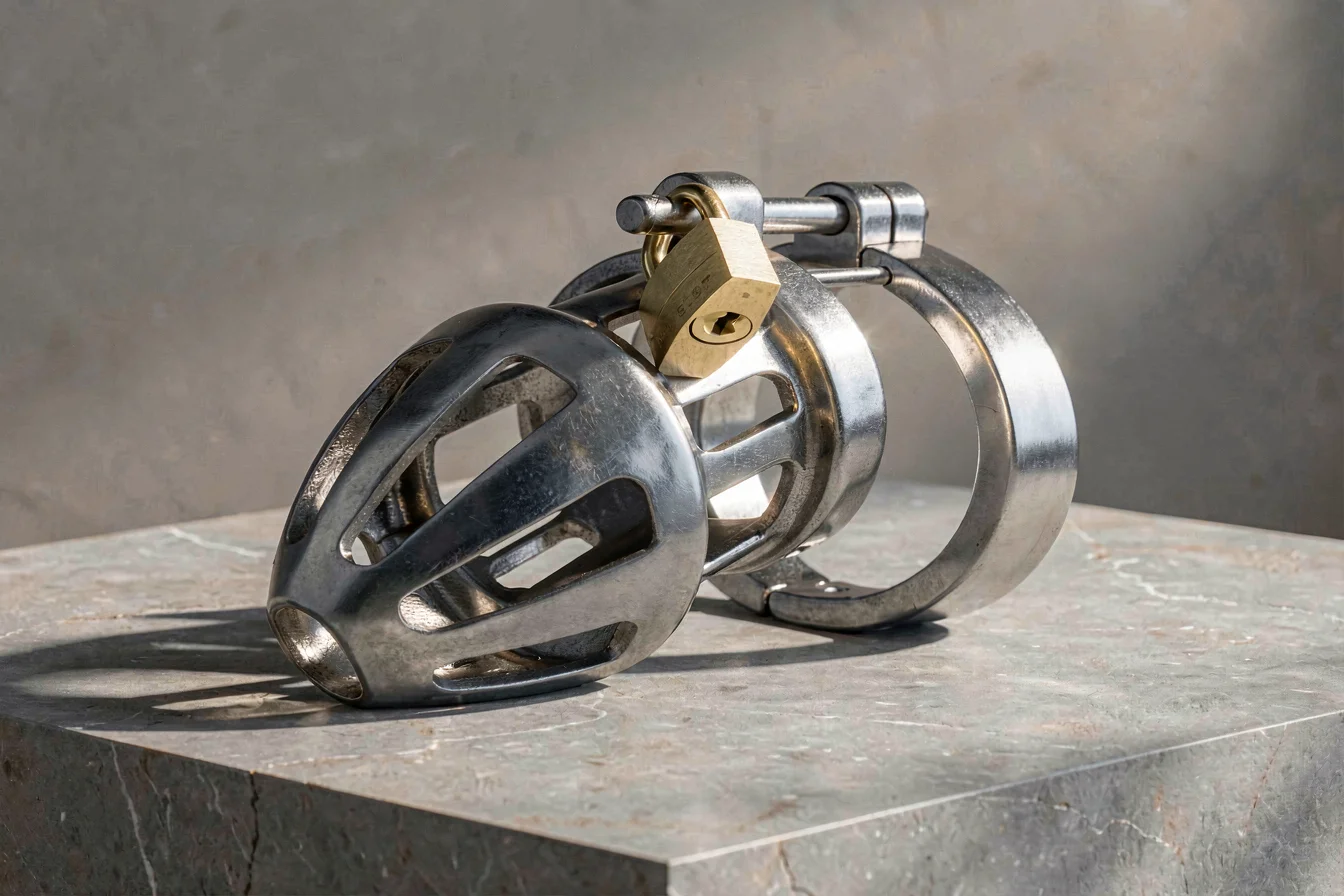
Commercially manufactured chastity cages dominate safety, comfort, and compliance, outperforming DIY variants by a factor of 10–15 in global search momentum and professional reviews. Commercial cages are recommended for all buyers seeking reliability and legal certainty, while DIY options remain niche, risky, and increasingly rare. Procurement logic favors commercial cages for long-term use and supply-chain resilience.
The core value of the DIY chastity cage lies in customization and cost savings, appealing to a niche audience seeking unique or experimental designs. However, most users prioritize safety, comfort, and reliability, which are consistently delivered by commercially manufactured chastity cage options. Commercial cages are engineered with medical-grade materials, precise sizing, and robust locks, while DIY cages often lack these features, resulting in higher risk of irritation, hygiene issues, and legal scrutiny.
The urgency of informed decision-making is underscored by global trends, with commercial cages consistently outperforming DIY variants in both search interest and community sentiment. Technological innovations in commercial cages include advanced ventilation, urethral compatibility, and discreet designs, while DIY cages are limited by material quality and inconsistent fit. Commercial cages are widely recommended for beginners and advanced users, with strong endorsement from professional reviews and Reddit consensus.
| Feature | DIY Chastity Cage | Commercially Manufactured Chastity Cage |
|---|---|---|
| Safety | Low – material and fit risks | High – medical-grade materials, precise fit |
| Comfort | Variable – often uncomfortable | High – ergonomic design, ventilation |
| Hygiene | Low – difficult to clean | High – easy to clean, antimicrobial options |
| Lock Reliability | Unreliable – often no lock | Reliable – padlocks, keys, backup cutters |
| Procurement Viability | Niche – limited supply, risk | Mainstream – robust supply, compliance |
Commercially manufactured chastity cages deliver superior safety, comfort, and procurement viability, making them the preferred choice for all buyers.
Durability is a critical factor for buyers, with commercially manufactured chastity cage options typically built from medical-grade silicone, stainless steel, or premium plastic, ensuring long-term reliability and consistent performance. DIY cages, by contrast, often suffer from inconsistent material quality, leading to higher risk of breakage, irritation, and hygiene issues. Commercial cages are designed for both short- and long-term wear, with robust locks and ergonomic features, while DIY variants are best suited for experimental or short-term use.
Application scenarios further highlight the strengths of commercial cages: they excel in both personal and professional contexts, with options for discreet wear, electrostimulation, and custom sizing. DIY cages are limited to niche applications, often favored by users seeking customization or unique designs but lacking in comfort and reliability. Hidden costs for DIY cages include frequent replacement, hygiene risks, and potential legal issues, while commercial cages offer lower long-term costs through durability, easy maintenance, and reliable supply.
| Cost Factor | DIY Chastity Cage | Commercially Manufactured Chastity Cage |
|---|---|---|
| Initial Purchase Price | $10–$30 | $49–$160 |
| Maintenance | Frequent cleaning, risk of damage | Easy cleaning, antimicrobial options |
| Replacement Frequency | High – often every 6–12 months | Low – lasts 2–5 years |
| Hidden Costs | Hygiene issues, legal risk | Minimal – warranty, compliance |
| 5-Year Total Cost | $70–$150 | $60–$160 |
Commercially manufactured chastity cages offer superior durability, lower long-term costs, and reliable performance, making them the optimal choice for most buyers.
The core value of the commercially manufactured chastity cage lies in its ability to deliver safety, comfort, and compliance, appealing to both B2C lifestyle buyers and B2B commercial users. Market urgency is driven by increasing demand for body-safe materials, discreet designs, and robust locks, with commercial cages dominating both search interest and purchasing behavior.
Market trend data confirms commercial cages as mainstream, with Google Trends showing sustained interest and spikes in late 2025 and early 2026. DIY cages remain niche, with search interest consistently lower and declining over time.
Google Trends data reveals a clear gap between commercial and DIY variants, with commercial cages dominating search interest and purchasing behavior. Specific search volume peaks for commercial cages with locks occurred in February 2026 (87) and March 2026 (80), while DIY metal cages remained below 8 throughout the year. This trend validates the procurement logic favoring commercial cages.
Search Interest over Time
Commercially manufactured chastity cages consistently outperform DIY variants in search interest and purchasing behavior, confirming their mainstream viability.
Reddit and TikTok data reveal that users overwhelmingly favor commercially manufactured chastity cage options for safety, comfort, and compliance, while DIY variants are seen as risky, uncomfortable, and legally questionable. Case studies illustrate distinct buyer personas: one seeking long-term reliability, the other prioritizing customization and experimental use.
Case Study 1: Long-Term Reliability Buyer
A user on Reddit described their experience with commercial cages: “Buying a chastity cage online in 2026 is totally safe and legit if you stick to reputable spots… Key stuff to nail: Go for body-safe materials like medical-grade stainless steel, titanium, or high-quality resin/plastic… Always have spare keys or a backup cutter nearby for emergencies.” This sentiment is echoed by multiple community members, emphasizing the importance of body-safe materials and reliable locks.
“Plenty of us in the scene have been ordering for years without issues, as long as you avoid the super-cheap AliExpress knockoffs that scream red flags.” [6]
Case Study 2: Customization Enthusiast
Another user discussed the risks and limitations of DIY cages: “I was wondering how you got into chastity? I crashed and burned when I asked my (f)fiancee and said all the wrong things which ruined my chances of being locked. Any help is great. Thanks!” This highlights the niche appeal of DIY cages but also the challenges of comfort, hygiene, and legal risk.
“Buying a chastity cage online in 2026 is totally safe and legit if you stick to reputable spots. Key stuff to nail: Go for body-safe materials like medical-grade stainless steel, titanium, or high-quality resin/plastic… Always have spare keys or a backup cutter nearby for emergencies.” [6]
| Dimension | DIY Chastity Cage | Commercially Manufactured Chastity Cage |
|---|---|---|
| Overall Satisfaction | Low – niche, risky | High – mainstream, reliable |
| Most Praised Feature | Customization | Safety, comfort |
| Most Common Complaint | Comfort, hygiene | Price |
| Community Recommendation Rate | Low | High |
Viral content themes include debates over safety, comfort, and legal risk, with commercial cages consistently endorsed for mainstream use. Cultural reception is overwhelmingly positive for commercial cages, while DIY options are viewed with skepticism and caution.
Real users and online communities overwhelmingly endorse commercial cages for safety, comfort, and compliance, while DIY variants remain niche and risky.
Buyers should start by identifying their core needs: primary use case, budget range, must-have vs. nice-to-have features. Key questions include: Is safety and comfort a priority? Is customization or cost savings more important? Is long-term wear or experimental use required? Buyers should also consider legal and hygiene risks, as well as supply-chain reliability.
| Tier | Recommended Product | Key Reason |
|---|---|---|
| Budget-Friendly | Commercially Manufactured Chastity Cage (Silicone) | Affordable, easy to clean, comfortable |
| Mid-Range | Commercially Manufactured Chastity Cage (Plastic) | Lockable, versatile, beginner-friendly |
| Premium | Commercially Manufactured Chastity Cage (Stainless Steel) | Durable, discreet, advanced features |
Optimization tips: Buy during seasonal sales for best pricing, prioritize body-safe materials and reliable locks, avoid low-cost knockoffs, and always check sizing guides for accurate fit. Common mistakes include ignoring hygiene risks and neglecting supply-chain reliability.
Buyers should prioritize commercial cages for safety, comfort, and compliance, with customization only for niche experimental use.
Key insights from all sections confirm that commercially manufactured chastity cage options dominate safety, comfort, and procurement viability, with global trends and community sentiment consistently favoring commercial variants. DIY cages remain niche, risky, and increasingly rare, with procurement logic favoring commercial cages for all buyers seeking reliability and compliance.
Forward-looking trend recommendations: Expect continued innovation in commercial cages with advanced ventilation, urethral compatibility, and discreet designs. Demand will remain strong for mainstream commercial cages, with buyers advised to prioritize body-safe materials, reliable locks, and supply-chain resilience. Emotional call-to-action: Share your experiences to help others make informed decisions, and commercial buyers should confidently source from reputable platforms like Alibaba.com for wholesale supply.
Commercially manufactured chastity cages deliver superior safety, comfort, and procurement viability, making them the optimal choice for all buyers seeking reliability and compliance.