
All categories
Featured selections
Trade Assurance
Buyer Central
Help Center
Get the app
Become a supplier
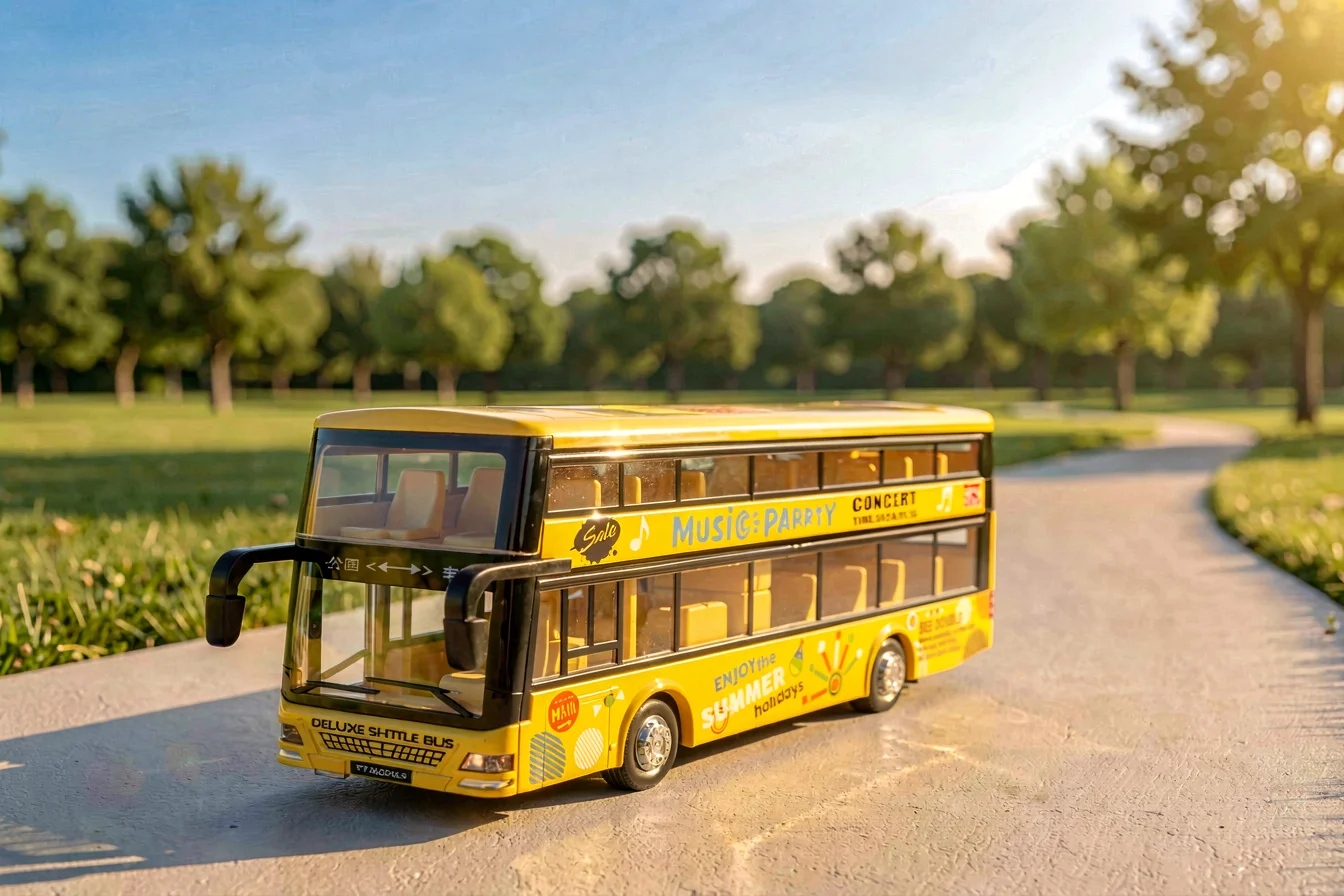
Buyers should evaluate double decker bus toy for niche collector appeal and premium lines, while single deck bus toy dominates mainstream, mass-market, and younger age segments. Both are trending in global search interest, but single deck bus toys offer broader usability and easier handling, making them the safer choice for most buyers. Strategic sourcing should align with target audience—premium and collector-focused for double deckers, budget and mass-market for single decks [1][3].
Both double decker bus toy and single deck bus toy cater to distinct buyer segments: double decker bus toys appeal to collectors, older children, and enthusiasts seeking iconic, detailed models, while single deck bus toys serve mainstream families, younger children, and budget buyers looking for simplicity and durability. Double decker bus toys deliver unique visual impact and storytelling value, often mirroring famous real-life designs like London’s red double decker, but their complexity and fragility make them less suitable for young children. Single deck bus toys, by contrast, are easier to handle, less expensive, and more versatile for play scenarios, making them the dominant choice in mass-market toy retail. Procurement urgency is high due to shifting market preferences—buyers must align sourcing with both demand trends and end-user needs to avoid stock-outs or overstocking.
The key procurement dilemma is balancing niche appeal against mass-market viability. Double decker bus toys offer higher margins for premium lines, but are riskier due to lower volume and higher production costs. Single deck bus toys offer steady demand, easier logistics, and lower risk, but may lack the premium differentiation sought by collector-oriented buyers. Technological innovation in both segments includes improved durability, realistic details, and eco-friendly materials, but double decker variants are more likely to feature advanced articulation and intricate designs.
| Feature | Double Decker Bus Toy | Single Deck Bus Toy |
|---|---|---|
| Visual Impact | High—Iconic, detailed, collector appeal | Moderate—Simple, mainstream, easy to recognize |
| Target Audience | Collectors, older children, enthusiasts | Young children, mainstream families, budget buyers |
| Durability | Lower—More fragile, intricate parts | Higher—Simpler design, robust construction |
| Price Range | $12–$50 (Premium lines) | $5–$30 (Mass-market lines) |
| Market Demand | Niche, growing in collector segment | Mainstream, steady volume |
| Logistics & Handling | More complex, higher breakage risk | Simpler, easier to ship and store |
Double decker bus toys are best for premium, collector-oriented lines, while single deck bus toys dominate mass-market, budget-friendly, and younger age segments.
Durability is a critical factor for toy sourcing. Double decker bus toy models are generally more fragile due to their multi-level construction, intricate details, and delicate parts. This increases the risk of breakage during shipping, handling, and play, especially for younger children. In contrast, single deck bus toy models are built for simplicity and robustness, making them ideal for high-frequency use and younger age groups. Both types are available in certified materials (CE, ASTM), but double decker bus toys require more careful handling and packaging.
Application scenarios diverge: double decker bus toys excel in collector displays, educational kits, and older children’s playrooms, where visual appeal and storytelling are valued. Single deck bus toys are preferred for mainstream play, school projects, and family gift-giving due to their ease of use and affordability. Buyers should consider the end-user’s environment—double deckers are best for display or niche play, while single decks suit everyday play and classroom settings.
Long-term cost outlook is shaped by initial price, maintenance, replacement frequency, and hidden costs (e.g., packaging, breakage, shipping). Double decker bus toys carry a higher initial investment and replacement risk, but may deliver higher perceived value for collector buyers. Single deck bus toys offer lower cost of ownership and lower breakage risk, making them more attractive for mass-market and budget buyers.
| Cost Factor | Double Decker Bus Toy | Single Deck Bus Toy |
|---|---|---|
| Initial Purchase Price | $12–$50 (Premium) | $5–$30 (Budget) |
| Maintenance & Replacement | Higher—Fragile parts, frequent repairs | Lower—Simple design, robust parts |
| Shipping & Packaging | More complex, higher breakage risk | Simpler, lower breakage risk |
| Replacement Frequency | Higher (especially for younger children) | Lower |
| Hidden Costs | Packaging, insurance, handling fees | Minimal |
Single deck bus toys deliver lower total cost of ownership and higher durability, making them ideal for mass-market and budget buyers, while double decker bus toys require careful handling and higher investment.
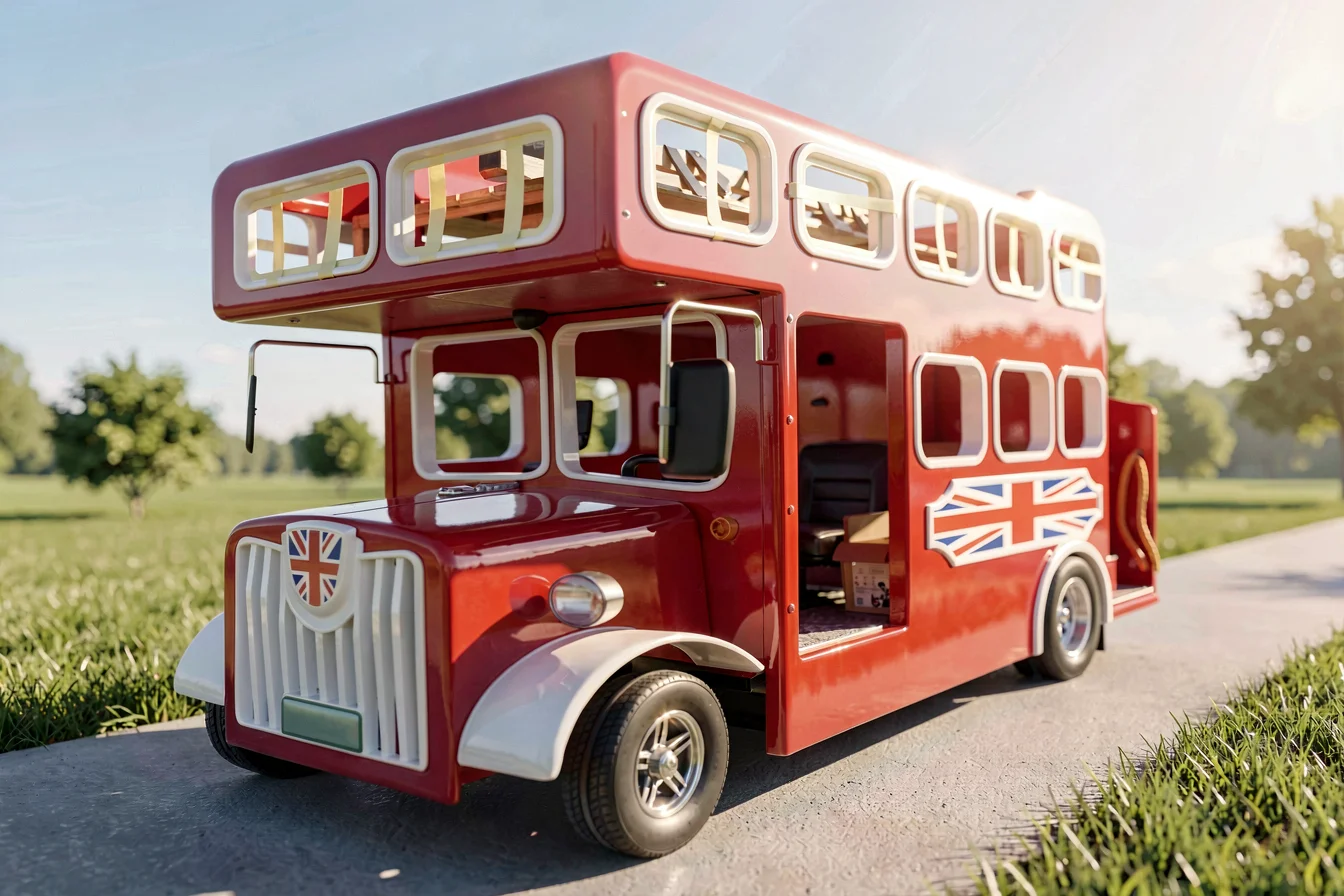
The bus toy category delivers value through visual storytelling, educational play, and collectibility. In the current market landscape, both double decker bus toy and single deck bus toy are in strong demand, but their application scenarios differ significantly. Double decker bus toys are favored for collector displays, themed educational kits, and older children’s playrooms. Single deck bus toys dominate mainstream play, classroom projects, and family gift-giving due to their simplicity and affordability.
Market trend data shows urbanization and multi-generational living are driving demand for both types, but single deck bus toys are preferred for everyday play and classroom use. E-commerce stats confirm steady growth for both, with single deck bus toys slightly outperforming in recent months [1].
Google Trends data reveals both double decker bus toy and single deck bus toy are trending upward globally, with single deck bus toy models showing a slight edge in search interest. Peaks occur during holiday seasons and school transitions, indicating strong demand for both types. However, purchasing behavior favors single deck bus toys for mainstream buyers, while double decker bus toys capture niche, premium, and collector segments.
Search Interest over Time
Single deck bus toy models show slightly higher and steadier search interest, but double decker bus toy models are gaining traction in niche and collector segments.
Reddit and social media platforms reveal contrasting buyer personas and experiences. Double decker bus toys are praised for their iconic design and collector appeal—especially among UK and London enthusiasts—but are criticized for being harder to handle and more prone to damage. Single deck bus toys are favored for simplicity, affordability, and practicality, especially for young children and mainstream families.
Case Study 1: Collector Enthusiast (Reddit, r/pixarcars) A collector posts: “It’s a London bus. Classic.” Other users respond with humor and nostalgia, highlighting the double decker’s visual impact and storytelling potential. The product’s intricate details and iconic status drive engagement, but users note the fragility and difficulty in handling.
“It’s a London bus. Classic.” (r/pixarcars)
“Top deck for a journey longer than 20 minutes… it doesn't feel like a day off if I sit on the bottom deck for a longer journey!” (r/dyspraxia)
Case Study 2: Parent and Family Buyer (Reddit, r/Parenting) A parent shares: “Does anyone have some good recommendations for a 6 year old… for something to do on the bus on the way to school?” The response highlights the importance of affordability, simplicity, and ease of use—single deck bus toys are recommended for their practicality and durability. Parents favor toys that are easy to handle and less likely to break.
“Teach him the alphabet game. My girls (12yo) try and find cars of every color of the rainbow on the way to school.” (r/Parenting)
“ERTL brand… all about 4-6 inches long with no batteries! You can probably order online from them too. They’re usually around $5 each.” (r/toddlers)
| Dimension | Double Decker Bus Toy | Single Deck Bus Toy |
|---|---|---|
| Overall Satisfaction | High for collectors, moderate for families | Very high for families, moderate for collectors |
| Most Praised Feature | Iconic design, visual impact | Simplicity, affordability, durability |
| Most Common Complaint | Fragility, handling difficulty | Limited visual appeal, basic features |
| Community Recommendation Rate | Moderate (for collectors) | High (for families) |
Viral content themes include nostalgia for classic bus designs, collector pride, and practical play for young children. Recurring debate points revolve around handling difficulty, durability, and the balance between visual appeal and practicality. Cultural reception is positive for both, but single deck bus toys are more broadly accepted and recommended for mainstream buyers.
Double decker bus toys are celebrated for their iconic design and collector appeal, but single deck bus toys are more broadly accepted and recommended for mainstream families and young children.
Buyers should start by identifying their core needs: Is the product intended for collector display, educational play, mainstream family use, or budget-friendly gifting? Key questions include:
| Tier | Recommended Product | Key Reason |
|---|---|---|
| Budget-Friendly | Single Deck Bus Toy | Affordable, durable, easy to handle |
| Mid-Range | Single Deck Bus Toy | Practical for mainstream play, classroom use |
| Premium/Collector | Double Decker Bus Toy | Iconic design, collector appeal, storytelling |
Optimization tips include timing purchases around peak school transitions and holidays for maximum demand, bundling bus toys with educational kits for added value, and prioritizing durability and ease-of-handling for younger children. Avoid common mistakes like overstocking premium double decker bus toys for mainstream buyers or underestimating the demand for single deck bus toys in educational settings.
Buyers should align sourcing strategy with target audience—premium and collector-oriented for double deckers, mass-market and budget-friendly for single decks.
Both double decker bus toy and single deck bus toy will continue to grow in demand, but their paths diverge: double decker bus toys are positioned to capture niche, collector, and premium segments, while single deck bus toys will remain dominant in mainstream, budget, and family markets. Forward-looking buyers should diversify sourcing strategies, investing in both categories to hedge against market shifts and capitalize on emerging trends. The next 6–12 months will see increased demand for eco-friendly materials, advanced articulation, and storytelling features in both segments.
Buyers should confidently align sourcing with target audience, invest in both premium and mainstream bus toy lines, and share experiences to build brand engagement. Commercial buyers are encouraged to explore wholesale platforms like Alibaba.com for optimized procurement and supply-chain resilience.
Share your bus toy experiences and feedback with the community to help shape future product innovations. For commercial buyers, leverage Alibaba.com’s platform for bulk sourcing, OEM customization, and competitive pricing.