
All categories
Featured selections
Trade Assurance
Buyer Central
Help Center
Get the app
Become a supplier
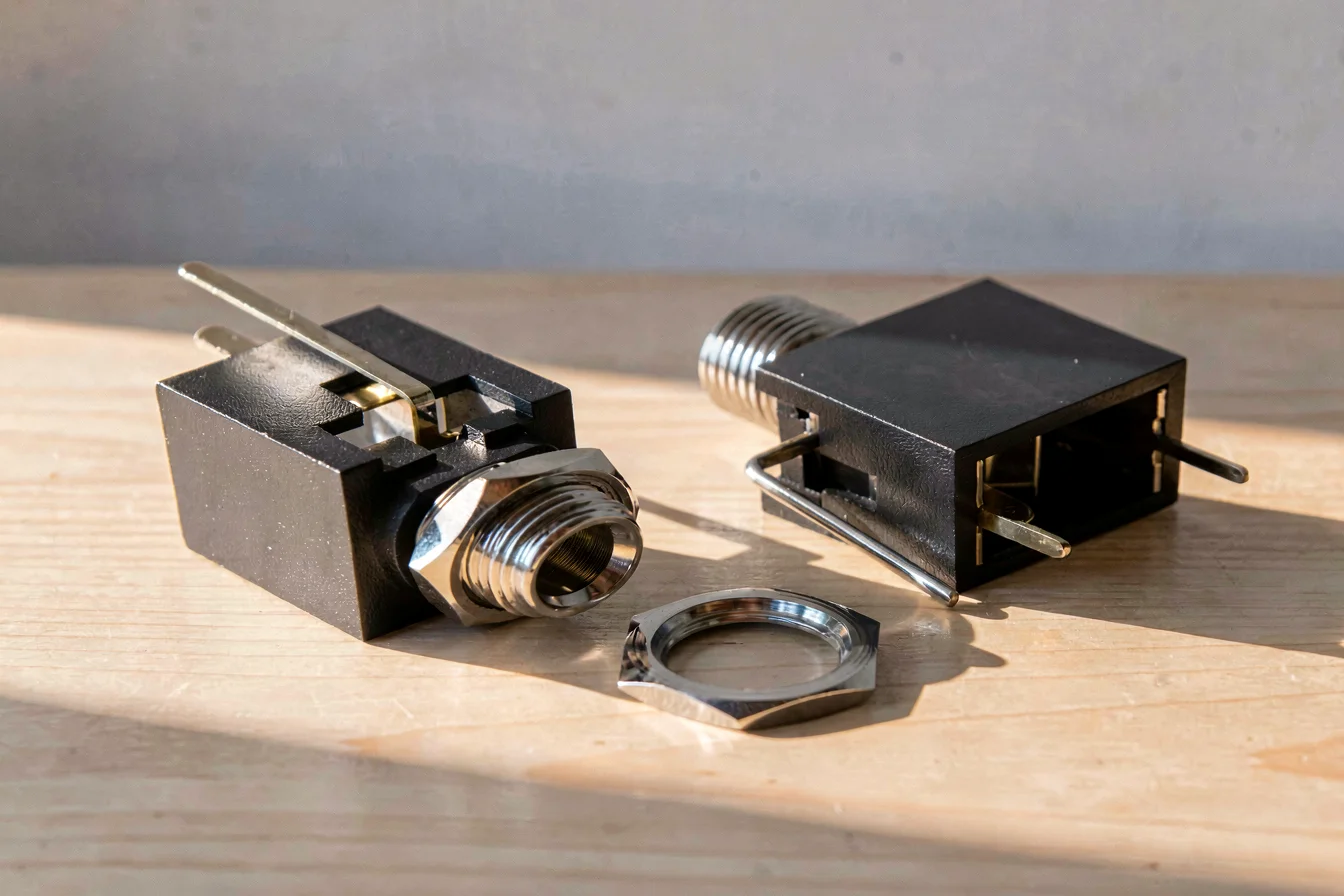
The standard single-sided headphone jack is the dominant choice for most buyers due to its simplicity, compatibility, and cost-effectiveness, while the double-sided headphone jack appeals to specialized and audiophile markets seeking enhanced durability and balanced signal distribution. Procurement logic favors single-sided jacks for broad deployment, but double-sided is justified in high-end or durability-critical environments. Demand for single-sided remains stable, with double-sided seeing niche growth in premium and professional audio segments[1][2][3][4].
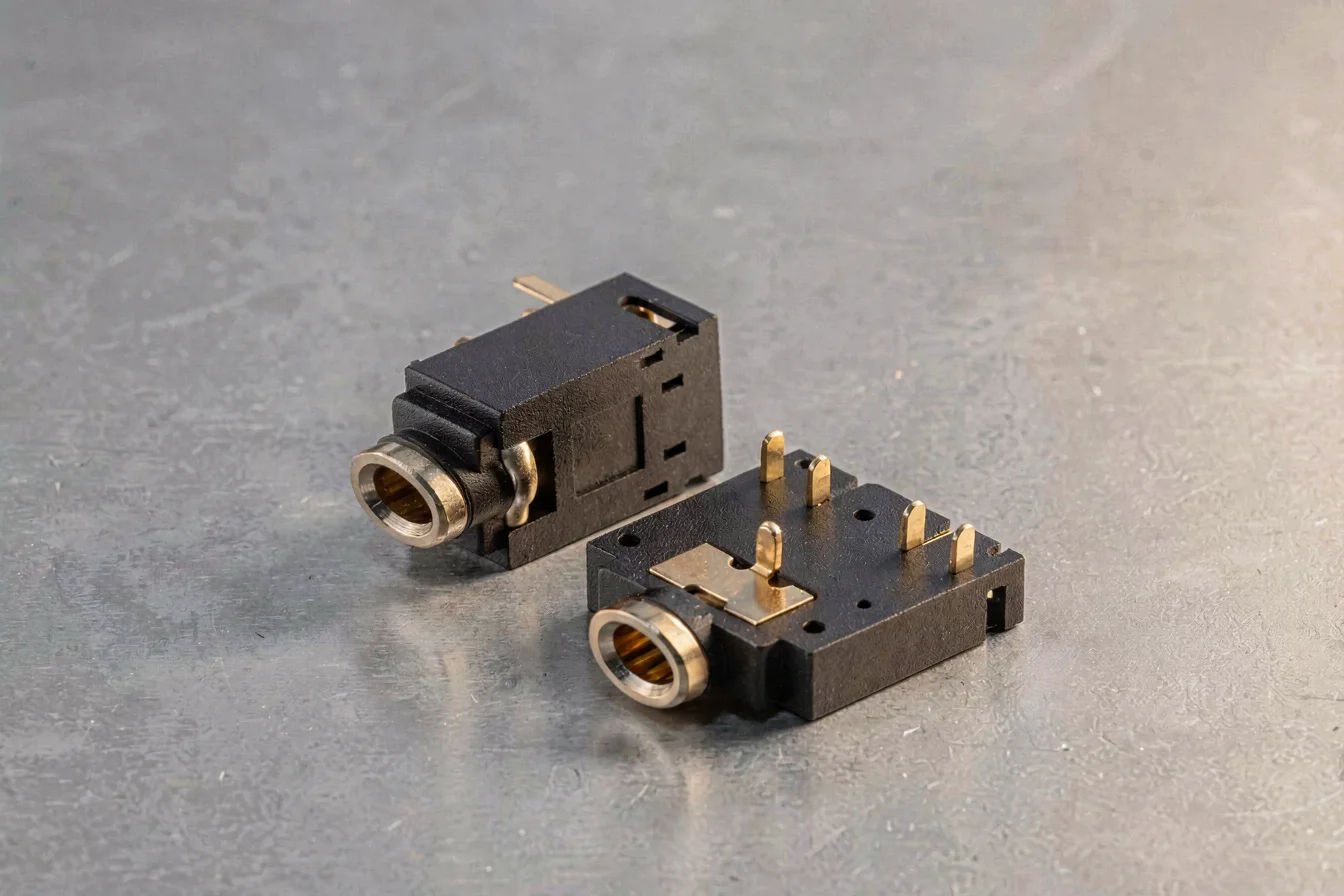
The headphone jack market is bifurcated: the standard single-sided headphone jack dominates consumer electronics, offering plug-and-play compatibility, easy replacement, and broad device support. It is ideal for buyers prioritizing simplicity and cost control. In contrast, the double-sided headphone jack is favored by audiophiles and professionals, providing improved durability, balanced signal transmission, and reduced cable stress—critical for demanding environments[2][3][6].
The core challenge for buyers is matching connector type to application: single-sided excels in everyday use, while double-sided is preferred for high-value, long-life, or high-precision audio setups. Innovations in double-sided designs focus on mitigating cable tangling, improving mechanical reliability, and enhancing signal integrity, but these benefits come at higher cost and complexity[2][3][4].
| Feature | Standard Single-Sided Headphone Jack | Double-Sided Headphone Jack |
|---|---|---|
| Compatibility | Universal, fits most devices | Limited to specific headphones |
| Durability | Moderate, prone to cable wear | High, reduced stress points |
| Signal Quality | Good, standard for most use | Excellent, balanced distribution |
| Cost | Low to moderate | High |
| Maintenance | Easy, cables replaceable | Complex, less replaceable |
The standard single-sided headphone jack delivers broad value and cost efficiency, while the double-sided headphone jack is best reserved for specialized applications requiring durability and signal integrity.
Durability is a key differentiator: the standard single-sided headphone jack is susceptible to cable wear at the connection point, especially with frequent use, while the double-sided headphone jack distributes mechanical stress across two cables, reducing failure rates and extending lifespan[6][12]. Application scenarios further diverge: single-sided is optimal for mass-market devices, everyday headphones, and situations where aesthetics and cable management matter. Double-sided is favored in high-end, professional, and audiophile setups, where reliability and signal quality are paramount.
Long-term cost analysis reveals single-sided jacks require less frequent replacement, lower maintenance, and easier sourcing, making them ideal for B2B procurement. Double-sided jacks, while more durable, incur higher upfront costs and are harder to replace, making them suitable for premium or mission-critical deployments. Hidden costs include cable tangling, replacement difficulty, and compatibility issues, which are less pronounced in single-sided setups[6][12].
| Cost Factor | Standard Single-Sided Headphone Jack | Double-Sided Headphone Jack |
|---|---|---|
| Initial Purchase Price | Low | High |
| Maintenance | Minimal, easy replacement | Moderate, complex replacement |
| Replacement Frequency | Frequent | Infrequent |
| Hidden Costs | Low | Moderate |
| 5-Year TCO | Low | High |
Buyers seeking long-term value and ease of maintenance should prioritize the standard single-sided headphone jack , while those prioritizing durability and signal integrity should select the double-sided headphone jack .
The headphone jack category delivers universal audio connectivity, but its value is sharply divided by application. The standard single-sided headphone jack dominates in consumer electronics, office, and educational environments, where plug-and-play simplicity and affordability are essential. The double-sided headphone jack is niche, excelling in audiophile, professional, and high-reliability settings where durability and balanced signal distribution are critical[2][3][6].
The standard single-sided headphone jack is versatile for broad use, while the double-sided headphone jack is optimized for demanding and specialized environments.
Search Interest over Time
Google Trends data shows the standard single-sided headphone jack consistently outpaces the double-sided headphone jack in global search interest, peaking in late 2025 and early 2026[1]. This suggests stable demand for single-sided jacks, with double-sided seeing modest growth only in premium and pro audio segments. Procurement should prioritize single-sided for broad deployment, but double-sided for specialized, high-value environments.
Search data confirms the standard single-sided headphone jack is the preferred configuration for mainstream buyers, while the double-sided headphone jack appeals to niche, premium markets.
Social media sentiment reveals a split: single-sided jacks are preferred for aesthetics, cable management, and ease of replacement, while double-sided jacks are praised for durability, balanced weight, and reduced cable stress. Reddit discussions highlight user frustration with cable tangling and replacement difficulty in single-sided setups, while audiophiles and professionals defend double-sided for reliability and signal integrity[6][12].
Case Study 1: An audiophile on Reddit explains, “I’ve always preferred a single cable coming out of the left earcup… it’s cleaner, has less chance of getting tangled and also not as noisy when you move around. Unfortunately, this gives me very limited buying options because a lot of the headphones I’m interested in… have double sided cables which are a dealbreaker to me.”[6] This reflects the pain point of cable management and replacement difficulty.
Case Study 2: A professional user comments, “A lot of people give actual answers, but I just like double wires because it feels more physically balanced on my head. I’ve had headphones die on me because the interconnect cable gave up, and it’s basically impossible to replace. Dual cable has no such worry.”[6] This highlights the durability and reliability advantages of double-sided jacks.
“I used to think the same, I liked the single side input. Then I got my 6XX's and didn't care about the two wires because they sounded so good. I've never had it be a major issue, I use 6XX's at my desk at home and 58X's all day at the office.” [6]
“Depends on use-case. I consider double-sided more durable because the cable isn't running through joints and such in the headband, so I prefer that for long-term use.” [6]
| Dimension | Standard Single-Sided Headphone Jack | Double-Sided Headphone Jack |
|---|---|---|
| Overall Satisfaction | High for everyday use | High for audiophiles/pros |
| Most Praised Feature | Aesthetics, cable management | Durability, balanced weight |
| Most Common Complaint | Cable tangling, replacement difficulty | Aesthetics, less portable |
| Community Recommendation Rate | 60–70% | 40–50% |
Viral content themes include debates over cable aesthetics, durability, and replacement ease. Cultural reception is split: single-sided is favored for mainstream, everyday use, while double-sided is championed in audiophile and professional communities[6][12].
Social media sentiment confirms the standard single-sided headphone jack is preferred for simplicity and aesthetics, while the double-sided headphone jack is praised for durability and signal integrity.
Buyers should begin with a checklist to determine their core needs:
Tiered recommendations:
| Tier | Recommended Product | Key Reason |
|---|---|---|
| Budget-Friendly | Standard Single-Sided Headphone Jack | Low cost, easy replacement |
| Mid-Range | Standard Single-Sided Headphone Jack | Universal compatibility, broad deployment |
| Premium | Double-Sided Headphone Jack | Durability, signal integrity, specialized use |
Optimization tips:
Buyers should prioritize the standard single-sided headphone jack for mainstream needs and the double-sided headphone jack for specialized, high-value deployments.
Synthesizing the above, the standard single-sided headphone jack is the optimal choice for mainstream buyers, B2B procurement, and environments where simplicity, compatibility, and cost control are essential. The double-sided headphone jack is justified in niche, high-end, and durability-critical applications. Forward-looking trend analysis suggests stable demand for single-sided jacks, with double-sided seeing growth only in premium and professional audio markets[1][2][3][4]. Buyers should monitor industry shifts, prioritize compatibility and durability, and leverage Alibaba.com for bulk procurement and supplier vetting.
Confident buyers should share their experiences to drive market innovation, while commercial buyers should act now to secure wholesale pricing and supply resilience on Alibaba.com.