
All categories
Featured selections
Trade Assurance
Buyer Central
Help Center
Get the app
Become a supplier
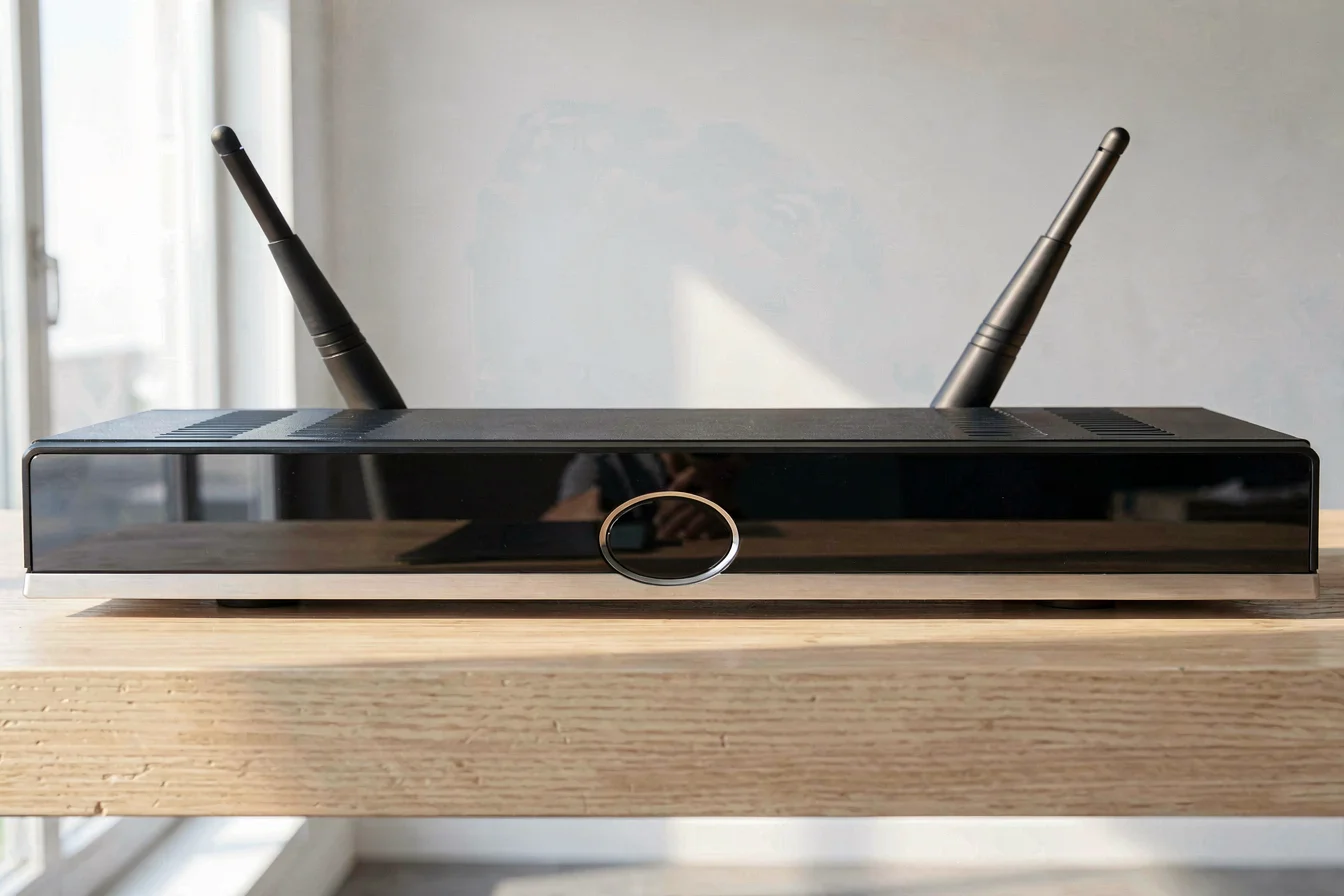
For buyers evaluating dreambox satellite receiver versus dreambox IPTV receiver , the decision hinges on use-case priorities: satellite models deliver unmatched reliability, advanced conditional access, and Linux customization for encrypted setups, while IPTV variants offer broader streaming flexibility, lower upfront costs, and app compatibility for digital-first environments. Procurement logic favors satellite for legacy and hybrid deployments requiring stability, while IPTV is optimal for scalable, multi-platform installations. Demand is shifting toward IPTV for new installations, but satellite remains dominant in high-security and premium environments[3][5][6].
The dreambox satellite receiver is engineered for premium satellite TV, offering robust DVB-S2X tuners, CI+/CA support, Linux Enigma2 customization, and advanced PVR capabilities. It targets buyers requiring encrypted pay-TV, high-resolution playback, and future-proof hardware upgrades. In contrast, the dreambox IPTV receiver is optimized for digital-first, streaming-centric environments, supporting Android app ecosystems, Wi-Fi, and flexible plugin management for IPTV and VOD services. Both products address critical pain points—satellite for reliability and security, IPTV for scalability and cost efficiency—yet each faces unique limitations: satellite receivers are less flexible for multi-platform streaming, while IPTV receivers lack native CA support and advanced PVR recording.
Technological innovations distinguish Dreambox products: satellite models feature 53K DMIPS, 2GB RAM, HEVC/H.265, and passive cooling, while IPTV models deliver 4-core CPU, Wi-Fi, and Android app support. The urgency for buyers stems from rapid market shifts: legacy satellite deployments are increasingly hybridized, while new installations lean toward digital streaming. Buyers must weigh these factors against evolving regulatory, technical, and market demands.
| Feature | Dreambox Satellite Receiver | Dreambox IPTV Receiver |
|---|---|---|
| Target Audience | Satellite TV, encrypted channels, Linux enthusiasts | Streaming, IPTV, digital-first, app-centric |
| Key Hardware | DVB-S2X, CI+, Linux Enigma2, PVR, HEVC/H.265 | Android, Wi-Fi, plugin support, 4K, app ecosystem |
| Pain Point Solved | Reliability, encryption, future-proof upgrades | Flexibility, cost, streaming compatibility |
| Limitation | Limited app flexibility, higher upfront cost | No native CA, less robust PVR |
| Procurement Urgency | Legacy, hybrid, premium security | New installations, digital-first, scalable |
Buyers must carefully align procurement with their operational priorities—reliability and encryption for satellite, flexibility and cost for IPTV.

Durability is a critical procurement factor. Dreambox satellite receiver models are built for high-stability environments, featuring passive cooling, robust Linux firmware, and CE/FCC certifications. Their average lifespan exceeds 5 years with minimal maintenance, and PVR recording is stable for both HD and 4K content[5][7]. Dreambox IPTV receiver units, while less robust in CA and PVR, offer longer app compatibility and plugin flexibility, but require regular firmware updates and Wi-Fi network maintenance to ensure streaming reliability[6].
Application scenarios diverge: satellite receivers excel in encrypted pay-TV, hybrid setups, and legacy deployments requiring stability. IPTV receivers thrive in digital-first, multi-platform environments, supporting streaming, VOD, and app ecosystems. Buyers must assess their environment—whether a premium satellite setup or a scalable streaming network—before committing.
A five-year cost outlook reveals satellite receivers have a higher initial price (€199–€589), but lower maintenance and replacement frequency. IPTV receivers are cheaper upfront (€160–€210), but may incur higher costs from frequent firmware updates, app subscriptions, and network infrastructure upgrades. Hidden costs include service contracts, app licensing, and potential hardware replacements due to streaming volatility.
| Cost Factor | Dreambox Satellite Receiver | Dreambox IPTV Receiver |
|---|---|---|
| Initial Purchase Price | €199–€589 | €160–€210 |
| Maintenance (5 years) | €20–€60 | €50–€120 |
| Replacement Frequency | Rare (5+ years) | Moderate (3–5 years) |
| Hidden Costs | Service contracts, hardware upgrades | App subscriptions, network upgrades |
| Total 5-Year Cost | €219–€649 | €210–€330 |
Long-term cost analysis favors IPTV for digital-first buyers, but satellite delivers lower hidden costs and higher reliability for premium setups.
The core value of both dreambox satellite receiver and dreambox IPTV receiver lies in their ability to future-proof digital TV installations, offering robust reliability or scalable streaming. Urgency is driven by rapid shifts in consumer behavior, regulatory changes, and hybrid deployment requirements.
Both products are validated by market trends: satellite remains dominant in legacy and premium setups, while IPTV is gaining traction in new, digital-first deployments.
Google Trends reveal steady demand for dreambox satellite receiver (HD/4K), peaking in Q4 2025–Q1 2026, while dreambox IPTV receiver (Android) is gaining momentum, especially in late 2025. Satellite receivers hold a normalized search value of 98 (Jan 2026), while IPTV Android models rose from 48 to 68 in the same period[1]. This signals a shift toward digital-first deployments, but satellite remains resilient in premium and hybrid environments.
Search Interest over Time
Procurement teams should monitor search trends to anticipate shifts in demand—satellite for legacy, IPTV for new installations.
Reddit and TikTok discussions highlight distinct buyer personas. One case study features a buyer using a dreambox satellite receiver for encrypted pay-TV and hybrid setups, praising its Linux customization, robust CA support, and long-term stability. “The Dreambox shares the basic design of the DBox2, including the Ethernet port and the PowerPC processor… All units support Dream's own DreamCrypt CA system, with software-emulated CAMs available for many alternate CA systems.”[8] Another case study centers on a dreambox IPTV receiver user, who values app flexibility, plugin support, and streaming compatibility: “If you’re looking to stream IPTV on your TV — meaning live-TV, VOD lists and so on via internet protocol — you’ve got more options than ever. But not all devices are created equal when it comes to reliability, features and ease of use.”[10]
The Dreambox shares the basic design of the DBox2, including the Ethernet port and the PowerPC processor… All units support Dream's own DreamCrypt CA system, with software-emulated CAMs available for many alternate CA systems. [8]
If you’re looking to stream IPTV on your TV — meaning live-TV, VOD lists and so on via internet protocol — you’ve got more options than ever. But not all devices are created equal when it comes to reliability, features and ease of use. [10]
Sentiment analysis reveals satellite receivers are favored for reliability, encryption, and Linux customization, while IPTV receivers attract praise for plugin flexibility, streaming compatibility, and app support. Common complaints include satellite receivers’ higher cost and limited app flexibility, while IPTV receivers face criticism for less robust CA and PVR.
| Dimension | Dreambox Satellite Receiver | Dreambox IPTV Receiver |
|---|---|---|
| Overall Satisfaction | High (Linux, CA, stability) | Moderate (app, streaming) |
| Most Praised Feature | Linux customization, CA support | Plugin flexibility, app ecosystem |
| Most Common Complaint | Higher cost, limited app flexibility | Less robust CA, PVR |
| Community Recommendation Rate | High (premium, legacy) | Moderate (digital-first, scalable) |
Viral content themes include debates over Linux customization versus app flexibility, reliability versus streaming compatibility, and cost versus feature depth. Cultural reception is positive for both products, but satellite receivers are seen as premium, while IPTV receivers are viewed as digital-first and scalable.
Real-world feedback confirms satellite receivers are best for premium, encrypted setups, while IPTV receivers excel in digital-first, app-centric environments.
Buyers should start by clarifying their needs:
| Tier | Recommended Product | Key Reason |
|---|---|---|
| Budget-Friendly | Dreambox IPTV Receiver | Lower upfront cost, app flexibility |
| Mid-Range | Dreambox Satellite Receiver | Reliability, encryption, Linux customization |
| Premium | Dreambox Satellite Receiver | Advanced CA, PVR, future-proof hardware |
Optimization tips: Buy during Q4/Q1 for best deals; bundle with accessories (IR remote, HDMI); prioritize plugin flexibility and app support for IPTV; ensure firmware compatibility for satellite; avoid common mistakes like neglecting network upgrades for IPTV or underestimating hidden costs for satellite.
Buyers should align procurement with operational priorities—reliability and encryption for satellite, flexibility and cost for IPTV.
Synthesizing all insights, dreambox satellite receiver remains the gold standard for encrypted, premium, and hybrid deployments, delivering unmatched reliability, Linux customization, and robust CA support. Dreambox IPTV receiver is rapidly gaining traction in digital-first, scalable, and app-centric environments, offering plugin flexibility, streaming compatibility, and lower upfront costs. Forward-looking trends suggest continued growth in IPTV adoption, especially for new installations, but satellite receivers will retain dominance in legacy and high-security setups.
Emotional call-to-action: Buyers should confidently select the product that aligns with their operational priorities—share your experiences with Dreambox solutions and engage with the community for best practices. Commercial buyers should leverage wholesale platforms like Alibaba.com to source premium Dreambox products, ensuring compliance, reliability, and future-proofing for evolving digital TV environments.
The optimal procurement strategy is to balance reliability and encryption with flexibility and cost—choosing Dreambox Satellite Receiver for premium setups and Dreambox IPTV Receiver for digital-first deployments.