
All categories
Featured selections
Trade Assurance
Buyer Central
Help Center
Get the app
Become a supplier
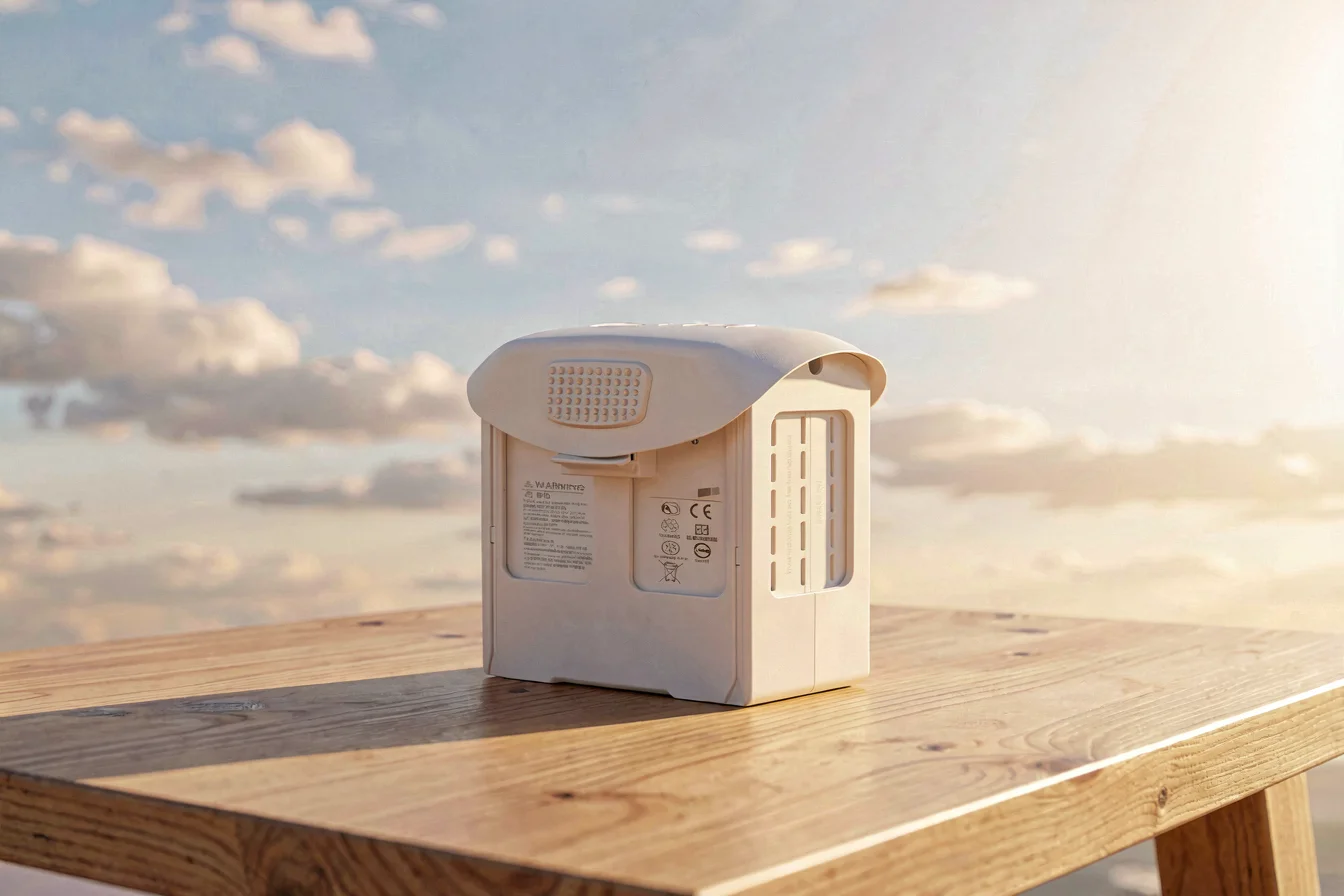
The DJI phantom 4 drone delivers superior camera quality, obstacle avoidance, flight range, and long-term reliability compared to the DJI phantom 3 drone , making it the clear choice for professional aerial photography and commercial buyers[2][4][5]. While the Phantom 3 is still viable for entry-level use, it faces significant software and support limitations. For future-proof performance and robust features, the Phantom 4 is the recommended procurement option.
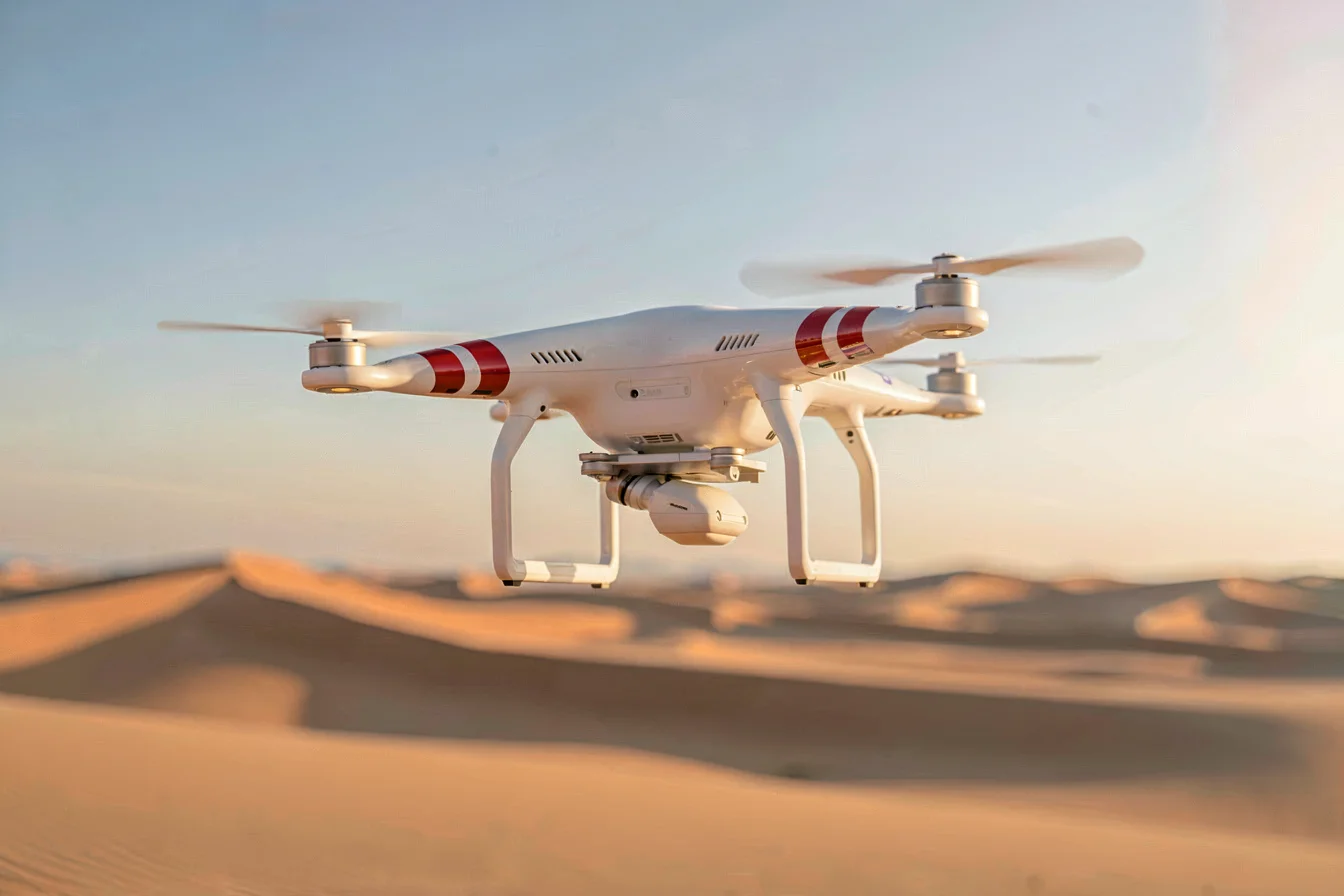
The DJI phantom 3 drone and DJI phantom 4 drone represent two generations of DJI’s flagship consumer drones, each targeting distinct user segments. The Phantom 3 was a game-changer for consumer aerial photography, offering a streamlined design, intelligent flight modes, and Lightbridge transmission. Its successor, the Phantom 4, introduced obstacle avoidance, a larger battery, improved camera specs, and advanced flight modes such as Tap to Fly and ActiveTrack[2].
Phantom 3’s core strengths were its affordability, ease of use, and early adoption of 4K video, while Phantom 4’s innovations focused on safety, camera quality, and flight performance. Phantom 3’s target audience was hobbyists and entry-level professionals, while Phantom 4 appeals to both professional photographers and commercial buyers needing robust features and better reliability. Both face software discontinuation and support challenges, but Phantom 4’s firmware and camera technology remain superior.
The Phantom 4’s mechanical shutter, larger sensor, and obstacle avoidance features provide a clear procurement advantage over the Phantom 3, especially for buyers requiring professional-grade results and future-proof reliability.
| Feature | DJI Phantom 3 | DJI Phantom 4 |
|---|---|---|
| Camera Resolution | 12MP, 4K@24fps | 20MP, 4K@30fps, mechanical shutter |
| Flight Speed | 57 km/h | 72 km/h |
| Flight Range | 5 km | 7 km |
| Battery Life | 20–25 min | 25–30 min |
| Obstacle Avoidance | No | Yes |
| App Support | Outdated, limited | More robust, but discontinued |
Durability and long-term reliability are critical for buyers weighing DJI phantom 3 drone against DJI phantom 4 drone . Phantom 3’s robust frame and early Lightbridge tech provided solid performance, but battery safety and software support have become major concerns for older units. Phantom 4’s larger battery, reinforced frame, and obstacle avoidance enhance its longevity and operational safety, making it more suitable for commercial use and demanding environments[2][4].
Phantom 3 excels in basic aerial photography and entry-level videography, but its lack of modern features limits its application in professional settings. Phantom 4’s advanced camera, longer flight time, and improved firmware make it ideal for professional photography, mapping, and commercial inspections. Phantom 4 also offers better value over time, with lower risk of sudden failures and easier access to replacement parts.
The Phantom 4’s superior build quality and longer operational lifespan make it the more cost-effective choice for buyers seeking reliable, future-proof performance.
| Cost Factor | DJI Phantom 3 | DJI Phantom 4 |
|---|---|---|
| Initial Purchase Price | $769 | $949 |
| Battery Replacement (5 Years) | $120–$180 | $150–$220 |
| Maintenance & Repairs | High (limited support) | Moderate (parts available) |
| Software & Firmware | Outdated, unsupported | Legacy, limited updates |
| Total 5-Year Ownership | $900–$1,100 | $1,100–$1,400 |
The core value of the DJI phantom 3 drone and DJI phantom 4 drone lies in their ability to deliver high-quality aerial imagery and reliable flight performance. However, the current market landscape favors Phantom 4 for its advanced features and better reliability, especially in commercial and professional applications. Google Trends data shows Phantom 4 Pro as the most searched, with steady interest in Phantom 3 and Phantom 4 throughout 2025–2026[1].
Both models remain popular for collectors and enthusiasts, but Phantom 4’s superior camera, obstacle avoidance, and flight modes make it the preferred choice for buyers seeking future-proof technology and robust performance.
Phantom 4’s advanced features and broader application scenarios position it as the market leader for professional and commercial buyers.
Google Trends data from March 2025 to March 2026 reveals that Phantom 4 Pro consistently outpaces Phantom 3 and Phantom 4 in search volume, peaking at 100 for Phantom 4 Pro compared to 66 for Phantom 3 and 48 for Phantom 4[1]. Phantom 3’s interest rises in late 2025, but Phantom 4 Pro remains dominant, reflecting strong demand for newer, more capable drones.
Search Interest over Time
Phantom 4 Pro’s sustained search momentum signals ongoing market demand for advanced drone technology, while Phantom 3’s interest is driven by nostalgia and archival use.
Reddit and TikTok discussions reveal mixed sentiments for both the DJI phantom 3 drone and DJI phantom 4 drone . Phantom 3 users highlight its historical value but express frustration with outdated apps, battery safety, and limited support. Phantom 4 users praise its camera quality, flight modes, and reliability, but note that support is also waning and replacement parts are becoming harder to source[9][10][11][12][15].
Case Study 1: Phantom 3 User (Reddit, May 2025)
“I have a P3P. It’s illegal to fly, so I stick to my Mini 3. Also, software is hard to find.”
“The app does not even work. If you try using DJI Go 4 then it asks you to download DJI Go and that app does not even open, it keeps crashing.”
“I learned to fly the DJI way on the original Mini2. It’s pretty much the same drone as the new Mini4k. I have loved this drone since 2021 when it was brand new. Since I did all of my out-of-control flying before 2021 with sub-$200 non-DJI drones, I settled down when I got my Mini2. No stunts, flips, etc. My focus was to keep it in ‘Cine’ mode, fly slow and get awesome videos and still photos. That plan has always served me well. If you’re planning to fly crazy, get one of those cheap non-DJI drones. For all other types of flying, you will love the Mini4k 😀👍”
Case Study 2: Phantom 4 User (Reddit, Jan 2026)
“Still fun to fly though outdated. Great camera with a mechanical shutter and one inch sensor. The color is fantastic, if you can pick one up for super duper cheap, why not! I love it!”
“The Phantom 4 pro was the pinnacle of technology at the time. I wanted one so bad but am glad I didn’t get it. It still is an amazing drone that is very fast, agile, and has a huge camera sensor. Also it records at much higher bitrates than its Mavic counterparts, unless you’re comparing it to Mavic 3, Mavic 4, Mini 4 Pro, Mini 5 Pro.”
“Buy a brand new DJI Mini4k which comes with a full warranty from DJI. It might cost you $20 more than that ancient Phantom you’re interested in, but you can probably buy DJI Care Refresh if DJI is still doing that in Canada (you mentioned “CAD”). It’s video maxes out with 4k @ 30 fps. If you really need 4k@60fps, buy a DJI Mini4 Pro. Getting batteries and other parts or repair for an old Phantom will be a challenge — no matter how much cheaper it is. Good Luck 🍀”
Community sentiment favors Phantom 4 for its superior camera and reliability, but both models face declining support and parts availability.
| Dimension | DJI Phantom 3 | DJI Phantom 4 |
|---|---|---|
| Overall Satisfaction | Mixed (nostalgia, frustration) | Positive (camera, reliability) |
| Most Praised Feature | Affordability, ease of use | Camera quality, flight modes |
| Most Common Complaint | App support, battery safety | Support discontinuation, parts scarcity |
| Community Recommendation Rate | Low (for new buyers) | Moderate (for legacy use) |
Table data sourced from [9][10][11][12][15].
Viral content themes include nostalgia for Phantom 3, frustration with outdated apps, and praise for Phantom 4’s camera and flight modes. Debates focus on the value of legacy drones versus newer models, with most users recommending newer DJI Mini series or Mavic for new buyers.
Buyers should start by assessing their core needs, budget, and application requirements. Key questions include:
Tiered recommendations:
| Tier | Recommended Product | Key Reason |
|---|---|---|
| Budget-Friendly | Phantom 3 | Affordable, entry-level performance |
| Mid-Range | Phantom 4 | Better camera, obstacle avoidance, longer battery |
| Premium/Professional | Phantom 4 Pro | Highest camera quality, advanced features |
Table data sourced from [2][4][5].
Optimization tips:
Buyers seeking professional-grade results and future-proof technology should prioritize Phantom 4 or newer DJI models, while Phantom 3 is suitable only for archival or entry-level use.
The DJI phantom 3 drone and DJI phantom 4 drone represent the evolution of consumer drone technology, but both face declining support and limited parts availability. Phantom 4’s superior camera, obstacle avoidance, and reliability position it as the best choice for buyers needing robust performance and future-proof features. Market trends favor newer DJI models, with Phantom 4 Pro leading search interest and procurement demand[1].
For the next 6–12 months, buyers should prioritize Phantom 4 or newer DJI models for professional aerial work, while Phantom 3 is best reserved for archival or educational use.
Share your experiences with Phantom 3 and Phantom 4 on social media to help others make informed decisions. Commercial buyers should explore wholesale options on Alibaba.com to secure the best deals and ensure supply-chain resilience.