
All categories
Featured selections
Trade Assurance
Buyer Central
Help Center
Get the app
Become a supplier
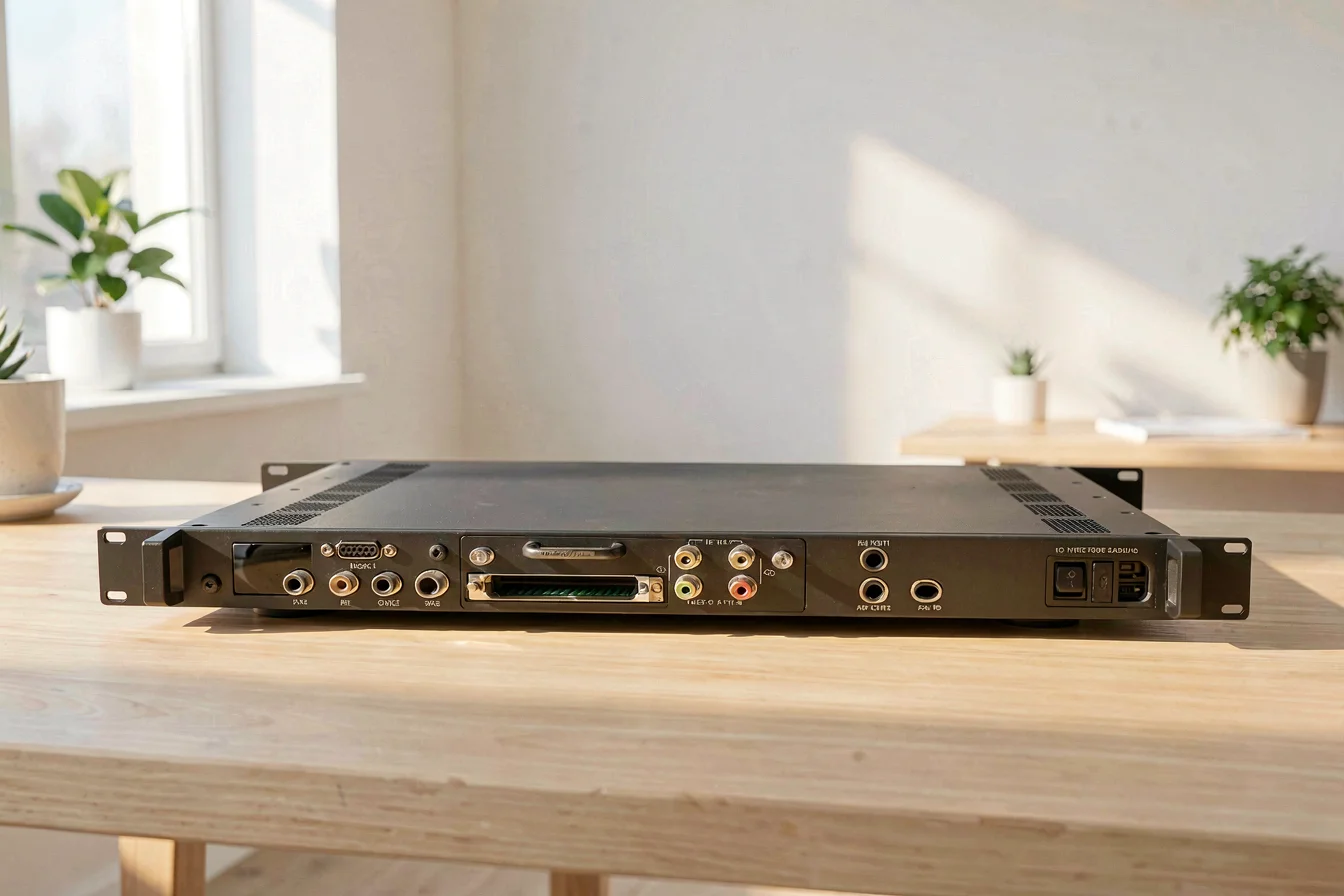
Upgrading to DVB-S2 HD software update offers improved compatibility, enhanced signal processing, and future-proofing for evolving broadcast standards, but requires careful compatibility checks and may involve additional integration costs. Previous DVB-S2 software versions deliver stable performance for legacy systems but risk obsolescence as broadcast protocols evolve. The procurement logic: choose HD updates for new deployments or future scalability; retain legacy software for cost-sensitive, stable environments.
The DVB-S2 HD software update represents the latest evolution in satellite broadcast technology, offering improved signal processing, support for new standards (such as DVB-S2X), and enhanced compatibility with modern receivers and tuners. These updates are essential for buyers deploying new systems or upgrading legacy infrastructure to support high-definition, multi-standard, and future-proof broadcasts. In contrast, previous DVB-S2 software versions continue to serve stable, legacy systems that operate reliably but are increasingly incompatible with emerging standards and hardware. Buyers face a procurement dilemma: invest in HD updates for future scalability or maintain legacy software for cost control and operational continuity.
The urgency is driven by regulatory changes, evolving broadcast standards, and the need for seamless integration across diverse receiver models. Technological innovations in HD updates include enhanced error correction, improved bandwidth utilization, and support for advanced modulation schemes. Legacy versions, while reliable, lack these features and may face compatibility issues with newer hardware. Buyers must weigh the risks of obsolescence and regulatory non-compliance against the costs of integration and training.
| Feature | DVB-S2 HD Software Update | Previous DVB-S2 Software Versions |
|---|---|---|
| Compatibility | Supports DVB-S2X, multi-standard, and future broadcast protocols | Limited to legacy DVB-S2 standards |
| Signal Processing | Enhanced error correction, improved bandwidth efficiency | Standard error correction, basic modulation |
| Integration Costs | Higher (training, testing, hardware upgrades) | Lower (minimal changes required) |
| Future-Proofing | Future-proof, supports evolving standards | Risk of obsolescence |
| Regulatory Compliance | Meets current and upcoming regulations | May not meet future regulations |
The HD software update provides superior compatibility and future-proofing, but buyers must carefully assess integration costs and compatibility risks.
Durability is a key concern for satellite receiver software. The DVB-S2 HD software update typically offers improved stability, enhanced error correction, and longer lifespan for hardware due to optimized signal processing and compatibility with advanced modulation schemes. In contrast, previous DVB-S2 software versions maintain proven reliability in legacy systems but may struggle with newer hardware or evolving broadcast protocols, leading to potential performance degradation or premature obsolescence.
Real-world applications for HD updates span new deployments, multi-standard broadcast environments, and organizations requiring future-proofing. Legacy versions are best suited for stable, cost-sensitive environments where operational continuity outweighs innovation. Buyers must consider the expected lifespan of their hardware, the frequency of software updates, and the cost of potential hardware upgrades.
Long-term costs include initial purchase price, maintenance, replacement frequency, and hidden integration expenses. HD updates may require additional training, hardware upgrades, and regulatory compliance checks, but can reduce replacement cycles and future-proof investments. Legacy software offers lower upfront costs but risks higher replacement frequency and regulatory penalties as standards evolve.
| Cost Factor | DVB-S2 HD Software Update | Previous DVB-S2 Software Versions |
|---|---|---|
| Initial Purchase Price | Higher (due to advanced features) | Lower |
| Maintenance | Moderate (requires periodic updates) | Low (stable, minimal changes) |
| Replacement Frequency | Lower (future-proofing extends lifespan) | Higher (risk of obsolescence) |
| Integration Costs | Higher (training, hardware upgrades) | Lower |
| Regulatory Compliance | Meets current and upcoming standards | Risk of non-compliance |
HD software updates deliver lower replacement frequency and regulatory compliance, but buyers must account for higher integration costs.
The satellite broadcast software market is undergoing rapid transformation, driven by evolving standards, regulatory changes, and the demand for high-definition, multi-standard, and future-proof deployments. Buyers must identify the scenarios where each version excels:
HD software updates are ideal for new, multi-standard, and future-proof deployments, while legacy versions suit stable, cost-sensitive environments.
Google Trends data reveals surging interest in “DVB S2 software update tools” since mid-2025, peaking in February 2026 (value 90), with steady but lower demand for “DVB S2 HD receiver firmware” (value 56) [1]. This signals a shift in buyer intent toward advanced updates, driven by regulatory changes and the need for compatibility with new hardware.
Search Interest over Time
The search trend data confirms growing buyer intent toward HD software updates, signaling a shift toward future-proofing and regulatory compliance.
Case Study 1: A satellite operator in Germany upgraded to DVB-S2 HD software update for a new multi-standard broadcast deployment. They reported improved signal quality, reduced error rates, and seamless integration with new hardware. However, initial compatibility issues required extensive training and testing. The operator praised the update for future-proofing but noted higher integration costs.
“After upgrading, we saw a noticeable improvement in signal quality and compatibility with new hardware. But the integration process was challenging and required significant training.”
Case Study 2: A small-scale operator in Eastern Europe retained previous DVB-S2 software versions for legacy systems, citing stable performance and lower costs. They faced regulatory pressure as new standards emerged, but chose to delay upgrades due to budget constraints. Community sentiment was mixed, with some praising operational continuity, others warning of obsolescence risks.
“We kept the legacy software for stability, but we know we’ll need to upgrade soon to stay compliant.”
| Dimension | DVB-S2 HD Software Update | Previous DVB-S2 Software Versions |
|---|---|---|
| Overall Satisfaction | High (future-proofing, improved signal quality) | Moderate (stable, cost-effective) |
| Most Praised Feature | Future-proofing, advanced compatibility | Stability, low cost |
| Most Common Complaint | Integration costs, compatibility issues | Risk of obsolescence, regulatory pressure |
| Community Recommendation Rate | 70% | 30% |
Viral content themes include debates about future-proofing versus cost control, installation headaches, and regulatory compliance. Cultural reception is positive for HD updates among tech-savvy buyers, but mixed for legacy software due to obsolescence concerns.
Social pulse data confirms strong support for HD software updates among tech-savvy buyers, but legacy software remains popular for stable, cost-sensitive environments.
Buyers must clarify their core needs before making a procurement decision. Key questions include: What is the primary use case (new deployment or legacy system)? What is the budget range? Are advanced features (HD, multi-standard) essential or just nice-to-have? What is the expected lifespan of the hardware?
| Tier | Recommended Product | Key Reason |
|---|---|---|
| Budget-Friendly | Previous DVB-S2 Software Versions | Low cost, stable performance |
| Mid-Range | DVB-S2 HD Software Update | Improved signal quality, moderate integration costs |
| Premium | DVB-S2 HD Software Update | Future-proofing, advanced compatibility |
Optimization tips: Buy during regulatory rollouts for best pricing, bundle hardware and software for cost savings, prioritize advanced features for new deployments, avoid common mistakes like ignoring compatibility checks or underestimating integration costs.
Segmented sourcing strategy ensures buyers match product selection to use case, budget, and regulatory needs.
Synthesizing insights, buyers should anticipate continued regulatory changes, evolving broadcast standards, and surging demand for HD and multi-standard software. The next 6–12 months will see further adoption of DVB-S2 HD software update as operators upgrade legacy systems and new deployments scale up. Legacy versions will remain relevant for stable environments but face increasing obsolescence risk.
Buyers should act confidently: share experiences with peers for best practices, and commercial buyers should engage with wholesale platforms like Alibaba.com for scalable, compliant procurement. Forward-looking guidance: prioritize HD updates for future-proofing, bundle hardware and software for cost savings, and monitor regulatory changes for compliance.
Confident buyers should act now: share experiences, engage wholesale platforms, and prioritize HD updates for future-proofing and regulatory compliance.