
All categories
Featured selections
Trade Assurance
Buyer Central
Help Center
Get the app
Become a supplier
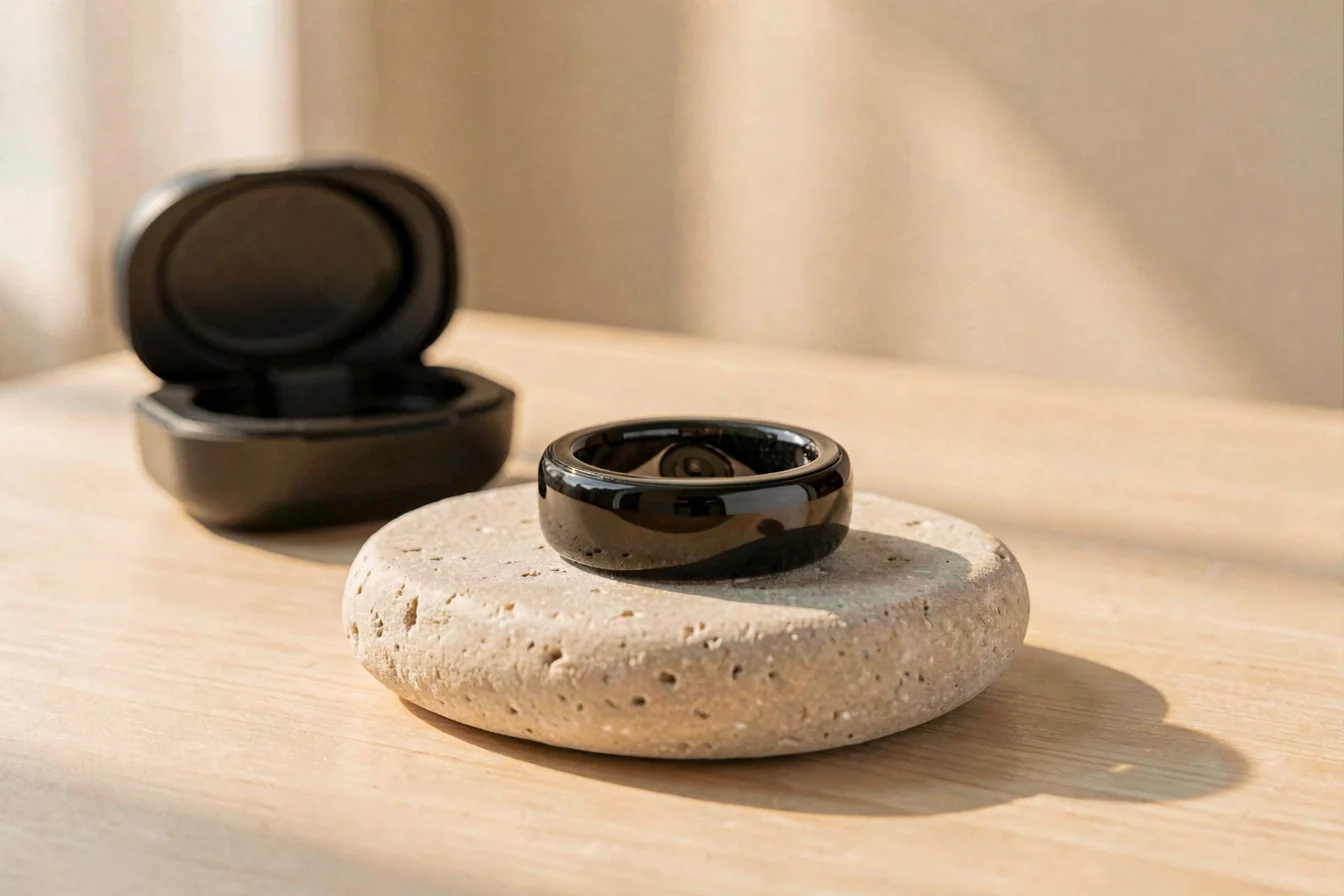
ECG Smart Rings deliver advanced cardiac monitoring and medical-grade insights, making them ideal for buyers prioritizing heart health and risk management. In contrast, Standard Fitness Trackers focus on basic activity, sleep, and recovery tracking, serving budget-conscious and general fitness users best. Google Trends shows rising global interest in ECG rings, but their premium pricing and niche use cases mean buyers must weigh medical-grade features against practicality and cost [1].
The ECG smart ring category addresses a growing need for continuous, medical-grade health monitoring, especially in cardiac risk management. These rings combine PPG, temperature, and ECG sensors to offer real-time heart rhythm analysis, Afib detection, and sleep tracking [6]. The target audience is health-conscious buyers, individuals with cardiovascular concerns, and those seeking proactive health management. Conversely, standard fitness tracker devices are optimized for everyday fitness metrics—step counting, heart rate, sleep quality, and activity logging—with a focus on affordability and ease of use. They appeal to general fitness enthusiasts and users seeking reliable, subscription-free wearables.
ECG rings face challenges with battery life, signal quality, and price—Reddit users report ECG rings lasting 10 days and requiring careful placement for optimal sensor contact [8]. Standard Fitness Trackers offer longer battery cycles, more robust sensor contact, and broader compatibility, but lack medical-grade features. Innovations in ECG rings include AI health coaching, multi-biomarker analysis, and cloud storage for easy doctor consultation [4][5]. Fitness trackers excel in software updates, user-friendly interfaces, and low-profile designs for everyday wear.
| Feature | ECG Smart Ring | Standard Fitness Tracker |
|---|---|---|
| Core Sensors | PPG, Temperature, ECG, Motion | PPG, Accelerometer, Gyroscope |
| Medical Features | ECG, Afib Detection, AI Health Coach | Heart Rate, Sleep, Recovery |
| Battery Life | 7–10 days (varies by model) | 5–14 days |
| Price Range | $299–$549 | $30–$150 |
| Subscription Model | Some require subscription (e.g., Oura) | Most are subscription-free |
| User Base | Health-conscious, medical risk management | General fitness, budget users |
ECG Smart Rings deliver medical-grade insights and niche cardiac monitoring, but Standard Fitness Trackers remain superior for everyday reliability and affordability.
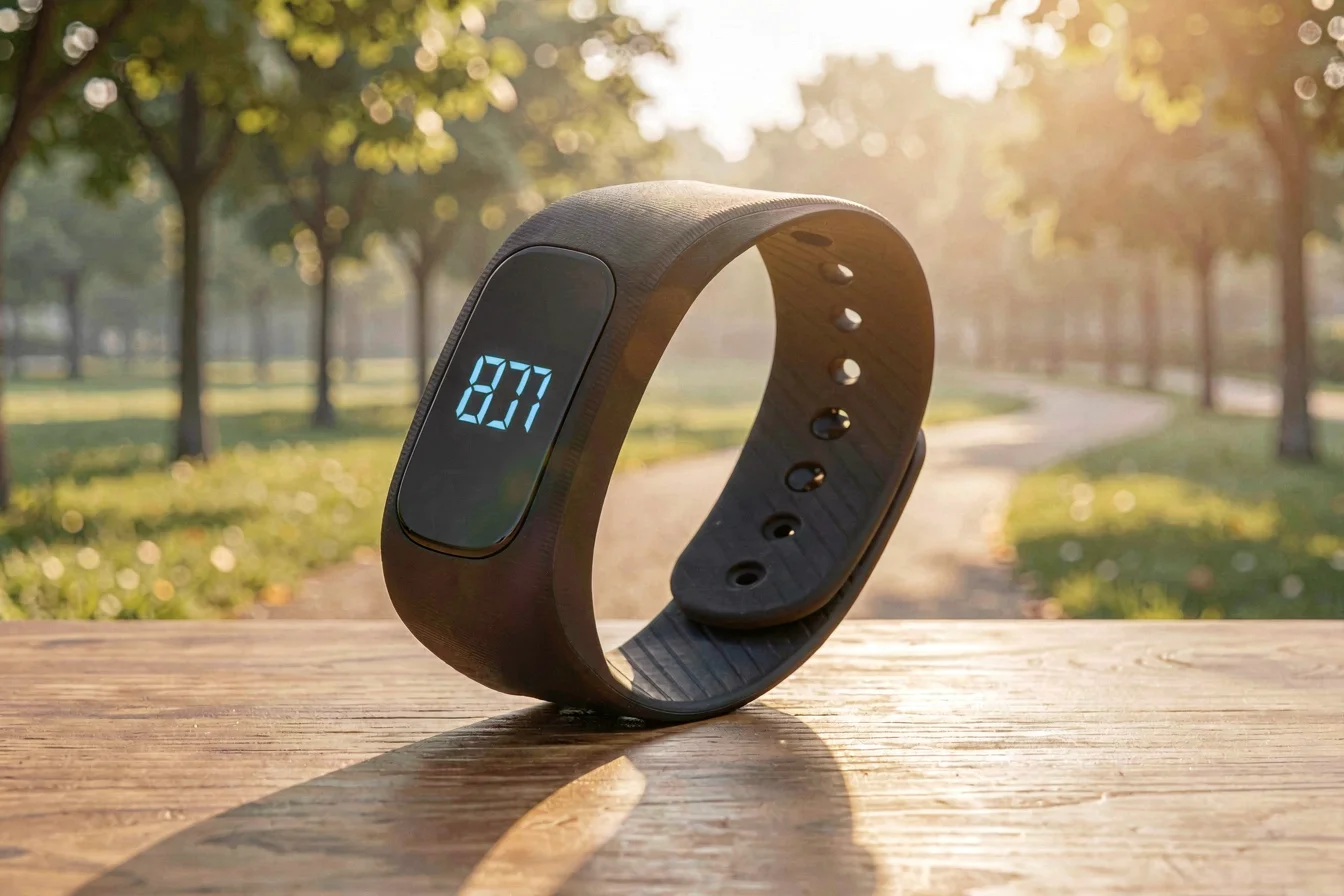
Durability is a crucial factor for buyers considering ECG smart ring or standard fitness tracker devices. ECG rings typically use advanced sensors and compact hardware, resulting in potential battery and signal quality issues, but offer medical-grade features. Reddit reports signal degradation and charging problems after 2–6 weeks, though premium models like Circular Ring 2 and Oura Ring offer improved durability and battery life [8][3]. Standard Fitness Trackers, with simpler sensor arrays and robust build, last longer between charges and require less maintenance [15].
Applications diverge: ECG rings excel in cardiovascular risk management, sleep analysis, and medical-grade health coaching, while fitness trackers are ideal for basic activity tracking, sleep logging, and recovery insights. Hidden costs for ECG rings include subscription fees (for Oura), device replacement if battery fails, and possible charging accessories. Standard Fitness Trackers offer lower upfront cost, minimal hidden fees, and longer replacement cycles. A five-year cost outlook reveals ECG rings may cost more upfront but deliver higher value for medical users, while fitness trackers offer cost-effective, subscription-free solutions.
| Cost Factor | ECG Smart Ring | Standard Fitness Tracker |
|---|---|---|
| Initial Purchase | $299–$549 | $30–$150 |
| Annual Subscription | $70–$120 (Oura) | Mostly none |
| Battery Replacement | $50–$100 (if needed) | Rarely required |
| Replacement Frequency | 1–2 years | 3–5 years |
| Hidden Costs | Charging accessories, app fees | Minimal |
Standard Fitness Trackers offer superior durability and cost efficiency, while ECG Smart Rings are best for buyers requiring medical-grade cardiac insights.
The ECG smart ring category is reshaping the wearable market by introducing medical-grade health monitoring to everyday consumers. Its value proposition is strongest for users with cardiovascular concerns, those seeking real-time Afib detection, and buyers looking for AI-driven health coaching. In contrast, standard fitness tracker devices dominate the mass fitness segment, appealing to budget-conscious users, general athletes, and those prioritizing activity and sleep tracking without subscription fees.
Market trends confirm rising demand for ECG rings, especially in urban and health-conscious markets. Standard Fitness Trackers remain popular in mass retail and e-commerce, with steady growth driven by affordability and reliability [1].
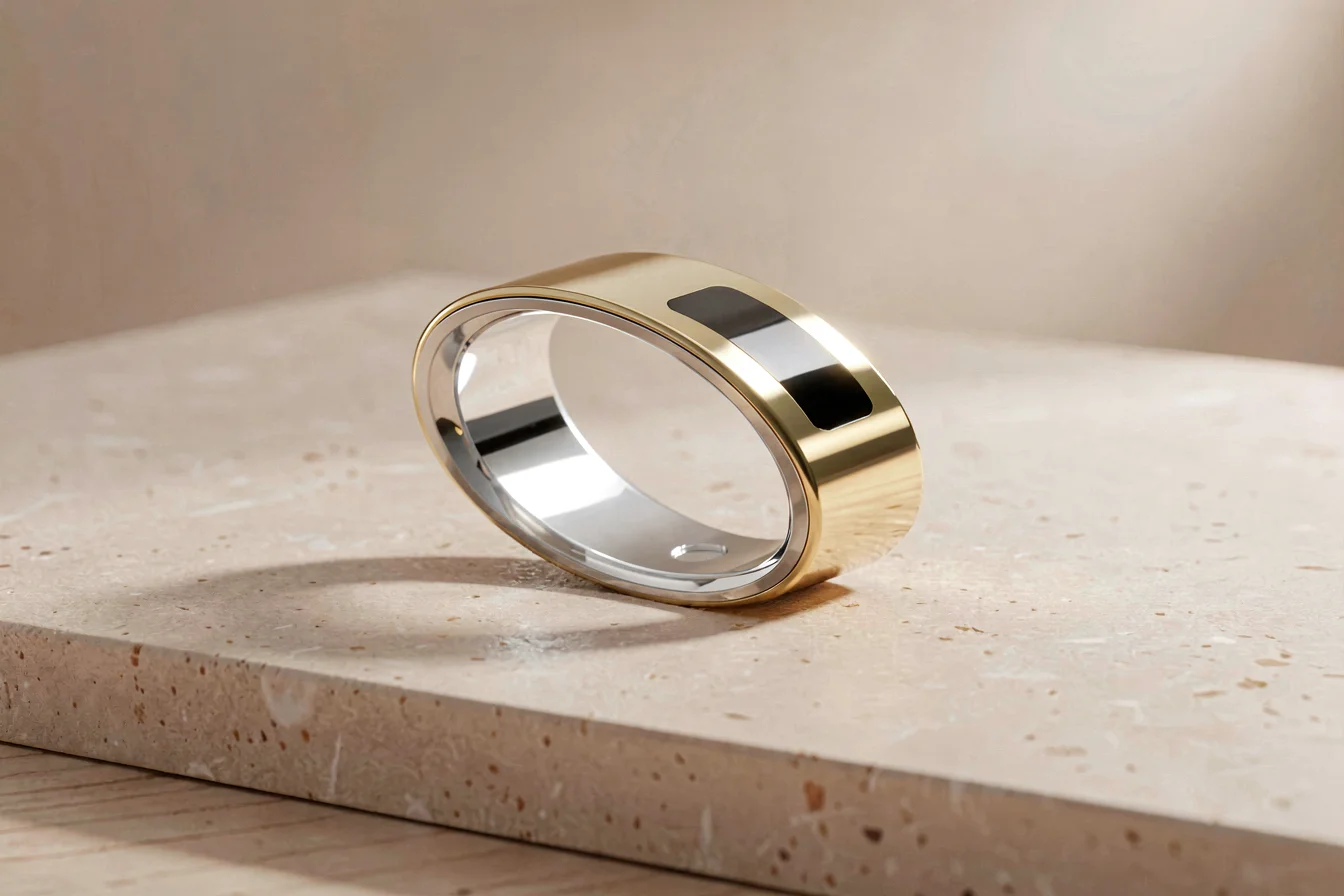
Google Trends data shows a dramatic rise in global search interest for ECG Smart Rings and Heart Rate Monitor Rings since mid-2025, outpacing Standard Fitness Bands [1]. Peaks occur in August–September 2025 and January–February 2026, coinciding with new product launches and health awareness campaigns.
Search Interest over Time
ECG Smart Rings and Heart Rate Monitor Rings are experiencing rapid search growth, signaling strong market momentum and rising consumer awareness.
Case Study 1 (Reddit, r/SmartRings): A user considering ECG rings for Afib monitoring found Circular Ring 2 promising but noted delayed shipping and refund issues. Linktop Cardio Ring was considered a viable alternative, but the user expressed concern about signal quality and short battery life, recommending a watch for better electrode contact [8].
"I had an ECG ring that worked for around 6 weeks before dying. The ECG worked, more or less, but the signal quality with the tiny sensors just wasn’t really great in a ring form factor… Honestly, if you’re considering getting a wearable ECG reader and are considering that price range, it might be better to look into a watch."
Case Study 2 (Reddit, r/FitnessTrackers): A fitness enthusiast praised the Panther Eclipse for its reliable metrics, subscription-free model, and long battery life. The user switched from basic step counters to devices offering VO2 max and recovery insights, emphasizing the value of real data for training decisions [12].
"If you actually do some kind of cardiovascular exercise, Garmin for sure. Although, as a warning, it will only base your VO2 max on the things it can measure, aka, GPS tracked activities like running… For treadmill work, it doesn't appear to affect the VO2 max metric."
| Dimension | ECG Smart Ring | Standard Fitness Tracker |
|---|---|---|
| Overall Satisfaction | Mixed; praised for medical insights, criticized for battery/signal | High; valued for reliability and affordability |
| Most Praised Feature | ECG, Afib detection, AI coaching | Activity tracking, sleep analysis |
| Most Common Complaint | Battery life, signal quality | Subscription fees, basic features |
| Community Recommendation Rate | Moderate; niche use cases | High; broad appeal |
Viral content themes include debates about medical-grade accuracy versus everyday reliability, battery life, subscription models, and compatibility with third-party apps. TikTok and Reddit highlight ECG rings as innovative but challenging for everyday users, while fitness trackers are celebrated for simplicity and affordability.
ECG Smart Rings are praised for medical-grade insights but criticized for practical limitations; Standard Fitness Trackers are consistently recommended for reliability and affordability.
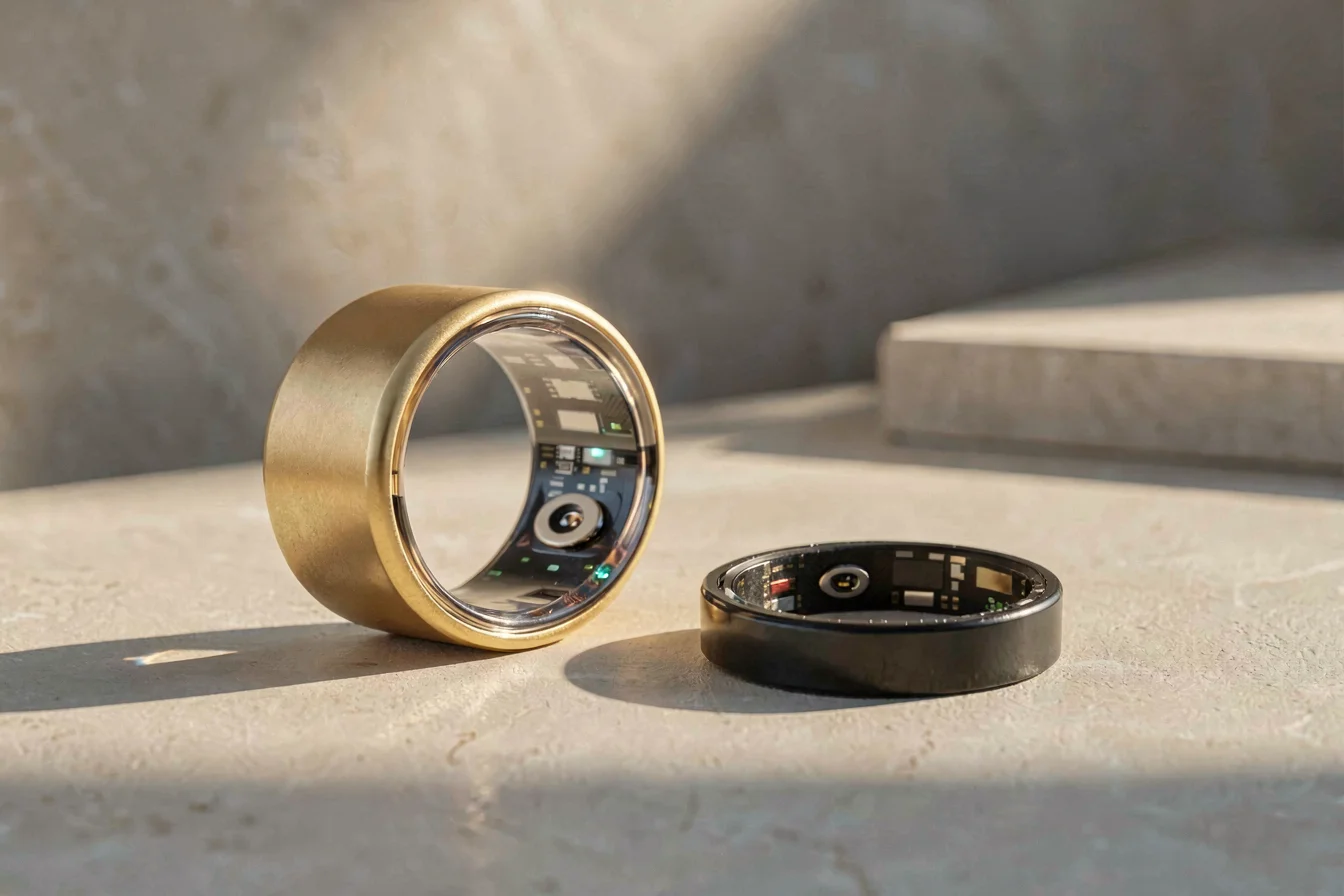
Buyers should start by clarifying their core needs: Do they require medical-grade cardiac monitoring or basic activity tracking? What is their budget range? Are subscription fees acceptable, or do they prefer subscription-free models? Must-have features include ECG, Afib detection, and AI coaching for ECG rings; step counting, sleep analysis, and recovery insights for fitness trackers. Key questions:
| Tier | Recommended Product | Key Reason |
|---|---|---|
| Budget-Friendly | Standard Fitness Tracker | Affordable, reliable, subscription-free |
| Mid-Range | ECG Smart Ring | Medical-grade insights, AI coaching |
| Premium | ECG Smart Ring (Oura, Circular) | Advanced sensors, multi-biomarker analysis |
Optimization tips: Buy during major health awareness campaigns for best deals; bundle rings with charging accessories; prioritize AI health coaching for medical-grade use; avoid models with poor battery life or subscription barriers. Common mistakes include overlooking compatibility with third-party apps, underestimating battery life, and failing to match features to actual needs.
Buyers should align their choice with core health needs, budget, and desired features to maximize value and minimize purchasing regrets.
The wearable market is evolving rapidly, with ECG smart ring devices gaining traction among health-conscious buyers and medical professionals. Demand is expected to rise in the next 6–12 months, especially as new models offer improved battery life, sensor accuracy, and AI-driven insights. Standard Fitness Trackers will maintain their dominance in mass retail, with steady growth fueled by affordability and user-friendly features.
Buyers are encouraged to share their experiences online to inform future product improvements and community recommendations. Commercial buyers should leverage Alibaba.com’s platform to source medical-grade ECG rings and subscription-free fitness trackers, optimizing for compliance, battery life, and compatibility.
Confident buyers should act now—ECG Smart Rings offer transformative medical insights for proactive health management, while Standard Fitness Trackers deliver reliable, budget-friendly fitness tracking. Share your experience and source wholesale on Alibaba.com to stay ahead of the wearable trend.