
All categories
Featured selections
Trade Assurance
Buyer Central
Help Center
Get the app
Become a supplier
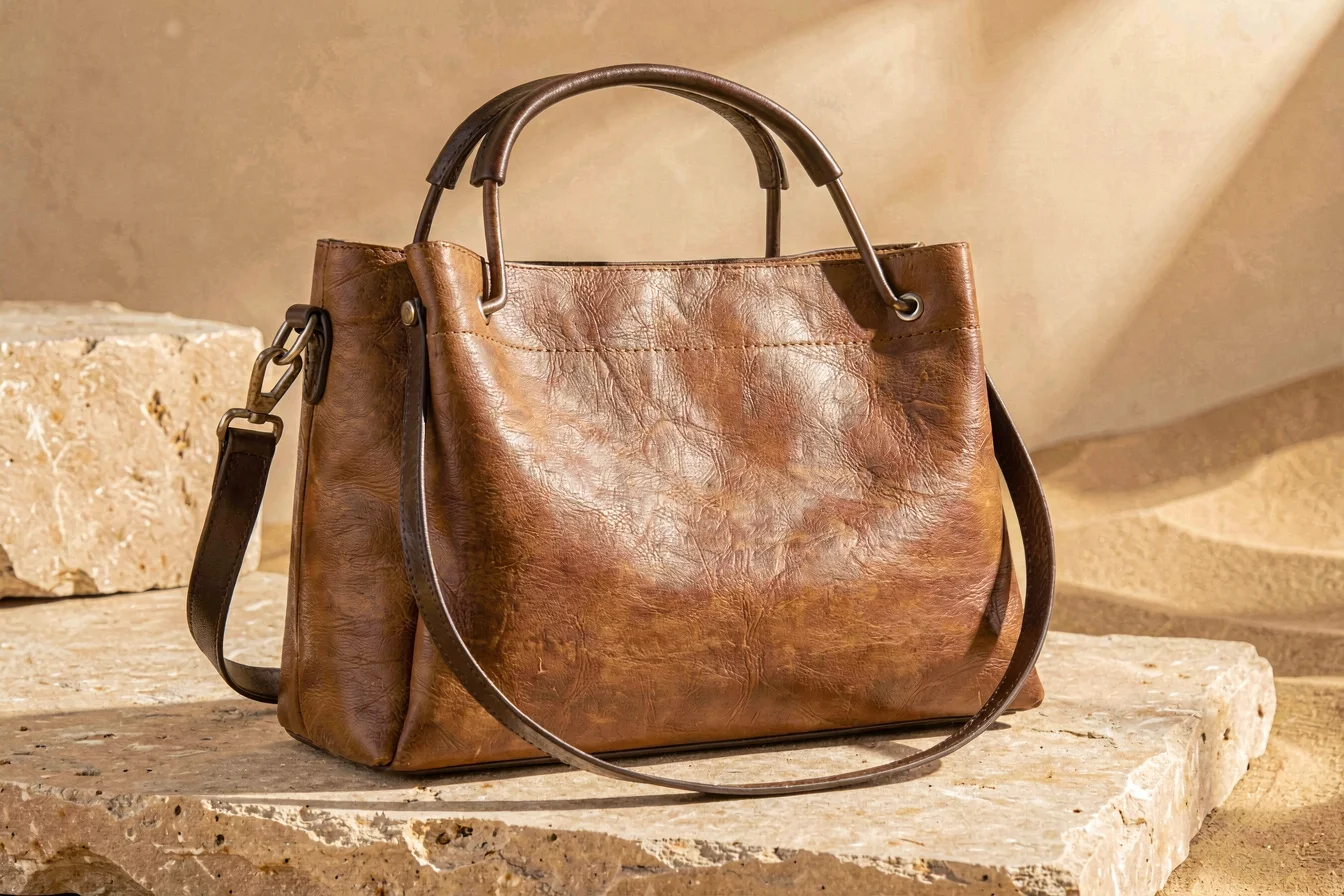
For buyers seeking durability, craftsmanship, and cultural storytelling, egyptian leather bag offers a unique blend of artisanal heritage and affordable luxury, while contemporary leather bag excels in versatility, global design, and everyday utility. Google Trends data shows rising interest in Egyptian leather bags, especially for statement and heritage products, but contemporary bags remain dominant in mainstream fashion. Choose Egyptian for symbolic, long-lasting accessories; contemporary for trend adaptability and global style.
The procurement dilemma between egyptian leather bag and contemporary leather bag hinges on balancing artisanal heritage with modern design, durability, and price-to-quality ratio. Egyptian leather bag targets buyers seeking unique, handcrafted accessories with cultural symbolism—ideal for luxury gifting, niche fashion, and collectors. Contemporary leather bag appeals to mainstream consumers prioritizing versatility, trend adaptability, and global craftsmanship. Both address pain points around durability and long-term value, but the urgency for informed decision-making is heightened as demand for artisanal, heritage products rises globally.
Core differences include production methods, material sources, and design narratives. Egyptian bags often use locally sourced leather, hand-stitched construction, and symbolic motifs (e.g., Ankh, Queen Dido), while contemporary bags leverage global supply chains, machine production, and minimalist branding. Technological innovations in contemporary bags focus on lightweight materials and modular designs, whereas Egyptian bags prioritize traditional tanning and artisanal storytelling. Buyers must weigh durability, cultural value, and price-to-quality when choosing between these categories.
| Feature | Egyptian Leather Bag | Contemporary Leather Bag |
|---|---|---|
| Material | Locally sourced natural leather, often hand-tanned | Full-grain or calfskin, globally sourced |
| Construction | Hand-stitched, artisanal, symbolic motifs | Machine-stitched, minimalist, modular designs |
| Design Narrative | Cultural storytelling, heritage motifs | Global trend-driven, versatile styles |
| Durability | High, handcrafted, ages gracefully | High, machine-made, trend resilience |
| Price Range | $80–$320 (artisanal, Fair Trade Egypt) | $92–$900+ (global, premium brands) |
| Target Audience | Collectors, luxury gifting, niche fashion | Mainstream consumers, trend-driven buyers |
Egyptian leather bags deliver unique, long-lasting accessories with cultural value, while contemporary leather bags dominate mainstream fashion with versatility and trend adaptability.
Decoding durability, application scenarios, and long-term cost is essential for buyers considering egyptian leather bag or contemporary leather bag . Both categories offer high durability, but Egyptian bags excel in handcrafted construction and graceful aging, while contemporary bags prioritize trend resilience and global craftsmanship. Application scenarios differ: Egyptian bags are ideal for statement accessories, luxury gifting, and niche fashion, whereas contemporary bags dominate everyday utility, formal wear, and trend-driven rotations.
Long-term cost evaluation must account for initial purchase price, maintenance, replacement frequency, and hidden costs. Egyptian bags are often more affordable for artisanal, handcrafted products, but contemporary bags can be more expensive for premium brands. Maintenance is straightforward for both, but Egyptian bags may require more specialized care due to unique materials and symbolic hardware.
| Cost Factor | Egyptian Leather Bag | Contemporary Leather Bag |
|---|---|---|
| Initial Purchase Price | $80–$320 (artisanal, Fair Trade Egypt) | $92–$900+ (global, premium brands) |
| Maintenance | Specialized care (hand-tanned leather, gold hardware) | Standard care (machine-stitched, minimalist) |
| Replacement Frequency | Low; lasts 10–15+ years with proper care | Moderate; lasts 5–10 years, trend-driven rotation |
| Hidden Costs | Customization, shipping, artisanal packaging | Brand premiums, trend-based pricing |
| 5-Year Cost Outlook | $80–$320 (replacements rarely needed) | $92–$900+ (replacements common for trend-driven models) |
Egyptian leather bags offer superior long-term value for handcrafted accessories, while contemporary leather bags provide trend resilience and mainstream utility with moderate replacement frequency.
The core value of leather bags—whether egyptian leather bag or contemporary leather bag —lies in their ability to combine functionality, durability, and aesthetic appeal. In today's competitive landscape, buyers must align their choice with specific use cases, cultural relevance, and market demand. Egyptian bags are gaining traction in luxury gifting, heritage fashion, and niche markets, while contemporary bags dominate everyday utility and mainstream trend-driven applications.
Egyptian leather bags excel in luxury gifting and niche fashion, while contemporary leather bags dominate mainstream utility and global trend-driven markets.
Google Trends data reveals rising global interest in Egyptian leather bags, particularly for statement products like Egyptian leather backpacks, peaking in late 2025. Contemporary leather handbags maintain steady, moderate interest, indicating a gap between search volume and purchasing behavior in niche versus mainstream markets.
Search Interest over Time
Egyptian leather bags are gaining momentum, especially in statement and heritage products, while contemporary leather bags maintain steady mainstream interest.
Social media and Reddit discussions reveal contrasting buyer personas for egyptian leather bag and contemporary leather bag . Classic, contemporary leather bags are praised for longevity, routine wear, and trend adaptability. Egyptian bags spark interest for their unique motifs, cultural value, and handcrafted construction, but are less discussed in mainstream fashion forums.
Case Study 1: “Classic leather bag” buyer (Reddit, r/femalefashionadvice)
A buyer seeking long-term value and routine wear gravitates toward classic leather styles, stating, “I have a real leather bag over 5 years ago and have never had to use another purse since. I love earthy styles so I went with one from Portland leather and it honestly looks better the more it ages.” This persona values durability and timeless design, often reaching for classic styles over trend-driven accessories.
“Classics for everyday, trendy for fun. Leather ages better and you’ll reach for it more long-term.” [6]
Case Study 2: “Heritage leather bag” buyer (Reddit, r/handbags)
A buyer seeking unique, artisanal accessories discovers Egyptian leather bags through niche platforms, stating, “I enjoy looking for lesser known European bags second hand. I have just splurged on a new traditional brand bag which I hope won’t date as I love it! I find personally there's something very satisfying about researching these traditional brands and seeking out the vintage bag I like.” This persona values cultural storytelling, handcrafted construction, and symbolic motifs, often prioritizing artisanal origin over mainstream brand recognition.
“I have a bunch of different ones... my everyday is a leopard print barrel bag that I got in Bilbao at a Polish accessories shop. BUT... I buy vintage leather on Postmark in a lot of different shapes/sizes. I re-sell when I get bored.” [6]
| Dimension | Egyptian Leather Bag | Contemporary Leather Bag |
|---|---|---|
| Overall Satisfaction | High for niche buyers, moderate for mainstream | High for mainstream, moderate for niche |
| Most Praised Feature | Cultural symbolism, handcrafted construction | Durability, trend adaptability |
| Most Common Complaint | Niche availability, specialized care | Brand premiums, trend rotation |
| Community Recommendation Rate | Moderate (niche fashion, luxury gifting) | High (mainstream, everyday utility) |
Viral content themes include “buy it for life” durability, artisanal craftsmanship, and cultural storytelling for Egyptian bags; trend-driven rotations and mainstream utility for contemporary bags. Cultural reception is stronger for Egyptian bags in niche, luxury markets, while contemporary bags dominate mainstream fashion forums.
Social media and Reddit data confirm that classic, contemporary leather bags are favored for routine wear and trend adaptability, while Egyptian bags spark interest for their unique motifs and artisanal storytelling.
To optimize your procurement decision between egyptian leather bag and contemporary leather bag , buyers should begin by identifying their core needs. Key questions include: What is your primary use case (luxury gifting, everyday utility)? What is your budget range? Are must-have features (cultural motifs, artisanal construction) or nice-to-have features (trend adaptability, minimalist branding) more important? Do you value durability, cultural storytelling, or mainstream trend resilience?
| Tier | Recommended Product | Key Reason |
|---|---|---|
| Budget-Friendly | Egyptian Leather Bag | Artisanal, affordable luxury, unique motifs |
| Mid-Range | Contemporary Leather Bag | Versatile, trend adaptability, global craftsmanship |
| Premium | Contemporary Leather Bag | Luxury brands, minimalist branding, trend resilience |
Optimization tips: Buy during seasonal promotions or artisanal launches for Egyptian bags; consider bundling for contemporary bags to maximize value. Prioritize handcrafted construction and symbolic motifs for Egyptian bags; focus on trend adaptability and minimalist branding for contemporary bags. Avoid common mistakes like overpaying for mainstream brands or neglecting specialized care for artisanal products.
Buyers should align their choice with core needs, budget, and long-term durability expectations—Egyptian bags for unique, handcrafted accessories, contemporary bags for trend adaptability and mainstream utility.
Synthesizing insights, egyptian leather bag is gaining momentum in niche luxury and gifting markets, driven by rising demand for artisanal, handcrafted accessories and cultural storytelling. Contemporary leather bag remains dominant in mainstream fashion, offering versatility, trend adaptability, and global craftsmanship. For the next 6–12 months, buyers should anticipate continued growth in Egyptian leather bag exports, especially for statement and heritage products, while contemporary leather bags will maintain steady mainstream interest.
Confident buyers should prioritize handcrafted, cultural storytelling for Egyptian leather bags, while mainstream consumers should focus on trend adaptability and global craftsmanship for contemporary leather bags.
Share your experiences with Egyptian and contemporary leather bags to support niche and mainstream markets. Commercial buyers should explore wholesale platforms like Alibaba.com for artisanal Egyptian leather bags and premium contemporary leather bags, leveraging seasonal promotions and trend launches for optimal procurement.