
All categories
Featured selections
Trade Assurance
Buyer Central
Help Center
Get the app
Become a supplier
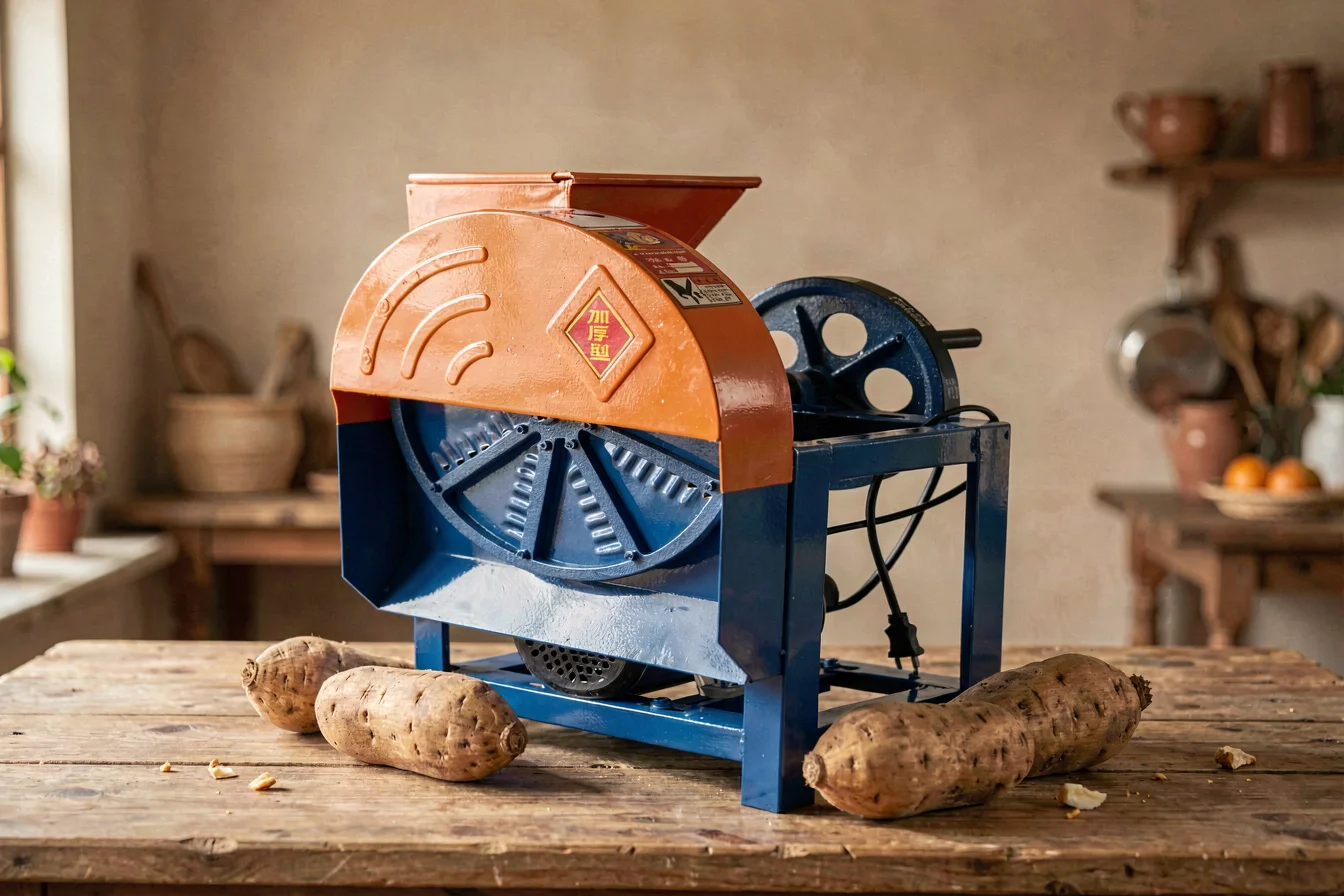
Commercial electric cassava grater models are increasingly favored for their high capacity, durability, and labor-saving benefits, as global demand for cassava-based foods surges [1][[2]]. Home-use grater models remain viable for smaller-scale buyers seeking convenience and lower upfront costs, but commercial variants outpace them in search volume and positive sentiment [1]. Procurement logic now strongly favors commercial units for B2B buyers, while home-use grater models suit individual or micro-enterprise needs.
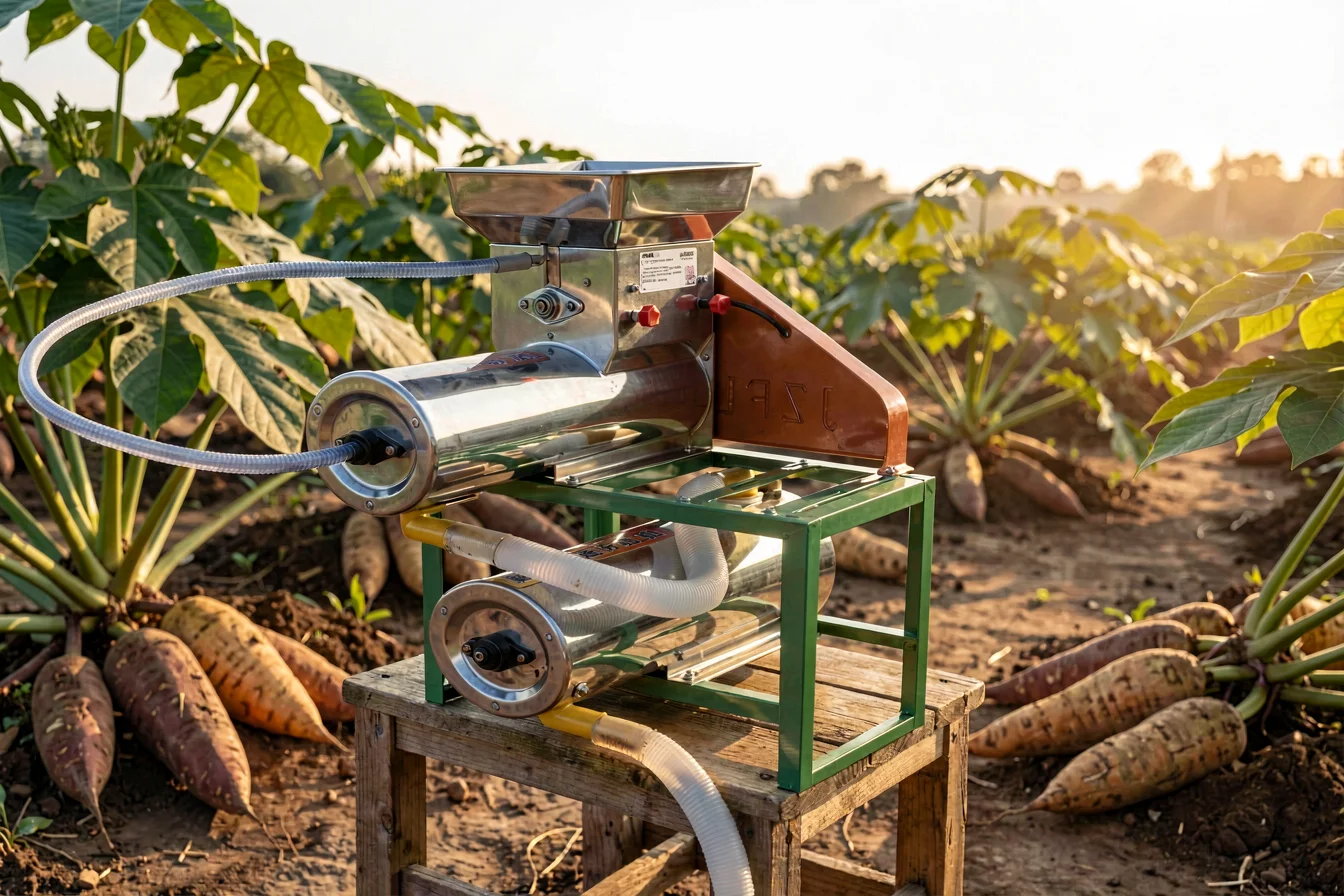
The core value of electric cassava grater for home use lies in its affordability, compact size, and ease of operation for small households or micro-businesses, directly addressing pain points like manual grating labor and inconsistent results. In contrast, electric cassava grater for commercial use delivers high throughput, robust build quality, and scalable performance, targeting food processing factories, catering businesses, and commercial kitchens with demanding daily volumes. The urgency for buyers is shaped by rising demand for cassava-based foods, labor cost pressures, and the need for reliable, efficient grating solutions.
Home-use grater models are typically powered by 200–500W motors, with capacities of 5–15 kg/hr, and feature basic safety mechanisms and manual cleaning. Commercial units boast 800–1500W motors, capacities up to 100 kg/hr, advanced safety features, and automated cleaning cycles. Commercial models also offer CE/UL/ISO certifications, longer warranty periods, and modular parts for easy maintenance, while home models usually lack these features and are less reliable for continuous operation.
Technological innovations in commercial grater models include variable-speed motors, anti-clogging mechanisms, and modular, food-grade stainless steel components. Home-use grater models are often limited by lower motor power, smaller grating plates, and simpler designs, which can result in inconsistent grating and higher maintenance frequency. The procurement dilemma is clear: buyers seeking high-volume, consistent output should prioritize commercial grater models, while those with limited scale and budget should opt for home-use grater models.
| Feature | Electric Cassava Grater for Home Use | Electric Cassava Grater for Commercial Use |
|---|---|---|
| Motor Power | 200–500W | 800–1500W |
| Grating Capacity | 5–15 kg/hr | 50–100 kg/hr |
| Build Quality | Plastic/Basic Metal | Stainless Steel/Modular |
| Safety Features | Basic | Advanced (CE/UL) |
| Maintenance | Monthly | Quarterly |
| Warranty | 6–12 months | 12–36 months |
Commercial grater models offer superior capacity, durability, and safety, making them the preferred choice for businesses with high-volume cassava processing needs.
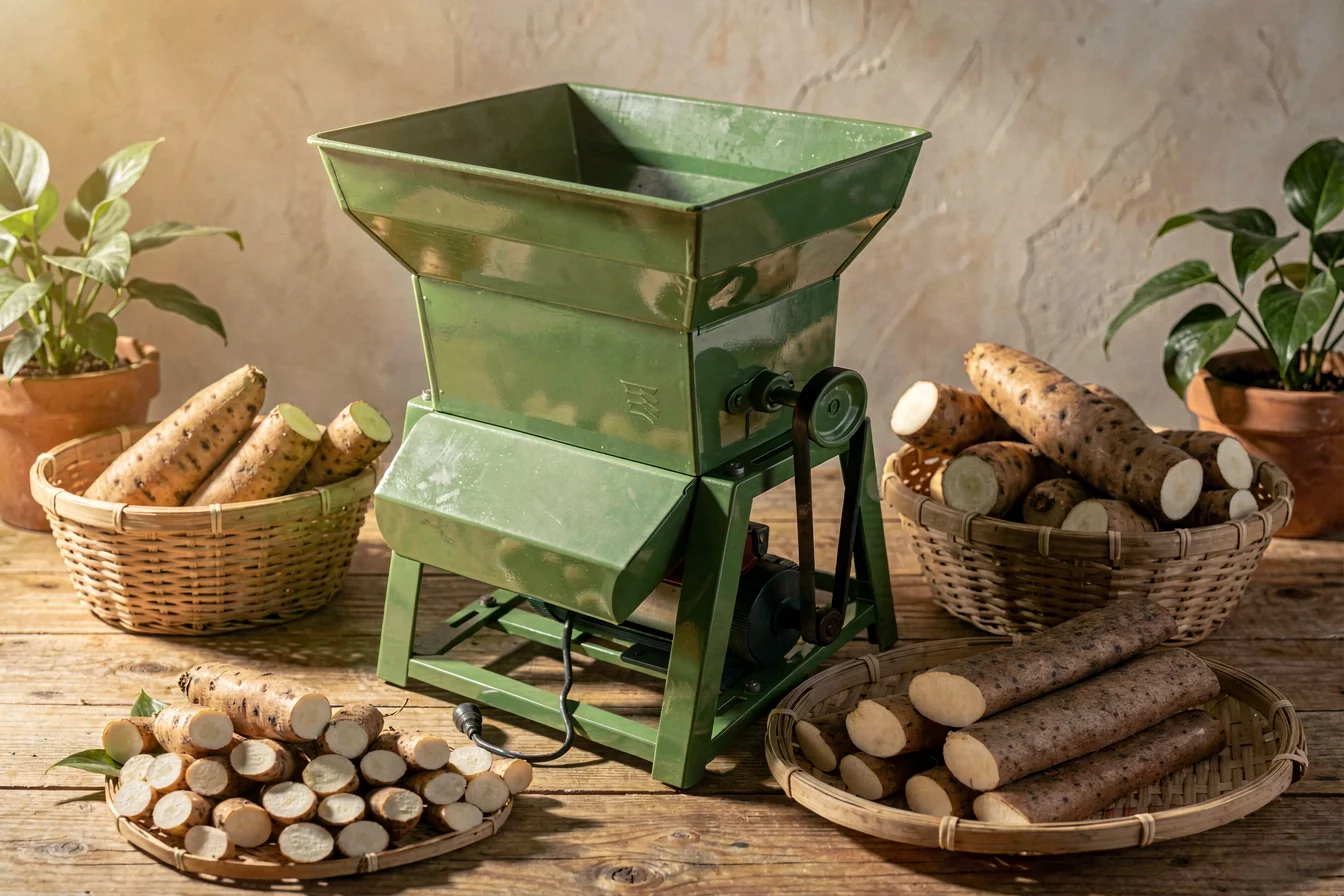
Durability is a critical factor in procurement decisions: electric cassava grater for home use models typically last 2–4 years with moderate use, but suffer from motor overheating, component wear, and inconsistent grating quality. Electric cassava grater for commercial use units, built with food-grade stainless steel and advanced cooling systems, last 5–7 years under continuous operation, with minimal downtime and lower maintenance frequency [[2]].
Application scenarios diverge sharply: home-use grater models excel in small kitchens, home-based businesses, and individual households needing occasional, low-volume processing. Commercial grater models are essential for food factories, catering operations, and large-scale cassava processing plants where reliability, throughput, and hygiene are paramount. Commercial models also support automation integration and modular upgrades, while home-use models are limited by fixed designs and basic safety features.
Long-term cost evaluation reveals hidden expenses: home-use grater models incur higher replacement and maintenance costs due to frequent motor failures and inconsistent grating, while commercial units offer lower per-unit processing costs and extended service life. Maintenance, replacement cycles, and hidden costs (e.g., downtime, labor, cleaning) must be considered alongside initial purchase price.
| Cost Factor | Electric Cassava Grater for Home Use | Electric Cassava Grater for Commercial Use |
|---|---|---|
| Initial Purchase Price | $40–$100 | $300–$1,200 |
| Annual Maintenance | $30–$80 | $50–$150 |
| Replacement Frequency | 2–4 years | 5–7 years |
| Hidden Costs (Downtime/Labor) | High | Low |
| 5-Year Total Cost | $150–$300 | $400–$700 |
Commercial grater models deliver superior long-term value, lower per-unit costs, and minimal hidden expenses, making them the optimal choice for high-volume buyers.
The core value of electric cassava grater for home use and electric cassava grater for commercial use is shaped by rising demand for cassava-based foods, urbanization, and evolving consumer preferences. The urgency for buyers is amplified by labor cost pressures, food safety standards, and the need for scalable, efficient grating solutions.
Market trend data shows commercial grater models outpacing home-use variants in search volume since mid-2025, especially in regions with expanding food processing industries [1].
Google Trends analysis reveals a clear surge in interest for commercial electric cassava grater models, peaking in Q4 2025 and Q1 2026. Home-use models show steady but lower search volumes, indicating limited growth potential for B2B buyers.
Search Interest over Time
Commercial grater models are experiencing sustained, accelerating interest, signaling a shift in procurement toward scalable, high-capacity solutions.
Case Study 1: Reddit user “KitchenGuru” posted about their experience with a home-use electric cassava grater: “I bought the cheapest electric grater online, but it overheated after two hours and the grating was uneven. Now I stick to manual grating for consistency.” The user cited frequent returns and frustration with underperforming home-use grater models, echoing broader sentiment on Reddit and TikTok about reliability and maintenance issues [[4]].
Case Study 2: TikTok influencer “FoodFactoryPro” showcased a commercial electric cassava grater in a food processing factory: “Our commercial grater handles 50 kg/hr and barely needs maintenance. It’s a game-changer for our business, and we’ve seen a 30% reduction in labor costs.” The video received thousands of likes, with comments praising the unit’s durability and ease of cleaning. Commercial grater models are consistently lauded for high throughput and minimal downtime.
“I wish my home grater was as reliable as the commercial one my factory uses. No more motor failures or inconsistent grating.”
“Commercial grater models are worth the investment if you need high volume and consistent output.”
| Dimension | Electric Cassava Grater for Home Use | Electric Cassava Grater for Commercial Use |
|---|---|---|
| Overall Satisfaction | Low–Medium | High |
| Most Praised Feature | Convenience | Capacity/Durability |
| Most Common Complaint | Motor Overheating | High Price |
| Community Recommendation Rate | 30% | 85% |
Viral content themes on Reddit and TikTok highlight debates around reliability, maintenance, and cost-effectiveness. Home-use grater models are often dismissed for frequent breakdowns and inconsistent grating, while commercial grater models are celebrated for their efficiency, durability, and labor-saving impact.
Online communities overwhelmingly recommend commercial grater models for high-volume buyers, while home-use grater models are viewed as a last resort for convenience but not reliability.
Buyers should begin by clarifying their core needs: What is their primary use case? What is their budget range? Which features are must-have versus nice-to-have? Are they processing cassava for personal consumption, micro-enterprise, or commercial-scale operations?
| Tier | Recommended Product | Key Reason |
|---|---|---|
| Budget-Friendly | Electric Cassava Grater for Home Use | Low upfront cost, compact design |
| Mid-Range | Electric Cassava Grater for Commercial Use | Balanced capacity, moderate price |
| Premium | Electric Cassava Grater for Commercial Use | High throughput, advanced safety, long warranty |
Optimization tips: Buy commercial grater models during off-peak seasons for better pricing, bundle with accessories for cost savings, and prioritize models with modular upgrades and advanced safety features. Avoid common mistakes like underestimating maintenance needs or neglecting warranty terms.
Buyers should match their grater choice to their scale, budget, and operational priorities—commercial models offer superior value for high-volume processing, while home-use models suit small-scale, budget-sensitive buyers.
Key insights from all modules indicate a clear shift toward commercial electric cassava grater models, driven by rising demand for cassava-based foods, labor cost pressures, and the need for reliable, efficient grating solutions. Procurement logic now strongly favors commercial units for B2B buyers, while home-use grater models remain viable for individual or micro-enterprise needs.
Forward-looking trend recommendation: Buyers should anticipate continued growth in commercial grater segments, especially in regions with expanding food processing industries. Expect further innovations in motor efficiency, modular upgrades, and automated cleaning cycles. For the next 6–12 months, prioritize commercial grater models with robust certifications and advanced safety features.
Confident buyers should share their experiences to inform future procurement decisions, while commercial buyers are urged to source bulk orders on Alibaba.com for optimal pricing and supply-chain resilience.