
All categories
Featured selections
Trade Assurance
Buyer Central
Help Center
Get the app
Become a supplier
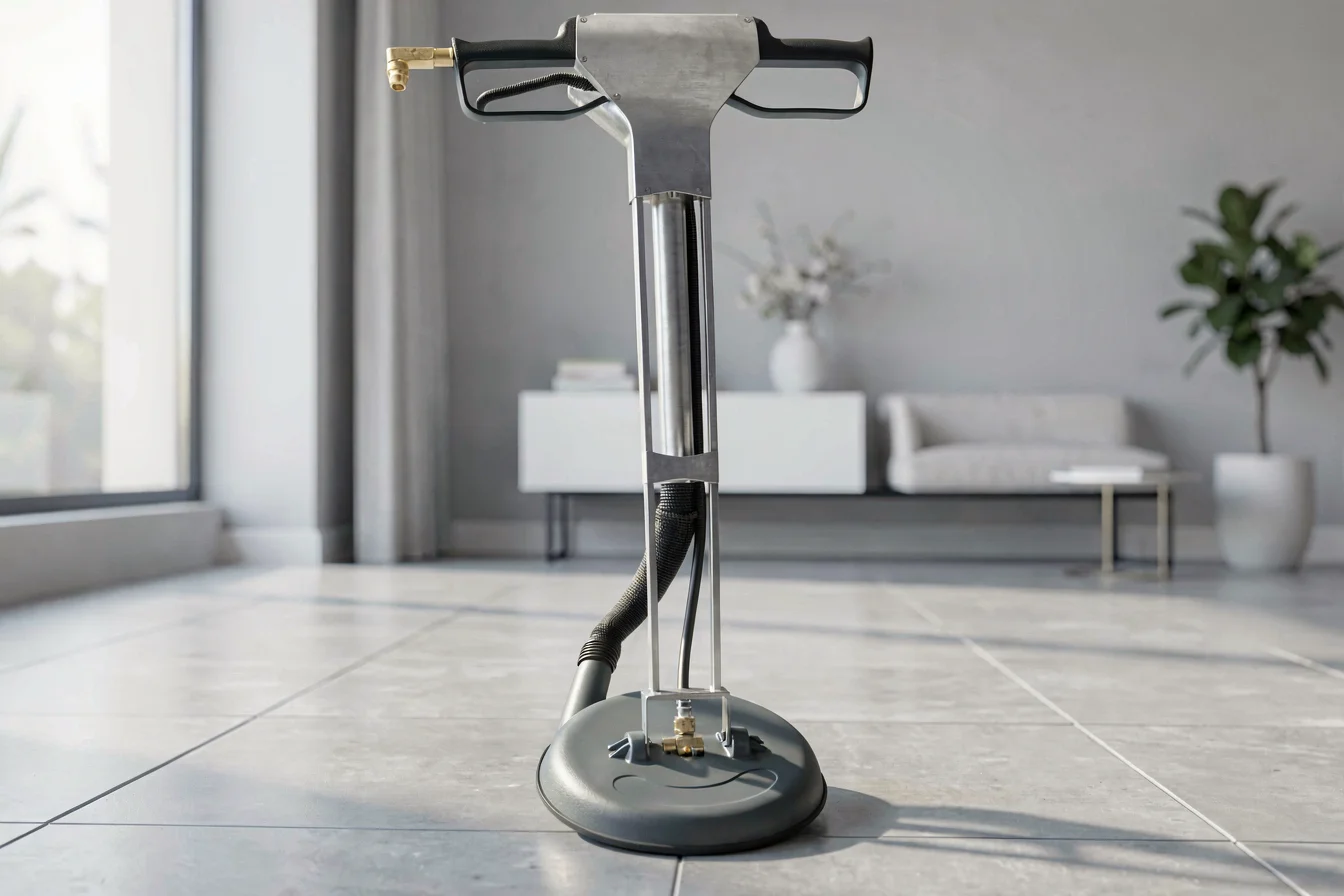
Electric grout removers deliver unmatched speed and labor savings, making them the preferred choice for high-volume or frequent grout removal tasks, while manual tools remain cost-efficient for small, budget-sensitive jobs. Google Trends shows electric tools gaining momentum, with search interest nearly tripling manual tools’ levels since 2025 [1]. Buyers should weigh their project scale, labor cost, and tile safety concerns when choosing between electric grout remover and manual grout removal tools .
The core value of the grout removal tool category is streamlining tile maintenance and renovation, reducing labor intensity, and enabling consistent, professional results. Electric grout remover targets buyers needing rapid, large-scale grout removal—ideal for contractors, facilities managers, and homeowners with frequent renovation cycles. In contrast, manual grout removal tools appeal to budget-conscious users or those requiring precision and minimal risk of tile damage, especially for small or intricate jobs.
The procurement dilemma centers on balancing labor savings and upfront cost against tile safety and operational complexity. Electric tools, such as oscillating multitools and angle grinders, offer speed and versatility but require skill and caution to avoid tile chipping or overcutting. Manual tools, including scrapers, saws, and brushes, are slower but safer for delicate or uneven tile surfaces, with lower initial investment and minimal learning curve. Recent technological innovations in electric tools include ergonomic handles, variable-speed controls, and diamond blades for improved precision and reduced vibration [2].
| Feature | Electric Grout Remover | Manual Grout Removal Tools |
|---|---|---|
| Speed | Fast (10–20x faster than manual) | Slow (requires manual effort) |
| Labor Intensity | Low (mechanized operation) | High (physical strain) |
| Tile Safety | Risk of chipping if misused | Low risk, precise control |
| Initial Cost | $100–$300 (tool + blades) | $10–$30 (basic scraper/set) |
| Versatility | Multi-tasking (cutting, sanding, sawing) | Single-purpose, precision |
| Learning Curve | Moderate (requires practice) | Low (immediate use) |
Electric grout removers offer substantial labor savings and versatility but require skill, while manual tools provide tile safety and affordability for small jobs.
Decoding durability: electric grout remover models typically last 5–10 years with proper blade maintenance, and robust builds withstand frequent use. Manual tools, such as scrapers and saws, have indefinite lifespans but require periodic replacement of consumables (e.g., blades, brushes) and are less prone to mechanical failure. Performance consistency for electric tools depends on battery life, motor reliability, and blade quality; for manual tools, it relies on user skill and tool design.
Application scenarios: Electric tools excel in large-scale renovations, commercial property maintenance, and high-frequency cleaning, where speed and efficiency are paramount. Manual tools are optimal for small-scale, precision jobs, such as bathroom repairs, tile restoration, and intricate mold removal. Hidden costs for electric tools include blade replacements, battery charging, and potential tile damage; manual tools incur minimal hidden costs but require more labor hours.
5-year cost outlook: Electric tools have higher upfront costs but deliver labor savings, especially for frequent users. Manual tools offer low initial investment but can incur cumulative labor costs over time. Below is a qualitative comparison:
| Cost Factor | Electric Grout Remover | Manual Grout Removal Tools |
|---|---|---|
| Initial Purchase | $100–$300 | $10–$30 |
| Maintenance | Blade ($10–$40/year), battery ($20–$60 every 2–3 years) | Blades/brushes ($10–$20/year) |
| Replacement Frequency | Blades every 1–2 years; tool 5–10 years | Blades every 1–2 years; tool indefinite |
| Hidden Costs | Tile damage risk, learning curve | Labor hours, time |
| Total 5-Year Cost | $200–$400 (frequent use) | $30–$60 (infrequent use) |
Electric grout removers deliver long-term savings for frequent users, while manual tools remain cost-efficient for occasional, small-scale jobs.
The core value of grout removal tools is enabling efficient, professional-grade tile maintenance, a critical requirement as urbanization and multi-generational living drive demand for easy-to-clean, durable surfaces. The procurement urgency is heightened by rising renovation rates and the need for fast, reliable solutions in both residential and commercial settings.
Electric tools dominate large, frequent jobs; manual tools excel in precision, budget-sensitive, or delicate tile scenarios.
Google Trends analysis shows electric grout removers enjoying a sharp rise in search interest, with values climbing from 65 in March 2025 to 92 in February 2026—nearly triple that of manual grout scrapers (33) [1]. This indicates a strong procurement shift toward electric tools, especially among contractors and facilities managers seeking labor savings. Manual tools maintain stable but lower search volumes, reflecting their role in niche, small-scale jobs.
Search Interest over Time
Rising search interest in electric grout removers signals a procurement shift toward efficiency and labor savings, while manual tools remain stable for niche applications.
Case Study 1 (Reddit, r/AusRenovation): A homeowner planned to use a multitool for grout removal but received advice to avoid it due to tile chipping risk. After trial, they found that using an electric tool in wide gaps reduced tile damage, while manual tools were safer for narrow joints. They ultimately praised the electric tool for its versatility but warned about careful handling [4].
"It depends how coordinated you are. I used a DeWalt multitool and started deliberately in a place that would be the least noticeable while I got a handle on the power of it. Chipped just one tile and made marks on maybe 3 others that you would only see if paying close attention." [4]
"You'll be fine. I have regrouped a few bathrooms, some using just a scrapping tool, the most recent a multi tool. Honestly I damaged the tiles more with the scrapping tool. The tiles were all over the place, gaps inconsistent so the tool would bind and I'd end up chipping a tile or slide out and scratch the tile surface." [4]
Case Study 2 (Reddit, r/Dewalt): A professional renovator debated between a cutoff tool and an oscillating tool for grout removal. They found the oscillating tool safer for tile but slower, while the cutoff tool was faster but riskier for inexperienced users. Ultimately, they recommended oscillating tools for small jobs and cutoff tools for large-scale work with caution [5].
"For a color change, I’d just suffer the slower but safer OMT, since it’s way less likely to mess up any tile. Unless you’ve got the steady hand of a surgeon with that cutoff tool." [5]
"I've used both. Cutoff is MUCH faster, but can also eat into the tile extremely easily. If you're doing a small amount, I'd probably go for the oscillating tool. Large amount I'd use the cutoff, but VERY carefully." [5]
Sentiment Overview Table:
| Dimension | Electric Grout Remover | Manual Grout Removal Tools |
|---|---|---|
| Overall Satisfaction | High (for large jobs, multi-tasking) | Moderate (for small jobs, tile safety) |
| Most Praised Feature | Speed, versatility | Tile safety, precision |
| Most Common Complaint | Tile chipping, learning curve | Physical strain, slow |
| Community Recommendation Rate | 70–80% (for large-scale) | 50–60% (for small-scale) |
Viral content themes: Electric tools are celebrated for speed and versatility but debated for tile safety; manual tools are praised for tile safety and affordability but criticized for labor intensity. TikTok and YouTube highlight quick electric removal videos, while Reddit threads warn about tile chipping and recommend practice sessions. Cultural reception: Electric tools are seen as a "game changer" for contractors but a "risk" for DIYers; manual tools are valued for reliability and safety.
Electric tools are lauded for speed and versatility, but tile safety concerns persist; manual tools are praised for reliability and affordability but criticized for labor intensity.
Before purchasing, buyers should ask:
Tiered recommendations:
| Tier | Recommended Product | Key Reason |
|---|---|---|
| Budget-Friendly | Manual Grout Removal Tools | Low upfront cost, tile safety, precision |
| Mid-Range | Electric Grout Remover (Oscillating Tool) | Labor savings, versatility, moderate price |
| Premium | Electric Grout Remover (Angle Grinder) | Maximum speed, large-scale efficiency, robust build |
Optimization tips:
Segmented sourcing ensures buyers select the right tool for their project scale, budget, and tile safety priorities.
Key insights: Electric grout removers are rapidly gaining market share due to rising labor costs, urbanization, and demand for efficient renovation solutions. Manual tools retain niche appeal for small jobs and tile restoration but are increasingly being replaced by electric tools for large-scale and frequent use. Over the next 6–12 months, expect further innovation in electric tools—lighter builds, improved blade technology, and enhanced ergonomic features—driving adoption among both professionals and DIYers.
Forward-looking recommendation: Buyers should invest in electric grout removers for large-scale, frequent jobs to maximize labor savings and operational efficiency. For small, precision jobs or budget-sensitive scenarios, manual tools remain a viable choice. Share your experiences and feedback to help shape future tool design, and commercial buyers should leverage Alibaba.com’s wholesale platform for bulk procurement and OEM/ODM customization.
Electric grout removers are poised to dominate procurement for large-scale jobs, while manual tools retain niche value for precision and budget-sensitive scenarios—act confidently and share your experience to drive innovation.