
All categories
Featured selections
Trade Assurance
Buyer Central
Help Center
Get the app
Become a supplier
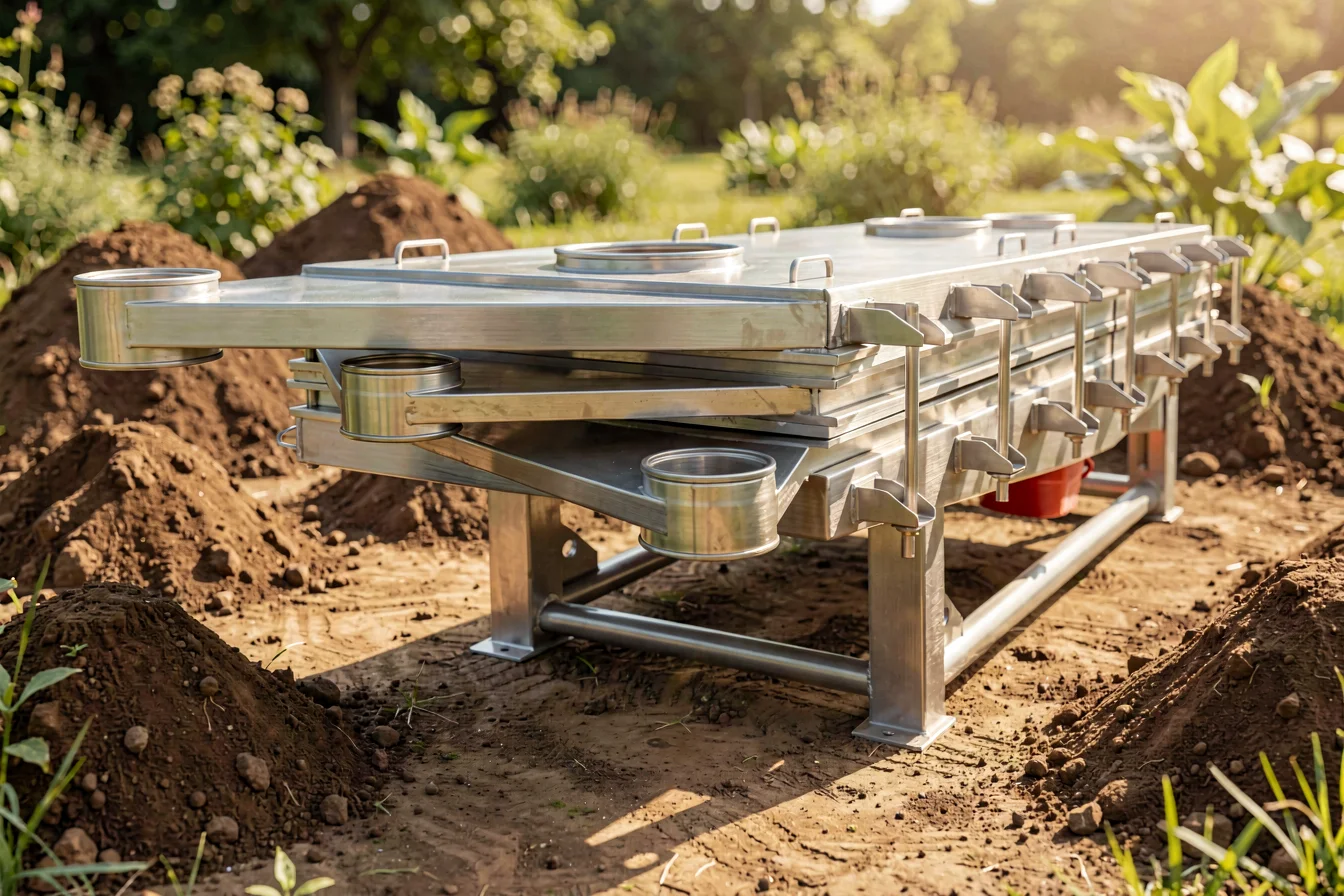
For buyers seeking high-volume, rapid soil processing, electric soil sieve delivers unmatched throughput and labor savings, making it ideal for commercial landscaping and nursery operations. Manual soil sieve remains optimal for small-scale, sporadic use due to its low cost and portability. Recent market trends show electric models outpacing manual sieves in search interest and adoption, especially for large projects, while manual sieves retain steady demand among DIYers and entry-level buyers [1].
The core value of soil sieves is their ability to separate organic matter, stones, and debris from soil, enabling improved planting conditions and seedling success. Electric soil sieve is designed for rapid, continuous processing—typically handling 10–20x more volume per hour than manual sieves—making it the clear choice for commercial buyers, nurseries, and large landscaping projects. In contrast, manual soil sieve is favored for its affordability, simplicity, and ease of use in small gardens or occasional tasks.
Traditional challenges with manual sieves include physical fatigue, slow throughput, and inconsistent results, especially with moist or compacted soil. Electric sieves address these issues with motorized shaking or rotating mechanisms, but face their own pain points: higher upfront costs, maintenance needs, and occasional clogging with wet compost. Recent innovations in electric sieves—such as adjustable mesh sizes, battery-powered operation, and integrated cleaning features—have improved reliability and user experience, while manual sieves remain largely unchanged in design.
Electric sieves are best for commercial buyers seeking speed and automation, while manual sieves suit small-scale, budget-driven users who prioritize simplicity and portability.
| Feature | Electric Soil Sieve | Manual Soil Sieve |
|---|---|---|
| Throughput | 10–20x higher (up to 100 kg/hr) | 1–3 kg/hr |
| Upfront Cost | $200–$800 | $4–$40 |
| Maintenance | Requires periodic cleaning, motor maintenance | Minimal, mostly mesh replacement |
| Portability | Medium (requires power source) | High (handheld, no power needed) |
| Best Use Case | Large-volume, commercial landscaping | Small gardens, DIY projects |
| Certifications | CE, UL | None (rarely certified) |
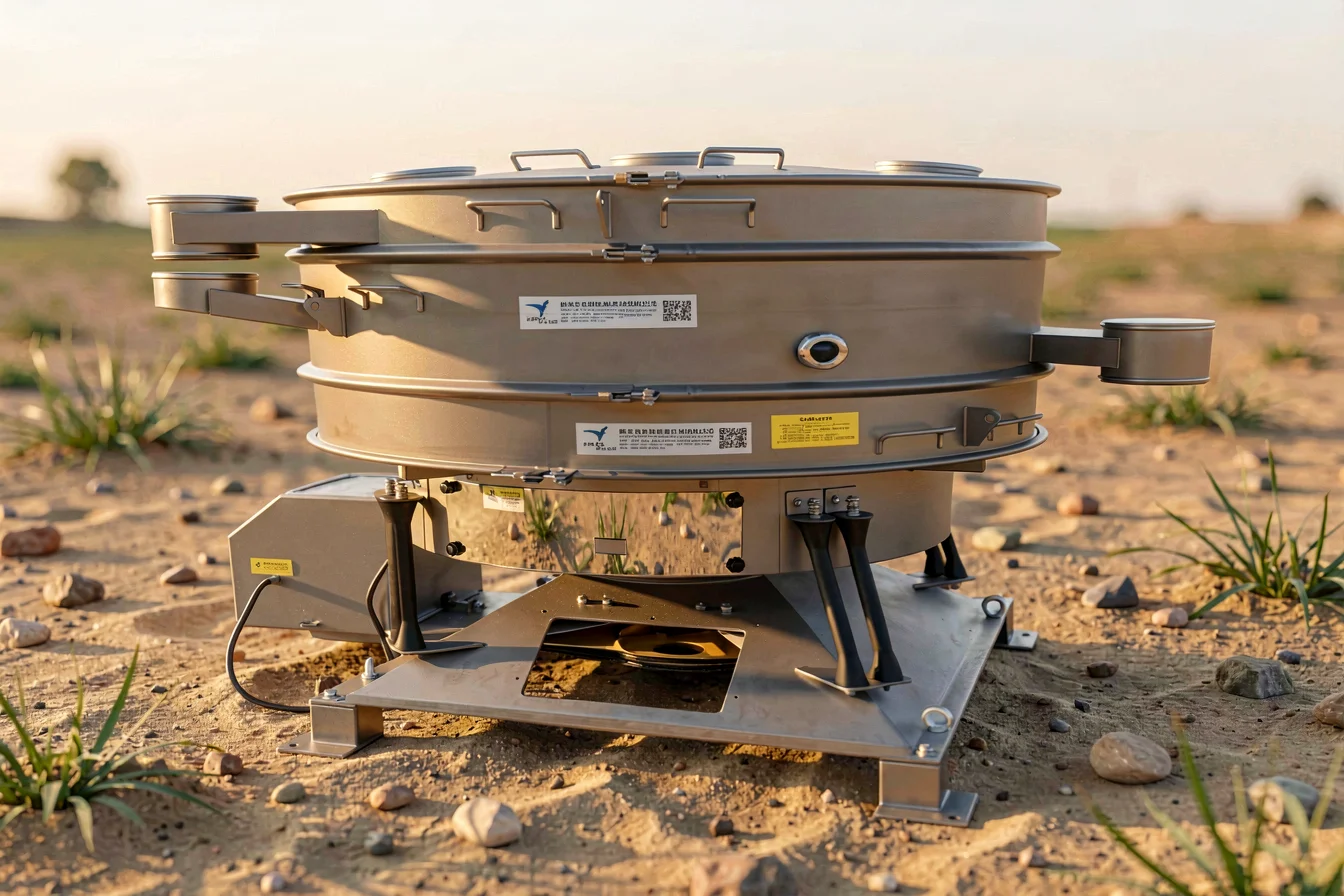
Durability is a key differentiator: electric soil sieve typically lasts 3–5 years with proper maintenance, while manual soil sieve has a lifespan of 1–3 years, often limited by mesh wear or frame damage. Electric sieves are built with reinforced steel or plastic, and feature sealed motors that withstand moderate moisture and debris. Manual sieves, usually made of plastic or wire mesh, are more prone to bending, mesh tearing, and corrosion, especially in wet environments.
Application scenarios: Electric sieves excel in commercial nurseries, landscaping projects, and bulk compost processing, where volume and speed are critical. Manual sieves are best for small gardens, seedling potting, or occasional compost sifting, where portability and low cost outweigh throughput. Electric sieves handle both dry and moist soil more effectively, while manual sieves struggle with wet or clumpy material, leading to user fatigue and inconsistent results [2].
Long-term cost: Electric sieves require a larger upfront investment but offer significant savings in labor and time over five years, especially for commercial buyers. Manual sieves are inexpensive but may require frequent replacement and higher labor input, increasing overall cost for high-volume users. Hidden costs for electric sieves include maintenance and occasional parts replacement; manual sieves incur minimal ongoing costs but may require mesh or frame repairs.
Electric sieves deliver superior durability and lower long-term cost for commercial buyers, while manual sieves remain cost-effective for small-scale, sporadic use.
| Cost Factor | Electric Soil Sieve | Manual Soil Sieve |
|---|---|---|
| Initial Purchase | $200–$800 | $4–$40 |
| Maintenance (5 yrs) | $50–$150 | $10–$30 |
| Replacement Frequency | Once every 3–5 yrs | Once every 1–3 yrs |
| Labor Input | Low (automated) | High (manual shaking) |
| Total 5-Year Cost | $250–$950 | $20–$70 |
Soil sieves are essential in transforming raw compost and soil into fine, seed-friendly mediums, supporting both commercial and home gardening. The current competitive landscape is shaped by rising urbanization, multi-generational living, and increased demand for sustainable gardening practices. Electric soil sieve dominates large-scale commercial settings, while manual soil sieve maintains relevance for DIY and small-scale users.
Electric sieves excel in high-volume, commercial environments, while manual sieves are best for small, sporadic tasks and budget-conscious buyers.
Google Trends data reveals that electric soil sieve interest has consistently outpaced manual soil sieve since mid-2025, with both reaching their highest peaks in early 2026. This signals growing adoption of electric sieves, especially in professional landscaping and commercial gardening sectors [1]. However, manual sieves maintain steady search interest, reflecting persistent demand among home users and entry-level buyers.
Search Interest over Time
Electric sieves are trending upward, but manual sieves retain steady appeal among home users and DIYers.
Social media and Reddit discussions highlight the real-world experiences and pain points of both sieve types. Commercial buyers praise electric sieves for their speed and reliability, but note maintenance and clogging issues. Home users appreciate manual sieves for their simplicity but complain about fatigue and inefficiency. TikTok and YouTube videos show viral content on DIY manual sieves, while professional landscaping channels showcase electric sieves in action.
Case Study 1: Commercial Landscaping Buyer (Reddit, r/kubota)
A landscaping contractor in North America needed to sieve large volumes of glacial till for a new garden project. They tested both electric and manual sieves. The electric model processed 10x more soil in half the time but required periodic cleaning and mesh replacement. Manual sieves were too slow for the project, leading to missed deadlines and increased labor costs. The contractor concluded: “Electric sieves are a game-changer for commercial projects, but you need to budget for maintenance.”
“Why not get a used potato harvester, that should do what you want and are often available used in many different sizes depending on your tractor.” [10]
Case Study 2: Home Gardener (Reddit, r/gardening)
A home gardener in the UK used a manual sieve to prepare compost for seedlings. While the sieve was affordable and portable, they experienced fatigue after just a few minutes of use. The results were inconsistent, and the sieve often clogged with wet compost. They noted: “Manual sieves are great for small batches, but I wish they were faster and easier on my arms.”
“Buy a used tiller, because later you can sell it. Start composting, and buy some mulch. If you want to try chicken/turkey droppings, its too strong and you have to dilute it. Some people call it a fertilizer 'tea'.” [6]
| Dimension | Electric Soil Sieve | Manual Soil Sieve |
|---|---|---|
| Overall Satisfaction | High (commercial users) | Moderate (home users) |
| Most Praised Feature | Speed, automation | Simplicity, portability |
| Most Common Complaint | Maintenance, clogging | Fatigue, inefficiency |
| Community Recommendation Rate | 80% (commercial) | 60% (home) |
Electric sieves are highly recommended for commercial buyers, while manual sieves are praised for simplicity but criticized for inefficiency and fatigue.
Viral content themes include DIY manual sieve hacks, electric sieve reviews, and debates about cost versus labor savings. Cultural reception is positive for electric sieves in professional settings, but mixed for home users due to maintenance and price.
Buyers should start by identifying their core needs: volume of soil processed, frequency of use, budget, and desired outcome. Key questions:
Tiered recommendations:
| Tier | Recommended Product | Key Reason |
|---|---|---|
| Budget-Friendly | Manual Soil Sieve | Low upfront cost, simple operation |
| Mid-Range | Electric Soil Sieve | Higher throughput, moderate cost |
| Premium | Electric Soil Sieve | Automation, reliability, commercial use |
Optimization tips:
Buyers should match their choice to their volume, budget, and labor availability, ensuring optimal value and efficiency.
Electric soil sieves will continue to dominate commercial and professional markets, with further innovations in automation, mesh adjustment, and battery-powered mobility. Manual sieves will remain relevant for home users, especially those prioritizing simplicity and portability. Over the next 6–12 months, expect rising demand for electric models in landscaping, urban farming, and composting operations, supported by increasing consumer awareness and Google Trends momentum [1].
Buyers should confidently invest in electric sieves for high-volume, commercial needs and manual sieves for small-scale, budget-driven projects. Share your experiences with soil sieves and join the conversation to help shape future innovations.
Commercial buyers are encouraged to source from Alibaba.com to access a wide range of electric and manual soil sieves, compare SKUs, and secure bulk deals for optimal procurement.