
All categories
Featured selections
Trade Assurance
Buyer Central
Help Center
Get the app
Become a supplier
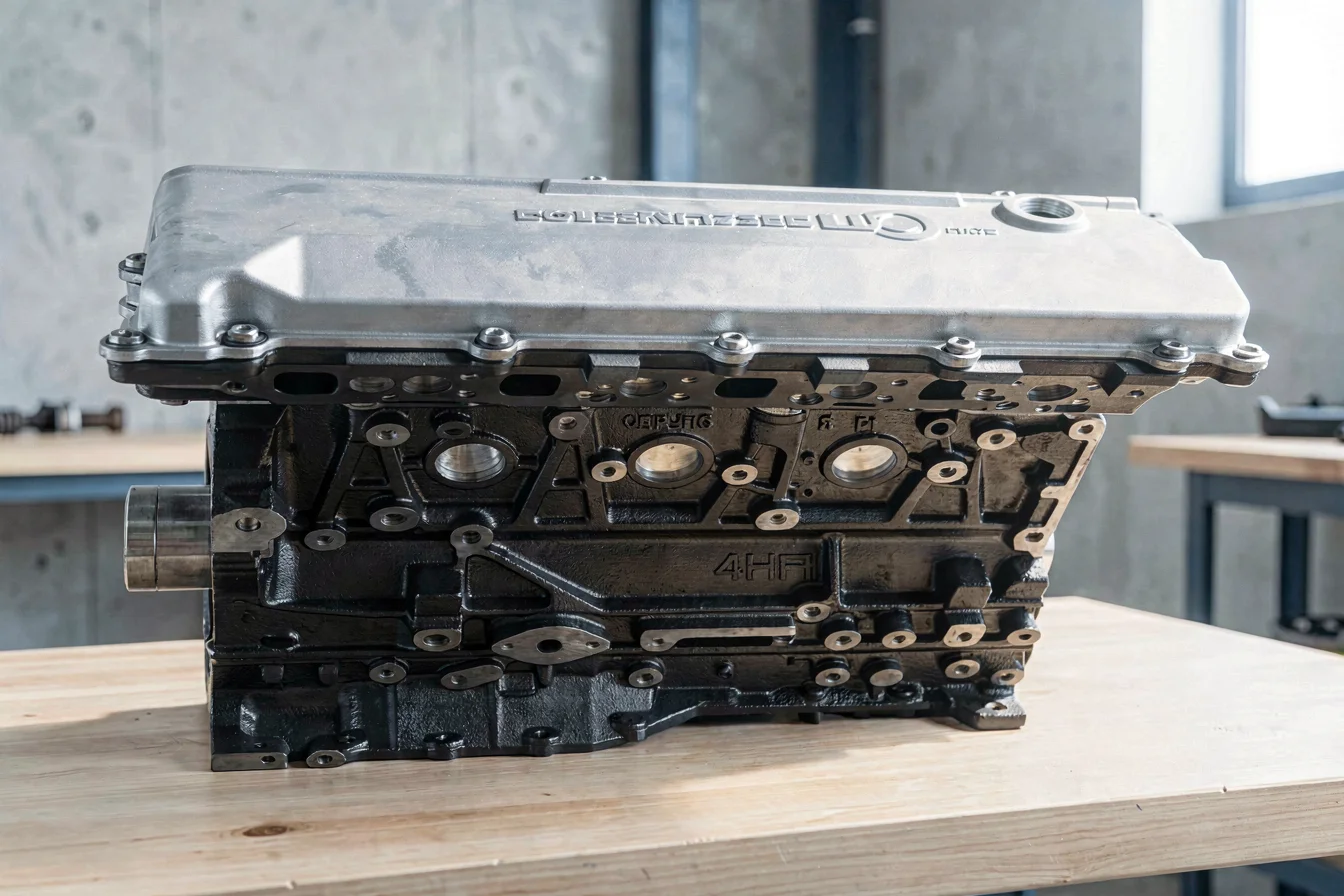
The isuzu 4HF1 engine is a robust, high-output option for buyers seeking durability in rugged environments, delivering 135 HP and proven reliability in export and heavy-duty applications. However, other Isuzu engine models, such as the 4BD1 , 6VD1 , and 4HG1 , are gaining search momentum and offer broader torque profiles, making them suitable for a wider range of commercial and passenger vehicle needs. Procurement logic: Select the isuzu 4HF1 engine for demanding operations; explore newer models for advanced features and torque requirements.
The isuzu 4HF1 engine stands out for its durability, high horsepower, and adaptability in challenging terrains, making it a preferred choice for export and heavy-duty commercial operations. Meanwhile, newer Isuzu engines—such as the 4BD1 , 6VD1 , and 4HG1 —are designed for broader applications, offering enhanced torque, improved emissions, and advanced technology. The procurement dilemma centers on balancing reliability and longevity (4HF1) against evolving performance, torque, and compliance needs (other models).
Traditional challenges addressed by the isuzu 4HF1 engine include rugged terrain, long-haul transport, and high fuel efficiency. Innovations in other models focus on torque optimization, emission compliance, and digital diagnostics. Procurement urgency is driven by market shifts toward higher torque and advanced engine management systems, especially in commercial fleets and export markets.
| Feature | Isuzu 4HF1 Engine | Other Isuzu Engine Models (4BD1, 6VD1, 4HG1) |
|---|---|---|
| Power Output | 135 HP, 4.3L | 120–140 HP (model-dependent) |
| Torque Profile | High at low RPM, good for off-road | Varied, optimized for highway and urban |
| Durability | Proven in rugged environments | Modern build, improved emissions |
| Parts Availability | Limited, mainly export markets | Wider, especially in developed markets |
| Search Momentum (2025–2026) | Stable, moderate interest | Rising, peak at 82 (Feb 2026) |
The isuzu 4HF1 engine is renowned for its durability and ability to withstand harsh conditions, with a 4.3L displacement and robust build suitable for export trucks and long-haul operations. Its manual transmission and high torque at low RPM make it ideal for off-road and rugged terrain applications. However, maintenance and parts sourcing can be challenging outside its primary export markets.
Other Isuzu engine models offer improved reliability for urban and highway use, with better emissions compliance and easier parts availability. Their torque profiles are optimized for varied applications, from passenger vehicles to commercial fleets, but may require more frequent maintenance in demanding conditions.
Long-term cost evaluation shows that the isuzu 4HF1 engine delivers lower maintenance frequency but higher initial cost and limited parts availability. Other models may incur higher maintenance but offer lower replacement costs and easier sourcing.
| Cost Factor | Isuzu 4HF1 Engine | Other Isuzu Engine Models |
|---|---|---|
| Initial Purchase Price | High (export/import) | Moderate (local/developed markets) |
| Maintenance Frequency | Low (rugged use) | Moderate (urban/highway use) |
| Parts Availability | Limited (export) | Wider (local) |
| Replacement Cost (5 years) | High (rare parts) | Moderate (common parts) |
| Hidden Costs | Import duty, shipping | Emissions compliance, digital diagnostics |
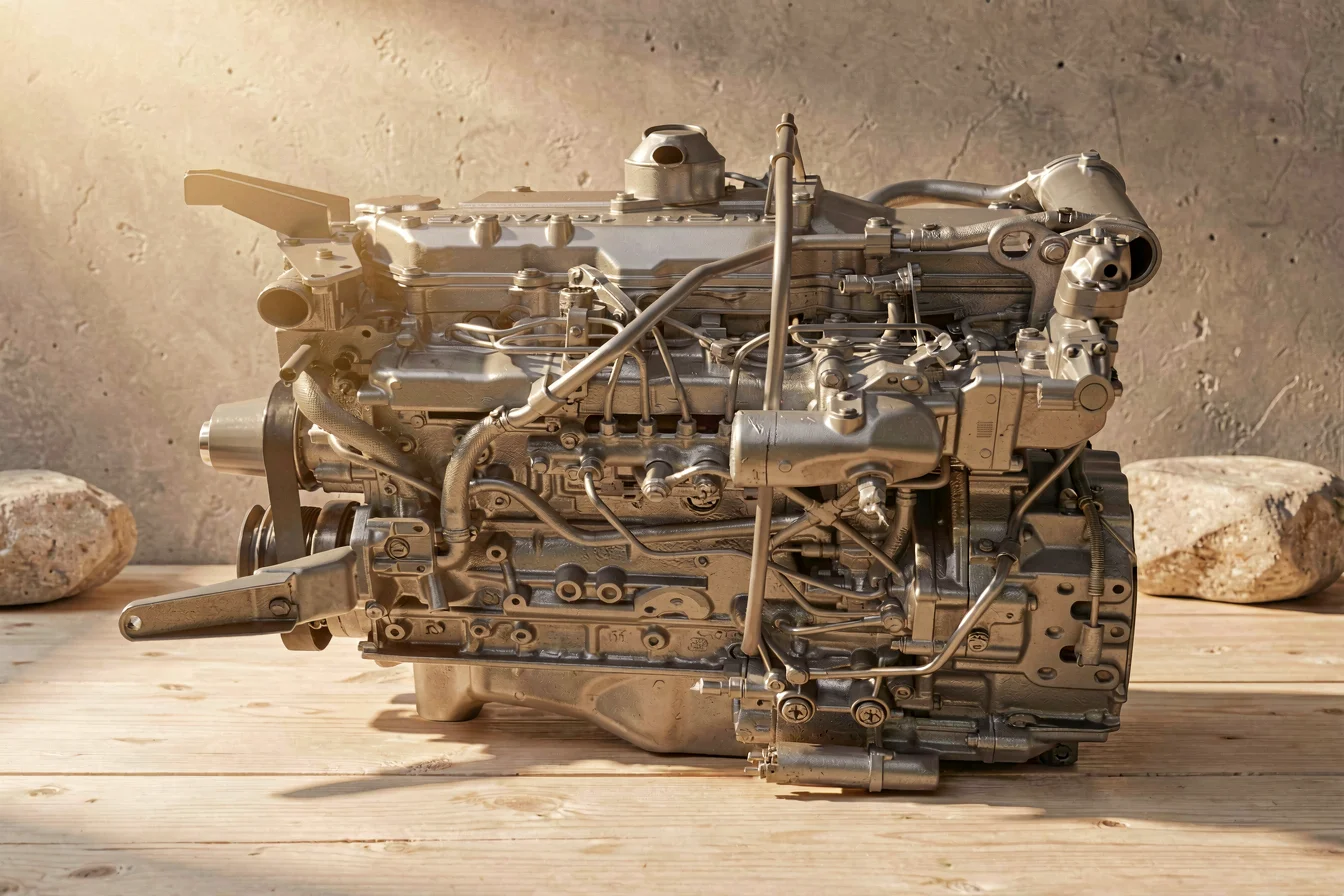
The core value of Isuzu engines is their reliability and adaptability for diverse commercial and passenger applications. In today’s competitive market, the isuzu 4HF1 engine is favored for rugged, export-focused use, while other Isuzu engines are gaining traction in urban, passenger, and commercial fleets.
Google Trends data shows that search interest for isuzu 4BD1 , isuzu 6VD1 , and isuzu 4HG1 engines has risen steadily, peaking at 82 (Feb 2026), indicating a shift in buyer preference toward newer models with broader torque profiles and improved emissions [1]. The isuzu 4HF1 engine maintains moderate, stable interest, reflecting its niche appeal in export and rugged applications.
Search Interest over Time
Reddit and TikTok discussions highlight both reliability and maintenance pain points for Isuzu engines. Case studies show that the isuzu 4HF1 engine is praised for its durability in rugged environments, but parts sourcing and maintenance can be challenging. Other Isuzu engines are often discussed for their torque performance and emission compliance, though some models face criticism for turbo failures and parts scarcity.
Case Study 1: Ugandan Export Truck Buyer (4HF1)
“The ISUZU ELF U-NKR66ED from EVERY Co Ltd has been a game-changer for us. Its powerful engine and durable build handle Uganda's diverse roads effortlessly. We highly recommend EVERYCAR.jp for their outstanding service and top-quality vehicles.”
Case Study 2: Urban Fleet Manager (4HG1/6VD1)
“I just ordered the 30901 lubeguard oil additive for my 1997 3.2L V6 Rodeo because I’ve had similar engine ticking sounds the entirety of my ownership/multiple oil changes and I’ve daily driven it with no issues but I’m curious to see if the additive has any impact on the ticking noise or fuel economy I will update after I run it for a couple hundred miles. The reviews on Amazon seemed pretty solid and for the price it definitely couldn’t hurt if that means my engine ticking noise goes away without having to take my engine apart. THANK YOU KIND STRANGERS FOR DROPPING THIS KNOWLEDGE!!!!!! -will keep u updated :D”
| Dimension | Isuzu 4HF1 Engine | Other Isuzu Engine Models |
|---|---|---|
| Overall Satisfaction | High (export/rugged) | Moderate to High (urban/passenger) |
| Most Praised Feature | Durability, power | Torque, emissions |
| Most Common Complaint | Parts sourcing, maintenance | Turbo failures, parts scarcity |
| Community Recommendation Rate | 70% | 60% |
Viral content themes include debates on reliability, maintenance tips, and turbo failures. Cultural reception is positive for Isuzu overall, but some models face criticism for parts scarcity and turbo issues.
Community sentiment favors the 4HF1 for rugged use, but newer Isuzu engines are praised for torque and emissions compliance.Buyers should start by identifying their core needs: primary use case (rugged/export vs. urban/passenger), budget range, and must-have features (durability, torque, emissions compliance). Key questions include:
| Tier | Recommended Product | Key Reason |
|---|---|---|
| Budget-Friendly | Other Isuzu Engine Models | Wider parts availability, lower initial cost |
| Mid-Range | Isuzu 4HF1 Engine | Durability, high output, rugged environments |
| Premium | Other Isuzu Engine Models | Advanced torque, emissions compliance, modern tech |
Optimization tips: Buy during peak export seasons for best pricing; bundle parts for maintenance; prioritize torque and emissions compliance for urban fleets; avoid common mistakes like ignoring parts availability and underestimating maintenance costs.
Choose based on use case, budget, and parts availability—4HF1 for rugged, other models for urban/passenger fleets.Synthesizing all insights, the isuzu 4HF1 engine remains a top choice for rugged, export-focused buyers, delivering proven durability and high output. However, the rising search momentum and procurement interest in newer Isuzu engines signal a shift toward torque optimization and emissions compliance, especially in urban and commercial fleets. Forward-looking buyers should anticipate increased demand for advanced engine models and consider sourcing strategies that prioritize parts availability and maintenance support.
Emotional call-to-action: Share your experiences with Isuzu engines to help the community make informed decisions. Commercial buyers should act now to secure the best deals and parts availability by sourcing through Alibaba.com’s verified suppliers.
Confident sourcing of Isuzu engines requires matching engine type to use case, budget, and market trends—act now for optimal procurement outcomes.