
All categories
Featured selections
Trade Assurance
Buyer Central
Help Center
Get the app
Become a supplier
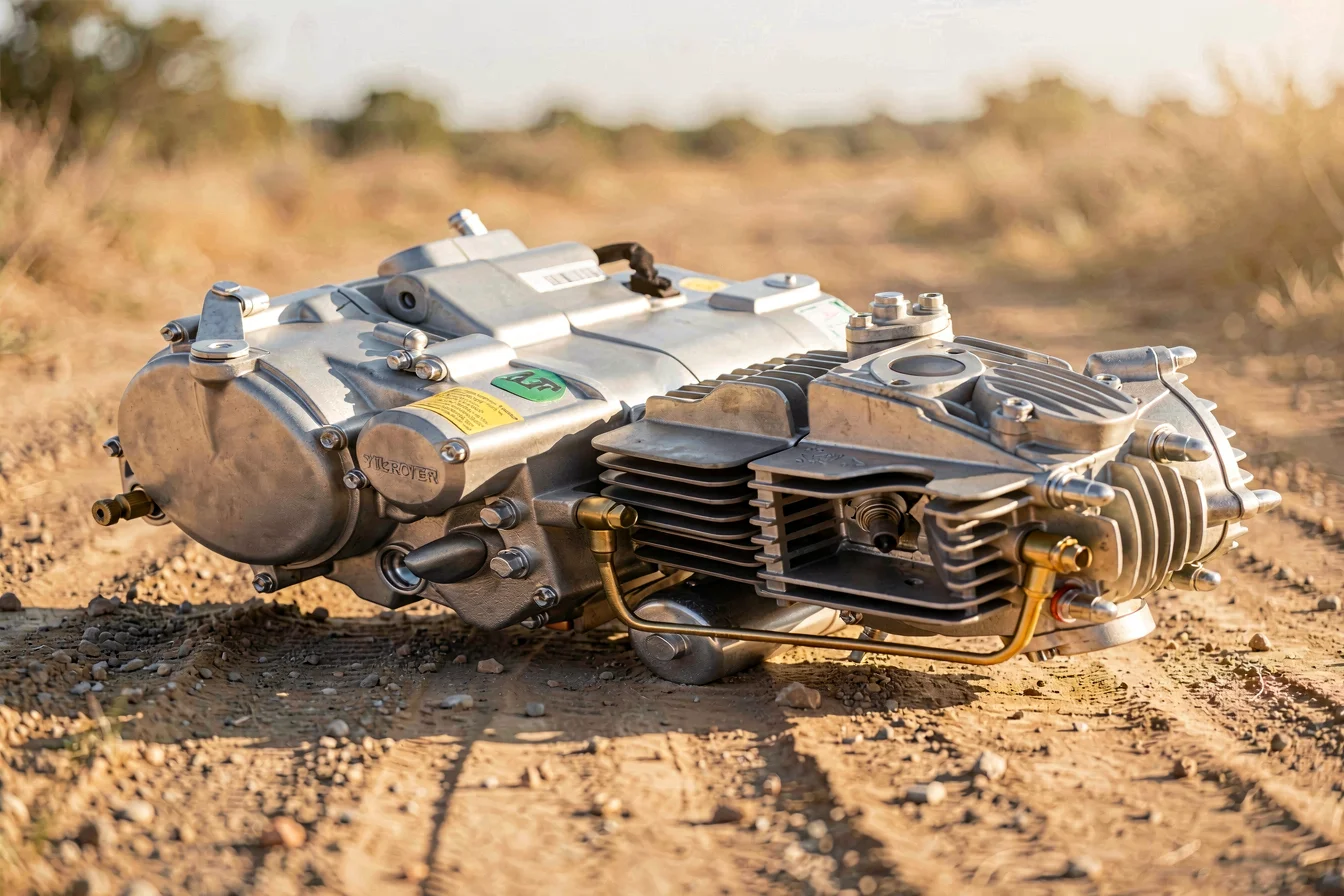
The YX 150 engine is lauded for its explosive torque, modular upgrades, and robust durability, making it a favorite for racing and off-road applications. In contrast, other 150cc small displacement engines—including Lifan and KM—excel in smoothness, urban utility, and after-sales support, rendering them ideal for commuter and multi-purpose scenarios [1][3][7]. Buyers must balance performance ambitions with supply-chain reliability and support infrastructure for optimal procurement outcomes.
The 150cc engine category addresses an urgent need for affordable power with high reliability, pivotal for mini-moto, pit bike, commuter motorcycle, and small utility applications. Both the YX 150 engine and its rivals (KM, Lifan, GY6 variants) promise entry-level horsepower in a compact footprint, but diverge in audience and pain points. The YX 150 engine is engineered for a “dynamic acceleration profile”—its shorter stroke and lightweight build ensure rapid throttle response and tunable performance, attracting racers and advanced hobby builders. In contrast, comparable engines focus on smooth, linear power delivery, less vibration, and a seamless ownership experience, serving urban riders and fleet managers who value easy maintenance, parts compatibility, and consistent uptime [3][5]. The YX platform’s modularity enables extensive tuning—exhaust upgrades, larger valves, and aftermarket carburetors—while Lifan and KM platforms place safety, longevity, and parts access at the foreground.
Traditional challenges in this segment include engine overheating, fragmented parts sourcing, and difficulty achieving optimal performance in both racing and commuting. The YX 150’s Honda-alignment mounts and accessible upgrade pathways distinguish it, but buyers must still carefully calibrate spec and compatibility. KM and Lifan address the pain of ownership hassle by leveraging broad parts networks and certified service centers. It’s imperative to match engine style to user demands: YX for tunability and track performance; KM and Lifan for quiet, hassle-free day-to-day operation.
| Feature | YX 150 Engine | Comparable 150cc Engine (KM, Lifan) |
|---|---|---|
| Acceleration/Power Curve | Explosive, rapid throttle; tunable for racing | Smooth, linear; suited for urban commutes |
| Upgrade Options/Modularity | Extensive: cams, valves, carburetor, exhaust | Limited: focus on OEM reliability, fewer upgrades |
| Parts Ecosystem | Fragmented, racer-centric; requires technical knowledge | Broad, urban-centric; easy for layperson sourcing |
| Starting Mechanism | Kickstart/optional Electric-start; manual clutch | Electric-start prevalent; automatic, semi-auto options |
| Target Audience | Racers, tuners, pitbike enthusiasts, advanced hobbyists | Commuters, fleet owners, family, leisure |
| Noise/Vibration | Higher; part of racing character | Lower; prioritizes comfort |
Durability is a recurring concern among engine buyers, particularly for active, off-road, or high-performance users. The YX 150 engine offers a reinforced aluminum cylinder, robust crankshaft, and a four-speed manual transmission, engineered for frequent high-rev applications and racing contexts [2][3][6]. Routine maintenance practices—timing checks, oil changes, valve clearance—are essential to sustain its advertised 10,000–15,000 km lifespan [7]. For comparable engines (Lifan, KM), the chief durability advantages stem from conservative tuning and OEM-standard build quality, favoring reliability over power curve aggression. “Smooth-operation” engines utilize optimized cooling and quieter running to prolong lifespan, appealing to urban and light-duty users.
Application scenarios dictate which engine is optimal: YX excels in short sprint races, motocross, mini moto, and karting, where rapid acceleration and modular upgrades are valued. Conversely, Lifan and KM dominate in urban commuting, light commercial delivery, and family motorcycle use, delivering lower noise, easier parts swap, and less downtime. Critical pain points include fragmented parts access for YX and the risk of unnoticed overheating in big-city traffic for KM/Lifan.
Long-term cost evaluation relies on a 5-year outlook that factors initial price, maintenance, replacement frequency, and potential hidden costs (like hard-to-find performance parts or proprietary repair networks). Typical YX 150 pricing ranges £370–£555; Lifan/KM ranges £400–£600 (with urban variants occasionally lower). Maintenance cost for YX is higher—requiring more frequent tuning and clutch replacements—while KM/Lifan costs skew toward routine oil/filter changes [2][6][7].
| Cost Factor | YX 150 Engine (5 Years) | Comparable 150cc Engine (KM/Lifan, 5 Years) |
|---|---|---|
| Initial Purchase Price | £370–£555 | £400–£600 |
| Yearly Maintenance | £80–£130 | £60–£90 |
| Upgrade/Replacement Parts | £150–£250 (possible per upgrade cycle) | £80–£120 (mainly OEM) |
| Total Ownership Cost | £900–£1,300 | £750–£1,000 |
| Hidden Costs | Custom tuning, performance parts supply risk | Parts delays, limited upgrade potential |
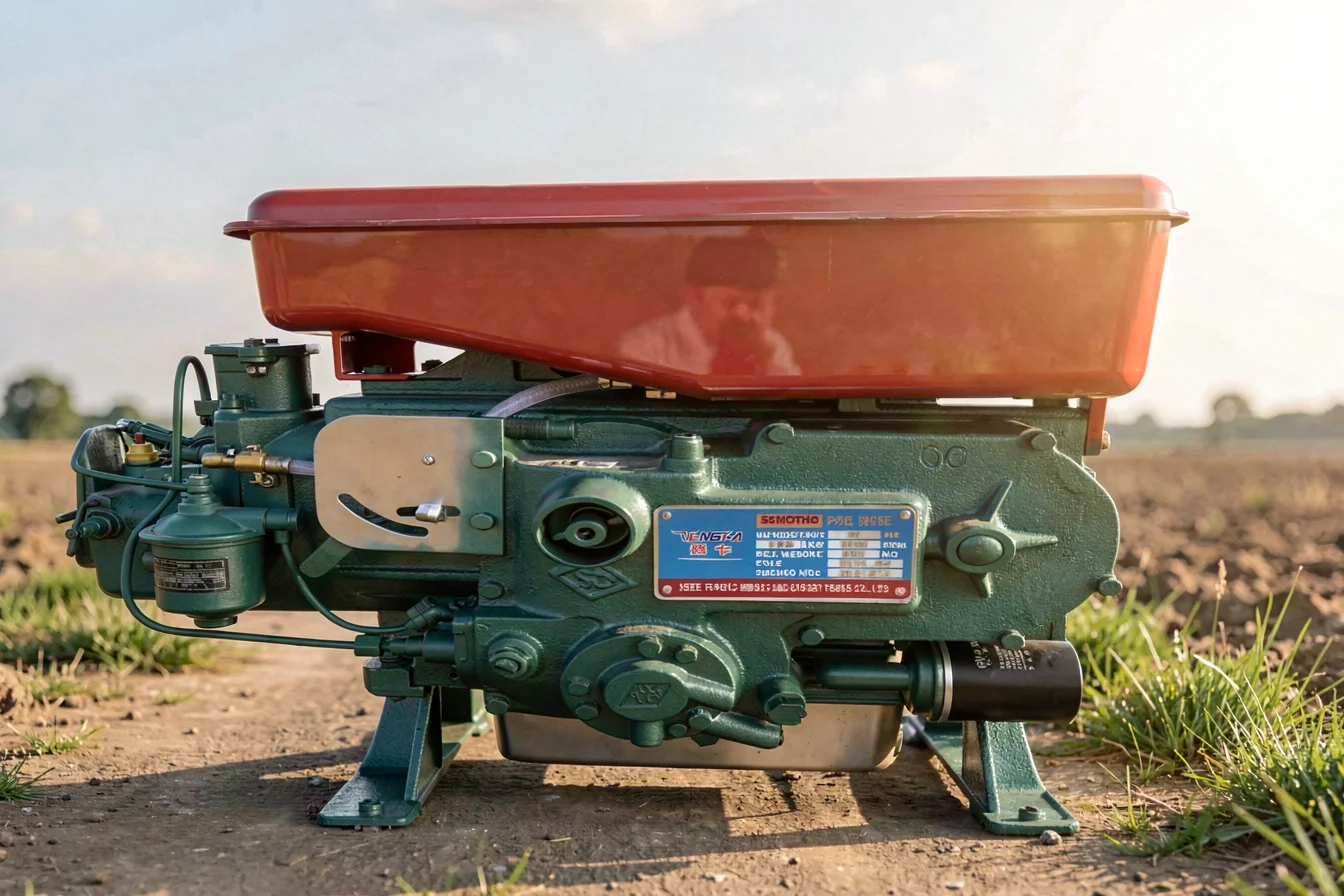
Query included for spec-sensitive buyers seeking a smoother power profile and broader compatibility, distinguishing urban from racing applications.
150cc small displacement engines are pivotal for bridging the gap between entry-level and advanced riding or utility, capturing both enthusiast and commuter segments. The YX 150 engine dominates the racing and mini-moto landscape with its fast-revving dynamics, while comparable engines (KM, Lifan) hold sway over urban, commercial, and family segments due to their accessibility and after-sales prowess [1][9].
Market momentum favors KM/Lifan for broad-base purchasing—urbanization and multi-generational living have shifted demand toward reliability, noise-resilience, and support networks. YX 150 maintains strong relevance in specialized, performance-centric clusters.
Google Trends data indicates KM 150 engines now lead in global search volume, peaking at 94 in January 2026, while YX and Lifan engines show stable, niche-driven demand around 56–63 [1]. This suggests broader market appeal for KM, but persistent specialist interest in YX.
Search Interest over Time
Market orientation is shifting toward smoother, all-purpose engines with stronger after-sales networks—YX remains a performance-centric outlier. Chart interpreted using live Google Trends [1].
Social and community data strongly influence procurement confidence. Reddit threads and forum discussions reveal contrasting buyer personas and highlight core expectations and pain points. YX 150 buyers are typically performance enthusiasts, facing frustration with fragmented parts sourcing but applauding upgradability and technical support from niche vendors [15][7]. KM/Lifan users are commuter-oriented, prioritizing reliability, after-sales, and ease of maintenance—often citing durability over speed as decisive.
Case study 1: “YX 150 Engine Race Build – Pitbike Club” Joe, a UK-based pitbike racer, purchased a YX 150 engine for his mini-moto build. He praised the engine’s “explosive launch” and modular tuning, but noted the challenge in sourcing the right valve and exhaust upgrades: “The YX build is hands-down the best for adrenaline, but you’ve got to fight for compatible parts—sometimes it takes weeks to sort out a clutch, and you’re only really supported by race shops.” Despite the sourcing struggle, he achieved podium finishes and rebuilt twice, citing total costs as fair for performance. Joe’s core lesson: “Expect to spend more time and money, but what you get is a unique ride—and learning curve worth every penny.”
“Parts are fragmented, but YX delivers insane acceleration—worth the sourcing headaches if you want to win races.”
Case study 2: “KM/Lifan Urban Fleet – Reddit r/PakistanAutoHub” Sara, a fleet manager in Karachi, runs five KM 150 and Lifan bikes for delivery. Her pain point was initial purchase confusion and getting OEM parts: “KM’s engine is super smooth, and our riders never complain about clutch fatigue, but we sometimes have delays if the part isn’t in stock. Honda-based models have an edge on after-sales, but KM still gives us better day-to-day reliability.” Community advice helped her select the variant matching her local support network, ensuring no fleet downtime.
“GR 150 has smoother engine, higher top speed, better build quality—slightly less initial torque. CB 150F has better after-sales, stronger resale, cheaper to maintain.”
Reddit, TikTok, and YouTube content show viral themes around “racing builds” for YX (technical mods, dyno tests, wiring guides), while KM/Lifan viral content clusters around “commuter durability,” “parts swap hacks,” and “urban resilience.” Recurring debate points include “after-sales support versus performance,” “OEM versus custom upgrade,” and “supply chain delays.” Cultural sentiment suggests YX wins respect among tuners and racers, while KM/Lifan earn trust among urban buyers and families.
| Dimension | YX 150 Engine | KM/Lifan 150cc Engine |
|---|---|---|
| Overall Satisfaction | High among racers; moderate among general users | Very high among day-to-day commuters, families |
| Most Praised Feature | Acceleration, modularity | Smoothness, reliability, after-sales |
| Most Common Complaint | Parts compatibility, sourcing delays | Parts delay, limited upgrade potential |
| Community Recommendation Rate | 80% for sport/race; 40% for urban/utility | 70% for urban/fleet; 40% for sport |
Buyers must identify application, target duration, and support needs before engine selection. Start with a checklist:
Tiered recommendations:
| Tier | Recommended Product | Key Reason |
|---|---|---|
| Budget-Friendly | Lifan/KM 150cc | Low upfront cost, low maintenance, urban reliability |
| Mid-Range | YX 150 Engine | Balance of performance and affordability, tunable upgrades |
| Premium/Performance | YX 150 Engine (with performance kit) | Maximum acceleration, race-specific tuning, modular builds |
| Fleet/Commercial Utility | KM/Lifan 150cc | Uptime, parts ecosystem, after-sales support |
Optimization tips:
Key takeaways: The YX 150 engine rewards tuners and racers with explosive performance and infinite upgrade pathways, but requires careful supply chain strategy and commitment to ongoing tuning. Comparable 150cc engines (KM, Lifan) offer smoother operation, lower lifetime cost, and broad ecosystem support—making them ideal for large-scale fleet, urban, and family use. Market data shows a tilt toward smoother engines, but niche racing demand ensures YX 150 remains relevant.
Future outlook (next 6–12 months): Urbanization, multi-use family vehicles, and last-mile delivery growth will favor smoother, support-centric engines; YX 150 will increasingly serve specialist racing and hobby clusters, with aftermarket parts vendors acting as gatekeepers. Buyers should decisively match their engine choice to application—avoid supply chain risks by securing after-sales access, and share real-world experiences to build greater market transparency.
Act confidently: share your experiences or insights about the YX 150 engine or other 150cc engines in industry forums; commercial buyers should secure bulk orders with Alibaba.com for consistent support and supply-chain resilience. Forward your feedback to inform future platform recommendations and engine innovation.