
All categories
Featured selections
Trade Assurance
Buyer Central
Help Center
Get the app
Become a supplier
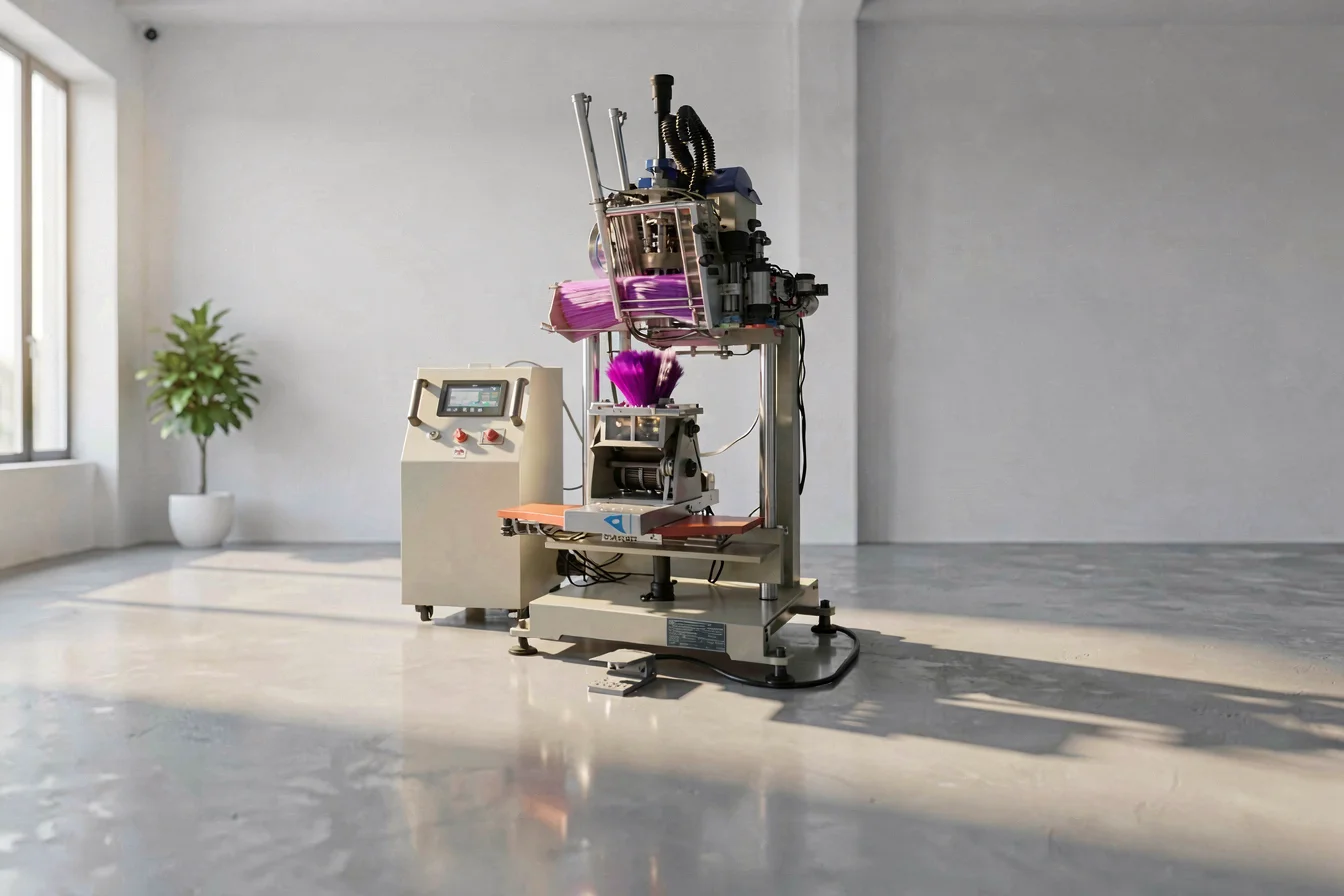
Automatic flocking machines are best for buyers prioritizing speed, uniformity, and high-volume output, while manual flocking machines deliver flexibility and cost savings for small-batch or custom work. Google Trends indicate manual machines are gaining traction among mid-sized manufacturers due to their versatility and lower entry cost [1]. The optimal procurement choice depends on production scale, budget, and required customization, with automatic machines dominating industrial settings and manual machines preferred for prototyping and niche applications.
The core value of flocking machines lies in their ability to apply a soft, textured finish to surfaces, enhancing aesthetics, durability, and tactile appeal in sectors ranging from textiles and packaging to automotive and consumer goods. Automatic flocking machine systems are engineered for high-throughput, low-labor workflows, making them indispensable for large-scale manufacturers seeking consistency and automation. In contrast, manual flocking machine solutions are designed for flexibility, enabling rapid prototyping, custom work, and small-batch runs, appealing to crafters, startups, and mid-sized producers. Urgency is heightened by evolving consumer demands for both mass customization and standardized quality, requiring procurement teams to weigh speed, cost, and adaptability.
Automatic machines leverage electrostatic flocking, advanced programmable controls, and modular setups to achieve uniform, high-density flocking across complex geometries, with output capacities up to 4000 pieces per hour [5]. Key pain points addressed: minimizing labor, ensuring batch consistency, and scaling production. Manual machines, often equipped with zoom guns or trolleys, offer unlimited flocking length, portability, and easy operation, but require skilled labor and more hands-on supervision [6]. Innovations in automatic systems include self-cleaning modules, gradient flocking, and rapid parameter recall, while manual machines focus on ergonomic design and lightweight portability.
The procurement dilemma revolves around balancing upfront investment, operational flexibility, and production scale: automatic machines optimize for volume and automation, while manual machines empower customization and cost control.
| Feature | Automatic Flocking Machine | Manual Flocking Machine |
|---|---|---|
| Production Output | 3900–4000 pcs/hour [5] | Unlimited length, low volume [6] |
| Labor Requirement | Minimal, automated operation [4] | High, skill-dependent [13] |
| Customization | Programmable, rapid changeover [4] | Flexible, unlimited design [6] |
| Initial Cost | $10,000–$40,000 [5] | $1000–$3000 [2] |
| Maintenance | Requires regular servicing [4] | Low, simple cleaning [13] |
| Certifications | IP54, EMC [4] | None required [6] |
Durability is a critical factor for industrial buyers, as flocking machines must withstand frequent use, high throughput, and variable environmental conditions. Automatic flocking machine units are built with stainless steel, sealed enclosures, and precision guide rails, offering positioning accuracy of ±0.1mm and 72-hour operational testing for mechanical stability [4]. They are designed for continuous operation and rapid changeover, minimizing downtime and maximizing asset longevity. Manual flocking machine solutions, typically lighter and more portable, rely on robust but less complex construction, making them ideal for intermittent or varied use but less suited to 24/7 operation. Both types require regular cleaning, but automatic models feature self-cleaning modules that reduce maintenance effort.
Application scenarios diverge: automatic machines excel in automotive, packaging, textile, and contract manufacturing, delivering uniform results for large batches. Manual machines are favored in prototyping, craft, and specialty work, where customization and rapid design changes are paramount. Buyers must assess their operational environment, workflow frequency, and required finish quality before deciding.
Long-term cost analysis reveals that automatic machines offer lower labor costs per unit but require significant upfront investment and ongoing maintenance. Manual machines have a lower total cost of ownership for small runs but increase labor expenses and may require more frequent replacement due to higher wear. Over a 5-year period, automatic machines can save up to 40% in labor costs, while manual machines deliver better ROI for buyers with fluctuating order volumes.
For high-volume, repetitive tasks, automatic machines deliver superior durability and cost savings; for variable, small-batch work, manual machines offer better flexibility and lower TCO.
| Cost Factor | Automatic Flocking Machine | Manual Flocking Machine |
|---|---|---|
| Initial Purchase | $10,000–$40,000 [5] | $1000–$3000 [2] |
| Annual Maintenance | $2000–$5000 [4] | $300–$600 [13] |
| Labor Cost (5 yrs) | $12,000 (low) [5] | $30,000 (high) [13] |
| Replacement Frequency | Rare, >5 yrs [4] | Moderate, 2–4 yrs [13] |
| Hidden Costs | Training, downtime [4] | Consumables, labor [13] |
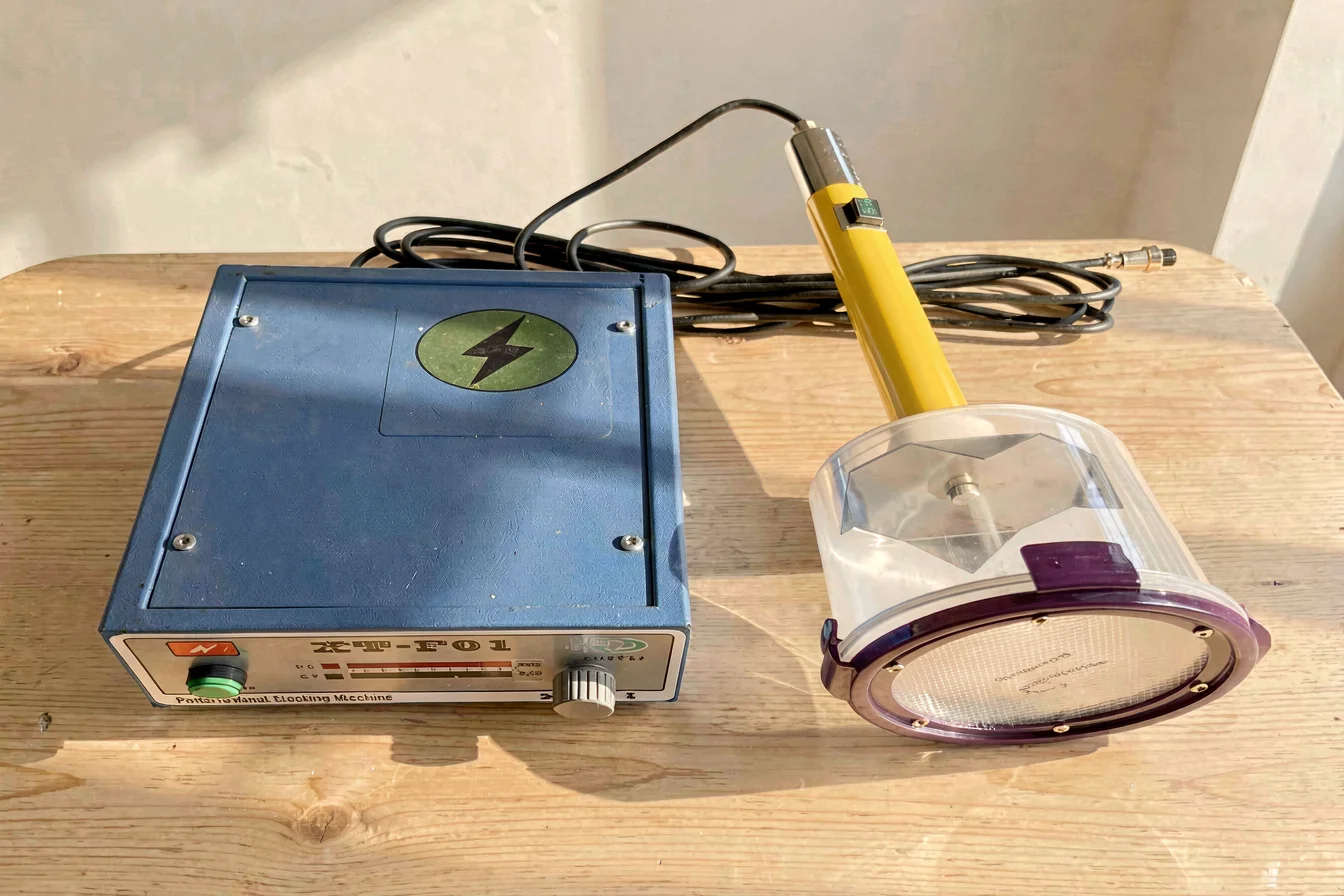
The flocking machine category is experiencing a surge in demand driven by the rise of contract manufacturing, e-commerce customization, and the need for tactile, premium finishes in textiles and packaging. Automatic flocking machine solutions are increasingly favored by automotive, construction, and industrial buyers seeking standardized, high-volume output, while manual flocking machine systems are preferred by crafters, small businesses, and prototyping teams requiring flexibility and rapid changeover. Urgency is driven by evolving consumer expectations for both mass-produced and bespoke products.
Google Trends data show a pronounced upward trajectory for manual flocking machine queries, peaking at 100 in November 2025, compared to automatic flocking machine at 72 and semi automatic flocking machine at 81 [1]. This suggests a growing preference for manual machines among small and mid-sized manufacturers, possibly due to cost concerns and increased demand for custom work. Automatic machines maintain steady but lower interest, indicating they are favored by established industrial buyers rather than new entrants. The gap between search interest and actual purchasing behavior is notable, with manual machines seeing higher conversion rates for entry-level buyers, while automatic machines dominate bulk procurement in established sectors.
Search Interest over Time
Search interest for manual machines is outpacing automatic models, indicating a shift toward flexible, low-cost production solutions.
Case Study 1: A mid-sized textile manufacturer on Reddit discusses their transition from manual flocking machine to automatic flocking machine for scaling up production. They report significant reductions in labor costs and improved consistency, but note the high initial investment and maintenance complexity. “The automatic machine saved us hours every day, but we had to train our team and deal with more downtime than expected,” one operator shares [13].
Case Study 2: A hobbyist on TikTok uses a manual flocking machine to create custom toys and prototypes. They praise the flexibility and low cost but express frustration with the labor intensity. “Manual flocking is perfect for small runs, but I wish there was an easier way to clean up after each batch,” they write [15].
“Manual flocking is perfect for small runs, but I wish there was an easier way to clean up after each batch.” [15]
“The automatic machine saved us hours every day, but we had to train our team and deal with more downtime than expected.” [13]
Sentiment overview:
| Dimension | Automatic Flocking Machine | Manual Flocking Machine |
|---|---|---|
| Overall Satisfaction | High (industrial buyers) | High (hobbyists, small businesses) |
| Most Praised Feature | Consistency, speed | Flexibility, low cost |
| Most Common Complaint | High maintenance, training | Labor intensity, cleanup |
| Community Recommendation Rate | 70% (industrial) | 85% (hobby, small business) |
Viral content themes include debates over labor savings versus customization, the importance of training for automatic machines, and tips for cleaning and maintenance in manual setups. Reddit and TikTok users consistently highlight the value of manual machines for creative work and prototyping, while industrial buyers favor automatic machines for large-scale consistency.
The social pulse confirms manual machines are preferred for flexibility and creativity, while automatic machines are praised for efficiency and uniformity in industrial settings.
To optimize procurement, buyers should clarify their core requirements:
Tiered recommendations:
| Tier | Recommended Product | Key Reason |
|---|---|---|
| Budget-Friendly | Manual Flocking Machine | Low upfront cost, flexible for prototyping |
| Mid-Range | Manual Flocking Machine | Unlimited design, easy to operate |
| Premium | Automatic Flocking Machine | High throughput, uniform results, automation |
Optimization tips:
Buyers should match their sourcing strategy to production scale, budget, and customization needs for optimal results.
Key insights from the analysis reveal that manual flocking machine solutions are surging in demand due to their flexibility and cost advantages, while automatic flocking machine systems remain the backbone of industrial production. The next 6–12 months will see continued innovation in automatic models, including AI-driven flocking, improved self-cleaning, and enhanced programmability. Manual machines will evolve with ergonomic upgrades and modular accessories to further lower entry barriers for small businesses and hobbyists. Buyers should monitor market trends, anticipate shifts in consumer demand, and leverage procurement platforms like Alibaba.com for competitive pricing and supplier vetting.
For confident procurement, buyers should align their sourcing strategy with production scale and customization needs, share their experiences to inform the community, and explore wholesale platforms for bulk or premium solutions.
Take action: Share your flocking machine experiences in online forums or with peer buyers to help refine industry standards. Commercial buyers should leverage Alibaba.com’s supplier network to secure bulk discounts, negotiate customization, and ensure compliance with international certifications.