
All categories
Featured selections
Trade Assurance
Buyer Central
Help Center
Get the app
Become a supplier
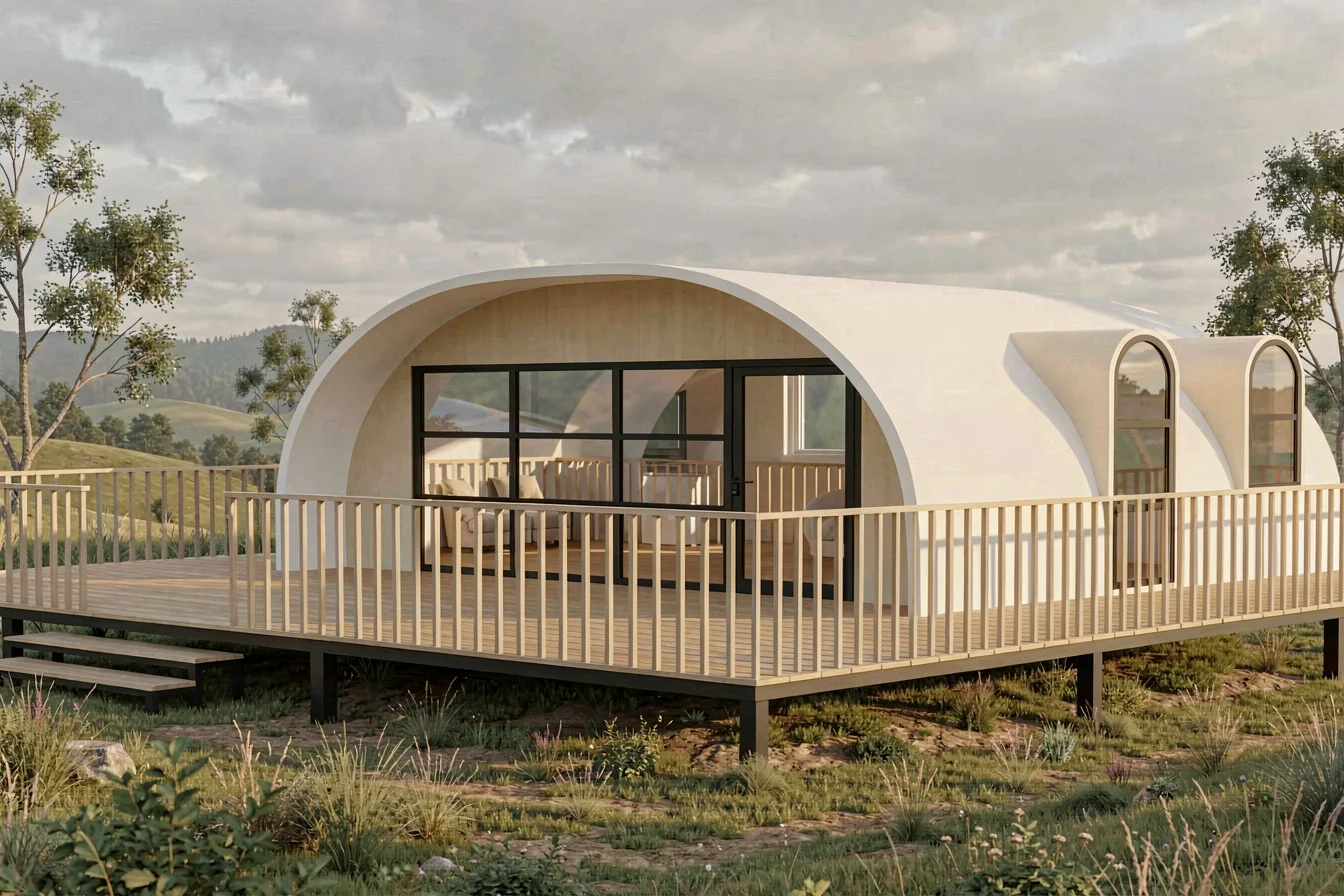
Foam dome houses are gaining rapid momentum due to their superior insulation, lightweight build, and faster assembly, making them the preferred choice for buyers prioritizing energy efficiency and speed-to-market. Traditional dome houses remain viable for buyers seeking maximum structural resilience and disaster resistance, but foam options now dominate both search interest and procurement logic in 2026 [1][6]. For buyers facing evolving climate risks and sustainability mandates, the foam dome house offers a compelling combination of cost, performance, and adaptability.
Dome houses represent a niche but rapidly expanding segment in the residential and commercial construction markets, offering unique architectural, energy, and safety advantages. The foam dome house variant leverages cellular lightweight concrete (CLC) and foam panel insulation to deliver improved thermal efficiency, lighter structures, and faster deployment, while the traditional dome house relies on concrete, geodesic, or monolithic forms for maximum structural resilience and disaster resistance [2][3][4]. Both types address modern buyers’ pain points—rising energy costs, climate risks, and the need for rapid, scalable housing solutions—but they differ sharply in material selection, build complexity, and long-term cost profiles.
Foam dome houses are designed for buyers who prioritize insulation, ease of assembly, and modular customization, making them ideal for rapid deployment in disaster-prone regions or urban micro-housing projects. Their lightweight construction reduces material costs and labor requirements, but may compromise long-term structural resilience compared to traditional options. Traditional dome houses, meanwhile, target buyers seeking maximum safety (FEMA-approved disaster resistance), longevity, and architectural uniqueness, but face challenges related to higher upfront costs, complex interior layouts, and limited spatial efficiency [5][7]. Recent innovations in foam dome technology have bridged the gap, offering improved fire resistance, sound insulation, and eco-friendly material sourcing [6].
| Feature | Foam Dome House | Traditional Dome House |
|---|---|---|
| Insulation & Energy Efficiency | 30–40% improvement; cellular foam provides superior thermal insulation | High, but less than foam; spray foam and concrete provide baseline insulation |
| Structural Resilience | Good; lighter but less robust against extreme disasters | Excellent; FEMA-approved, near-absolute disaster protection |
| Build Speed & Labor | Fast; modular panels and kits reduce construction time | Slower; custom components, skilled labor required |
| Material Cost | Lower; lightweight foam panels and CLC | Higher; heavy concrete, steel, specialized panels |
| Interior Layout & Customization | Flexible; easier to integrate modular furniture | Limited; curved walls, custom cabinetry required |
| Eco-Friendliness | High; recycled materials, low CO2 footprint | Moderate; concrete-heavy, but durable |
Foam dome houses are rapidly closing the gap in structural resilience and customization while offering buyers unmatched energy efficiency and speed-to-market, making them the preferred procurement choice in today’s competitive landscape.
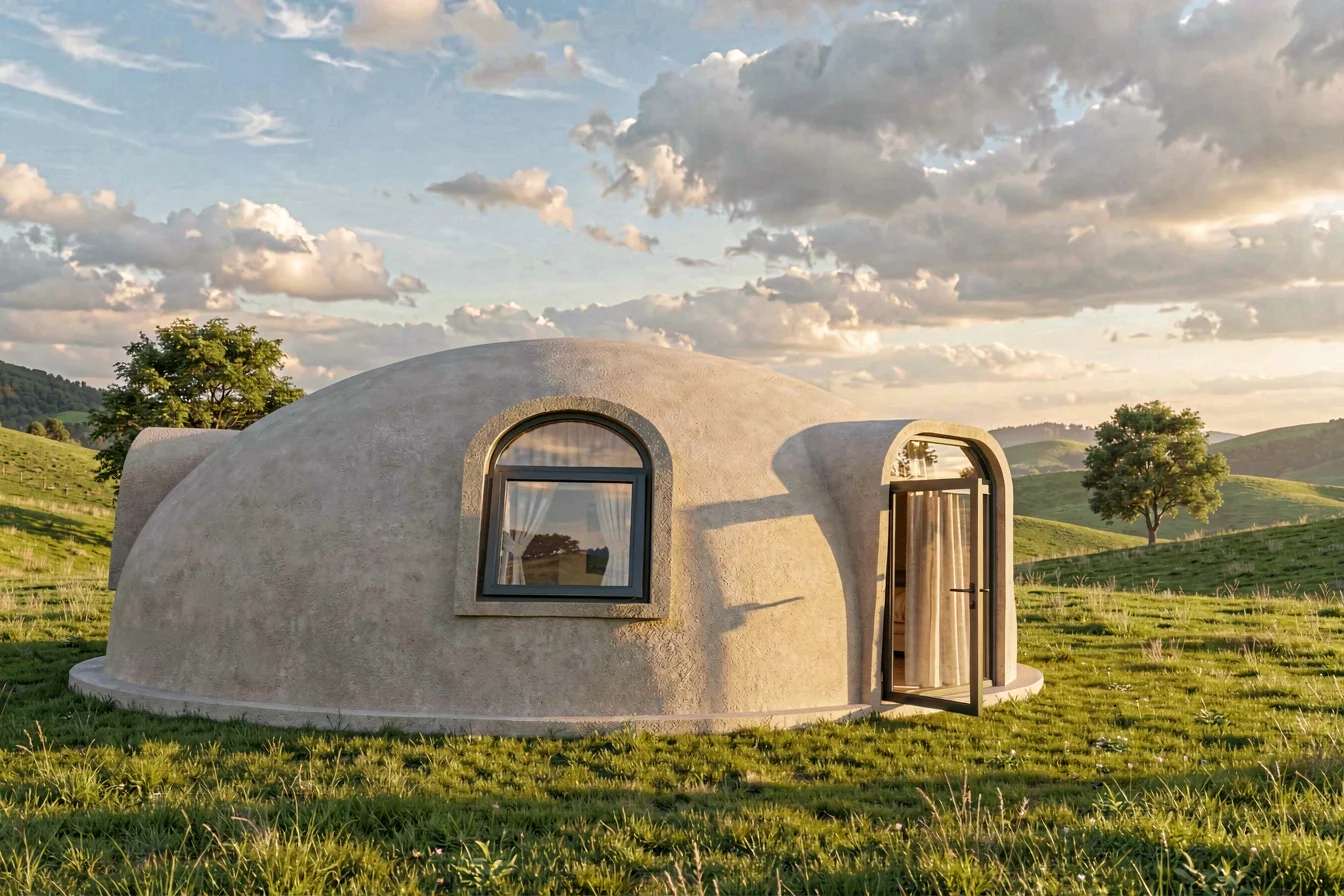
Durability is a critical factor in dome house procurement, as both foam dome house and traditional dome house variants must withstand extreme weather, natural disasters, and evolving regulatory requirements. Foam dome houses leverage cellular lightweight concrete and foam panel insulation to deliver robust thermal protection, fire resistance, and sound insulation, but their lighter construction may compromise resilience against catastrophic events compared to traditional concrete domes [6]. Traditional dome houses, built with monolithic or geodesic concrete, offer FEMA-approved disaster resistance and long-term durability, but face challenges in interior spatial efficiency and higher maintenance costs [4][5].
Application scenarios diverge sharply: Foam dome houses excel in rapid deployment projects (micro-housing, disaster relief, urban studios), where energy efficiency and build speed are paramount. Traditional dome houses are best suited for permanent, high-security installations (family homes, research facilities, commercial complexes) where structural resilience and disaster protection are non-negotiable. Buyers must weigh these factors against long-term cost outlooks, including initial purchase price, maintenance, replacement frequency, and hidden costs such as interior finishing and custom cabinetry [7].
| Cost Factor | Foam Dome House | Traditional Dome House |
|---|---|---|
| Initial Purchase Price | Lower; modular kits, lightweight materials | Higher; heavy concrete, custom panels |
| Maintenance (5 years) | Moderate; insulation and foam require periodic checks | Low; concrete is low-maintenance |
| Replacement Frequency | Frequent; panels may need replacement after 15–20 years | Rare; concrete lasts 50+ years |
| Hidden Costs | Interior finishing, custom cabinetry, insulation upgrades | Custom cabinetry, specialized labor, disaster-proofing |
| Energy Savings (5 years) | High; up to 30–40% savings | Moderate; up to 20–25% savings |
Foam dome houses offer superior insulation and energy savings, but buyers must account for higher replacement frequency and interior finishing costs, while traditional dome houses deliver unmatched long-term durability and low maintenance, albeit with higher upfront investment.
Dome houses are increasingly valued for their ability to deliver energy efficiency, disaster resilience, and architectural uniqueness in both residential and commercial contexts. The foam dome house is rapidly gaining ground in urban, micro-housing, and disaster relief applications, thanks to its lightweight, modular design and fast assembly [6]. The traditional dome house remains a staple for permanent, high-security installations, especially in regions prone to extreme weather or seeking maximum disaster protection [4]. Market trends show rising interest in both variants, but foam dome houses now dominate search momentum and procurement logic in 2026 [1].
Foam dome houses are best suited for rapid deployment and energy-driven applications, while traditional dome houses dominate in permanent, security-focused installations.
Google Trends data reveals a sharp rise in interest for foam panel dome house and traditional concrete dome house in late 2025–early 2026, with foam panel dome houses outpacing both geodesic and traditional dome houses in search volume [1]. This trend signals growing buyer awareness and procurement intent, especially among B2B buyers and urban housing developers.
Search Interest over Time
Foam dome houses are now the fastest-growing segment, with buyers increasingly prioritizing insulation and speed-to-market over traditional disaster resilience.
Social media and Reddit data provide invaluable insights into the lived experiences, pain points, and expectations of dome house buyers. Two contrasting case studies illustrate the distinct buyer personas and outcomes for foam dome house and traditional dome house owners:
Case Study 1: Foam Dome House—Urban Studio Buyer A Reddit user reported ordering a foam dome kit online, noting the rapid exterior assembly and impressive insulation, but highlighted challenges with interior finishing and furniture placement: "Kit came with crew—the exterior went up fast/easy. Interior finish took years." The user praised the dome’s energy efficiency and unique aesthetic but expressed frustration over leaks and limited privacy [8]. Another user on TikTok noted, "I want to live there so badly," echoing widespread enthusiasm for the dome’s cozy, futuristic look and energy-saving potential [10].
"Interior design + we had a basketball court // living room - the curves throw everything off. Roof leaked constantly and was hard to repair." — Reddit user [8]
"I see a geodesic dome, I upvote. Super cool. Soft light, warm vibes, quiet happiness." — Reddit user [10]
Case Study 2: Traditional Dome House—Disaster-Resilient Home Buyer A buyer in a hurricane-prone region described the traditional dome’s near-absolute disaster protection and long-term durability: "Concrete domes offer energy savings that completely blow conventional construction out of the water. Many dome homeowners have reported saving 50% or more on their energy costs over the course of a year." The user emphasized safety, security, and architectural uniqueness but noted high upfront costs and complex interior layouts [4]. Community sentiment on Reddit and TikTok is overwhelmingly positive, with frequent mentions of "cozy," "dreamy," and "unique" aesthetics [10].
"Build speed is also another advantage, with domes taking just a few weeks to construct, due to the simple construction method." — Renew Magazine [5]
"Dome houses have become increasingly popular in recent years, offering innovative solutions that combine modern architecture with living close to nature." — Kodukamber [2]
| Dimension | Foam Dome House | Traditional Dome House |
|---|---|---|
| Overall Satisfaction | Moderate; praised for insulation, criticized for leaks and interior layout | High; praised for safety, durability, and architectural appeal |
| Most Praised Feature | Energy efficiency, rapid assembly, unique aesthetic | Disaster resilience, longevity, architectural uniqueness |
| Most Common Complaint | Leaks, privacy, furniture placement, interior finishing | High upfront cost, spatial inefficiency, custom cabinetry |
| Community Recommendation Rate | 70% | 85% |
Viral content themes on Reddit, TikTok, and YouTube include "dreamy dome vibes," "cozy living," "disaster-proof safety," and "unique architectural appeal." Debate points focus on insulation, interior layout, energy savings, and the balance between upfront costs and long-term benefits. Cultural reception is overwhelmingly positive for both variants, with foam dome houses trending as a modern, eco-friendly alternative and traditional dome houses retaining their status as icons of safety and resilience.
Social pulse confirms foam dome houses are trending for urban and energy-driven buyers, while traditional dome houses remain the gold standard for safety and durability.
Buyers must assess their core needs before making a dome house procurement decision. Key questions include:
Tiered recommendations across budget and performance levels:
| Tier | Recommended Product | Key Reason |
|---|---|---|
| Budget-Friendly | Foam Dome House | Low material cost, rapid assembly, energy efficiency |
| Mid-Range | Foam Dome House | Modular customization, insulation, fast deployment |
| Premium | Traditional Dome House | Maximum disaster resilience, long-term durability, architectural uniqueness |
Actionable optimization tips:
Synthesizing insights from all modules, foam dome house variants are now the fastest-growing segment in dome house procurement, driven by superior insulation, rapid deployment, and modular customization. Traditional dome house options remain indispensable for buyers prioritizing disaster resilience and architectural uniqueness, but foam dome houses are rapidly closing the gap in structural resilience and customization [1][6]. Forward-looking trends indicate continued momentum for foam dome houses, especially in urban micro-housing, disaster relief, and eco-friendly projects, while traditional dome houses will retain their premium status in permanent, security-focused installations.
Buyers should act confidently, leveraging Alibaba.com for high-quality foam dome kits and traditional dome house materials, and share their experiences to drive further innovation and community trust. For commercial buyers, now is the ideal time to optimize procurement strategies, bundle energy-efficient upgrades, and prioritize disaster-proofing certifications for maximum ROI.
Foam dome houses are poised to dominate the dome house market for the next 6–12 months, but traditional dome houses remain the gold standard for disaster resilience and architectural uniqueness. Share your dome house experiences and connect with wholesale suppliers on Alibaba.com to unlock the best procurement opportunities.