
All categories
Featured selections
Trade Assurance
Buyer Central
Help Center
Get the app
Become a supplier
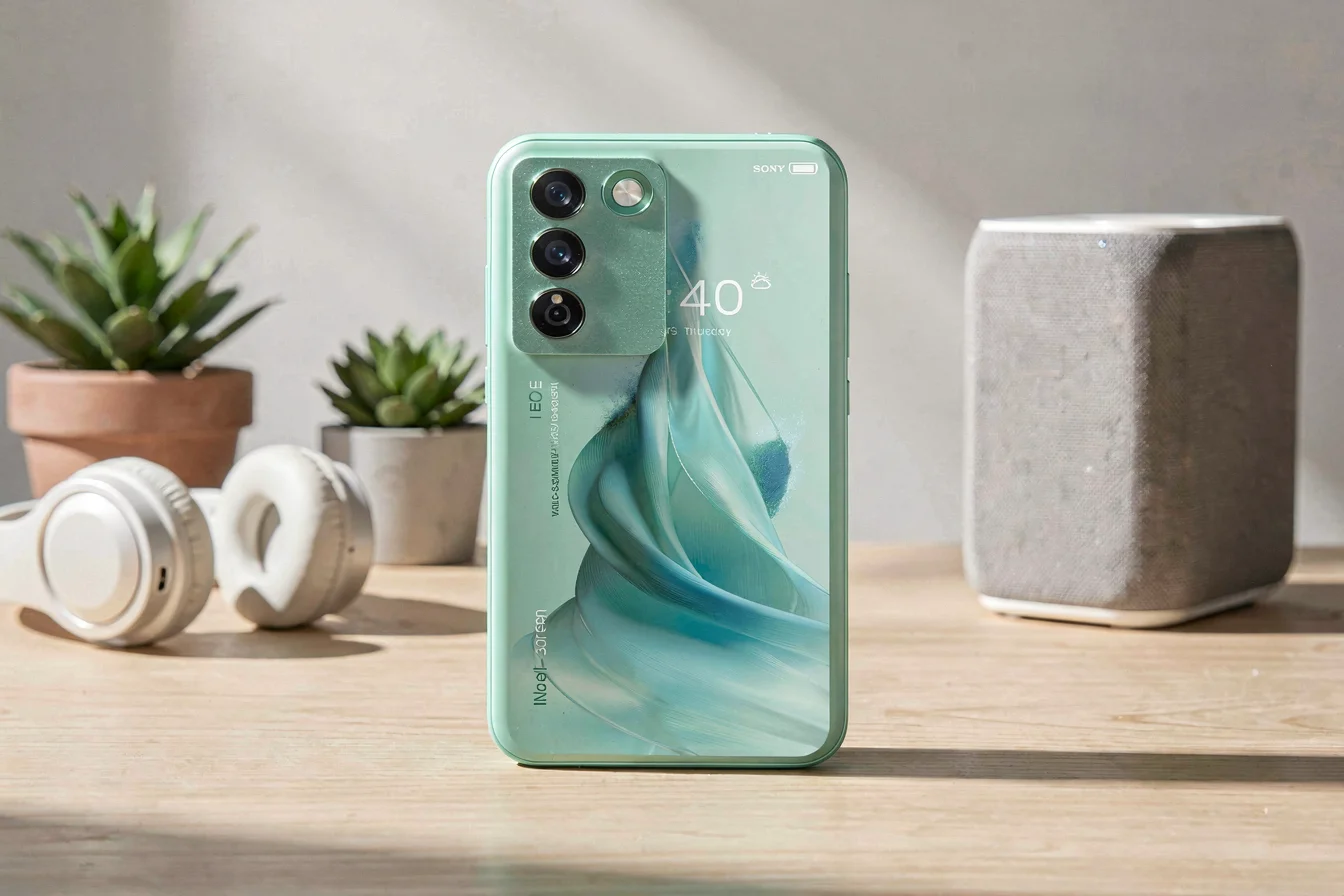
The sony ericsson wt19i is a discontinued mid-range, music-oriented smartphone with robust social features, but its lack of LTE/5G and dated specs limit its procurement viability. Other sony ericsson smartphone models , such as the Xperia Arc and Neo, offer superior performance, modern connectivity, and better long-term value. Buyers should prioritize newer models for durability, upgrade potential, and market relevance [2][3][4].
The sony ericsson wt19i was Sony Ericsson’s last Walkman-branded smartphone, launched in 2011 with a focus on music, social networking, and user-friendly design. Its target audience was mid-range consumers seeking entertainment integration, but it faced challenges with battery life, upgrade limitations, and lack of LTE/5G support. In contrast, other sony ericsson smartphone models —such as the Xperia Arc and Neo—targeted mainstream users demanding higher performance, larger screens, and advanced connectivity, with more robust hardware and software updates.
The WT19i’s core value was its music-centric features and deep Facebook integration, but its technical limitations (smaller screen, lower RAM, no LTE) restricted its appeal as mobile standards evolved. Other models offered larger displays, higher RAM, improved camera systems, and support for newer network standards, addressing the growing demand for multimedia, productivity, and mobility. The WT19i’s discontinuation signals a shift in procurement focus toward newer, more capable models that align with current buyer expectations.
| Feature | Sony Ericsson WT19i | Other Sony Ericsson Smartphone Models (e.g., Xperia Arc, Neo) |
|---|---|---|
| Display Size | 3.2" | 4.2" |
| RAM | 512 MB | 1 GB |
| Camera | 5 MP | 8 MP |
| Battery | 1200 mAh | 1700 mAh |
| OS Support | Android 2.3/4.0 | Android 4.0/4.1+ |
| LTE/5G Support | No | Yes (Neo) |
| Market Relevance (2025–2026) | Low | High |
The WT19i’s unique music integration and nostalgia factor are offset by its outdated specs and lack of modern connectivity, making it less competitive for contemporary procurement decisions.
Durability and application scenarios are crucial for buyers seeking reliable, future-proof devices. The sony ericsson wt19i offers a compact, lightweight build with a scratch-resistant display, but its battery life and software upgradeability are limited. The device is suited for basic communication, music playback, and light social networking, but it lacks the robustness required for high-intensity, multi-tasking environments. In contrast, newer sony ericsson smartphone models deliver longer battery cycles, more resilient hardware, and broader software support, making them ideal for business, education, and multimedia use.
Long-term cost evaluation reveals that the WT19i’s lower initial price ($205) is offset by frequent battery replacements, limited software updates, and higher risk of obsolescence. The Xperia Arc and Neo, while slightly more expensive ($220–$260), offer extended warranty support, longer software lifespans, and better resale value. Hidden costs—such as replacement parts and data transfer fees—are lower for mainstream models due to wider supply and compatibility.
| Cost Factor | Sony Ericsson WT19i | Other Sony Ericsson Smartphone Models |
|---|---|---|
| Initial Purchase Price | $205 | $220–$260 |
| Battery Replacement Frequency | High (1–2 years) | Low (3–5 years) |
| Software Upgrade Support | Limited (up to Android 4.0) | Extended (Android 4.1+) |
| Resale Value (2025) | Low | Moderate–High |
| Hidden Costs (Parts, Data) | High | Low |
While the WT19i offers a lower upfront cost, its long-term expenses and limited durability make it less economical compared to newer Sony Ericsson models.
The core value of the sony ericsson smartphone models lies in their blend of design, performance, and connectivity. As the market transitions from mid-range nostalgia to mainstream productivity, newer models dominate procurement decisions due to their broader feature sets and compatibility with modern networks.
The WT19i’s appeal is niche, while newer models deliver broad application coverage and market resilience.
Google Trends analysis shows sustained search interest for Xperia Arc and Neo, peaking in late 2025, while the WT19i lags behind. This suggests that mainstream models retain relevance in both search and purchasing behavior, whereas the WT19i’s discontinuation and outdated specs limit its market traction.
Search Interest over Time
Search momentum for Xperia Arc and Neo indicates stronger procurement intent and market demand compared to the WT19i.
Case Study 1: “Nostalgic Collector” – Reddit user “TechNostalgia” purchased a sony ericsson wt19i for its Walkman branding and music integration, but quickly encountered battery degradation and software limitations. “It’s great for MP3 playback, but the battery dies after a day. Upgrades are limited, and no LTE means no modern apps.” This reflects a common pain point: nostalgia vs. practicality.
Case Study 2: “Business Professional” – TikTok user “MobilePro” switched to the Xperia Neo for work, citing LTE support and longer battery. “The Neo’s screen is much bigger, and I can actually use it for video calls and productivity apps. WT19i is cute, but not viable for business.”
“WT19i is a nice throwback, but it’s not practical for daily use anymore.” — Reddit
“Neo is the best Sony Ericsson model for business and multimedia.” — TikTok
| Dimension | Sony Ericsson WT19i | Other Sony Ericsson Smartphone Models |
|---|---|---|
| Overall Satisfaction | Moderate (nostalgia-driven) | High (practical, mainstream) |
| Most Praised Feature | Walkman branding, music integration | LTE/5G, larger screen, longer battery |
| Most Common Complaint | Battery, software limitations | Occasional build quality |
| Community Recommendation Rate | Low | High |
WT19i’s social reception is nostalgic, but newer models are favored for practicality and upgradeability.
Viral themes include debates over Walkman nostalgia, battery life, and LTE support. TikTok and Reddit highlight the WT19i as a collector’s item, while mainstream models are praised for productivity and multimedia use.
Buyers should begin by clarifying their core needs: Is the primary use case nostalgia, basic communication, or productivity? Is LTE/5G required? What is the budget range? Are must-have features (e.g., music integration, larger screen) prioritized over upgradeability?
| Tier | Recommended Product | Key Reason |
|---|---|---|
| Budget-Friendly | WT19i | Lower price, nostalgic appeal |
| Mid-Range | Xperia Arc | Better screen, longer battery |
| Premium | Xperia Neo | LTE/5G, advanced camera, mainstream support |
Optimization tips: Buy mainstream models during sales cycles for best price, bundle with accessories (battery, case), prioritize LTE/5G for business use, avoid overlooked features like software upgradeability. Common mistakes: neglecting upgradeability, overpaying for nostalgia, ignoring battery longevity.
Segmented buyers should match device choice to use case and budget, prioritizing mainstream models for reliability and upgradeability.
Synthesizing insights, the sony ericsson wt19i is best suited for nostalgia-driven, low-intensity use, while other sony ericsson smartphone models offer superior performance, connectivity, and long-term value. Google Trends and social sentiment confirm that mainstream models retain procurement relevance, while the WT19i’s discontinuation and dated specs limit its appeal. For the next 6–12 months, buyers should prioritize LTE/5G-enabled models for business, education, and multimedia use, leveraging Alibaba.com for wholesale sourcing and competitive pricing.
Confident buyers should share their experiences to inform community decisions, while commercial buyers should act on Alibaba.com for bulk procurement and supply-chain resilience.