
All categories
Featured selections
Trade Assurance
Buyer Central
Help Center
Get the app
Become a supplier
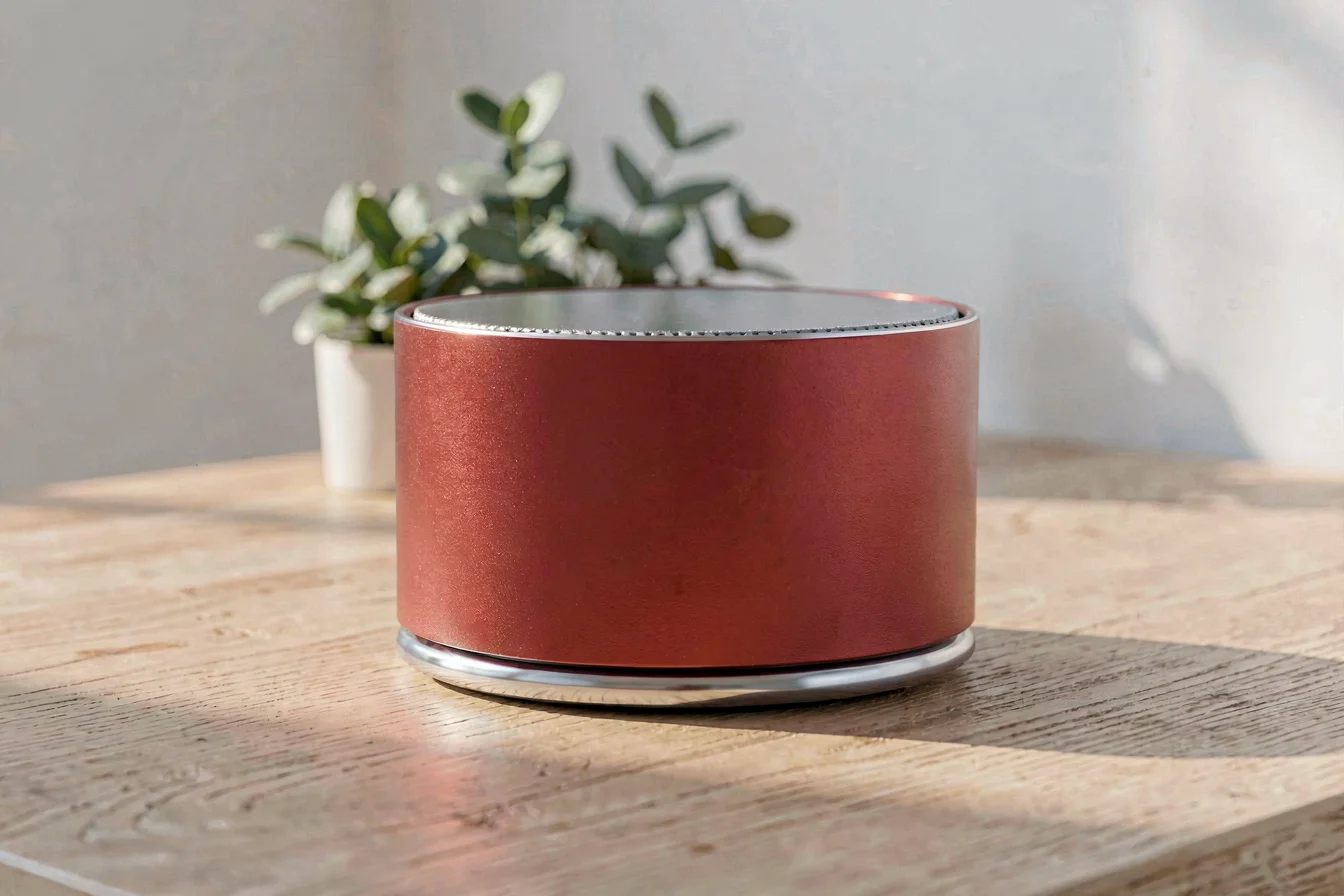
Smart speakers dominate mainstream procurement due to their seamless integration, voice control, and multi-room audio capabilities, making them the practical choice for most buyers seeking immediate ROI and scalability. Digital speaker technology, while promising for audiophiles with its precision and efficiency, remains experimental and niche, with limited commercial availability and higher entry barriers. The decision hinges on your need for advanced audio quality versus smart home ecosystem compatibility and ease of use.
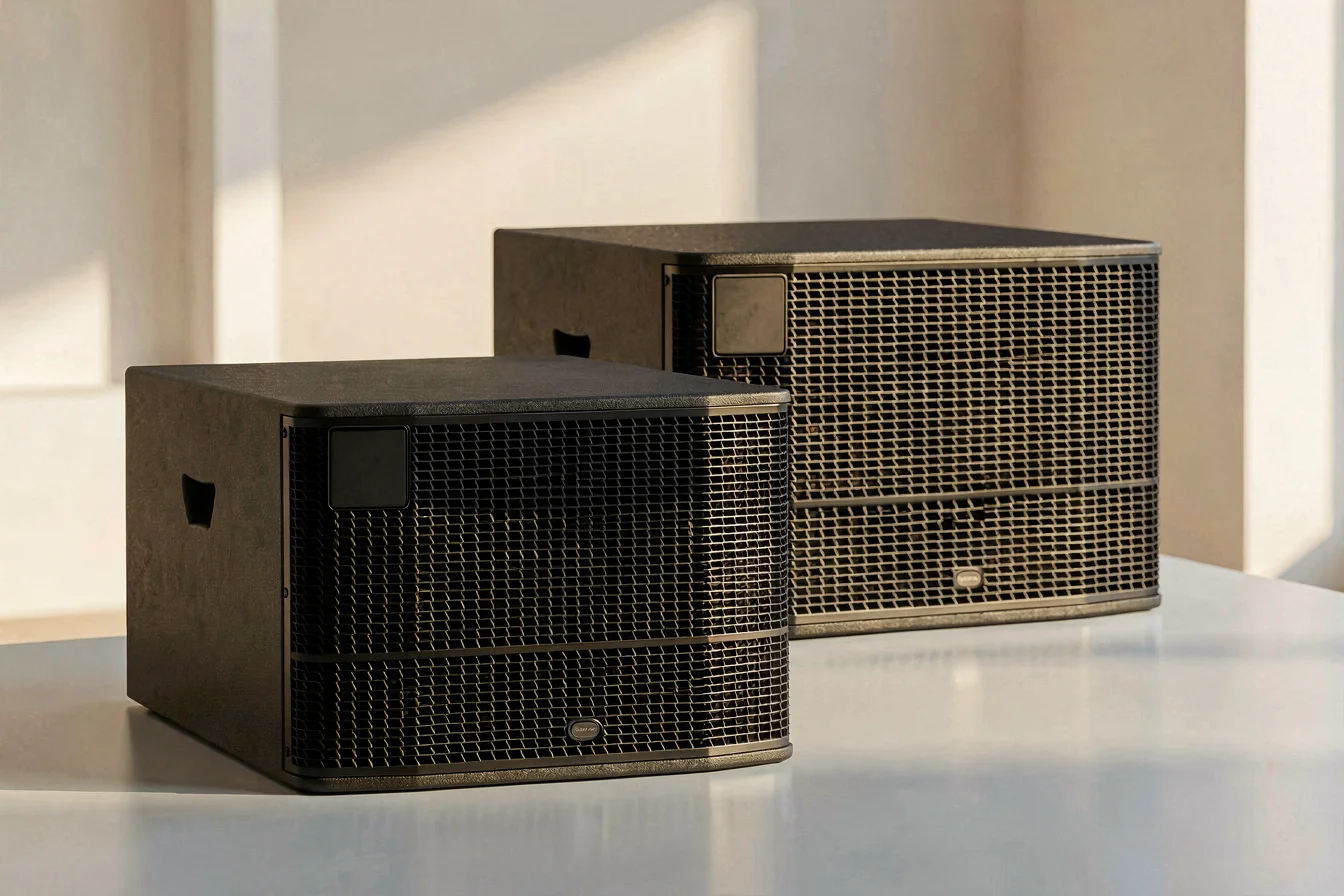
Digital speaker technology is rooted in direct digital-to-acoustic conversion using binary-actuated arrays of micro transducers, offering ultra-low distortion, high amplifier efficiency, and scalable integration for compact devices. This makes them ideal for specialized, high-fidelity applications but currently limited by commercialization and technical complexity. In contrast, smart speaker is a mainstream product integrating voice assistants (Alexa, Google Assistant, Siri), multi-room audio, and IoT control, appealing to both home and business buyers seeking convenience and ecosystem integration.
Smart speakers solve pain points like hands-free control, multi-account support, and seamless music streaming, while digital speakers address the need for precision audio, minimal heat dissipation, and future-proof scalability. Innovations in digital speakers include CMOS-MEMS fabrication, binary speaker arrays, and advanced shutter gates for improved low-frequency performance, but these remain largely theoretical or in lab stages.
| Feature | Digital Speaker | Smart Speaker |
|---|---|---|
| Audio Quality | Ultra-low distortion (<7 ppm), scalable arrays | Good-to-excellent, depends on model |
| Integration | Limited, mostly for niche devices | Full smart home, multi-room, voice assistant |
| Amplifier Efficiency | Binary operation, minimal power/heat | Standard, moderate efficiency |
| Commercial Availability | Experimental, rare | Widely available, mass-market |
| Use Case | Audiophile, specialized, R&D | Home, office, retail, hospitality |
Digital speakers excel in precision audio and efficiency, but smart speakers are the pragmatic, scalable solution for most buyers.
Durability for digital speaker is theoretically high due to binary actuation and minimal moving parts, but real-world data is sparse as commercial products are rare. Smart speakers, by contrast, have proven reliability across brands like Sonos, Amazon, and Google, with typical lifespans of 3–5 years and robust support for updates and repairs.
Applications: Digital speakers are ideal for labs, R&D, and ultra-high-fidelity settings, while smart speakers are suited for homes, offices, retail, and hospitality—where voice control, multi-room audio, and IoT integration are priorities.
Long-term cost outlook: Digital speakers require upfront investment and specialized maintenance, with uncertain replacement cycles due to limited supply. Smart speakers incur lower upfront costs ($50–$300), moderate maintenance, and regular software updates. Hidden costs include ecosystem lock-in and potential privacy concerns.
| Cost Factor | Digital Speaker | Smart Speaker |
|---|---|---|
| Initial Purchase Price | High, niche (not widely available) | $50–$300 retail |
| Maintenance | Specialized, rare | Standard, moderate |
| Replacement Frequency | Uncertain, limited supply | 3–5 years |
| Hidden Costs | Integration, customization | Ecosystem lock-in, privacy |
| 5-Year Total Cost | High, uncertain | Moderate, predictable |
Smart speakers deliver predictable, scalable ROI, while digital speakers require upfront investment and niche maintenance.
The audio speaker category is driven by the dual demand for high-quality sound and smart home integration. Digital speaker technology addresses specialized needs for precision and efficiency, while smart speaker is the mainstream solution for convenience, voice control, and ecosystem compatibility.
Smart speakers dominate mainstream and commercial applications, while digital speakers are best for niche, high-fidelity, or research contexts.
Google Trends data from March 2025 to March 2026 shows rising interest in both digital speaker and smart speaker , with digital speakers surging in late 2025 and early 2026, but smart speakers maintaining higher, steadier search volume and momentum.
Search Interest over Time
Smart speakers show consistent demand, while digital speakers spike but lack sustained commercial traction.
Reddit and TikTok discussions highlight distinct user experiences. Smart speakers are praised for convenience and multi-room control, but criticized for privacy, reliability, and account management issues. Digital speakers are rarely discussed, but referenced in academic and audio engineering contexts as promising but not yet mainstream.
Case Study 1: Smart Speaker in a Shared Household
A Reddit user describes frustration with Alexa’s inability to handle multiple Spotify accounts, but appreciates the built-in clock and convenience for timers and reminders. They migrated to Sonos for smoother multi-account setup, but found it expensive and lacked essential features like a clock. Community consensus: “The answer is Sonos so you're on the right track... It's just expensive... so just replace and migrate as you can when you can.”
"Alexa refuses to accept that two humans might want to play music independently in the same household. It only ever works for one of us at a time." [6]
Case Study 2: Digital Speaker for High-Fidelity Needs
On Reddit, a user discusses digital piano setups, weighing powered monitors against passive speakers, but notes digital audio stimulation is problematic for hyperacusis. Digital speakers are referenced for their potential precision but remain an aspirational, not yet practical solution.
"It's been 16 months with one setback and I'm going crazy without any digital noise stimulation... I can't use any digital sources like speakers etc, I get instant pain from it." [12]
| Dimension | Digital Speaker | Smart Speaker |
|---|---|---|
| Overall Satisfaction | Niche, aspirational | High, mainstream |
| Most Praised Feature | Precision audio, low distortion | Voice control, multi-room |
| Most Common Complaint | Rare, mostly theoretical | Privacy, reliability, account management |
| Community Recommendation Rate | Low | High |
Viral themes: Privacy concerns, smart home integration, multi-account chaos, and the aspirational promise of future audio tech. TikTok and Reddit highlight debates about voice assistant reliability, ecosystem lock-in, and the future of high-fidelity audio.
Smart speakers win for mainstream adoption, while digital speakers remain a niche aspiration for audiophiles.
Buyers must clarify their core needs before purchasing. Key questions:
| Tier | Recommended Product | Key Reason |
|---|---|---|
| Budget-Friendly | Smart Speaker | Low cost, easy integration |
| Mid-Range | Smart Speaker | Multi-room, voice control, scalable |
| Premium | Digital Speaker | Precision, low distortion, niche use |
Optimization tips: Buy smart speakers during seasonal sales for best deals; prioritize models with strong privacy controls; bundle smart speakers for multi-room setups. Avoid common mistakes: overpaying for digital speakers due to limited supply; neglecting ecosystem compatibility; ignoring maintenance requirements.
Smart speakers are the best choice for most buyers, while digital speakers should only be considered for specialized, high-fidelity applications.
The audio speaker market is evolving rapidly, with smart speakers maintaining dominant momentum and digital speakers offering aspirational, high-fidelity potential. For the next 6–12 months, expect continued growth in smart speaker integration, voice assistant reliability, and multi-room audio solutions. Digital speaker research will likely advance, but commercialization remains uncertain.
Smart speakers are the pragmatic, scalable choice for mainstream and commercial buyers, while digital speakers represent a niche, high-fidelity future for specialized applications.
Call-to-action: Share your experiences with smart and digital speakers to help shape the next generation of audio solutions. Commercial buyers should source smart speakers via Alibaba.com for scalable procurement and ecosystem compatibility, while audiophiles and researchers can monitor digital speaker advancements for future integration.