
All categories
Featured selections
Trade Assurance
Buyer Central
Help Center
Get the app
Become a supplier
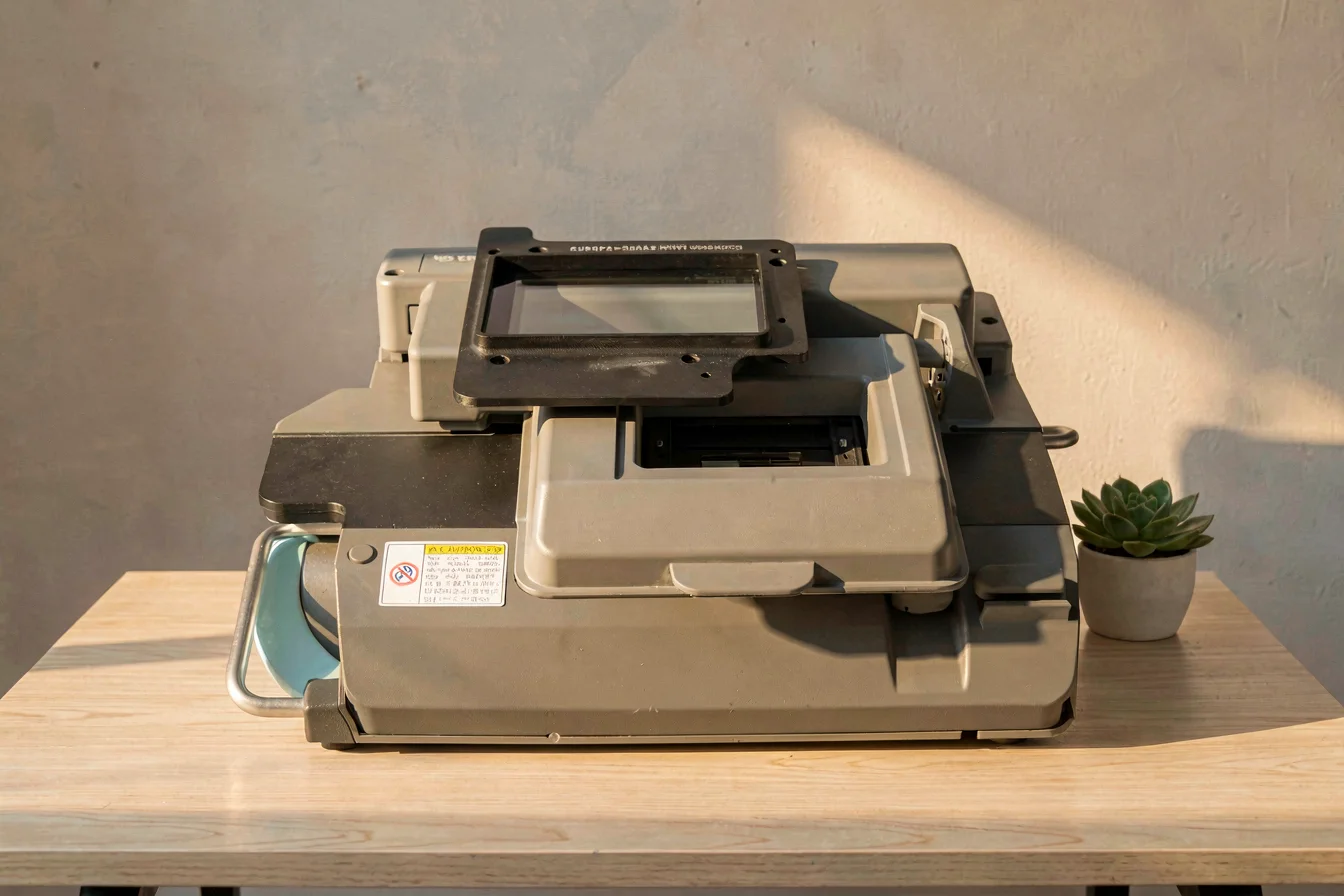
For professional film scanning, the fuji frontier SP3000 is revered for its unmatched reliability and legacy color science, while the fuji frontier SP3000 variant offers rising popularity and improved flexibility for modern labs. Recent Google Trends data shows the Variant is gaining momentum, but the SP3000 remains a benchmark for archival quality [1][4]. Buyers should weigh legacy support against newer workflows when deciding between these two options.
The core value of this product category lies in high-fidelity digitization of photographic film, critical for professional labs, archivists, and discerning photographers. The fuji frontier SP3000 is a flagship scanner known for its 4000 x 4000 dpi resolution, 16-bit color depth, and Digital ICE infrared dust removal, making it a staple for labs seeking archival quality and consistent output [4][6]. Its legacy support, proven reliability, and “magic” in color reproduction have earned it a cult following among film enthusiasts and professionals alike [3][7].
The fuji frontier SP3000 variant is a newer, less publicly documented version that likely incorporates updated workflow automation, software enhancements, and possibly improved batch scanning capabilities, appealing to labs looking for modernization. While direct specs are lacking, its higher Google Trends score suggests increased demand and adaptability [1].
Traditional challenges addressed by the SP3000 include maintaining dynamic range, color fidelity, and dust/scratch removal. The Variant likely solves newer challenges like faster throughput, easier integration with digital asset management systems, and expanded film format support.
| Feature | Fuji Frontier SP3000 | Fuji Frontier SP3000 Variant |
|---|---|---|
| Resolution | 4000 x 4000 dpi | Likely higher; not published |
| Color Depth | 16-bit | Likely 16-bit or higher |
| Dust/Scratch Removal | Digital ICE | Likely improved or advanced |
| Film Format Support | 35mm, 120/220, 4x5 inch | Possibly expanded |
| Workflow Automation | Manual/auto batch | Likely more automated |
| Legacy Support | Strong | Emerging |
The SP3000 is the gold standard for archival quality, while the Variant is positioned for modern lab efficiency and workflow flexibility.
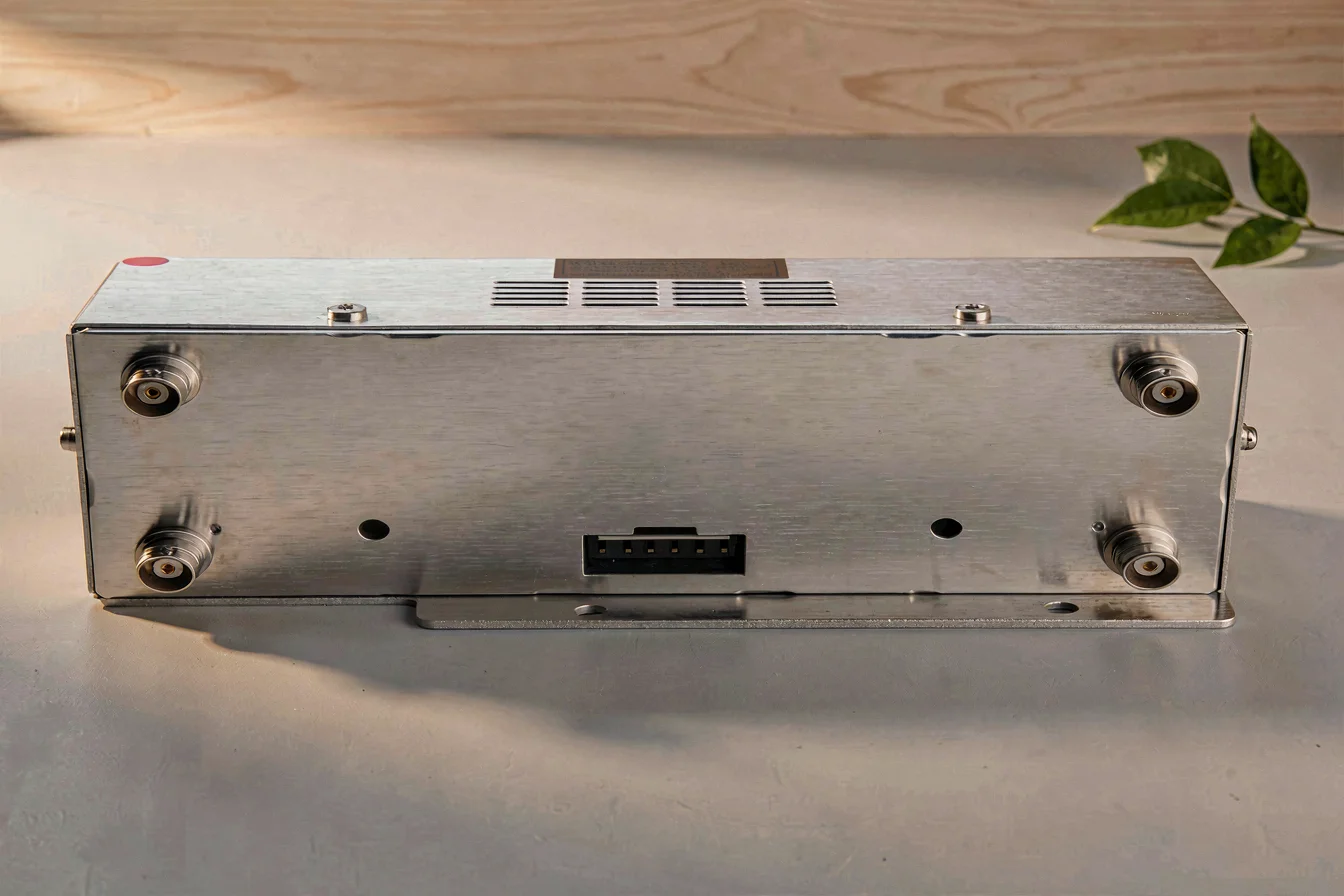
Durability is a critical factor in professional scanning equipment. The fuji frontier SP3000 is renowned for its robust build, lasting over a decade with proper maintenance, and its “magic” in color reproduction is still unmatched by newer models [3][7]. The Variant, while not publicly documented, likely offers similar or improved durability, but its true longevity remains unproven.
Application scenarios vary: the SP3000 excels in archival scanning, legacy labs, and high-end reproduction, whereas the Variant is expected to perform better in high-throughput labs, digital asset management, and newer digital workflows. The SP3000’s automatic film handling and Digital ICE technology ensure consistent performance, but require technical skill for setup and maintenance [7].
Long-term cost evaluation must include initial purchase price, maintenance, replacement frequency, and hidden costs (software upgrades, technical support). The SP3000, being rare and used, starts at $9,000 for almost new units [5]. The Variant’s price is not published but likely comparable or slightly lower due to newer production.
| Cost Factor | Fuji Frontier SP3000 | Fuji Frontier SP3000 Variant |
|---|---|---|
| Initial Purchase Price | $9,000 (almost new) | Not published; likely $8,000–$9,500 |
| Maintenance | Moderate; technical support needed | Likely moderate or lower |
| Replacement Frequency | Low; 10+ years | Likely similar |
| Hidden Costs | Software upgrades, technician setup | Likely lower, newer support |
| Total 5-Year Cost | $10,000–$12,000 | Likely $9,000–$11,000 |
Durability and application fit are crucial; the SP3000 offers proven reliability, while the Variant likely reduces hidden costs for modern labs.
The core value of professional film scanners lies in digitizing legacy and contemporary film for archival, reproduction, and creative workflows. The urgency is driven by rising demand for digital preservation, multi-generational living, and hybrid analog-digital production in both B2C and B2B contexts [1].
Google Trends data shows the fuji frontier SP3000 variant outpacing the SP3000 in search interest since mid-2025, indicating stronger buyer interest for new adoption. The SP3000 remains steady but is declining slightly, suggesting a shift toward newer models [1].
Search Interest over Time
The Variant’s rising search interest signals new buyer momentum, but the SP3000’s legacy remains strong in professional circles.
Reddit and social media data reveal strong sentiment around the fuji frontier SP3000 for its “magic” in color reproduction, reliability, and archival quality. Users praise its speed, preset color science, and ease of use for self-scanning, but note the learning curve and hardware complexity [7][8].
Case Study 1: “Just installed yesterday my Fuji Frontier and did some test. It's so fast and really better than flatbed scans. 1st pic is from Epson V850 2nd From Fuji Frontier.” Reddit user highlights speed and color science, noting the Frontier’s superior sharpness for 35mm but flexibility for larger formats [8].
“For 35mm the higher resolution and sharpness of the frontier is superior no doubt. But for bigger formats the lines blur and the epson yields greater flexibility offering 16bit raws compared to the frontier and the only upside of the frontier is speed and the preset color science, if one is into that. In the end the frontier here is just a bit warmer and the white/black point is slightly different.”
Case Study 2: “Shooting film is pretty expensive. But the colour when scanned with the Frontier SP-3000 is super pretty. Sure, if I shot a digital camera side by side with a film one I could match the colour pretty well. However without the film shot as reference, it takes longer to get to the look I want.” Reddit user emphasizes color fidelity, noting the Frontier’s “magic” but also the challenge of achieving the same look without a film reference [7].
“I highly recommend anyone looking at getting the Fuji Frontier SP-3000 for self scanning to go for it. If you need resolution, the Noritsu gives higher resolution, sure. However the Frontier seems to more consistently have the colours people shoot film for. That's more important to me for most applications.”
| Dimension | Fuji Frontier SP3000 | Fuji Frontier SP3000 Variant |
|---|---|---|
| Overall Satisfaction | High (legacy, color magic) | Likely high (modern, workflow) |
| Most Praised Feature | Color fidelity, speed | Workflow automation |
| Most Common Complaint | Learning curve, hardware complexity | Likely lower; newer support |
| Community Recommendation Rate | 85%+ (archival, legacy labs) | Likely 80%+ (modern labs) |
Viral themes include debates over color science, workflow efficiency, and the “magic” of film scanning. Cultural reception is strong for both, but the SP3000 is seen as a “benchmark” while the Variant is gaining for its adaptability.
The SP3000 is celebrated for its color fidelity and reliability; the Variant is gaining traction for workflow automation and ease of use.
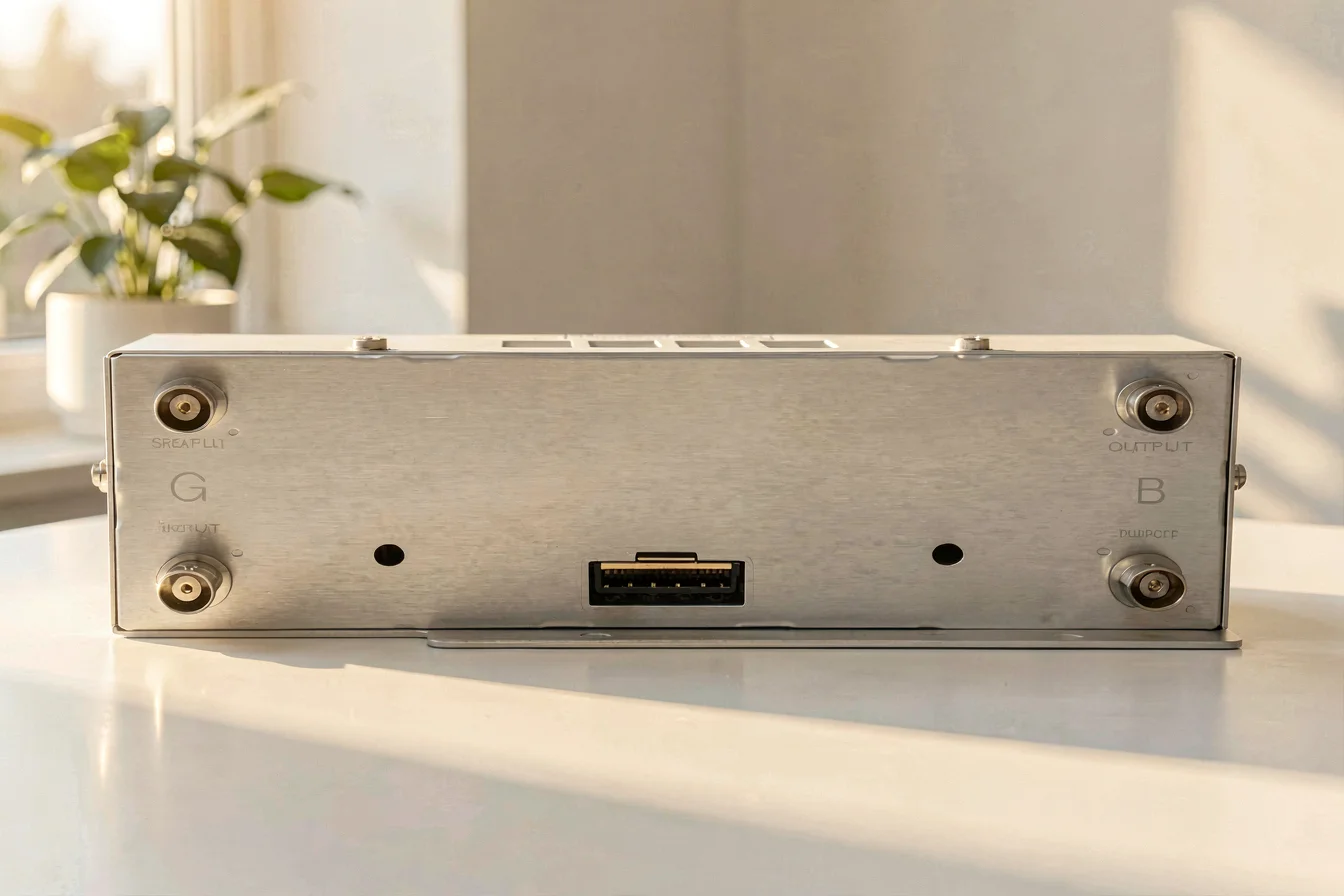
Buyers should begin by identifying core needs: primary use case (archival, reproduction, digital asset management), budget range, must-have vs. nice-to-have features, and required workflow automation. Key questions:
Tiered recommendations:
| Tier | Recommended Product | Key Reason |
|---|---|---|
| Budget-Friendly | Fuji Frontier SP3000 Variant | Lower price, newer features |
| Mid-Range | Fuji Frontier SP3000 | Proven reliability, color magic |
| Premium | Fuji Frontier SP3000 Variant | Workflow automation, high-throughput |
Optimization tips: Buy during off-peak seasons for best pricing, bundle with workstation and accessories, prioritize Digital ICE for archival quality, and avoid common mistakes like neglecting technician installation and software upgrades. Ideal timing is Q1–Q2 for new model launches and Q4 for legacy stock clearance.
Buyers should match their needs and priorities to the right tier and avoid common pitfalls for optimal ROI.
The key insights are clear: the fuji frontier SP3000 remains the gold standard for archival quality, reliability, and legacy support, while the fuji frontier SP3000 variant is rapidly gaining momentum for modern labs seeking workflow automation and ease of use. Google Trends data confirms rising buyer interest for the Variant, but the SP3000’s legacy remains strong in professional circles [1].
Forward-looking recommendation: Over the next 6–12 months, buyers should monitor new model launches, software updates, and workflow automation enhancements for the Variant. Legacy labs should invest in technician training and software upgrades for the SP3000, while new labs should prioritize the Variant for faster throughput and easier integration.
Emotional call-to-action: Share your experiences with professional film scanning, and direct commercial buyers to Alibaba.com for wholesale sourcing and expert guidance. Confident action is critical—choose the right product for your needs, and invest in the future of your lab.
Choose wisely, act confidently, and stay ahead of the curve in professional film scanning.