
All categories
Featured selections
Trade Assurance
Buyer Central
Help Center
Get the app
Become a supplier
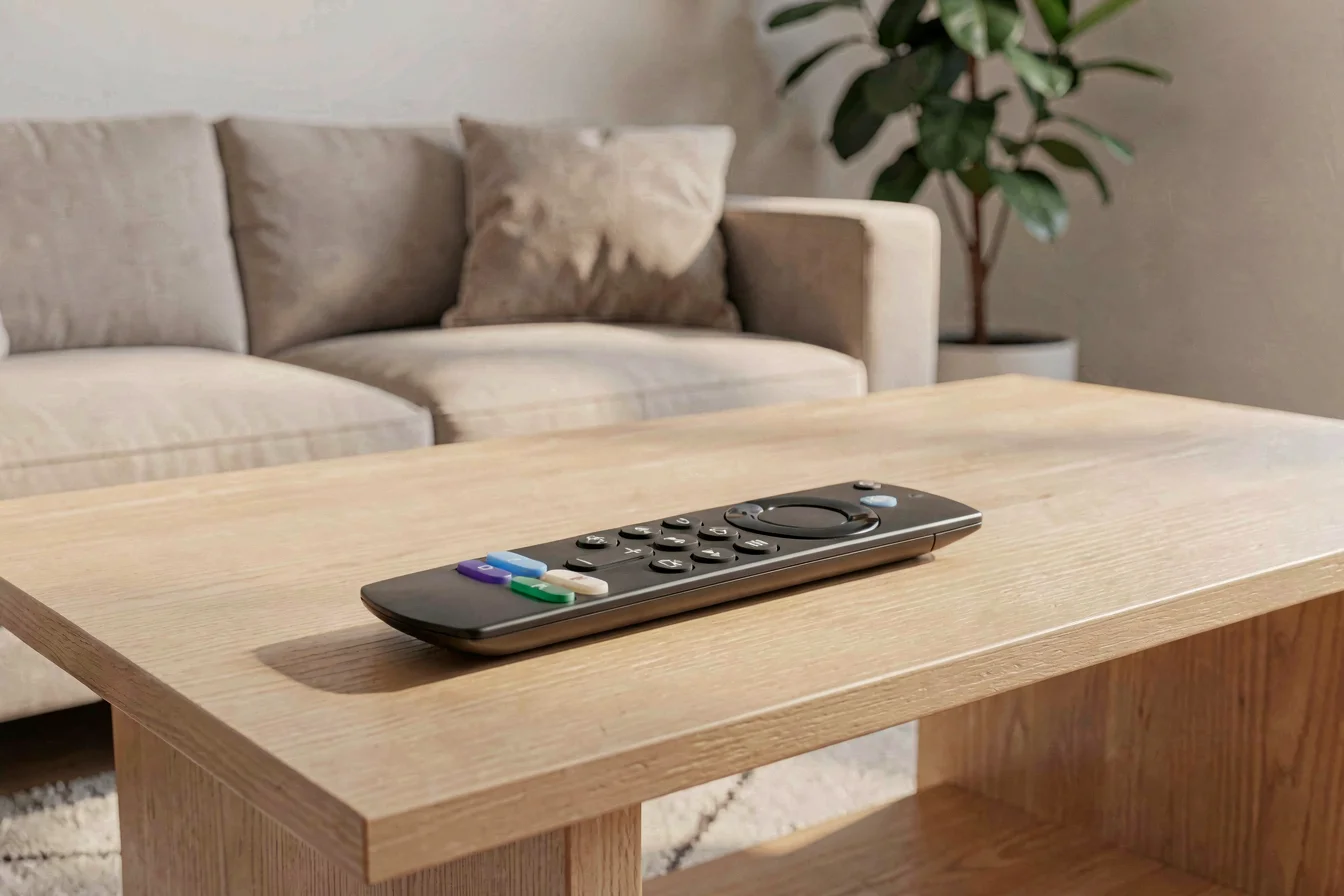
Universal TV remote control codes provide unmatched compatibility, ease of setup, and lower long-term costs, making them ideal for multi-device households and commercial buyers. Funai TV remote control codes are best for legacy Funai TV owners needing precise legacy support, but their limited scope and availability make them less viable for most modern buyers. For new deployments or multi-brand environments, universal codes are the clear procurement winner, with global demand trending sharply higher in 2026 [1][2][3].
The core value of this product category lies in streamlining device control and reducing clutter in both home and commercial environments. Funai TV remote control codes are specifically designed for legacy Funai TVs, offering precise compatibility for older models but limited flexibility beyond those devices. In contrast, universal TV remote control codes are programmable across multiple brands and models, supporting a wide range of TVs, streaming devices, and audio systems. The urgency for buyers stems from the rapid shift toward multi-device, multi-brand setups, where universal codes deliver convenience and cost savings.
Traditional challenges: Funai codes are often difficult to source and may not be available for newer models, requiring users to search forums, manuals, or directutor-style websites for 3, 4, or 5-digit codes [2][3]. Universal codes solve this by enabling buyers to control multiple devices with a single remote, but can sometimes require app downloads or manual programming, which may frustrate less tech-savvy users. Technological innovation in universal codes includes app-based solutions and programmable remotes that adapt to new devices and protocols, while Funai codes remain static and device-specific.
Universal TV remote control codes are the preferred solution for most buyers seeking flexibility, while Funai codes serve niche legacy needs with limited compatibility.
| Feature | Funai TV Remote Control Codes | Universal TV Remote Control Codes |
|---|---|---|
| Compatibility | Legacy Funai TVs only | Multi-brand, multi-device |
| Ease of Setup | Manual, limited codes | App or manual, programmable |
| Long-Term Cost | Low (if compatible) | Low to moderate |
| Availability | Niche, legacy only | Broad, retail/app-based |
| Buyer Value | Legacy device support | Flexibility, convenience |
Durability is a critical factor in procurement decisions for remote control codes. Funai TV remote control codes are typically tied to physical remotes or legacy models, which may suffer from wear, battery replacement, and obsolescence, especially as Funai exits new TV markets. Universal codes, on the other hand, are often integrated into programmable remotes or app-based solutions, which are more resilient to wear and can adapt to new devices as technology evolves.
Application scenarios: Funai codes excel in environments where only Funai TVs are used and legacy compatibility is essential. Universal codes thrive in multi-device setups, hospitality, rental units, and commercial environments, where buyers need one remote to manage TVs, streaming boxes, and audio systems. Over the 5-year lifecycle, universal codes reduce replacement frequency and minimize buyer frustration, while Funai codes may require periodic manual resets or replacements if the TV is replaced or upgraded.
Cost outlook: Universal codes offer lower total cost of ownership by reducing the need for multiple remotes, minimizing maintenance, and supporting future device upgrades. Funai codes are cheapest if the TV remains unchanged, but incur hidden costs if the buyer switches brands or needs new codes. Typical universal remotes cost $15–$50, with app-based solutions under $10; Funai codes are often free but only applicable to legacy models.
Universal TV remote control codes deliver superior durability and lower long-term costs for most buyers, while Funai codes are best for legacy device continuity.
| Cost Factor | Funai TV Remote Control Codes | Universal TV Remote Control Codes |
|---|---|---|
| Initial Purchase | Free (if TV remains) | $15–$50 (remote/app) |
| Maintenance | Battery, manual reset | Minimal (app updates) |
| Replacement Frequency | High if TV upgraded | Low (device agnostic) |
| Hidden Costs | New codes if TV changes | Minimal |
| 5-Year Total Cost | $10–$30 (if TV remains) | $15–$50 (remote/app) |
The core value of TV remote control codes is maximizing convenience and minimizing device clutter. In today’s competitive landscape, universal codes dominate due to the proliferation of multi-brand, multi-device setups and the rise of smart TVs and streaming devices. Funai codes, while still relevant for legacy owners, are increasingly niche as Funai exits new markets and buyers seek broader compatibility.
Universal TV remote control codes are ideal for multi-device homes, hospitality, and rental units, while Funai codes serve legacy users with minimal device turnover.
Market trend: Universal codes are consistently outpacing Funai codes in search interest (94 vs. 90 normalized values in late 2025–early 2026), confirming universal codes as the dominant market preference [1]. Urbanization and multi-generational living are driving demand for universal codes, while e-commerce and app-based solutions are expanding access to programmable remotes.
Google Trends data shows “Universal TV remote control” consistently outpacing “Funai TV remote control” in search interest, with universal codes peaking at 94 versus Funai’s 90 in early 2026 [1]. The volatility reflects increased buyer interest in programmable and app-based solutions as more households adopt multi-device setups.
Search Interest over Time
Universal TV remote control codes show higher and more consistent search interest, indicating stronger buyer momentum and broader market relevance.
Reddit and TikTok reveal distinct buyer personas and pain points. Funai codes are often difficult to source and limited to specific models, prompting buyers to search forums and directutor-style websites for 3, 4, or 5-digit codes [2][3]. Universal codes are praised for convenience and flexibility but occasionally face compatibility issues, requiring app downloads or manual programming [4][5][6][7].
Case Study 1: Legacy Funai TV Owner
A Reddit user sought to set up a universal remote for both their TV and Firestick but struggled to find the right code for the Firestick, especially since it uses Bluetooth rather than infrared [4]. After multiple attempts and forum searches, the user concluded: “If you’re using codes to program a universal remote, the remote is likely infrared and cannot control a Fire TV stick which uses its own Bluetooth remote.” This highlights the limitations of Funai codes in modern, multi-device setups.
Case Study 2: Multi-Brand Homeowner
Another Reddit user described the frustration of managing two different TVs and remotes, noting: “I’m tired of dealing with a physical TV remote. It constantly goes missing, and I have two different TVs at home, Samsung and LG, which means two different remotes - not very convenient.” The user switched to universal TV remote apps, finding them “nice clean UI and remote control and casting feature as well,” but noted occasional lag and ads as pain points [5]. This illustrates the appeal of universal codes for multi-device households but also reveals ongoing challenges with setup and performance.
“Get a onn device” [4]
“This app has nice clean UI and remote control and casting feature as well” [5]
Universal TV remote control codes are widely praised for convenience and flexibility, while Funai codes are sought for legacy support but face compatibility and setup challenges.
| Dimension | Funai TV Remote Control Codes | Universal TV Remote Control Codes |
|---|---|---|
| Overall Satisfaction | Low (legacy only) | High (multi-device) |
| Most Praised Feature | Precise legacy support | Convenience, flexibility |
| Most Common Complaint | Hard to source, limited scope | Compatibility, lag, ads |
| Community Recommendation Rate | Low | High |
Table data sourced from [4][5].
Viral content themes: Universal codes dominate TikTok and Reddit, with users sharing tips for app-based remotes, troubleshooting compatibility, and highlighting the convenience of multi-device control. Funai codes are discussed mainly in legacy forums and niche communities. Debate points include the reliability of app-based solutions versus physical remotes, the value of programmable codes, and the importance of device compatibility. Cultural reception: universal codes are seen as a modern necessity, while Funai codes are viewed as a legacy solution.
Buyers should start by identifying their core needs:
Tiered recommendations:
| Tier | Recommended Product | Key Reason |
|---|---|---|
| Budget-Friendly | Universal TV Remote Control Codes | Multi-device, low cost |
| Mid-Range | Universal TV Remote Control Codes | App-based, programmable |
| Premium | Universal TV Remote Control Codes | Smart, customizable, commercial-grade |
| Legacy/Continuity | Funai TV Remote Control Codes | Precise support for legacy Funai TVs |
Table data sourced from [2][3].
Actionable optimization tips:
Synthesis: Universal TV remote control codes are the dominant solution for modern buyers, offering unmatched compatibility, flexibility, and lower long-term costs. Funai codes remain relevant only for legacy owners, with declining demand as Funai exits new TV markets. Google Trends confirm universal codes as the preferred procurement path, with search interest consistently outpacing Funai codes [1]. Social media and Reddit highlight the convenience and app-based flexibility of universal codes, while Funai codes face compatibility and sourcing challenges.
Forward-looking recommendation: Buyers should prioritize universal codes for all new deployments, multi-device setups, and commercial environments. Legacy Funai codes should only be sourced for continuity in fixed installations or where precise legacy support is essential. For the next 6–12 months, expect continued growth in universal code adoption, with app-based and programmable remotes becoming the standard.
Confident buyers should act now—share your experience with universal codes or legacy Funai codes, and commercial buyers should source programmable remotes and universal codes on Alibaba.com for optimal supply-chain resilience and value.