
All categories
Featured selections
Trade Assurance
Buyer Central
Help Center
Get the app
Become a supplier
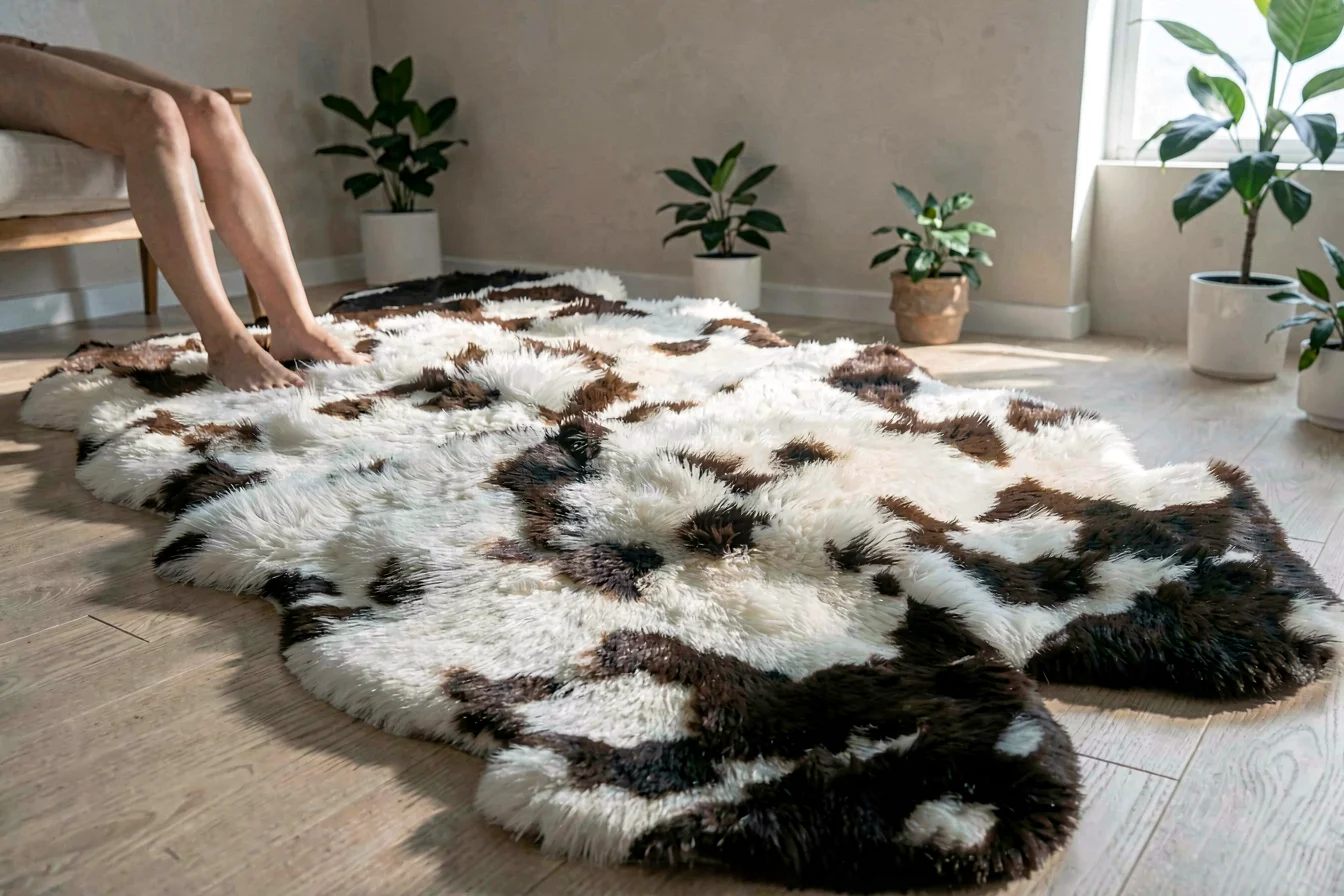
For buyers seeking sustainability, durability, and premium comfort, natural fur rug delivers unmatched insulation, biodegradability, and luxury, but at a higher cost and ethical complexity. Faux fur rug is the preferred choice for budget-conscious, eco-conscious buyers, offering affordability, easy care, and cruelty-free appeal, though with shorter lifespan and environmental drawbacks. The current procurement landscape favors faux fur rug for its rising demand and broad application, but natural fur rug remains a niche, high-value option for luxury and longevity [1][2][5].
The rug market offers two distinct paths: natural fur rug for those prioritizing authenticity, durability, and environmental responsibility, and faux fur rug for buyers seeking affordability, cruelty-free options, and quick decor updates. Natural fur rug typically uses sheepskin, cowhide, or other animal hides, prized for their plushness, insulation, and biodegradability [2][3]. Faux fur rug is crafted from synthetic fibers like polyester and acrylic, mimicking the look and feel of real fur without animal sourcing, and is celebrated for its versatility and low price [4][6].
Traditional challenges addressed by natural fur rug include warmth, softness, and hypoallergenic properties, while faux fur rug solves issues of ethical sourcing, easy maintenance, and budget-friendly decor. Innovations in both categories have led to improved synthetic materials and organic tanning processes, but natural fur rug still outperforms in longevity and insulation [2][5].
| Feature | Natural Fur Rug | Faux Fur Rug |
|---|---|---|
| Material | Animal hide (sheepskin, cowhide) | Synthetic fibers (polyester, acrylic) |
| Durability | 10–20 years | 2–5 years |
| Comfort & Softness | Superior, plush, hypoallergenic | Soft initially, flattens over time |
| Sustainability | Biodegradable, organic | Non-biodegradable, microplastics |
| Price Range | $200–$1,000+ | $50–$250 |
| Ethical Concerns | Animal sourcing, welfare | Cruelty-free, synthetic |
The procurement dilemma hinges on balancing ethical, environmental, and financial priorities, with natural fur rug offering luxury and sustainability at a premium, and faux fur rug providing affordability and ethical sourcing but with environmental trade-offs.
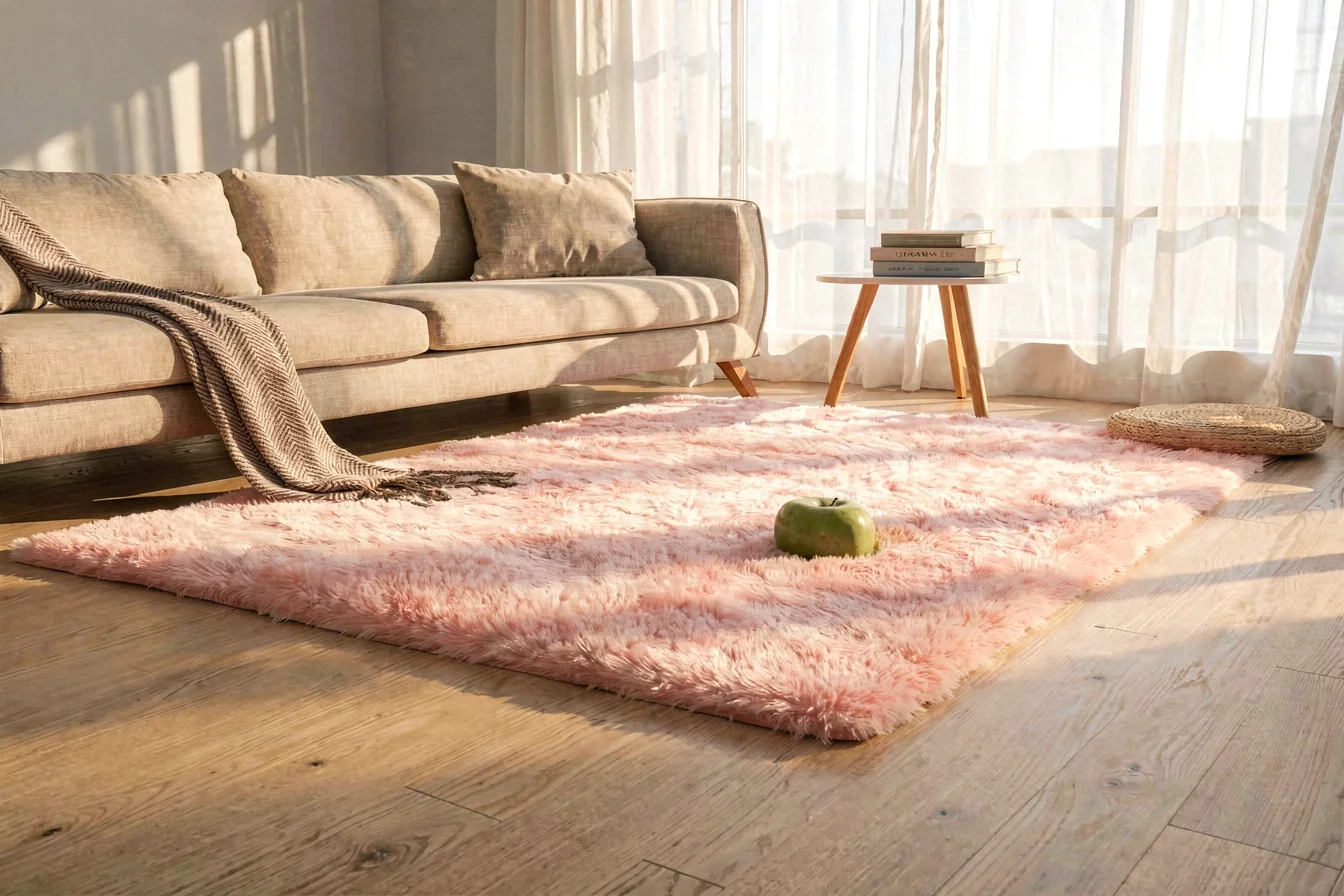
Durability is a central concern in rug procurement: natural fur rug is engineered for longevity, with fibers that retain shape, softness, and insulation for decades, making it ideal for high-traffic areas and climate-sensitive spaces [2][5]. Faux fur rug is prone to flattening, shedding, and losing its plush texture after 2–5 years, requiring more frequent replacement and careful maintenance [5].
Application scenarios vary: natural fur rug excels in living rooms, bedrooms, and luxury settings, offering both comfort and aesthetic appeal. Faux fur rug is popular in rental properties, offices, and budget-focused decor, where frequent updates and easy cleaning are essential [4][6].
Long-term cost outlook reveals stark differences: natural fur rug commands a higher initial price but delivers lower replacement frequency and maintenance costs over 5 years. Faux fur rug is affordable upfront but may incur higher replacement and disposal costs due to shorter lifespan and environmental impact [2][5].
| Cost Factor | Natural Fur Rug | Faux Fur Rug |
|---|---|---|
| Initial Purchase Price | $200–$1,000+ | $50–$250 |
| Maintenance Cost | Low (vacuuming, brushing) | Moderate (spot cleaning, vacuuming) |
| Replacement Frequency | Once per decade | Every 2–5 years |
| Environmental Impact | Biodegradable, low impact | Non-biodegradable, microplastics |
| Hidden Costs | None | Disposal, replacement |
Durability and long-term cost favor natural fur rug for high-value, low-replacement settings, while faux fur rug suits budget-conscious buyers willing to replace more frequently.
The rug market is evolving rapidly, with natural fur rug maintaining a strong presence in luxury and eco-conscious segments, and faux fur rug capturing mainstream appeal due to affordability and decor flexibility. Google Trends shows rising interest in faux fur rugs, especially since mid-2025, while natural fur rugs remain steady but niche [1].
Google Trends reveals a sharp rise in interest for faux fur rugs, peaking in December 2025 and January 2026, while natural fur rugs maintain steady but lower search volume [1]. This aligns with broader consumer shifts toward sustainability and affordability, as well as decor trends favoring quick updates and cruelty-free options.
Search Interest over Time
Rising search interest for faux fur rug signals a shift toward affordable, eco-friendly decor, while natural fur rug remains a stable, premium option for luxury and sustainability.
Case Study 1: Luxury Buyer (Reddit, r/PlasticFreeLiving)
A buyer seeking a natural rug for a plastic-free home found options ranging from affordable wool to high-end sheepskin, citing ethical sourcing and durability as key priorities. "Easy to find a cotton or jute rug, look on Etsy for shops in India" and "Colonial Mills wool rugs! Very reasonably priced, have natural/undyed options, made in U.S., and have good sales" reflect the demand for authentic, sustainable rugs [7].
Case Study 2: Budget Buyer (Reddit, r/femalelivingspace)
A user searching for a faux fur rug for a themed room praised affordability and decor flexibility but lamented quality loss over time: "Ross store sells them, but this one wasn’t the right length or color...I’m looking for an off white, cream, or tannish rug bc my room is dark." Community feedback highlights frustration with flattening and difficulty finding washable, durable options [8].
"I’m afraid to ask, what got carved" (r/femalelivingspace)
"Hey were you ever able to find the rug, I am looking for one like that too" (r/femalelivingspace)
| Dimension | Natural Fur Rug | Faux Fur Rug |
|---|---|---|
| Overall Satisfaction | High for luxury, moderate for ethics | High for decor, moderate for durability |
| Most Praised Feature | Softness, insulation, biodegradability | Affordability, style, easy care |
| Most Common Complaint | High price, ethical concerns | Flattening, microplastics, environmental impact |
| Community Recommendation Rate | Moderate | High |
Viral themes include decor flexibility, ethical sourcing, and environmental impact. TikTok and YouTube debates focus on authenticity versus affordability, with recurring posts on how to spot real versus faux fur and the importance of sustainability in rug selection [8][13].
Online communities praise natural fur rug for authenticity and comfort but express ethical concerns, while faux fur rug is favored for affordability and decor versatility, with complaints about quality and environmental impact.
Buyers should start by clarifying their priorities: Is the main goal luxury, sustainability, durability, or affordability? Key questions to ask:
Tiered recommendations:
| Tier | Recommended Product | Key Reason |
|---|---|---|
| Budget-Friendly | Faux Fur Rug | Affordable, easy care, cruelty-free |
| Mid-Range | Faux Fur Rug | Versatile decor, frequent updates |
| Premium | Natural Fur Rug | Luxury, durability, sustainability |
Optimization tips:
The best sourcing strategy balances budget, ethical priorities, and long-term value, with tiered recommendations ensuring buyers select the rug that best fits their needs and environment.
Key insights: natural fur rug delivers unmatched comfort, durability, and sustainability but commands a premium price and ethical scrutiny. Faux fur rug is rising in popularity due to affordability, decor flexibility, and eco-conscious trends, but faces criticism for environmental impact and quality loss over time [1][2][5].
Forward-looking trends: Expect continued growth in faux fur rug demand, driven by decor trends and sustainability shifts, while natural fur rug remains a niche but high-value option for luxury and longevity. Buyers should prioritize ethical sourcing, certifications, and durability when selecting either rug type.
Confident buyers should act now—share your rug experiences and insights, and commercial buyers should explore wholesale platforms like Alibaba.com for premium, certified options. The rug market is evolving: choose wisely, invest in sustainability, and maximize value for your space.