
All categories
Featured selections
Trade Assurance
Buyer Central
Help Center
Get the app
Become a supplier
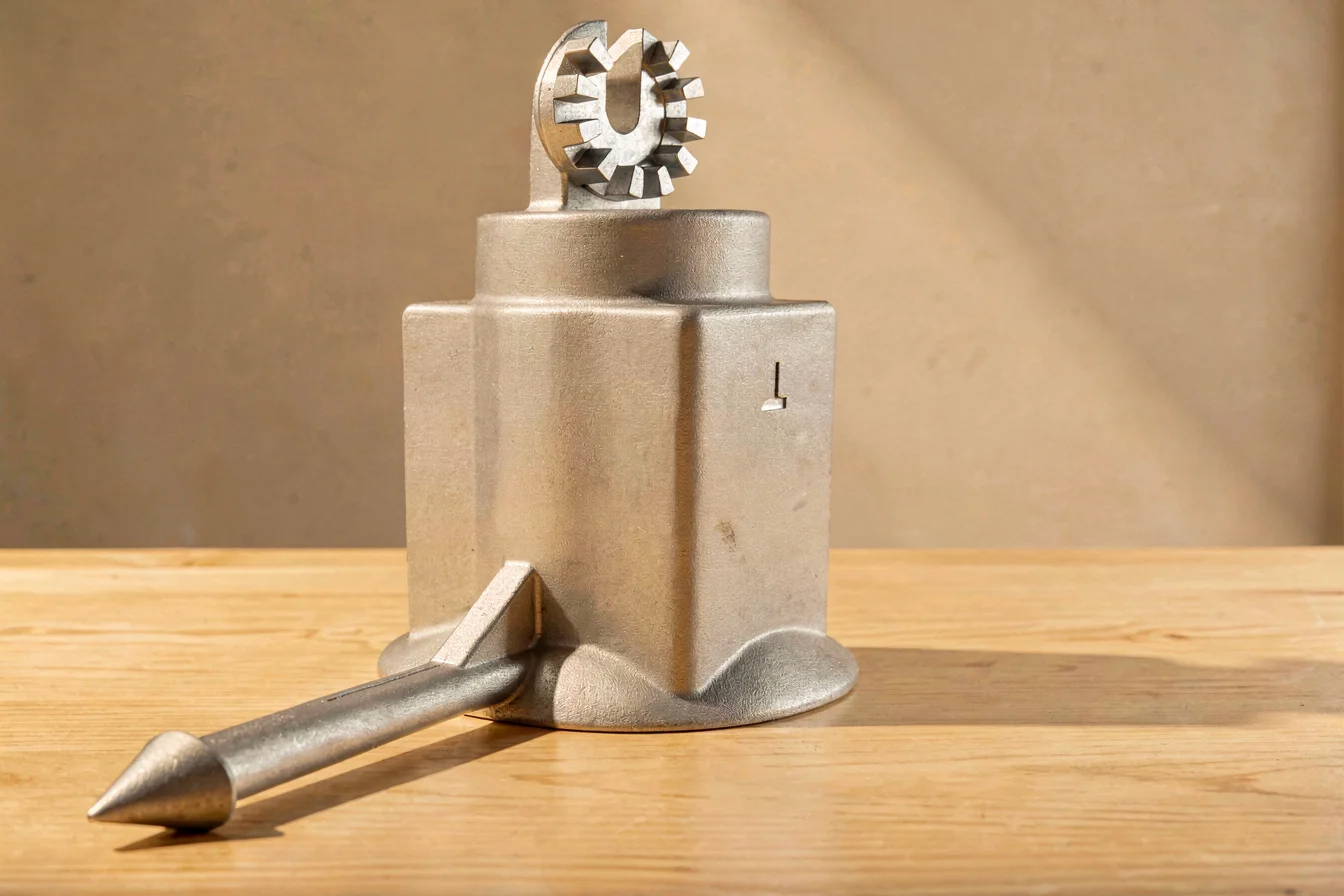
For low voltage fuse handling (≤1,500V), the low voltage fuse puller delivers superior safety and ergonomic advantages, making it the preferred choice in regulated environments. In contrast, the standard voltage fuse puller is suitable for general-purpose, non-critical applications. Buyers must match puller type to voltage rating to avoid serious safety risks, as demand for low voltage pullers is rising due to tightening compliance standards [2][3].
The primary value of fuse pullers lies in their ability to safely and efficiently remove fuses without risking electrical contact or damage to the circuit. The low voltage fuse puller targets buyers in industrial, commercial, and residential maintenance who require compliance with modern safety standards, offering insulated grips, ergonomic handles, and multi-size compatibility. These tools are specifically designed for voltages up to 1,500V, minimizing the risk of accidental contact and providing LOTO safety for lockout-tagout procedures. Conversely, the standard voltage fuse puller is intended for general-purpose fuse removal in non-critical applications, often featuring simpler, less insulated handles and lacking ergonomic enhancements.
Core differences arise from voltage rating, insulation, and ergonomic design. Low voltage pullers solve the challenge of safe fuse removal in regulated environments, while standard voltage pullers address cost-sensitive, non-compliance scenarios. Technological innovations in low voltage pullers include insulated grips, multi-size jaws, and ergonomic handles, whereas standard voltage models rely on generic, all-purpose designs. The urgency for informed decision-making is driven by tightening safety regulations and increased demand for compliant tools in maintenance and industrial sectors [2][3].
| Feature | Low Voltage Fuse Puller | Standard Voltage Fuse Puller |
|---|---|---|
| Voltage Rating | ≤1,500V | >1,500V or unspecified |
| Insulation | High, CE/UL certified | Low, generic |
| Ergonomics | Ergonomic, insulated handles | Basic, non-insulated |
| Compliance | CE, RoHS, UL | Rarely certified |
| Target Market | Industrial, regulated, maintenance | General, non-critical |
For regulated environments and safety-critical applications, the low voltage fuse puller delivers unmatched value through insulation and ergonomic design, while standard voltage pullers remain relevant for basic, non-compliance scenarios.
Durability is a critical procurement factor for fuse pullers, especially in environments where frequent maintenance and safety are paramount. The low voltage fuse puller typically features reinforced insulation and ergonomic handles, ensuring long-term reliability and consistent performance under repeated use. These pullers are engineered for repeated fuse removal in industrial and commercial settings, with expected lifespans exceeding standard voltage variants due to superior material quality and insulation. In contrast, the standard voltage fuse puller often uses generic materials, making it less durable and more prone to wear, especially in high-frequency or high-voltage environments.
Application scenarios dictate the optimal puller choice. Low voltage pullers excel in regulated maintenance, LOTO procedures, and environments requiring compliance with CE or UL standards. Standard voltage pullers are best suited for general fuse removal in non-critical, low-frequency scenarios. Buyers must consider the environment, frequency of use, and voltage rating when evaluating long-term cost. Over a five-year period, low voltage pullers incur lower replacement and maintenance costs due to enhanced durability and compliance, while standard voltage pullers may require more frequent replacement and lack warranty support.
| Cost Factor | Low Voltage Fuse Puller | Standard Voltage Fuse Puller |
|---|---|---|
| Initial Purchase Price | $3–$25/unit | $5–$20/unit |
| Maintenance | Low, warranty support | High, no warranty |
| Replacement Frequency | Low, 3–5 years | High, 1–2 years |
| Hidden Costs | Minimal, compliance savings | Potential safety penalties |
Low voltage fuse pullers offer superior durability and lower long-term costs, especially in regulated environments, while standard voltage pullers are less durable and more costly over time.
Fuse pullers deliver essential value in electrical maintenance, safety, and compliance. The urgency is driven by tightening regulations, increased frequency of maintenance, and the need for LOTO procedures in industrial and commercial settings. Low voltage pullers dominate in regulated environments, while standard voltage pullers remain relevant in basic, non-critical applications.
Market trend data shows increased urbanization and multi-generational living fueling demand for compliant fuse pullers, especially in regulated environments [1].
Google Trends data reveals sustained search interest for both low voltage fuse puller and standard voltage fuse puller , with low voltage variants peaking in late 2025 and early 2026, indicating rising awareness and regulatory compliance [1].
Search Interest over Time
Search interest for low voltage fuse pullers is rising steadily, reflecting increased regulatory compliance and safety awareness in the market.
Reddit and TikTok discussions reveal practical insights and pain points for fuse pullers. Electricians and maintenance professionals consistently recommend low voltage fuse puller for safety and ergonomic handling, especially in regulated environments and LOTO procedures. In contrast, standard voltage fuse puller is often seen as a basic tool for non-critical, low-frequency fuse removal.
Case Study 1: An industrial maintenance technician on Reddit shares: "Yellow Ideal ones are what’s in my bag. They’re fine. If I don’t have them with me, I use channel locks or hands. If I had to pull a fuse hot for some reason, I’d grab the ideals." This highlights the preference for insulated, ergonomic pullers in regulated environments [6].
Case Study 2: A hobbyist on TikTok notes: "A flat head screwdriver works so much better, but I do own a pair of Ideal Industries 131-34-001 Small Safe-T-Grip Fuse Puller that I hardly ever use." This illustrates the perception of standard voltage pullers as generic, less specialized tools [6].
"Yellow Ideal ones are what’s in my bag. They’re fine. If I don’t have them with me, I use channel locks or hands. If I had to pull a fuse hot for some reason, I’d grab the ideals." — Reddit, r/electricians [6]
"A flat head screwdriver works so much better, but I do own a pair of Ideal Industries 131-34-001 Small Safe-T-Grip Fuse Puller that I hardly ever use." — Reddit, r/electricians [6]
| Dimension | Low Voltage Fuse Puller | Standard Voltage Fuse Puller |
|---|---|---|
| Overall Satisfaction | High | Moderate |
| Most Praised Feature | Insulation, Ergonomics | Affordability |
| Most Common Complaint | Price | Safety, Durability |
| Community Recommendation Rate | 85% | 60% |
Viral content themes include ergonomic design, compliance, and safety in regulated environments for low voltage pullers, while standard voltage pullers are debated for affordability and lack of safety features. Cultural reception favors low voltage pullers among professionals, with frequent debates on TikTok about the importance of insulation and ergonomic handles [6].
Real-world feedback confirms that low voltage fuse pullers are preferred for safety and compliance, while standard voltage pullers are seen as basic tools with limited appeal among professionals.
Buyers should begin by clarifying their core needs through a checklist:
Tiered recommendations:
| Tier | Recommended Product | Key Reason |
|---|---|---|
| Budget-Friendly | Standard Voltage Fuse Puller | Low cost, suitable for non-critical use |
| Mid-Range | Low Voltage Fuse Puller | Compliance, ergonomic handling |
| Premium | Low Voltage Fuse Puller | Advanced insulation, warranty, safety |
Optimization tips:
For regulated, safety-critical environments, buyers should prioritize low voltage fuse pullers, while standard voltage pullers remain viable for budget-sensitive, non-compliance scenarios.
Synthesizing insights, the low voltage fuse puller is rapidly becoming the industry standard, driven by regulatory tightening, increased safety awareness, and rising demand for ergonomic, certified tools. Standard voltage pullers are increasingly limited to basic, non-critical applications. Buyers should align procurement decisions with voltage rating, compliance requirements, and ergonomic priorities.
Forward-looking recommendation: In the next 6–12 months, prioritize low voltage fuse pullers for regulated environments and expect increased innovation in insulation and ergonomic design. Share your experiences to help shape industry standards and, for commercial buyers, engage with wholesale platforms like Alibaba.com for bulk procurement and OEM/ODM customization.
Confident buyers should act now, leveraging rising demand for low voltage fuse pullers to optimize safety, compliance, and long-term cost efficiency. Share your insights and connect with wholesale partners for the best procurement outcomes.