
All categories
Featured selections
Trade Assurance
Buyer Central
Help Center
Get the app
Become a supplier
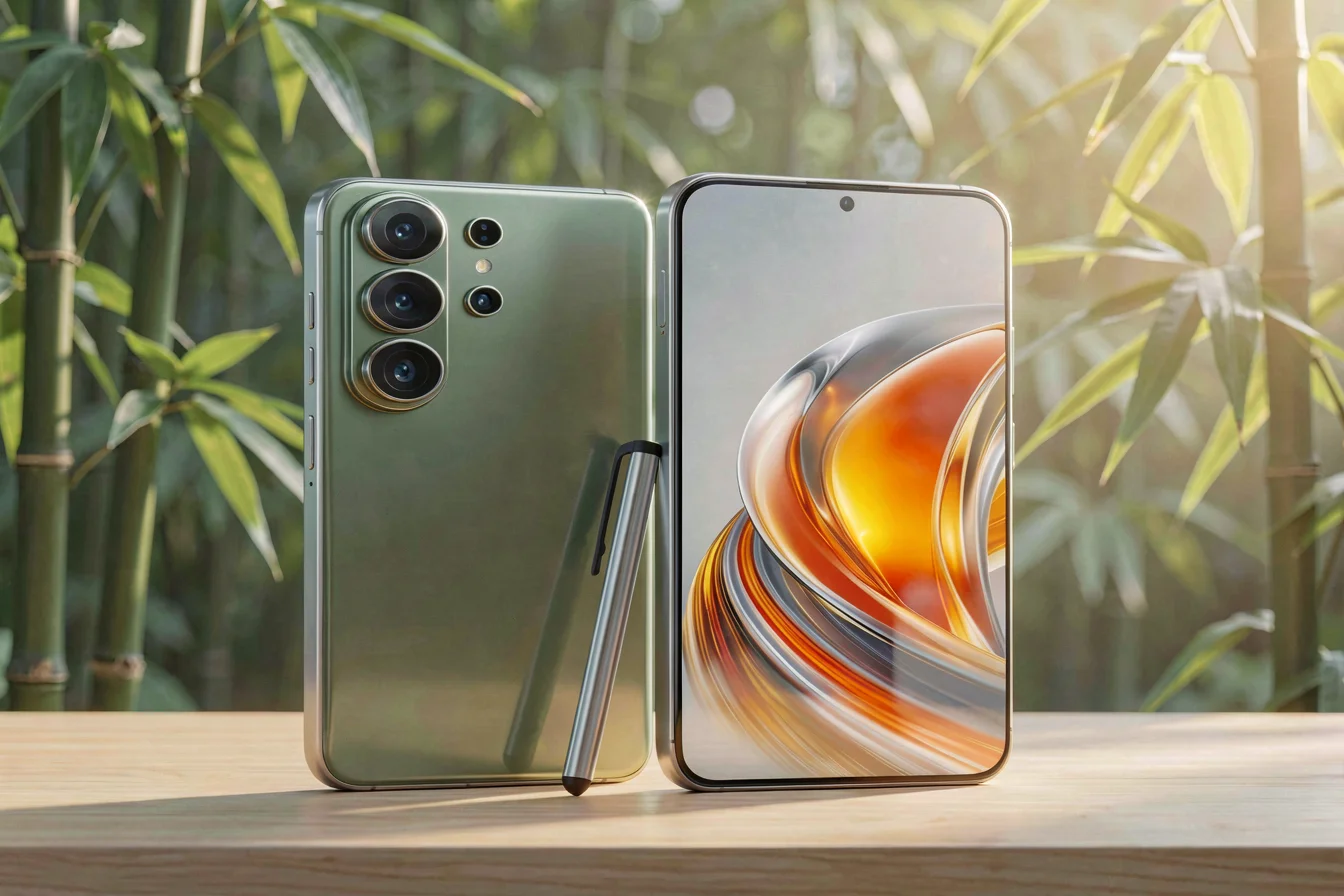
The samsung galaxy note 3 is a legacy device, now obsolete for most business applications, while the broader samsung galaxy note series smartphones offer robust performance, advanced S-Pen features, and extended software support. Procurement logic favors newer Note models for productivity and long-term value, as demand for the Note 3 is minimal and mostly nostalgic. Buyers seeking modern capabilities should prioritize the latest Note series for optimal ROI and supply-chain reliability [4][5].
The samsung galaxy note 3 was a flagship device in 2013, renowned for its large display, S-Pen integration, and early multitasking features. Its primary audience included early adopters and power users, but its limitations—such as outdated hardware, limited RAM, and obsolete software—have rendered it unfit for modern business environments. In contrast, the broader samsung galaxy note series smartphones (e.g., Note 5, 10, 20, Ultra) offer substantial upgrades: higher RAM (8–12 GB), advanced camera systems (50 MP+), larger displays, and multi-year software updates, targeting productivity professionals, creative teams, and enterprise buyers [4][5].
The urgency for buyers is heightened by the rapid obsolescence of legacy devices, with new models introducing features like S-Pen air gestures, enhanced multitasking, and integrated AI assistants. The Note 3’s lack of LTE support, low-resolution display, and limited app compatibility make it unsuitable for today’s business-critical workflows. Newer Note series models, meanwhile, leverage advanced chipsets, improved battery life, and robust ecosystem integration, delivering a clear competitive edge for procurement managers seeking reliable, future-proof devices [4][5].
| Feature | Samsung Galaxy Note 3 | Samsung Galaxy Note Series (e.g., Note 20, Note Ultra) |
|---|---|---|
| RAM | 3 GB | 8–12 GB |
| CPU | 1.9 GHz Octa-core | 2.8–3.0 GHz Octa-core |
| Display | 5.7” 1080x1920 (386 ppi) | 6.7–6.9” 1440x900 (513–515 ppi) |
| Camera | 13 MP rear | 50 MP+ multi-camera |
| OS Support | Android 4.3 (Jelly Bean), upgradable to 4.4.2 | Android 13–14, 5+ years updates |
| S-Pen Integration | Basic S-Pen | Advanced S-Pen with air gestures, pressure sensitivity |
| Market Position | Nostalgic, collector’s item | Productivity, creative, enterprise |
The Note 3’s legacy is best reserved for archival or retro use, while the broader Note series remains the gold standard for business and creative workflows.
Durability is a critical consideration. The samsung galaxy note 3 features Gorilla Glass 3 and a plastic chassis, but its battery life, hardware, and app support have degraded over time, resulting in frequent user complaints about lag and unavailability of modern software updates [4][5]. Newer samsung galaxy note series smartphones use advanced materials (e.g., Gorilla Glass Victus, aluminum frames), offer multi-year software updates, and include enhanced battery management for sustained performance. These devices are engineered for high usage, supporting business environments with intensive multitasking, long meetings, and creative workflows.
Application scenarios reveal stark differences. The Note 3 is now largely used for nostalgia, retro computing, or archival purposes—often found in secondary markets or among collectors [8]. Newer Note series models dominate productivity, education, and creative sectors, with features like S-Pen air gestures, split-screen multitasking, and seamless cloud integration. Buyers in business-critical sectors should focus on the Note series for reliability, security, and compliance.
Long-term cost outlook shows the Note 3 as a low-cost collector’s item (₹9,750/US$100+), but its hidden costs—limited support, frequent app compatibility issues, and short lifespan—outweigh its initial price. Newer Note series models cost $700–$1,300, but deliver lower total cost of ownership through extended support, fewer replacements, and higher productivity value [4]. Table below provides a 5-year cost comparison:
| Cost Factor | Samsung Galaxy Note 3 | Samsung Galaxy Note Series |
|---|---|---|
| Initial Price | ₹9,750 ($100+) | $700–$1,300 |
| Maintenance/Support | Minimal, outdated | Multi-year, robust |
| Replacement Frequency | Frequent | Rare |
| Hidden Costs | App incompatibility, battery degradation | Minimal |
| Total 5-Year Cost | High (multiple replacements) | Low (single device, extended support) |
For business buyers, the Note series offers superior durability, lower long-term costs, and far greater value than the Note 3.
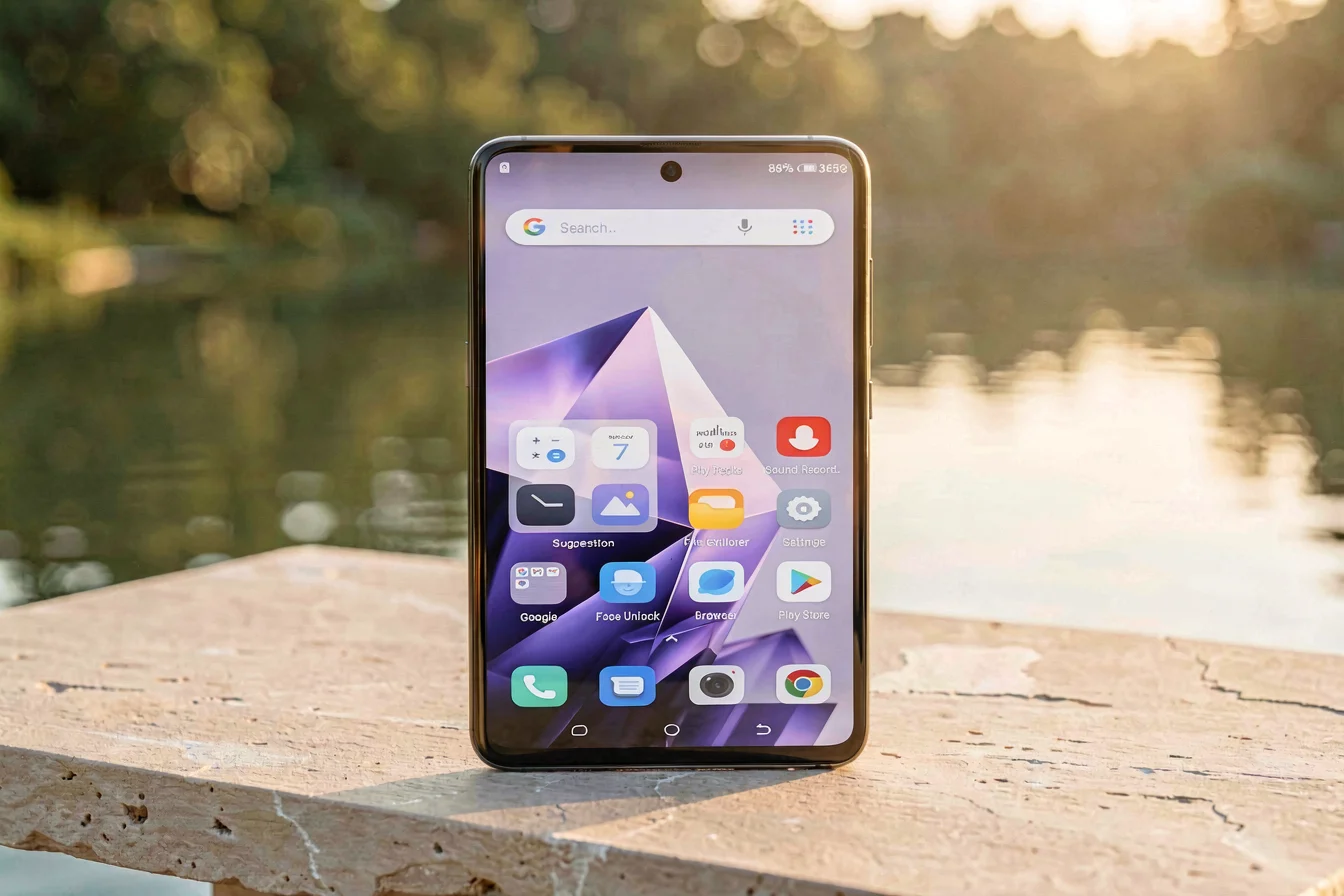
The samsung galaxy note series smartphones deliver productivity, creative, and enterprise value by combining advanced S-Pen features, multitasking, and robust software support. In contrast, the samsung galaxy note 3 now caters to nostalgia, retro computing, and collector markets, with minimal business relevance. Urgency is driven by rapid innovation cycles and evolving user expectations in enterprise and creative sectors.
The Note series dominates productivity and creative markets, while the Note 3’s relevance is now limited to retro and collector communities.
Google Trends data shows sustained search interest in newer samsung galaxy note series smartphones (Note 5, 10, 20), with peaks in August 2025 and February 2026, indicating strong consumer demand and momentum [1]. The Note 3, by contrast, is barely visible in search trends, signaling its minimal commercial relevance. This gap reflects the transition from legacy devices to advanced productivity-focused models.
Search Interest over Time
Business recommendations: prioritize procurement of newer Note series models to align with search momentum and market demand, as legacy devices show declining interest.
Case Study 1 (Note 3): Reddit discussions reveal nostalgia and regret among users who once owned the samsung galaxy note 3 . One user shares:
“I had a Note II. Still have it. But it's off. The image quality is awesome. Though, laggy after a while.” [8]
“My first ‘modern’ phone, it has a special place in my heart.” [8]
Despite affection, users lament the device’s poor performance over time and limited software support. Another user comments:
“Phones were great back then. Today you can't even get a webbrowser that supports anything on it.” [14]
Case Study 2 (Note series): A recent Reddit post discusses the Galaxy Note 9, a mid-range Note series model:
“It’s a 2018 phone and still useful.” [11]
“Still have one as secondary, but wonderful phone! One of the best Samsung phones of all times and in general—full package.” [11]
Users praise the S-Pen integration, wide screen, and battery life, with many using Note series devices for work, education, and creative workflows. Sentiment analysis table:
| Dimension | Samsung Galaxy Note 3 | Samsung Galaxy Note Series |
|---|---|---|
| Overall Satisfaction | Low (nostalgic, not practical) | High (productivity, reliability) |
| Most Praised Feature | S-Pen, large screen (retro) | S-Pen, multitasking, battery life |
| Most Common Complaint | Lag, outdated OS, app incompatibility | Price, occasional software bugs |
| Community Recommendation Rate | Minimal | High |
Viral content themes include nostalgia for the Note 3, debates about productivity vs. size, and recurring praise for the S-Pen and multitasking in newer Note series models. TikTok and YouTube highlight the Note series as a premium choice for work and creative tasks.
The social pulse confirms that the Note series is seen as the modern productivity standard, while the Note 3 is viewed as a relic with limited practical value.
Before purchasing, buyers should ask:
Tiered recommendations:
| Tier | Recommended Product | Key Reason |
|---|---|---|
| Budget-Friendly | Note 3 (retro/collector) | Low price, nostalgic appeal |
| Mid-Range | Note 9 or Note 10 | Value, S-Pen, moderate price |
| Premium | Note 20, Note Ultra | Productivity, advanced features, long support |
Optimization tips: Buy Note series models during new releases for best pricing, bundle with accessories for maximum ROI, prioritize S-Pen features for creative or business use, and avoid purchasing Note 3 for active business workflows. Common mistakes include underestimating software support needs and overvaluing collector status for active procurement.
Buyers should focus on the Note series for business-critical needs, reserving the Note 3 for niche, retro applications.
Synthesizing the insights, the samsung galaxy note series smartphones remain the preferred choice for procurement in 2026, offering advanced features, robust support, and strong market momentum. The samsung galaxy note 3 should be relegated to niche collector or archival use, with minimal commercial viability. Forward-looking trends suggest continued innovation in S-Pen integration, multitasking, and AI-powered productivity, reinforcing the Note series as the gold standard for business and creative workflows.
Confidently prioritize the Note series for all business procurement needs; share your experiences and insights with the community, and for commercial buyers, source directly from Alibaba.com for bulk and customized solutions.