
All categories
Featured selections
Trade Assurance
Buyer Central
Help Center
Get the app
Become a supplier
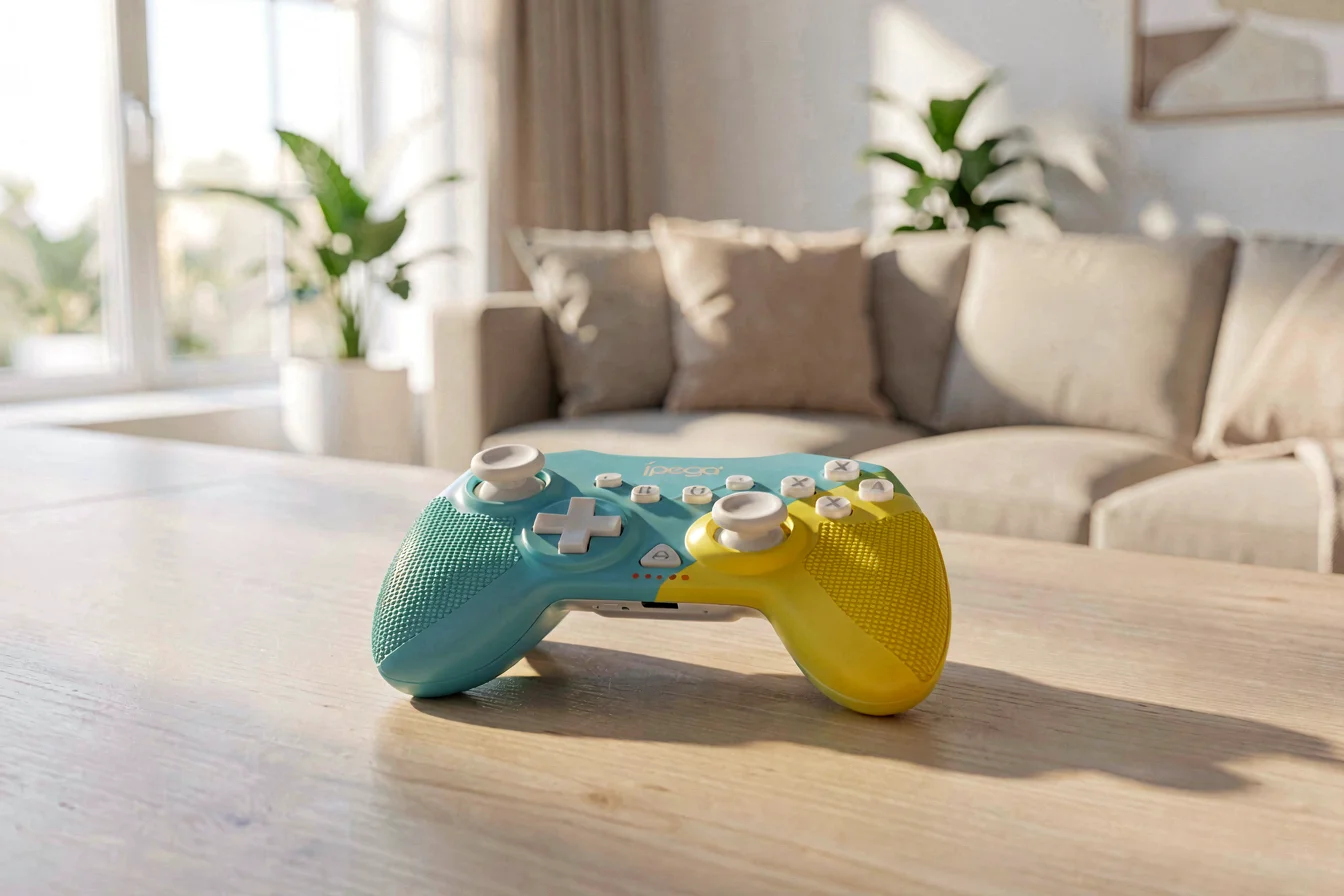
The ipega gamepad excels in wireless versatility, advanced features, and cross-platform compatibility, making it ideal for mobile and PC gaming. However, it faces recurring durability and reliability issues. The generic gamepad is cost-effective and simple, appealing to budget buyers, but lacks premium features and suffers from inconsistent quality. Buyers should select Ipega for feature-rich, mobile-first setups and generic pads for basic, budget-sensitive gaming needs [1][2][3].
The gaming controller market is shaped by two dominant types: the ipega gamepad and the generic gamepad . Ipega Gamepads are engineered for wireless versatility, supporting Bluetooth, 2.4GHz, and wired connections, with features such as turbo, multimedia buttons, and simulator functions. They are tailored for mobile, TV, and PC gaming, appealing to buyers seeking broad device compatibility and advanced gameplay features. Generic Gamepads, in contrast, are typically wired, minimalistic, and priced lower, targeting budget-conscious buyers who prioritize simplicity and affordability over innovation.
Traditional pain points for ipega gamepad include fragile build quality, dead zones, and recurring connectivity failures. Recent innovations focus on improved button simulation, turbo mode, and multimedia controls, but Reddit reviews highlight reliability concerns, with some users reporting dead zones and inconsistent performance [5][6]. Generic Gamepads, while praised for simplicity, often suffer from poor tactile feel, limited button layout, and lack of advanced features, leading to user frustration over durability and ergonomics [14].
Buyers must weigh the urgency of advanced features against reliability and cost. Ipega’s premium price and frequent repair needs may increase total cost of ownership, while generics offer lower upfront costs but risk dissatisfaction over quality and lifespan. The procurement dilemma centers on balancing feature richness with reliability and budget constraints.
| Feature | Ipega Gamepad | Generic Gamepad |
|---|---|---|
| Connectivity | Bluetooth, 2.4GHz, Wired | Wired |
| Advanced Features | Turbo, Simulator, Multimedia Buttons | Basic Layout |
| Device Compatibility | Mobile, PC, TV, VR | PC, Console |
| Build Quality | Mixed (fragile, dead zones) | Low (inconsistent) |
| Price | Premium ($25–$40) | Low ($10–$20) |
| User Sentiment | Mixed (trendy but unreliable) | Simple, affordable, disposable |
Ipega Gamepads deliver wireless versatility and advanced features, but generic pads remain the go-to for budget buyers seeking simplicity and affordability.
Durability is a critical factor for gaming controller procurement. The ipega gamepad is designed for wireless and wired modes, supporting multiple platforms, but Reddit and TikTok reviews highlight recurring issues: dead zones, fragile build, and frequent mode-switching failures [5][6]. Some users report the need to frequently reset or reconnect the device, increasing frustration and downtime. Generic Gamepads, while often praised for simplicity, suffer from inconsistent build quality, poor tactile feel, and limited button layouts, leading to dissatisfaction over time [14].
Real-world application scenarios for ipega gamepad include mobile gaming, PC gaming, and cross-platform use, especially for games requiring simulator buttons and turbo functions. Generic Gamepads are best suited for basic console and PC gaming, where advanced features are not required. The procurement logic: Ipega is ideal for buyers needing cross-platform versatility and advanced controls; generics are best for budget buyers or those with minimal feature requirements.
Long-term cost evaluation reveals higher upfront costs for Ipega, but frequent repairs or replacements may increase total cost of ownership. Generic pads are cheaper upfront but may require frequent replacement due to poor durability. Buyers must weigh these factors against their usage patterns and budget.
| Cost Factor | Ipega Gamepad | Generic Gamepad |
|---|---|---|
| Initial Purchase Price | $25–$40 | $10–$20 |
| Maintenance/Repairs | Frequent (dead zones, mode failures) | Occasional (button wear) |
| Replacement Frequency | High (fragile build) | Medium (inconsistent quality) |
| Hidden Costs | Device downtime, repairs | Replacement, ergonomic issues |
| 5-Year TCO Estimate | $70–$100 | $40–$60 |
Ipega Gamepads have higher upfront costs and frequent maintenance needs; Generic Gamepads offer lower TCO but risk dissatisfaction over durability and ergonomics.
The gaming controller category delivers value through cross-platform compatibility, ease of use, and feature richness. The urgency for buyers is shaped by the rise of mobile gaming, e-commerce, and demand for advanced features. Ipega Gamepads dominate mobile and cross-platform scenarios, while Generic Gamepads remain relevant in basic console and PC gaming contexts.
Google Trends data shows a dramatic surge in search interest for "Ipega Mobile Game Controller" (values 68–97), far outpacing "Generic Wired Gamepad" (values 2–3) [1]. This indicates strong consumer interest in wireless, mobile-compatible gamepads, with demand peaking in late 2025 and early 2026. Generic pads show minimal interest, validating their role as a niche, budget option.
Search Interest over Time
Ipega Mobile Game Controller searches are surging, indicating strong consumer interest in wireless, mobile-compatible gamepads, while generic pads remain a niche, budget option.
Reddit and TikTok reviews provide valuable insight into user experiences and sentiment. One Reddit user highlights the ipega gamepad ’s design appeal and compatibility with tablets, but notes fragility and dead zones: “Ipega has a huge dead zone and is bad even for 2D games, I definitely wouldn’t buy an Ipega controller because all Ipega controllers are horrible, they’re out of fashion.” Another user recommends the older PG-9023S model for comfort, stating, “It’s the most comfortable phone controller I have ever used!” [5].
Another case study focuses on the generic gamepad ’s simplicity and affordability, with users praising its ease of use but criticizing lack of innovation: “The generic gamepad is fine for basic console gaming, but it lacks advanced features and feels disposable.” [14].
“Ipega has a huge dead zone and is bad even for 2D games, I definitely wouldn’t buy an Ipega controller because all Ipega controllers are horrible, they’re out of fashion.” — Reddit user [5]
“It’s the most comfortable phone controller I have ever used! (I have like 5 different IPEGA controllers, including one on your picture, and 9023S is my all time favorite).” — Reddit user [5]
| Dimension | Ipega Gamepad | Generic Gamepad |
|---|---|---|
| Overall Satisfaction | Mixed (trendy but unreliable) | Low (simple, disposable) |
| Most Praised Feature | Wireless versatility, simulator buttons | Affordability, simplicity |
| Most Common Complaint | Dead zones, mode failures, fragility | Poor tactile feel, durability |
| Community Recommendation Rate | Medium (for feature-rich setups) | Low (for budget buyers) |
Viral content themes include debates over Ipega’s reliability versus its trendy design, with recurring debate points on dead zones, fragility, and mode-switching failures. Generic pads are often discussed as disposable, with users calling for innovation and improved tactile feel. Cultural reception: Ipega is seen as a mobile gaming staple, while generics are viewed as basic, entry-level devices.
Ipega Gamepads are trending but face reliability issues; generic pads are affordable but lack innovation and suffer from poor tactile feel.
Buyers should identify their core needs before purchasing. Key questions include: What is your primary use case (mobile, PC, console)? What is your budget range? Are advanced features or basic simplicity more important? Is durability or feature richness a priority? Do you require cross-platform compatibility or minimal layout?
Tiered recommendations:
| Tier | Recommended Product | Key Reason |
|---|---|---|
| Budget-Friendly | Generic Gamepad | Low price, simple layout |
| Mid-Range | Ipega Gamepad | Wireless versatility, simulator buttons |
| Premium | Ipega Gamepad (Advanced Models) | Turbo, multimedia keys, cross-platform use |
Optimization tips: Buy during sales or seasonal promotions for best pricing; consider bundling with accessories for added value; prioritize durability and tactile feel in older models; avoid buying from unverified sellers to minimize repair risks. Common mistakes: Overlooking repair frequency, ignoring compatibility, and prioritizing price over quality.
Buyers should match their needs, budget, and priorities to the best controller type: generic pads for basic setups, Ipega for advanced, cross-platform gaming.
Synthesizing insights, Ipega Gamepads are trending in mobile and cross-platform gaming, offering wireless versatility and advanced features, but face reliability and durability challenges. Generic Gamepads remain the go-to for budget buyers, but lack innovation and suffer from poor tactile feel. Forward-looking trends: demand for wireless, mobile-compatible gamepads will continue to rise, especially for mobile gaming and cross-platform setups. Buyers should prioritize reliability and durability when selecting Ipega, and consider generics for budget or basic gaming needs.
Emotional call-to-action: Share your controller experiences online to help others make informed decisions. Commercial buyers should explore wholesale options on Alibaba.com for bulk procurement, leveraging OEM/ODM support for customization and flexible sourcing. Confident buyer action: Choose Ipega for feature-rich setups and generics for budget-friendly, basic gaming needs.
Buyers should act confidently, prioritizing reliability and feature richness for Ipega Gamepads and affordability for Generic Gamepads, while leveraging wholesale platforms for bulk procurement.