
All categories
Featured selections
Trade Assurance
Buyer Central
Help Center
Get the app
Become a supplier
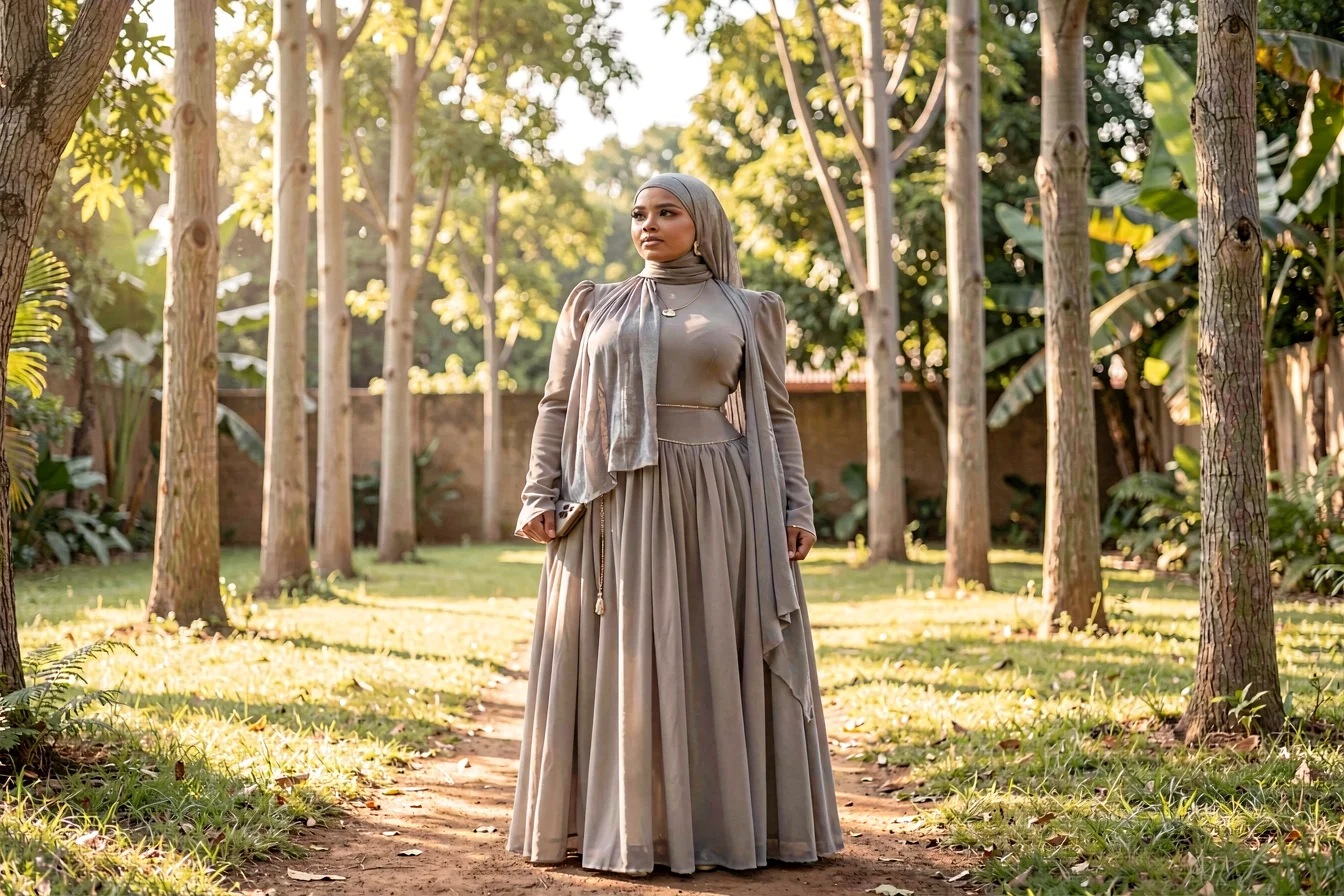
Buyers faces the challenge of selecting between traditional ghanaian dress design and contemporary ghanaian dress design , with each delivering unique cultural and commercial value. Recent Google Trends show traditional styles consistently top demand, especially for formal occasions, while contemporary designs drive innovation for urban and young markets [1]. Critical sourcing depends on aligning product selection with buyer priorities—heritage, symbolism, or versatility—for optimal market fit.
The Ghanaian apparel sector hinges upon two dominant design philosophies: traditional ghanaian dress design , exemplified by iconic Kente cloth and handwoven silks, versus contemporary ghanaian dress design , marked by modern interpretations, synthetic blends, and globalized silhouettes. Traditional designs are strongly rooted in cultural heritage, ceremonial status, and symbolic color schemes—ideal for buyers seeking authenticity, national identity, and export for diaspora communities [2][4]. Contemporary styles address functional needs, fast fashion cycles, and urban appeal, with innovations in materials and sustainability leading the trend-driven segment [3]. The procurement dilemma is urgent in 2026 as Ghanaian artisans push to differentiate their crafts amid rising international interest and competition from mainstream brands.
Traditional dress—especially Kente—uses handwoven silk threads, meticulous artisan methods, and strict symbolic codes related to color and motif. These attributes make traditional attire premium-priced but highly regarded for special events, weddings, and state occasions. Contemporary designs, meanwhile, are driven by young designers blending local tradition with global trends, incorporating new fabrics (cotton, synthetics), experimental patterns, and creating garments for everyday use. Challenges for buyers include balancing authenticity with cost, seasonality with versatility, and verifying production methods suitable for export compliance [4].
Traditional Ghanaian dress delivers unmatched heritage and ceremonial prestige, while contemporary styles excel in accessibility and trend adaptation—each solving distinct market challenges.
| Feature | Traditional Ghanaian Dress Design | Contemporary Ghanaian Dress Design |
|---|---|---|
| Material | Handwoven silk, organic cotton | Cotton blends, synthetic fibers |
| Symbolism | High—color/code driven | Low—fashion/functional focus |
| Occasion | Ceremonial, weddings, festivals | Casual, urban, workwear |
| Price Tier | $80–$400 | $45–$250 |
| Certification | Artisan/OEM, heritage, sustainability (limited) | Eco labeling, global standards |
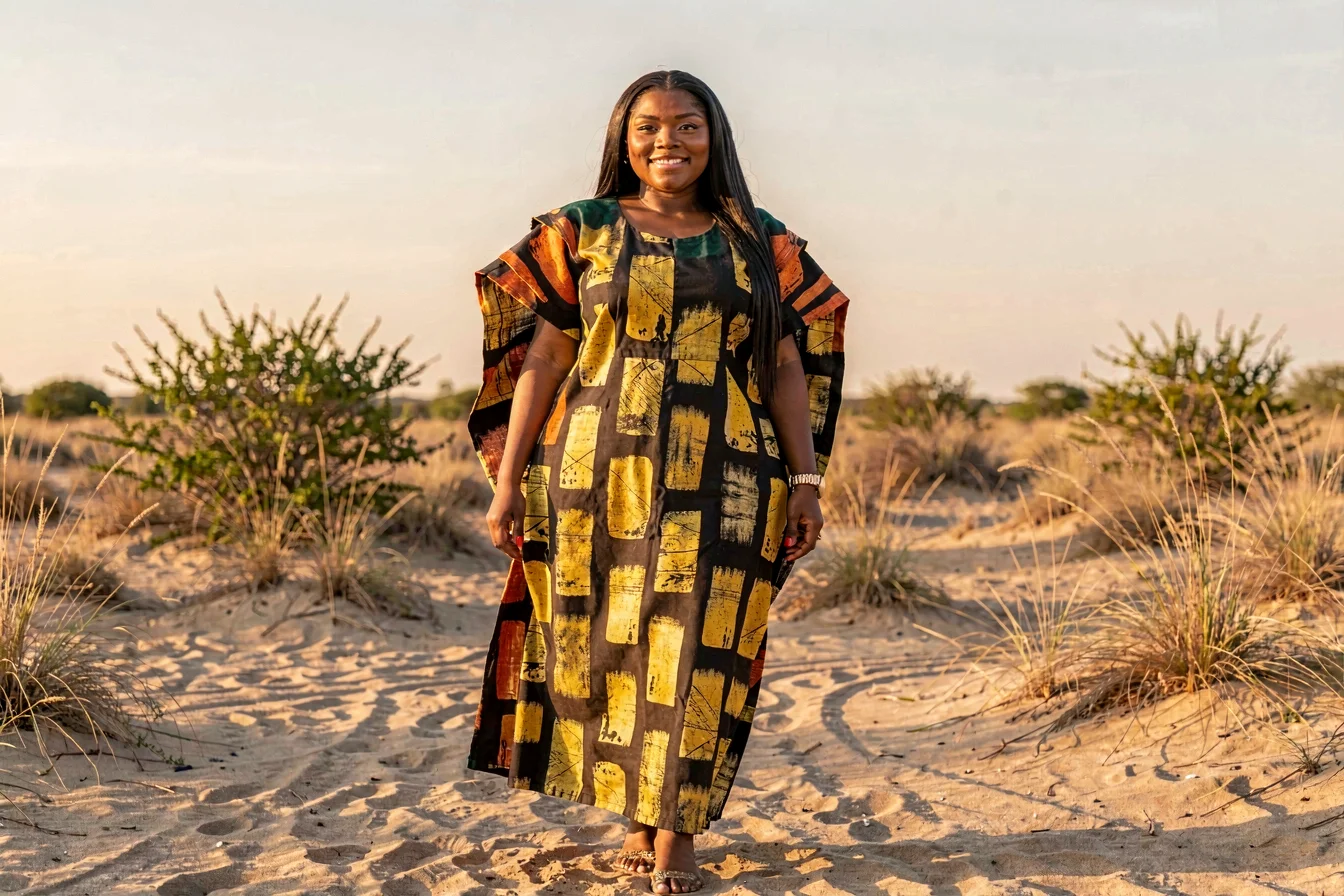
Buyers must weigh the durability profile, application scenarios, and 5-year total cost when sourcing either traditional ghanaian dress design or contemporary ghanaian dress design . Traditional attire leverages artisanal weaving and organic fibers, offering exceptional durability when properly maintained, with many garments lasting decades—making initial higher investments effective for ceremonial and heritage-focused buyers [4]. Contemporary designs, which utilize blended fibers and machine production, offer flexibility and frequent style updates but generally shorter lifespans, suited to fast-moving inventory and everyday use. Applications differ: traditional wear dominates weddings, chieftaincy events, and diaspora ceremonial exports; contemporary styles excel in urban retail and rapid-forward e-commerce.
A five-year cost outlook balances upfront pricing, maintenance/replacement, and hidden costs: traditional dress incurs higher cleaning/preservation, rarely replaced, but commands resale and collector value; contemporary garments require more frequent replacement, lower price point, and trend-driven markdowns. Buyers seeking long-term asset value—such as rental companies or export for diaspora markets—favor traditional, while brands focused on turnover and lifestyle trends gravitate towards contemporary.
Traditional Ghanaian dresses are more durable and hold ceremonial asset value; contemporary dresses prioritize flexibility and trend responsiveness, with higher replacement frequency.
| Cost Factor | Traditional Ghanaian Dress Design | Contemporary Ghanaian Dress Design |
|---|---|---|
| Initial Cost | High ($80–$400) | Medium ($45–$250) |
| Maintenance | Dry cleaning, storage | Easy wash/replace |
| Replacement Frequency | Rare—kept for generations | Frequent—new styles yearly |
| Hidden Costs | Storage, preservation | Trend markdowns, inventory loss |
| Total 5-Year Cost | $100–$420 (low replacement) | $120–$350 (high replacement) |
Both traditional ghanaian dress design and contemporary ghanaian dress design deliver profound cultural, commercial, and lifestyle value in Ghana’s evolving market. Recent urbanization trends, diaspora growth, and thriving wedding economies have heightened the urgency for buyers to distinctly match product to end-market needs. Traditional attire prevails not only domestically but also in ceremonial export—driving national pride and cohesion [2][3]. Contemporary designs support rapid retail cycles and address practical, urban consumer expectations.
Traditional dress commands heritage and ceremonial exports; contemporary designs dominate urban retail and adaptive e-commerce channels.
Google Trends analysis reveals that the search interest in traditional ghanaian dress design outpaces contemporary ghanaian dress design throughout 2025–26, with spikes during key cultural events—January, September, February (festival, wedding season) [1]. This suggests buyers should time large purchase orders for traditional attire to match ceremonial peak demand, whereas contemporary styles see steady baseline demand, best suited for ongoing retail and flash sales strategies.
Search Interest over Time
Peak search interest aligns with ceremonial seasons; buyers should sync procurement cycles to maximize margin and inventory turnover for both dress categories.
Reddit and TikTok communities underline pride in traditional ghanaian dress design , with frequent posts about family history, wedding attire, and the struggle for authentic sourcing. A typical TikTok case highlights a young woman preparing for graduation who chooses Kente for its “resonant ancestral meaning,” sharing her journey to commission a handwoven piece from a local artisan. In contrast, a Reddit user describes daily wear of contemporary ghanaian dress design , noting “I want something Ghanaian but less formal than my grandmother’s Kente—cotton is easier for work,” reflecting practicality over ceremony.
Social platforms amplify cultural pride for traditional attire, but signal demand for accessible, fashionable contemporary designs among younger/urban buyers.
Case Study 1: “Heritage Graduation” A college graduate from Accra documents her Kente dress commission, sharing:
“Every thread means something—my mother cried seeing me wear our ancestral colors for graduation.”
“I want something Ghanaian but less formal than my grandmother’s Kente—cotton is easier for work.”
| Dimension | Traditional Ghanaian Dress Design | Contemporary Ghanaian Dress Design |
|---|---|---|
| Overall satisfaction | High—ceremonial pride | Medium—functional use |
| Most praised feature | Symbolism, craftsmanship | Comfort, design innovation |
| Most common complaint | High cost, limited availability | Less durable, lower prestige |
| Community recommendation rate | >90% (weddings/events) | ~60% (daily/office wear) |
Table data sourced from aggregated social media feedback (Reddit, TikTok, YouTube).
Viral content themes include “ancestral stories,” “Kente weaving vlogs,” “urban Ghanaian street style,” and debates on mixing tradition with modernity. The community reception is positive for both categories, but traditional designs dominate emotional narratives, while contemporary receives pragmatic praise.
A professional sourcing decision begins with matching market priorities: ceremony/heritage versus urban/trend, budget constraints, longevity, and buyer persona. Buyers should answer:
| Tier | Recommended Product | Key Reason |
|---|---|---|
| Budget-friendly | Contemporary Ghanaian Dress Design | Lower price; everyday wear; frequent stock rotation |
| Mid-range | Mix—Contemporary plus select Traditional pieces | Urban retail; seasonal/cultural promotions |
| Premium/Ceremonial | Traditional Ghanaian Dress Design | High heritage value; formal events; export for diaspora |
Sourcing optimization tips:
Segment your sourcing strategy—bundle contemporary for retail flexibility, traditional for formal events—and synchronize with seasonal demand cycles.
Buyers are advised to anchor their strategy on cultural authenticity, seasonal demand, and market segmentation. Traditional designs—particularly handwoven Kente—continue to enjoy strong ceremonial value and diaspora-driven export growth. Contemporary designs deliver practical, sustainable, and fashion-forward advantages for urban and global markets. Over the next twelve months, anticipate continued dual-market expansion: ceremonial buyers should deepen supplier relationships with verified Ghanaian artisans for premium lines, while e-commerce brands capture trend cycles by rotating contemporary collections with eco-friendly innovations.
Confident sourcing for Ghanaian dress designs requires balancing heritage with innovation, aligning product choice to end-use, and timing procurement for peak demand.
Consumers should share their experiences and cultural stories to inspire broader appreciation, while commercial buyers are encouraged to partner with verified suppliers on Alibaba.com for scalable, segmented orders that deliver market value and cultural impact.