
All categories
Featured selections
Trade Assurance
Buyer Central
Help Center
Get the app
Become a supplier
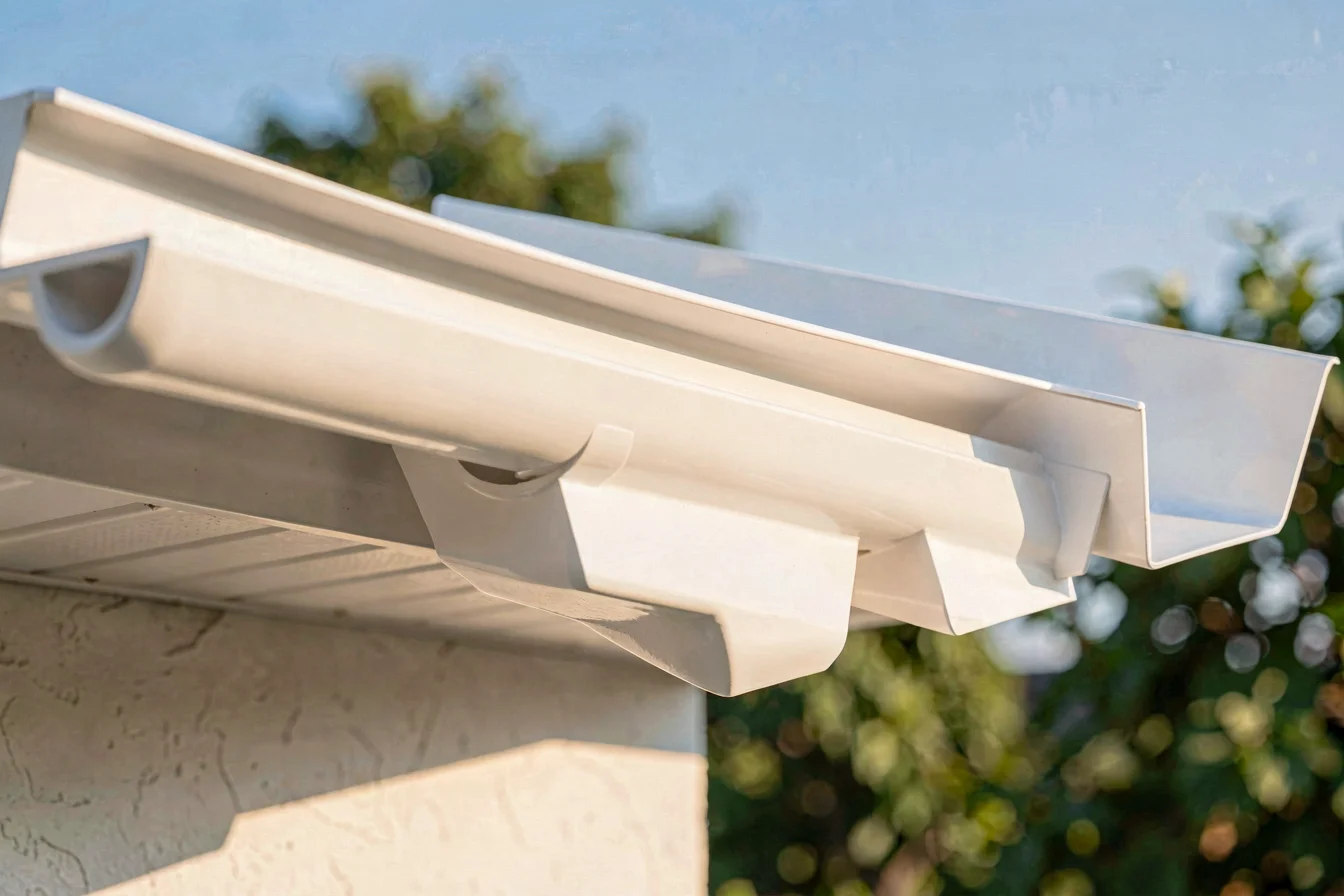
Standard rain gutter systems provide superior hydraulic capacity, durability, and warranty coverage, making them ideal for commercial and high-value residential projects in Ghana. In contrast, ghana rain gutter systems offer affordability, climate-specific flexibility, and rapid installation, appealing to budget-sensitive buyers. Procurement decisions should align with project scale, required reliability, and maintenance preferences, as demand for standard systems is rising while local systems remain relevant for price-driven projects [1][2][3].
Both ghana rain gutter systems and standard rain gutter systems serve the core purpose of redirecting rainwater to prevent property damage, but they target different audiences and solve distinct pain points. Ghana rain gutter systems are designed for local climate resilience, affordability, and easy installation, with PVC and vinyl materials dominating the market. They are ideal for buyers seeking rapid deployment, flexible sizing, and cost efficiency, but may lack formal certifications and robust warranties [2][4]. Standard rain gutter systems , typically imported or manufactured with international standards, feature higher hydraulic capacity, advanced accessory compatibility, and proven durability, making them preferred for larger commercial projects and high-value residences [3][5].
Technological innovations in standard rain gutter systems include UV stabilization, seamless installation, and modular accessories, while ghana rain gutter systems focus on lightweight construction, flexibility, and all-weather resistance [3][4]. The procurement dilemma centers on balancing upfront cost, long-term reliability, and maintenance requirements. Traditional challenges—such as clogging, improper sizing, and installation errors—apply to both systems, but standard rain gutter systems are generally less prone to failure and easier to maintain over time [8][9].
| Feature | Ghana Rain Gutter | Standard Rain Gutter System |
|---|---|---|
| Material | PVC, Vinyl | Aluminum, Vinyl, Steel |
| Hydraulic Capacity | Moderate | High |
| Durability | Flexible, All-weather | UV Stabilized, Long-lasting |
| Certification | Limited | Warranty, International Standards |
| Accessory Compatibility | Basic | Wide Range |
| Price Range | ₵180–195 | $3–8/ft |
Standard rain gutter systems deliver superior reliability and warranty, while Ghana rain gutter systems offer budget-friendly, climate-adaptive solutions for local buyers.
Durability is a critical factor in choosing between ghana rain gutter and standard rain gutter systems . Ghana rain gutter systems are built for all-weather flexibility, with PVC and vinyl materials resisting corrosion and freezing, but lacking formal certifications [2][4]. Their expected lifespan is typically 5–10 years, depending on local conditions and maintenance practices. Standard rain gutter systems are engineered for longevity, often lasting 25–30 years with proper installation and maintenance, and are backed by limited manufacturer warranties [3][8].
Application scenarios differ: ghana rain gutter systems are best for small residential, budget-driven, or rapid installation projects, while standard rain gutter systems excel in commercial, high-value residential, and large-scale developments requiring robust water management [5]. Maintenance requirements for standard rain gutter systems are minimal, with periodic cleaning and occasional repairs, whereas ghana rain gutter systems may need more frequent checks due to potential clogging and improper sizing [8][9].
Long-term cost evaluation reveals that ghana rain gutter systems are cheaper upfront but may incur higher maintenance and replacement costs over 5 years. Standard rain gutter systems require higher initial investment but offer lower maintenance and longer lifespan, reducing total cost of ownership [2][3].
| Cost Factor | Ghana Rain Gutter | Standard Rain Gutter System |
|---|---|---|
| Initial Purchase Price | ₵180–195 | $3–8/ft |
| Installation | Low to Moderate | Moderate to High |
| Maintenance | Frequent (5–10 years) | Occasional (25–30 years) |
| Replacement Frequency | 5–10 years | 25–30 years |
| Hidden Costs | Clogging, improper sizing | Minimal |
Standard rain gutter systems deliver lower long-term costs and superior reliability, while Ghana rain gutter systems suit budget-driven, rapid-installation projects.
Rain gutter systems are a critical component in urban and rural water management, especially in Ghana’s tropical climate where flash flooding and heavy rains are common [10][16]. Ghana rain gutter systems are favored in residential, budget-driven, and community projects where rapid deployment and affordability are priorities. Standard rain gutter systems are preferred in commercial, high-value residential, and infrastructure projects requiring proven durability and warranty coverage [3][5].
Market trend data shows urbanization and climate change are increasing demand for reliable rain gutter solutions, with search interest in standard rain gutter systems peaking during the rainy season and construction periods [1].
Google Trends data reveals that search volume for "standard rain gutter system" is consistently higher and rising, peaking at 97 in Feb 2026, while "Ghana rain gutter system" searches are stable but lower, with a peak of 82 in Feb 2026 [1]. This indicates strong buyer interest in international standards, but local systems remain relevant for price-driven procurement.
Search Interest over Time
Standard rain gutter systems are gaining search momentum, signaling increased buyer preference for proven durability and warranty coverage.
Online communities reveal recurring pain points around improper sizing, clogging, and installation errors, with buyers seeking durable, maintenance-free solutions. Reddit case studies highlight both successes and failures in gutter installation, with buyers reporting overflowing gutters, poor transitions, and lack of downspouts [8][9][11].
Case Study 1: A Reddit user in Ghana describes sudden gutter construction with no notice, leading to blocked access and frustration among residents. The community debates whether the new gutters improve drainage or cause more disruption, with mixed sentiment about government-led infrastructure projects [12].
"It rained yesterday and the gutters were overflowing within 10 minutes... General lack of maintenance and so flash flooding is a recurring issue especially during rainy season." [10]
Case Study 2: A US-based Reddit user shares a negative experience with a DIY gutter installation, highlighting the importance of proper sizing and downspout placement. The community advises against mixing gutter types and stresses the need for uniform installation [9].
"If your gutters are overflowing with every rain, they are clogged or not pitched properly. Aluminum gutters if maintained, will last 25-30 years." [8]
| Dimension | Ghana Rain Gutter | Standard Rain Gutter System |
|---|---|---|
| Overall Satisfaction | Mixed, price-driven | High, reliability-focused |
| Most Praised Feature | Affordability, flexibility | Durability, warranty |
| Most Common Complaint | Clogging, improper sizing | Installation errors, cost |
| Community Recommendation Rate | Moderate | High |
Viral content themes include debates on sizing, material quality, and installation best practices, with cultural reception favoring standard systems for reliability but local systems for affordability [8][9][10].
Community sentiment highlights the need for proper sizing, reliable installation, and long-term durability in rain gutter procurement.
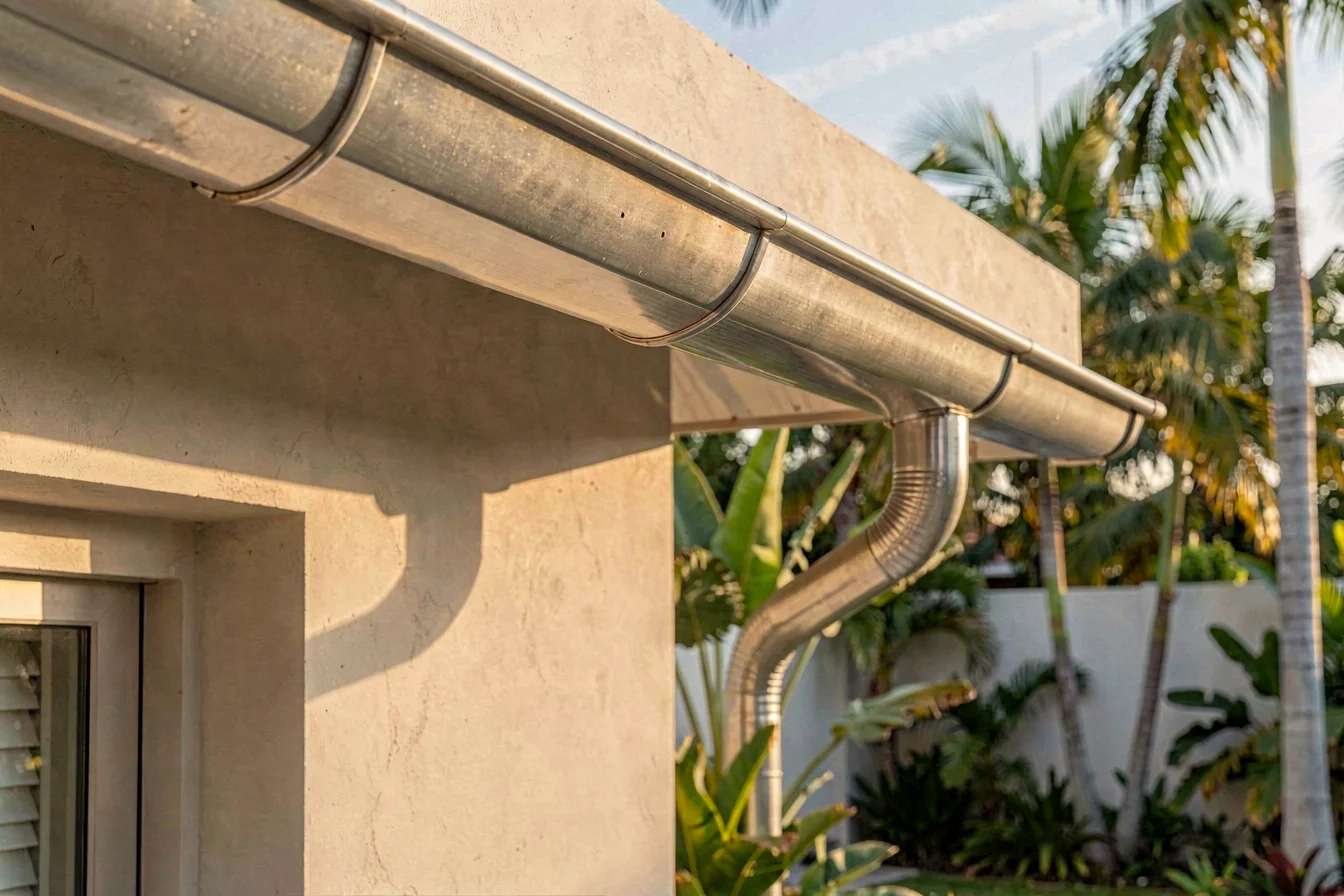
Buyers should start by clarifying their core needs: primary use case (residential, commercial, temporary), budget range, and must-have features (hydraulic capacity, warranty, accessory compatibility). Key questions include:
Tiered recommendations:
| Tier | Recommended Product | Key Reason |
|---|---|---|
| Budget-Friendly | Ghana Rain Gutter | Affordability, rapid installation |
| Mid-Range | Standard Rain Gutter System | Durability, moderate cost |
| Premium | Standard Rain Gutter System | Warranty, advanced accessories |
Optimization tips:
Buyers should match product choice to project scale, budget, and reliability needs, with tiered recommendations for optimal procurement.
Key insights from this analysis indicate that standard rain gutter systems are gaining momentum in Ghana due to rising demand for reliability, warranty coverage, and advanced accessories, while ghana rain gutter systems remain relevant for budget-driven, rapid installation needs [1][2][3].
Forward-looking trend recommendation: Over the next 6–12 months, buyers should prioritize standard rain gutter systems for commercial and high-value residential projects, leveraging warranties and accessory compatibility. For budget-sensitive or rapid deployment needs, ghana rain gutter systems remain a viable option, but buyers should focus on proper sizing and maintenance.
Buyers should act confidently, share experiences to inform the community, and commercial buyers should leverage wholesale platforms like Alibaba.com for reliable sourcing and advanced procurement solutions.