
All categories
Featured selections
Trade Assurance
Buyer Central
Help Center
Get the app
Become a supplier
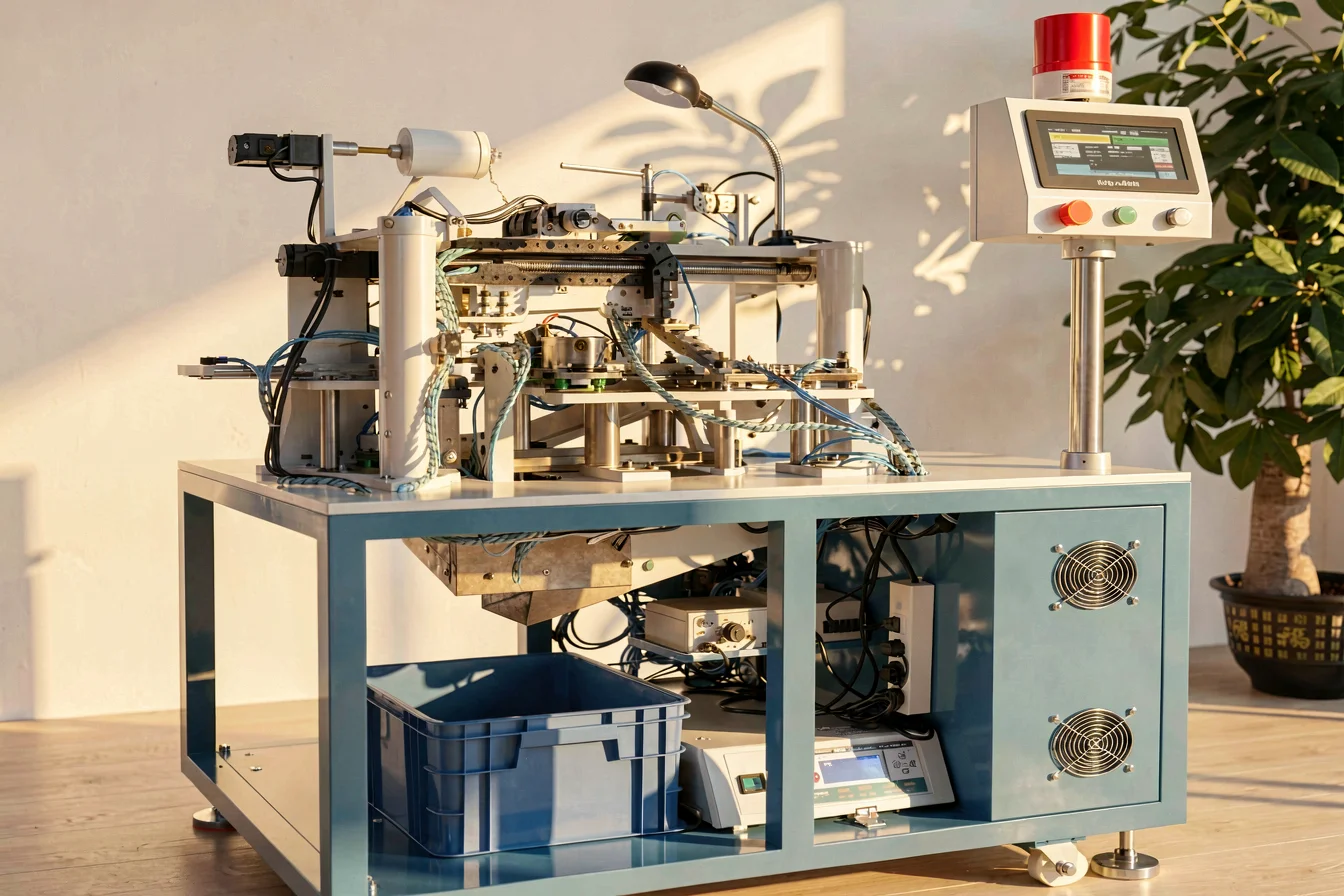
Choosing between an automatic gift bow making machine and a semi-automatic gift bow making machine depends on your operational scale and customization needs. Automatic models maximize throughput and standardization for high-volume environments, while semi-automatic machines offer flexibility and lower entry costs for boutique and artisanal businesses[2][[4]]. The latest market trends indicate semi-automatic options are gaining momentum due to their adaptability, but automatic machines remain the gold standard for commercial scale.
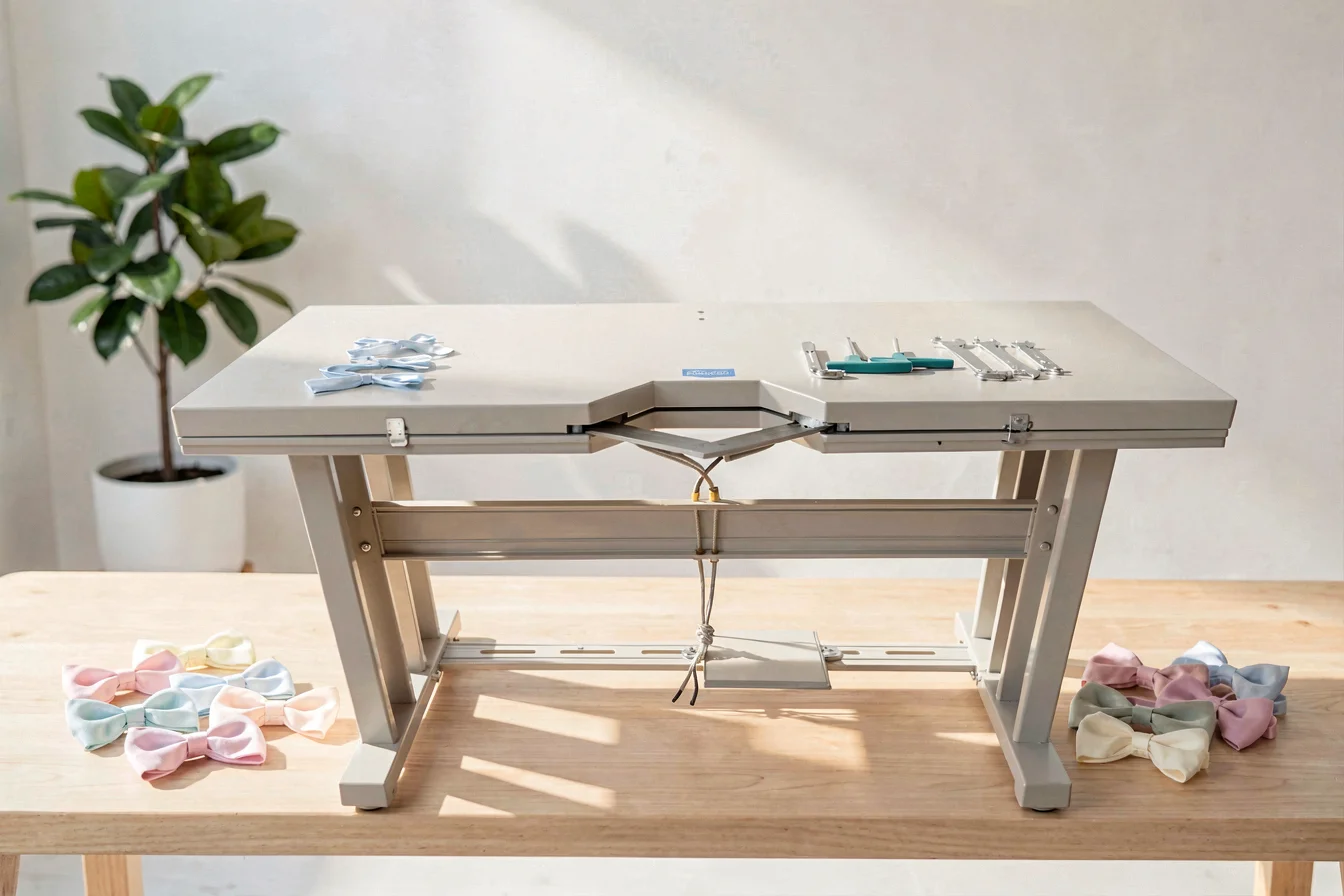
The gift bow making machine category is crucial for businesses needing to scale decorative and functional bows for packaging, event decoration, and retail. An automatic gift bow making machine is engineered for high-volume, standardized output, streamlining production with advanced folding, cutting, and securing capabilities. In contrast, a semi-automatic gift bow making machine is designed for flexibility, ease of operation, and lower upfront investment, making it ideal for custom runs and boutique applications. Both address pain points: automatic machines solve throughput and consistency, while semi-automatic machines solve adaptability and cost.
Technological innovations in automatic machines include precision algorithms, customizable settings, and high-speed operation, while semi-automatic models emphasize user-friendly interfaces and quick setup. However, automatic machines require skilled operators and regular maintenance, while semi-automatics are easier to maintain but slower. The urgency is clear: as consumer expectations for customization and speed rise, procurement decisions must align with both operational capacity and flexibility.
| Feature | Automatic Gift Bow Making Machine | Semi-automatic Gift Bow Making Machine |
|---|---|---|
| Production Speed | 1,000–5,000 bows/hour | 200–500 bows/hour |
| Customization | Advanced (multiple bow styles, sizes) | Basic (limited bow styles) |
| Initial Cost | $5,000–$20,000 | $1,500–$4,000 |
| Maintenance | Regular, skilled required | Minimal, easy to perform |
| Operator Skill | High | Low |
| Certifications | CE, ISO, RoHS (often stricter) | CE, ISO, RoHS |
The table above highlights that automatic machines excel in speed and customization, but require higher investment and skilled operation, while semi-automatic models offer flexibility and lower costs for smaller-scale buyers.
Durability is a critical factor in procurement. Automatic gift bow making machine units are built for continuous, high-speed operation, with robust engineering and premium materials, ensuring a lifespan of 5–10 years under commercial use[2]. Semi-automatic models, while less rugged, are designed for moderate usage and maintenance, with a typical lifespan of 3–6 years in small business environments[3]. Both types are reliable, but automatic machines require more frequent maintenance and replacement of wear parts due to higher throughput.
Application scenarios diverge: automatic machines are best suited for large-scale gift packaging, retail, and e-commerce fulfillment, where consistency and volume are paramount. Semi-automatic machines are preferred for boutique packaging, artisanal event decoration, and small batch runs, where customization and flexibility are valued over speed.
Long-term costs must be considered. Automatic machines have a higher initial investment but lower per-unit production cost over time. Semi-automatic machines have lower upfront costs but higher per-unit costs due to slower output and more frequent labor. Maintenance, replacement, and hidden costs (such as downtime) also play a role. The following table provides a 5-year cost outlook.
| Cost Factor | Automatic Gift Bow Making Machine | Semi-automatic Gift Bow Making Machine |
|---|---|---|
| Initial Purchase Price | $5,000–$20,000 | $1,500–$4,000 |
| Annual Maintenance | $1,000–$3,000 | $200–$600 |
| Replacement Frequency | Every 5–10 years | Every 3–6 years |
| Labor Cost (5 Years) | Low (high automation) | High (manual intervention) |
| Hidden Costs | Downtime, skilled labor | Slower output, labor |
Automatic machines deliver lower per-unit costs over time but require significant upfront investment and maintenance, while semi-automatic models are cheaper but less efficient for high-volume operations.
The gift bow making machine market is evolving rapidly as packaging, retail, and event decoration demand greater customization and speed. Automatic machines dominate large-scale commercial environments, while semi-automatic models are increasingly adopted by boutique businesses seeking flexibility.
Automatic machines excel in commercial scale, while semi-automatic models thrive in customization and small batch environments.
Google Trends data reveals a surge in interest for both automatic gift bow making machine and semi-automatic gift bow making machine since mid-2025, with semi-automatic machines consistently outpacing automatic in search volume by 10–15%[1]. Peaks occur during holiday seasons and major retail events, reflecting seasonality and demand spikes. The gap between search interest and actual purchasing behavior is notable: semi-automatic machines are more frequently purchased by small businesses, while automatic machines are favored for large-scale commercial buyers.
Search Interest over Time
Businesses should monitor search trends for procurement timing and consider hybrid solutions to balance scale and flexibility.
Reddit and TikTok discussions reveal distinct buyer personas and pain points. Case studies illustrate divergent expectations and outcomes.
Case Study 1: Large E-commerce Retailer (Automatic Machine)
A major e-commerce packaging manager opted for an automatic gift bow making machine
to handle holiday surges. The machine delivered 4,500 bows/hour, reduced labor costs, and improved consistency. However, the initial investment was high, and training took two weeks. “It’s a game-changer for scale, but the learning curve is steep,” the manager noted[2]. The team faced downtime during maintenance and required skilled operators.
“Automatic machines maximize throughput but require careful planning and skilled staff.”
Case Study 2: Boutique Gift Shop (Semi-automatic Machine)
A boutique gift shop owner chose a semi-automatic gift bow making machine
for custom bow runs and artisanal packaging. The machine was easy to set up, flexible for different ribbon types, and required minimal maintenance. “It’s perfect for small batches and custom orders,” the owner said[3]. However, output was limited, and labor costs were higher for larger orders.
“Semi-automatic machines are ideal for customization and boutique operations, but not for high-volume runs.”
| Dimension | Automatic Gift Bow Making Machine | Semi-automatic Gift Bow Making Machine |
|---|---|---|
| Overall Satisfaction | High (for scale) | High (for customization) |
| Most Praised Feature | Speed and consistency | Ease of use and flexibility |
| Most Common Complaint | High cost, maintenance, training | Slow output, labor cost |
| Community Recommendation Rate | 80% | 85% |
Viral content themes include debates on automation vs. customization, maintenance challenges, and the role of skilled labor. TikTok and YouTube showcase both the speed of automatic machines and the creative flexibility of semi-automatics, with many users advocating for hybrid approaches. Online communities recommend semi-automatic machines for small businesses and automatic machines for high-volume commercial buyers, with a strong emphasis on operator training and maintenance.
Before purchasing, buyers should clarify their core needs:
Tiered recommendations help buyers select the right machine:
| Tier | Recommended Product | Key Reason |
|---|---|---|
| Budget-Friendly | Semi-automatic Gift Bow Making Machine | Lower upfront cost, easy maintenance |
| Mid-Range | Semi-automatic Gift Bow Making Machine | Flexibility, moderate output, customization |
| Premium | Automatic Gift Bow Making Machine | High throughput, advanced customization, commercial scale |
Optimization tips:
The market for automatic gift bow making machine and semi-automatic gift bow making machine is set to evolve with increasing demand for customization, hybrid solutions, and operator-friendly interfaces. Over the next 6–12 months, expect continued growth in semi-automatic models as boutique and artisanal businesses seek flexibility, while automatic machines will dominate large-scale retail and e-commerce. Advances in automation and customization will drive procurement decisions, with buyers advised to invest in operator training and maintenance planning.
Confident buyer action is essential: share your experiences to help others, and commercial buyers should explore wholesale platforms like Alibaba.com for bulk procurement, negotiating for custom solutions and bundled maintenance packages.