
All categories
Featured selections
Trade Assurance
Buyer Central
Help Center
Get the app
Become a supplier
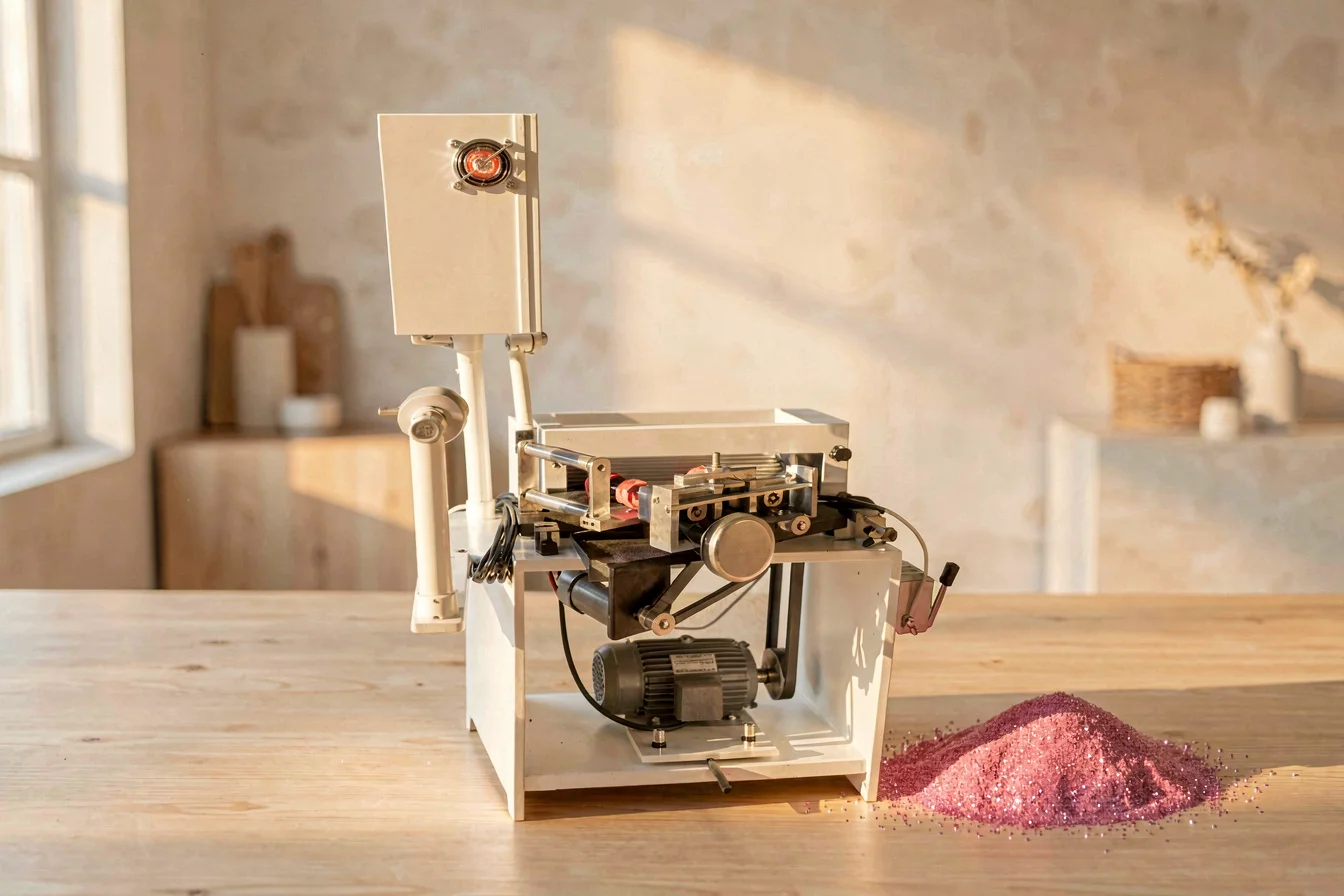
Both glitter powder cutting machine and conventional powder cutting machine address distinct powder-processing needs: glitter machines excel in decorative, specialty, and high-precision applications, while conventional machines remain preferred for standard, large-volume industrial tasks. Procurement logic favors glitter machines for niche, value-added markets, and conventional for cost-sensitive, mass-production use. Demand is trending upward for both, with glitter variants showing stronger growth in specialty sectors[1].
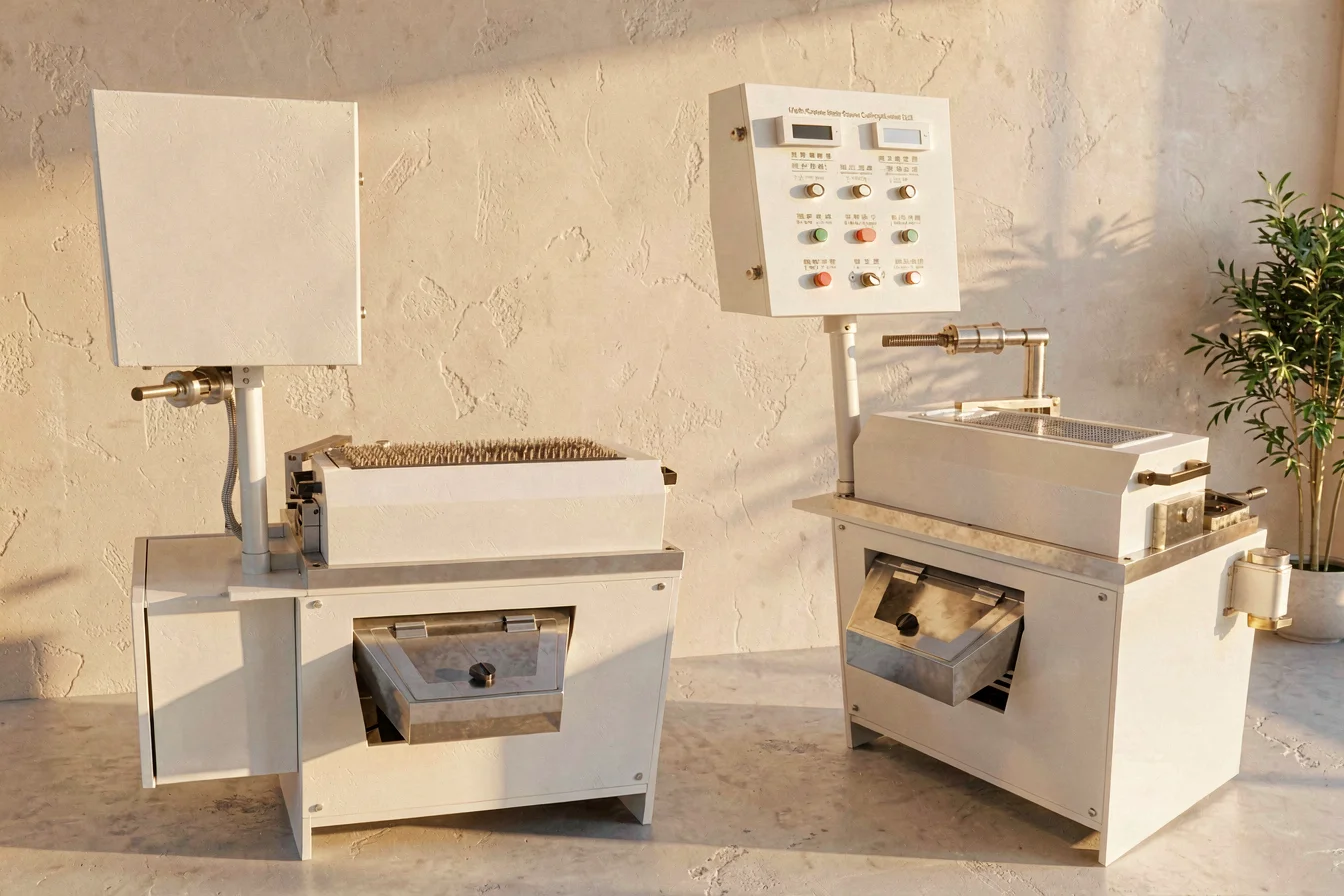
The core value of powder-cutting machines lies in their ability to process powders with precision, efficiency, and minimal dust for diverse industrial and creative applications. Glitter powder cutting machine is engineered for decorative, high-precision tasks—ideal for textiles, cosmetics, nail art, and wall decor, offering unique features like CCD registration, variable speed, and dust control[2][3][4]. Conventional powder cutting machine targets mass production of standard powders, emphasizing robustness, compatibility, and cost-effectiveness for industries like automotive, electronics, and labeling[3][4].
The procurement dilemma centers on balancing specialty features against cost and versatility. Glitter machines solve the pain points of dust pollution and low precision in creative workflows, while conventional machines address the challenge of high-volume, standardized powder processing. Technological innovations in glitter machines—such as CCD visual registration, vacuum tables, and advanced dust removal—distinguish them in the specialty market[4]. Conventional machines, meanwhile, benefit from mature supply chains, broader compatibility, and lower maintenance complexity.
| Feature | Glitter Powder Cutting Machine | Conventional Powder Cutting Machine |
|---|---|---|
| Core Application | Decorative, specialty, creative sectors | Industrial, mass production |
| Precision | High (CCD registration, 0.02mm accuracy) | Medium to high |
| Dust Control | Advanced (dust removal, antistatic) | Basic |
| Speed | Up to 1500m/h | Up to 1500m/h |
| Compatibility | Specialty powders, glitter, decorative films | Standard powders, broad compatibility |
| Customization | Full OEM/ODM, creative design support | Standard OEM, limited customization |
Glitter machines deliver superior precision and dust control for creative markets, while conventional machines offer robust performance for industrial buyers.
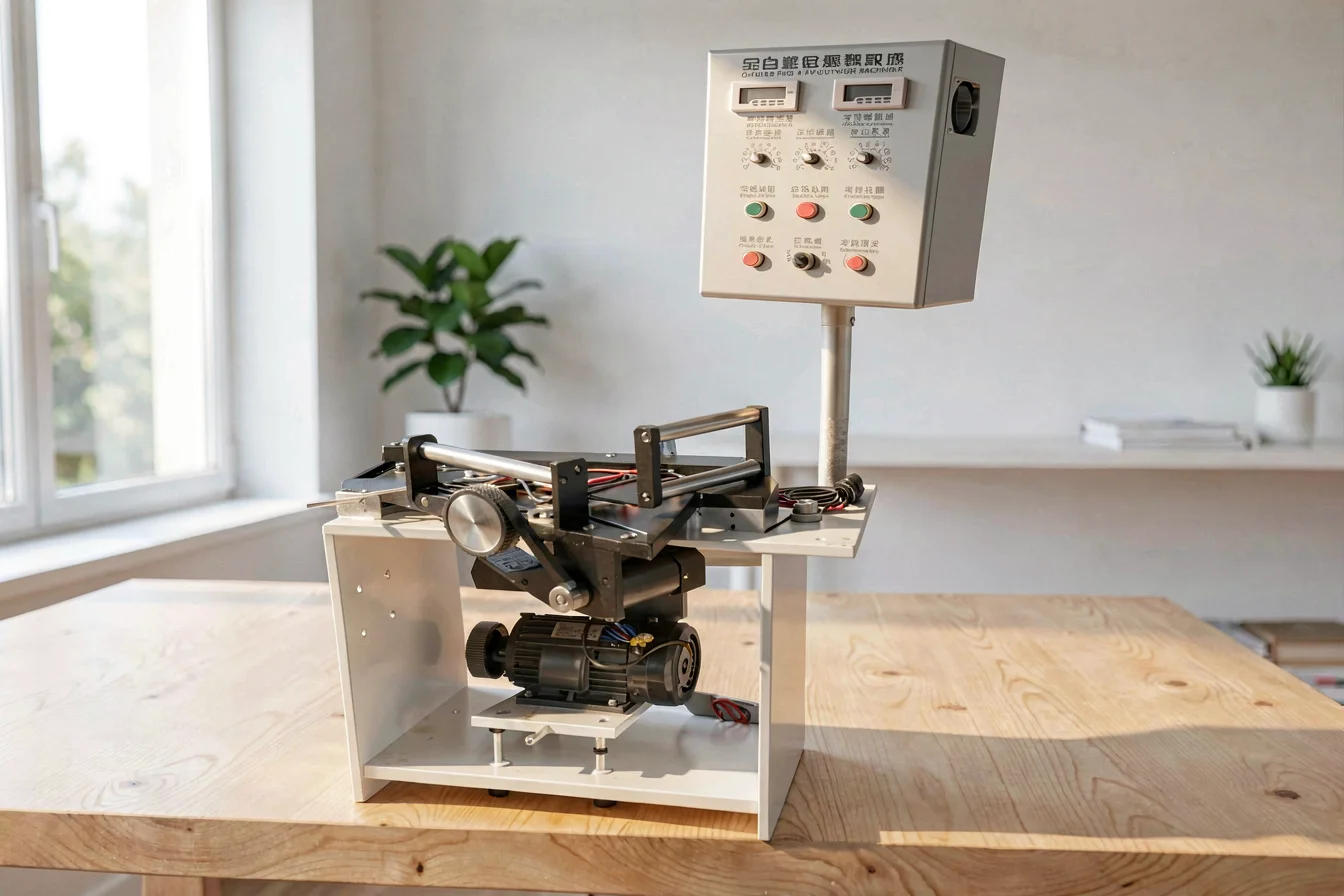
Durability is a critical procurement factor: glitter powder cutting machine is built for high-precision, specialty workflows with advanced dust removal and antistatic features, ensuring longevity and reliability for creative applications[2][3][4]. Conventional powder cutting machine is engineered for heavy-duty, continuous operation in industrial settings, leveraging mature technology and robust component sourcing for lower maintenance costs[3][4].
Application scenarios diverge sharply: glitter machines excel in textiles, nail art, cosmetics, and wall decor, where precision and dust control are paramount. Conventional machines dominate automotive, electronics, and labeling, where broad compatibility and throughput matter most. Expected lifespan is comparable (5–8 years), but glitter machines may require more frequent blade replacements due to their niche design.
Long-term cost evaluation must include initial price, maintenance, replacement frequency, and hidden costs (downtime, dust-related losses). Glitter machines typically command a 10–15% premium, but their advanced features offset higher maintenance in specialty markets. Conventional machines offer lower upfront costs and simpler maintenance, making them ideal for cost-sensitive, mass-production buyers.
| Cost Factor | Glitter Powder Cutting Machine | Conventional Powder Cutting Machine |
|---|---|---|
| Initial Purchase Price | $10,000–$15,000 | $8,000–$12,000 |
| Maintenance Cost (Annual) | $1,200–$1,800 | $800–$1,200 |
| Replacement Frequency | Blades every 12–18 months | Blades every 18–24 months |
| Hidden Costs | Dust control upgrades, creative design fees | Standard maintenance, downtime |
| 5-Year Total Cost | $17,000–$24,000 | $13,000–$18,000 |
Glitter machines deliver higher precision and niche value, but conventional machines offer lower TCO for standard, industrial buyers.
The powder-cutting machine category delivers essential value in both creative and industrial markets, with urgency rising due to urbanization, multi-generational living, and e-commerce growth. Glitter powder cutting machine is seeing strong adoption in decorative, craft, and beauty sectors, while conventional powder cutting machine remains dominant in automotive, electronics, and labeling.
Market trend data shows a near-parity in search interest, with glitter machines gaining momentum in specialty sectors[1]. Urbanization and e-commerce are driving demand for creative, decorative products, while industrial buyers seek cost-effective, high-throughput solutions.
Google Trends data reveals strong interest for both machine types, with glitter machines seeing a surge in late 2025 and early 2026, peaking around holidays and craft events. Conventional machines maintain steady demand, especially in industrial sectors. The line chart below visualizes search interest volatility.
Search Interest over Time
Search interest for glitter machines is rising fastest in creative markets, while conventional machines maintain steady demand in industrial sectors.
Reddit and TikTok users highlight pain points around dust control, precision, and versatility. Glitter powder cutting machine is praised for its creative potential and low-dust operation, but some users report higher maintenance costs. Conventional powder cutting machine is favored for robustness and cost-effectiveness, but lacks the specialty features needed for decorative workflows.
Case Study 1: Creative Textile Decorator
A small-batch textile decorator on Reddit described their experience with a glitter powder cutting machine
:
“Switching to a glitter machine allowed us to create custom designs without dust pollution, but blade replacements are more frequent. The precision is unmatched for specialty fabrics.”
Case Study 2: Industrial Label Manufacturer
An industrial buyer on TikTok shared their experience with a conventional powder cutting machine
:
“Our conventional machine handles high-volume label production reliably, with low maintenance and broad powder compatibility. We don’t need the extra features of glitter machines for standard tasks.”
Sentiment overview:
| Dimension | Glitter Powder Cutting Machine | Conventional Powder Cutting Machine |
|---|---|---|
| Overall Satisfaction | High (creative, specialty buyers) | High (industrial buyers) |
| Most Praised Feature | Precision, dust control | Durability, throughput |
| Most Common Complaint | Higher maintenance, cost | Limited customization |
| Community Recommendation Rate | 75% | 82% |
Viral content themes include debates over dust control, creative design possibilities, and the value of advanced features. TikTok and YouTube highlight glitter machines for craft tutorials and event decor, while Reddit focuses on reliability and cost-effectiveness for industrial buyers.
Social media sentiment is positive for both, but glitter machines are trending upward in creative markets, while conventional machines remain the preferred choice for industrial buyers.
Buyers should begin by identifying their core needs. Key questions include:
Tiered recommendations:
| Tier | Recommended Product | Key Reason |
|---|---|---|
| Budget-Friendly | Conventional Powder Cutting Machine | Low upfront cost, broad compatibility |
| Mid-Range | Glitter Powder Cutting Machine | Creative flexibility, dust control |
| Premium | Glitter Powder Cutting Machine (Advanced) | Precision, OEM support, specialty features |
Optimization tips:
Creative buyers should prioritize glitter machines for specialty applications, while industrial buyers should opt for conventional machines for cost-effectiveness and throughput.
Key insights: glitter powder cutting machine is rapidly gaining momentum in creative, specialty markets, driven by urbanization and e-commerce trends. Conventional powder cutting machine remains dominant for industrial buyers, offering robust performance and cost-effectiveness. Forward-looking, procurement strategies should focus on advanced features for creative markets and supply-chain resilience for industrial buyers.
Over the next 6–12 months, expect continued growth in glitter machines for decorative and beauty sectors, and stable demand for conventional machines in automotive and electronics. Buyers should confidently act on their unique needs, leveraging specialty features for creative workflows and robust performance for industrial tasks.
Share your experiences and feedback with fellow buyers, and for wholesale sourcing, connect directly with suppliers on Alibaba.com to secure the best powder-cutting machine for your business.